
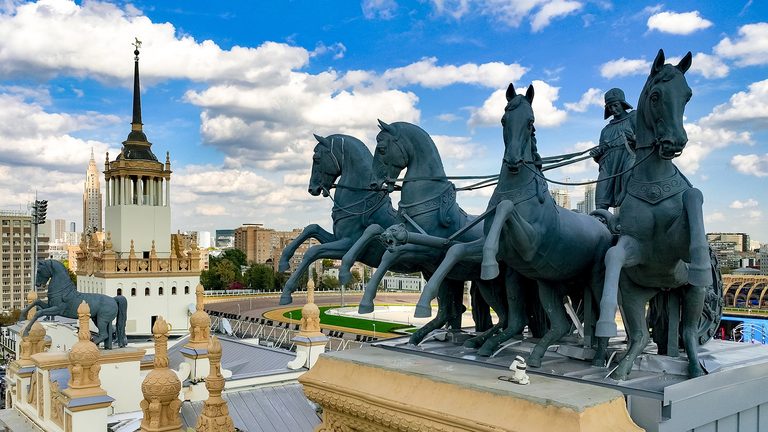
10 MAIN masterpieces of the Moscow Kremlin's Armory Chamber

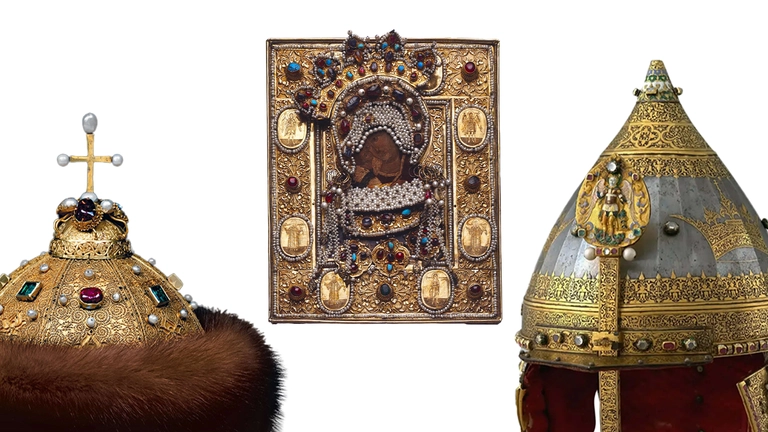
Most of the relics of the Russian tsars are stored in this museum. Out of thousands of exhibits, we’ve chosen some of the most interesting and iconic ones.
The Armory Chamber is a treasury museum on the grounds of the Moscow Kremlin. It houses not only (and not so much) weapons, but, rather, priceless items connected to the Russian tsars: coronation attire, carriages, thrones and masterpieces by Russian and foreign jewelers. In total, there are about 4,000 objects of decorative and applied art.
The museum's founding date is considered to be March 10, 1806. On that day, Emperor Alexander I issued a decree to create a museum based on the tsarist treasuries that had collected these valuables for centuries. The current building was constructed specifically for the Armory Chamber by architect Konstantin Ton in 1851.
1. Precious Icon of ‘Our Lady of Vladimir’, 16th century
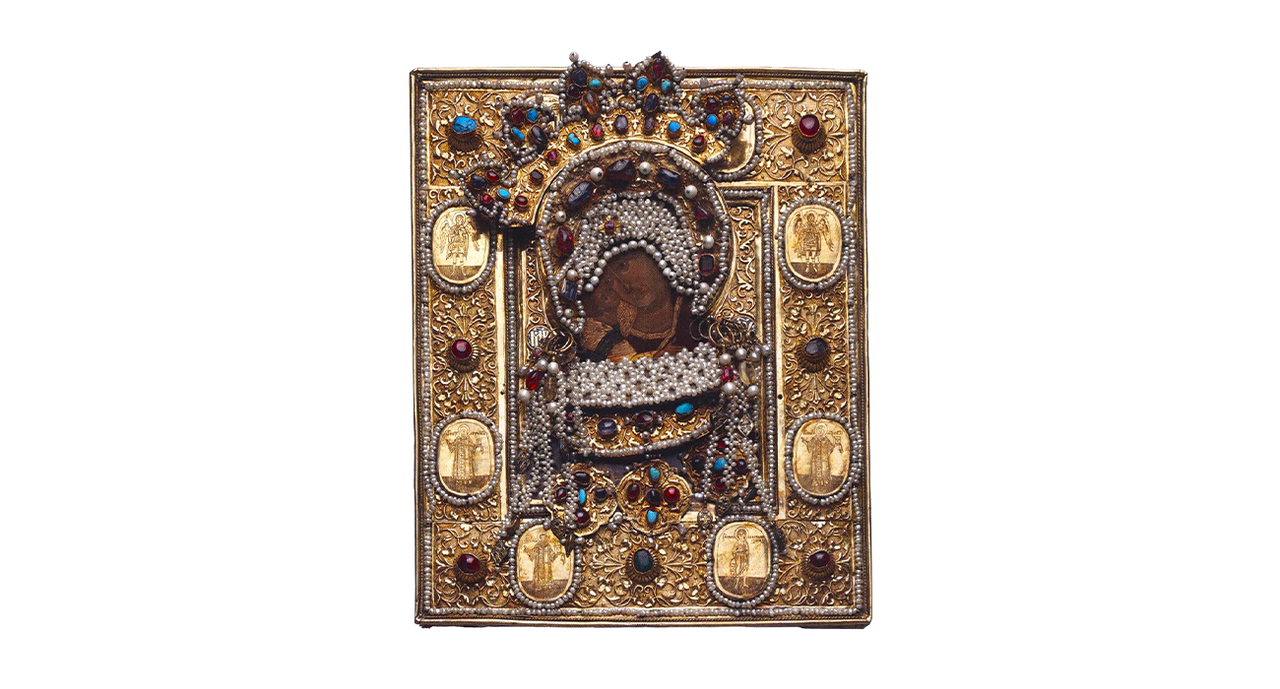
Visitors to the Armory Chamber are greeted by an entire hall dedicated to goldsmiths. In deeply religious medieval Russia (before the Peter the Great reforms), their work was mainly devoted to precious church attributes: crosses encrusted with gemstones, sacred books, church utensils and reliquaries for saints' relics, as well as icons in luxurious rizas. One of the main treasures of the Russian Orthodox Church is the ‘Our Lady of Vladimir’ icon in its rich 16th-century frame.
2. ‘Moscow Kremlin’ Faberge egg, 1906
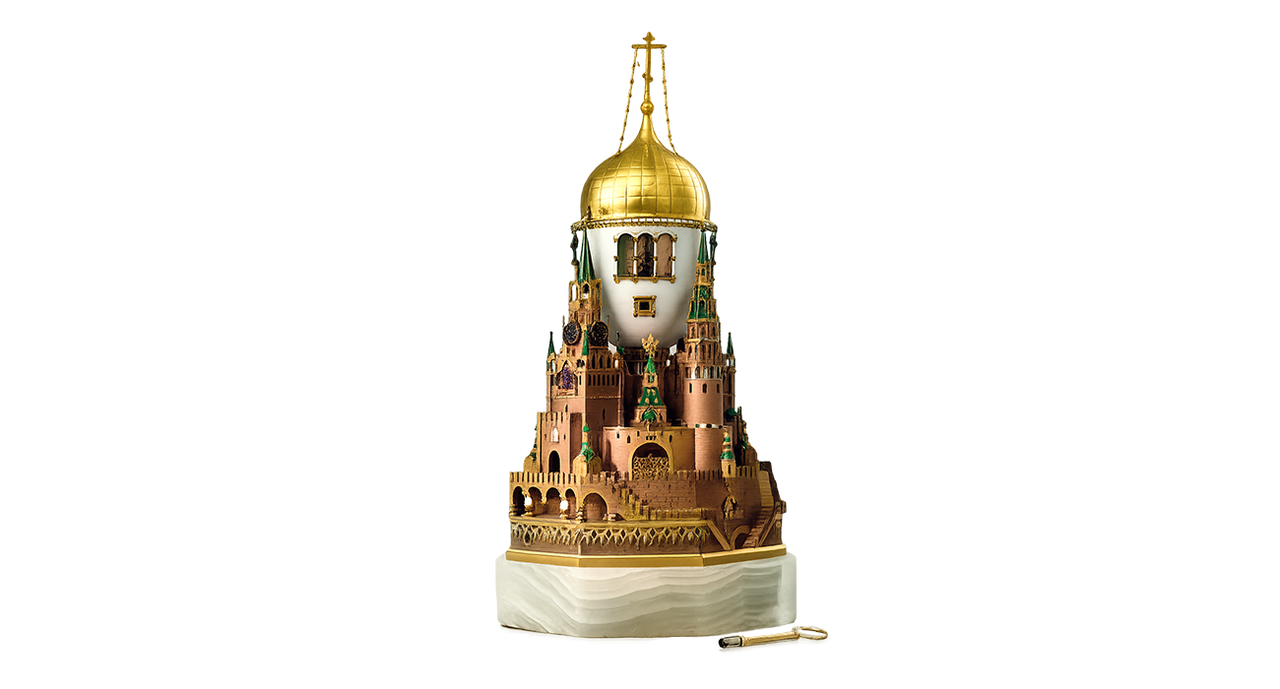
The Armory Chamber holds the majority of the famous Easter eggs, created by court jeweler Carl Fabergé. There are 10 of them on display. The ‘Fabergé’ firm crafted such a gift for the imperial family every year. This egg, the largest of all, was made in memory of Nicholas II's visit to Moscow. The egg itself references the Dormition Cathedral of the Moscow Kremlin, and the outline of the stand evokes the Kremlin walls.
Find out about other ‘Fabergé’ eggs in the collection of the Moscow Kremlin Museums here.
3. The coronation dress of Empress Alexandra Fyodorovna (1896)
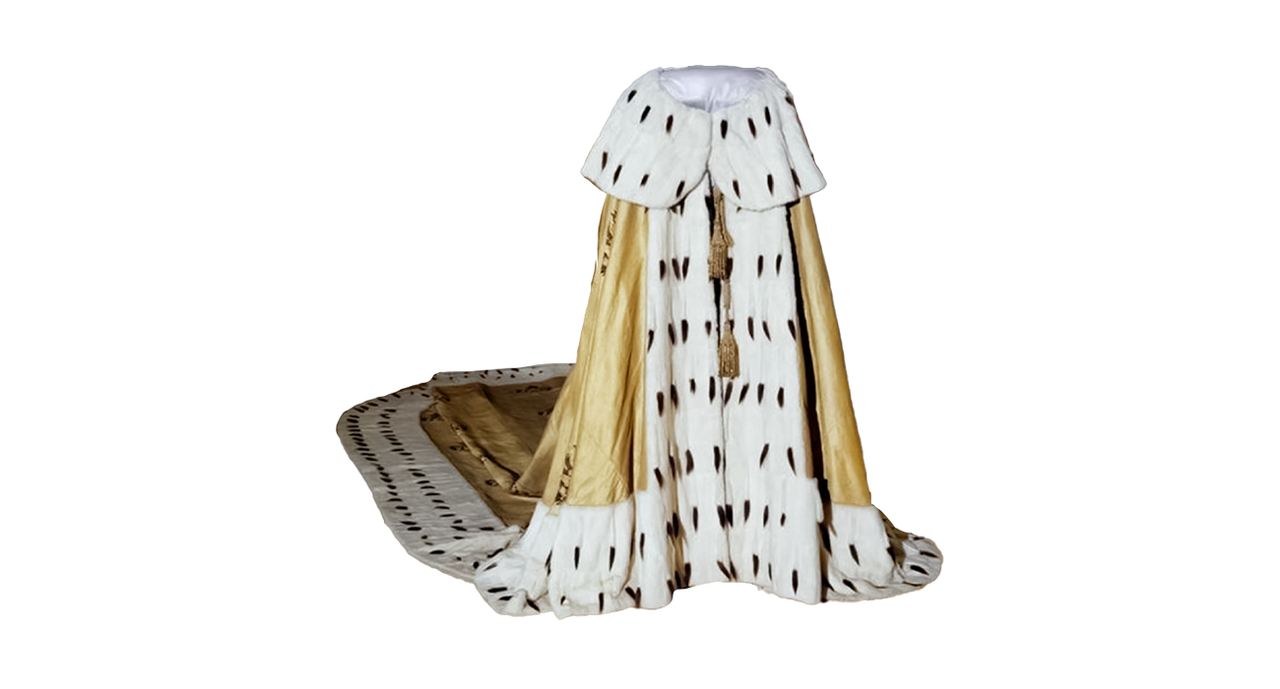
One of the most spectacular sections features luxurious secular dress from the 18th to early 20th centuries. This includes ceremonial caftans, royal dresses and, of course, coronation attire. For example, this mantle was used during the coronation of Alexandra Feodorovna, the last Russian empress.
4. Monomakh Cap, 14th century
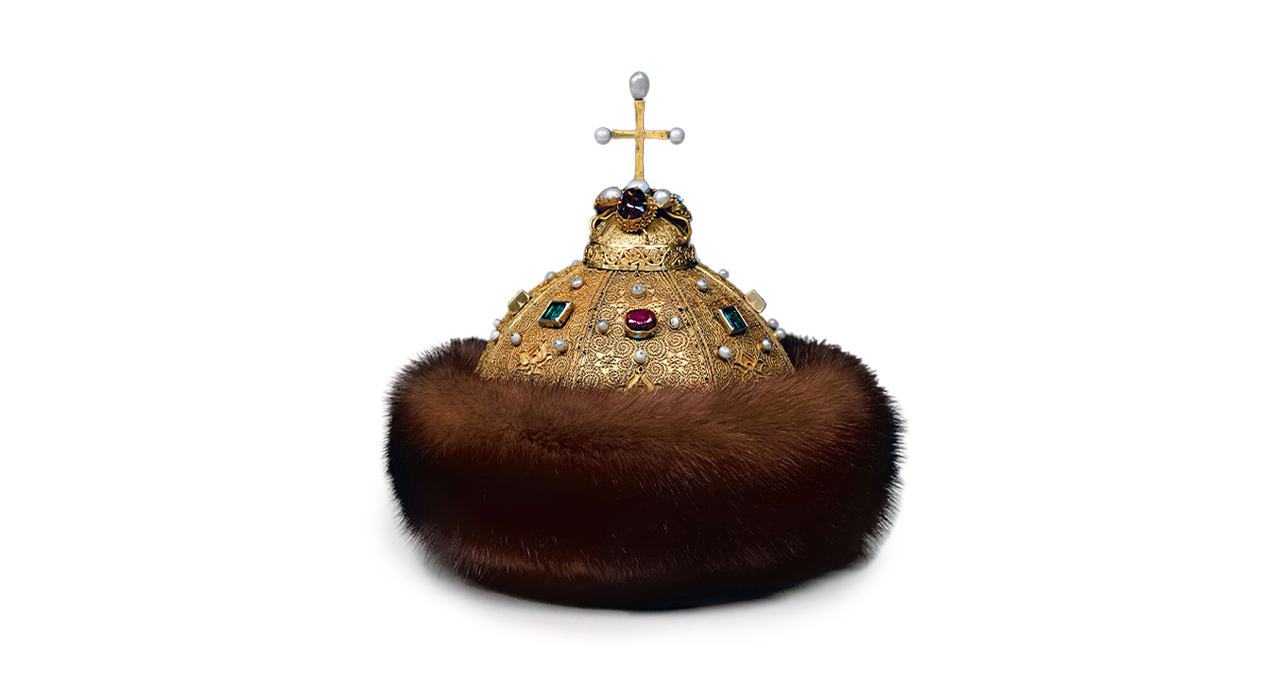
Among all the coronation regalia in the collection, this is the most important exhibit. The famous Monomakh's Cap was used to crown all the tsars in the 16th and 17th centuries. This headpiece, adorned with gold and precious stones, was crafted by masters of the Golden Horde (although legend has it that it was a gift from the Byzantine emperor to Vladimir Monomakh) and it was later trimmed with fur in Moscow.
5. Double Throne, late 17th century
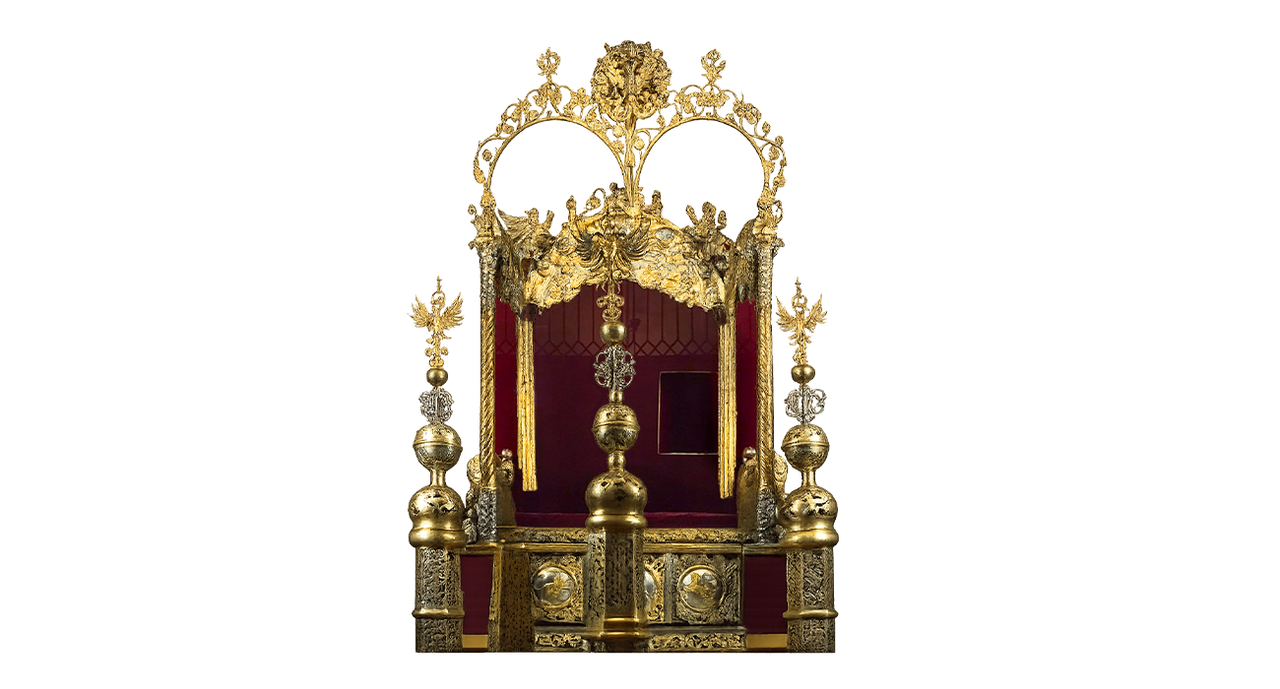
The Armory Chamber's collection of thrones includes a wide variety of exhibits, from luxurious imperial throne chairs made of precious metals and stones to elegant thrones carved from ivory. But, there is also a completely unique item, the double throne. In 1682, for the first time in history, two underage tsars were crowned simultaneously: both sons of Alexei Mikhailovich, Ivan Alekseevich and Peter Alekseevich (the future Peter the Great). This throne was made especially for them and their (quite short) double reign.
6. Imperial Carriage, 1746
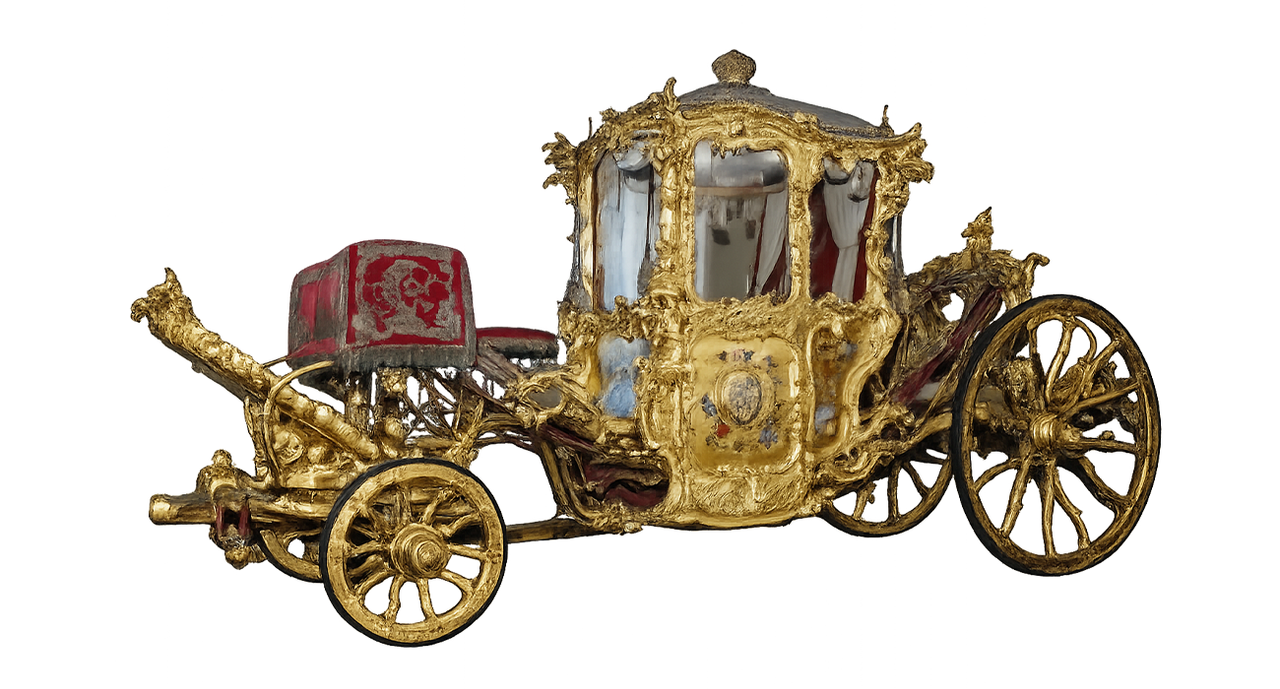
A large hall of the Armory Chamber is dedicated to carriages. Among the exhibits are small, playful wagons and large, gilded imperial carriages. For example, this luxurious 18th-century carriage belonged to Empress Elizaveta Petrovna. It also took part in coronation processions and the new monarch ceremoniously entered the Kremlin in it.
7. Russian Voivode in ceremonial armor, 17th century
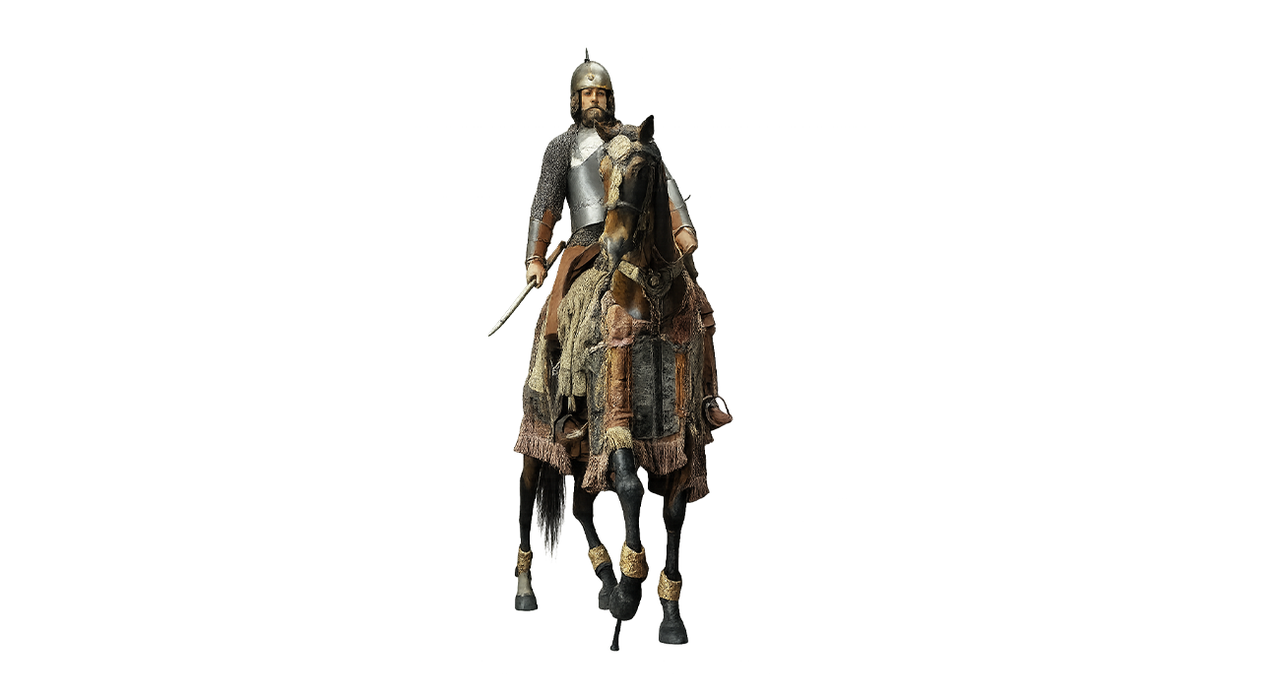
The collection also includes ancient helmets and armor, as well as weaponry, including edged weapons, pistols and rifles, made by both Russian and foreign masters. There are also examples of full gear, for instance, the ceremonial armor of a ‘voivode’ (military commander).
8. Helmet (‘Jericho Cap’), 1621
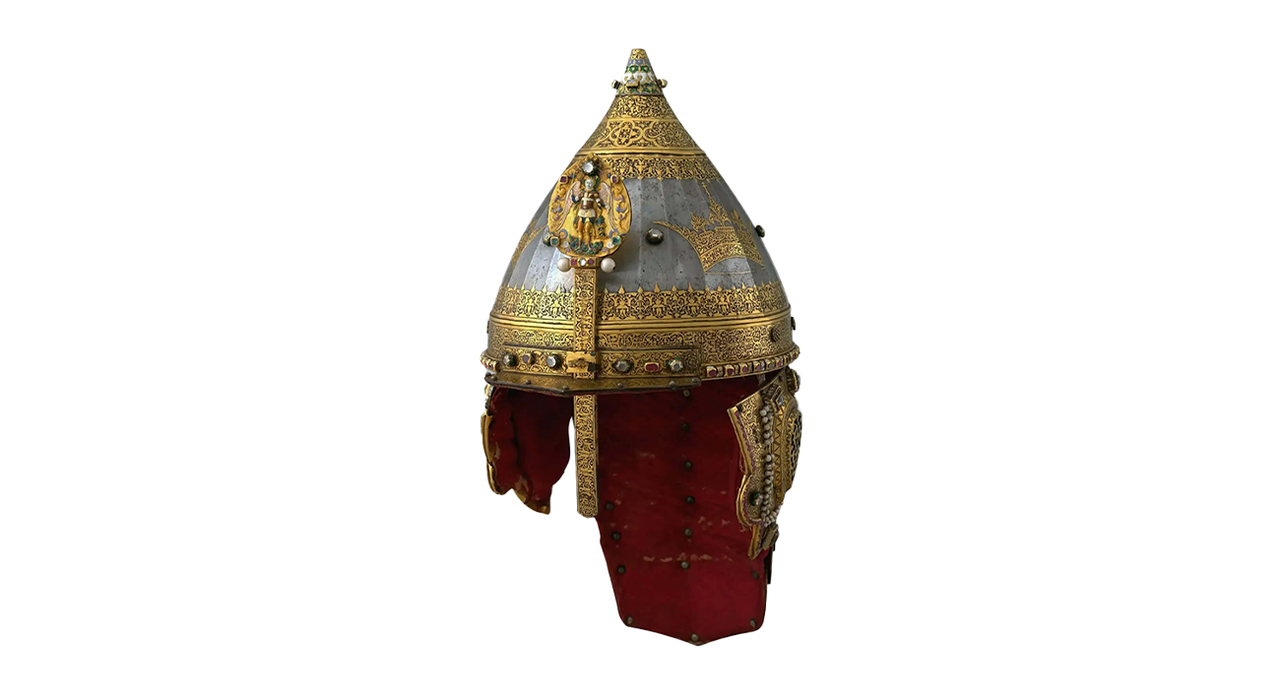
This helmet was made by Kremlin arms master Nikita Davydov in the early 17th century for Tsar Mikhail Fedorovich, the first of the Romanovs. However, in the 19th century, a legend arose that the cap had belonged to Prince Alexander Nevsky himself. An image of this helmet even appeared on the Great State Emblem of the Russian Empire.
9. Ship-Shaped Cup, 17th century
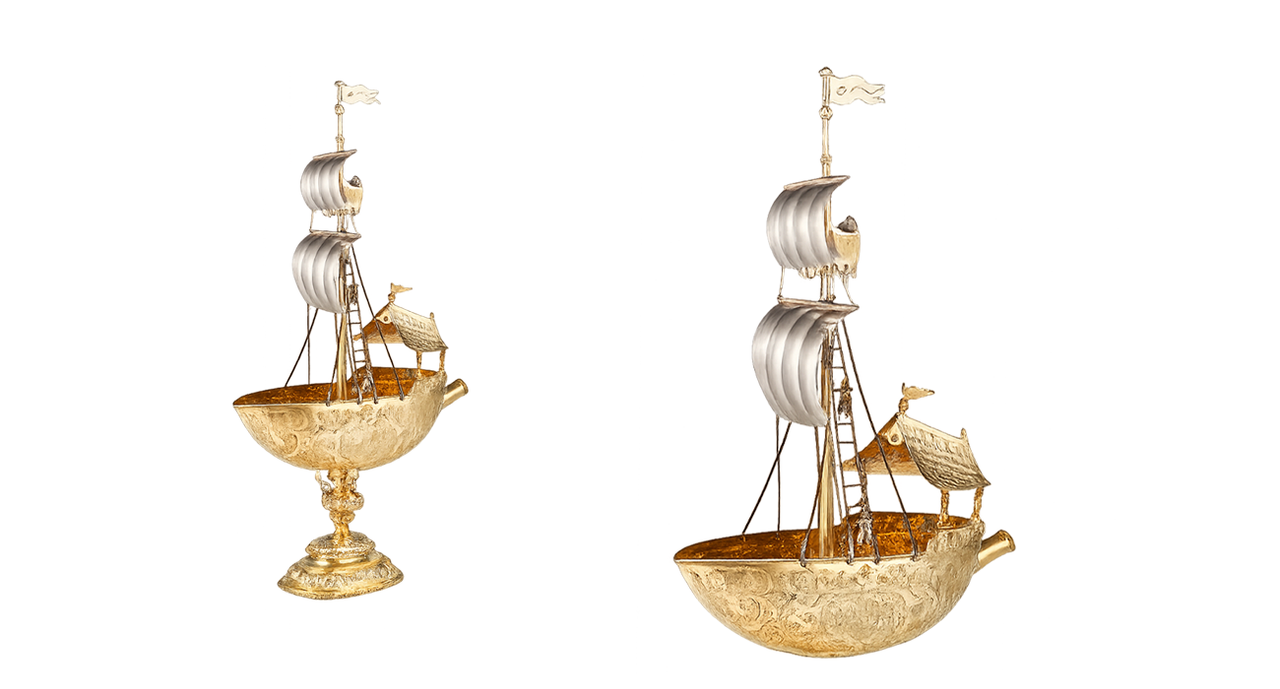
A significant part of the collection consists of ambassadorial gifts and other precious cups gifted to the Russian tsars. For example, this ship-shaped cup was presented to Tsar Alexei Mikhailovich by boyar Vasily Streshnev in 1648. This masterpiece of decorative art was most likely made by German smiths.
10. The Olympic service, 1804–1807
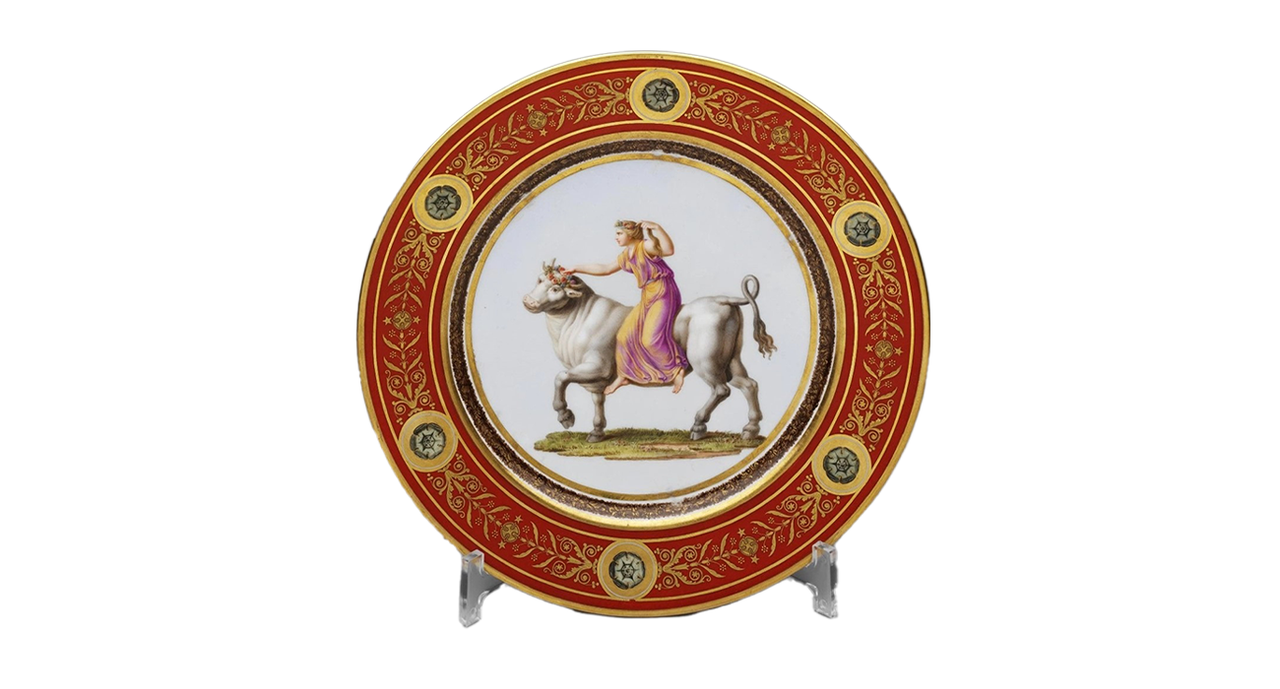
This porcelain masterpiece is displayed among the pieces of Western European art. The set of plates and dishes was manufactured at the Sèvres Porcelain Manufactory in France by order of Napoleon Bonaparte himself. Originally intended as a gift for his brother Jérôme's wedding, Bonaparte later presented the service to Emperor Alexander I to commemorate the Treaty of Tilsit. The pieces are decorated with scenes from classical mythology.