
10 Russian products with a history spanning more than 100 years (PHOTOS)
And you can still buy them in Russian stores today.
1. Tambov Ham
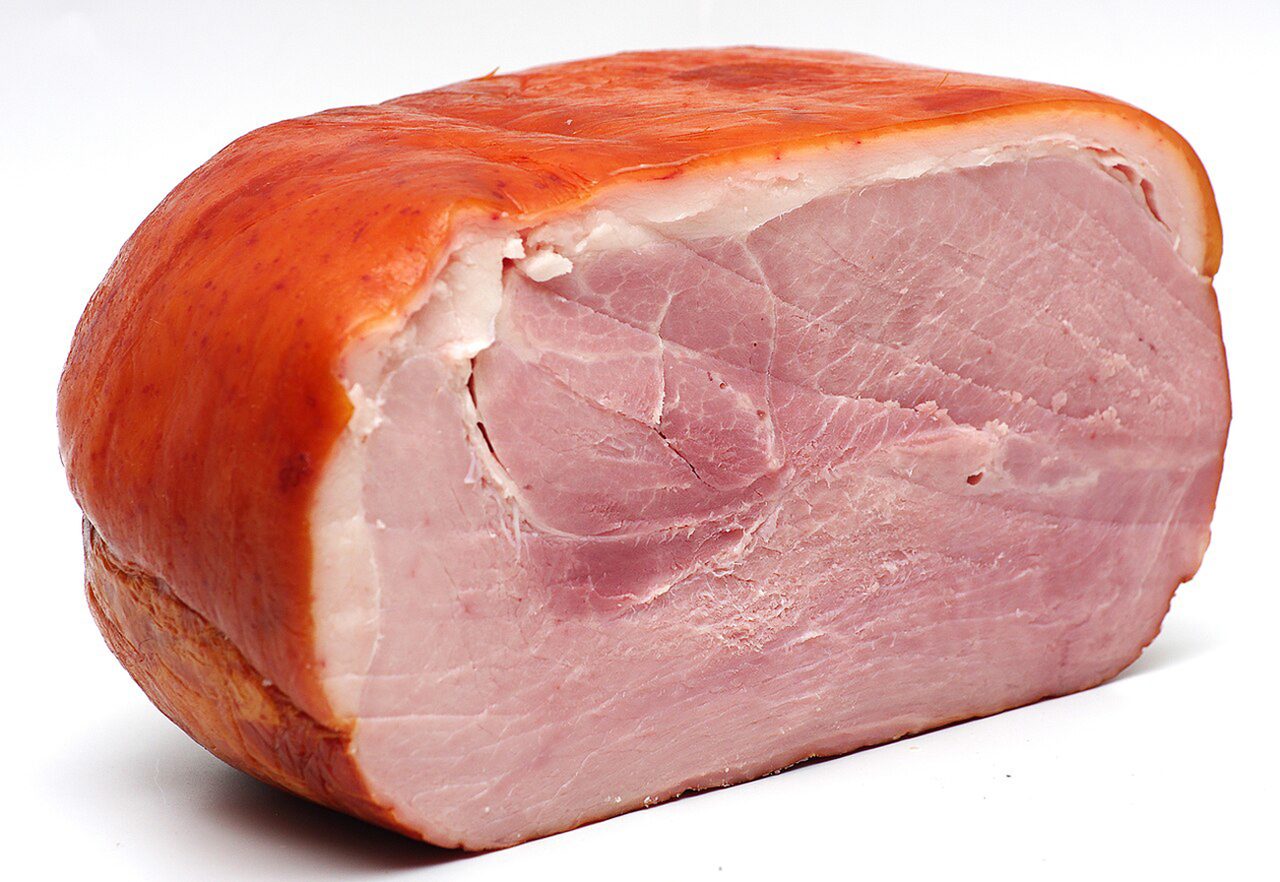
The recipe was invented in the late 19th century by a Tambov merchant named Mokrousov. The pork leg is first rubbed with salt and studded with garlic, then soaked in a spiced brine under a press for up to two days. Afterward, the meat is boiled at 80–85°C until the internal temperature reaches 71°C. Alder wood chips are used for smoking. In 1884, an order for 80 hams was placed for the Imperial Court in time for Easter. During the Soviet era, the production method was standardized.
2. Kostroma Cheese
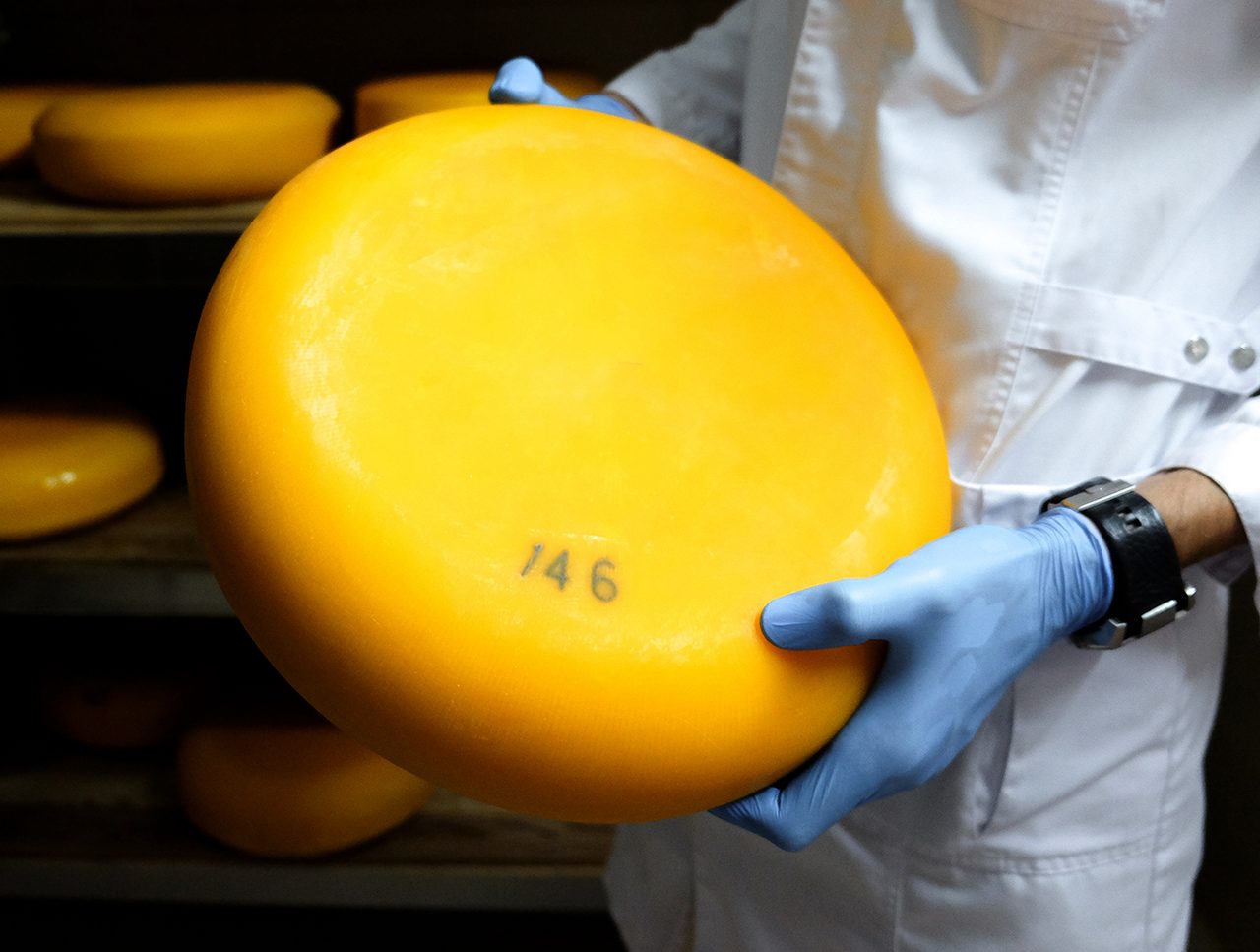
This cheese first appeared in the second half of the 19th century. In 1878, a merchant named Vladimir Blandov opened the first cheese factory in the village of Andreyevskoye, in the Kostroma district. Kostroma cheese is made from pasteurized cow's milk with the addition of rennet and a lactic acid starter culture. After cooking, the curd mass is pressed, salted and stored in a special cellar to age for at least 45 days.
3. Vologda Butter
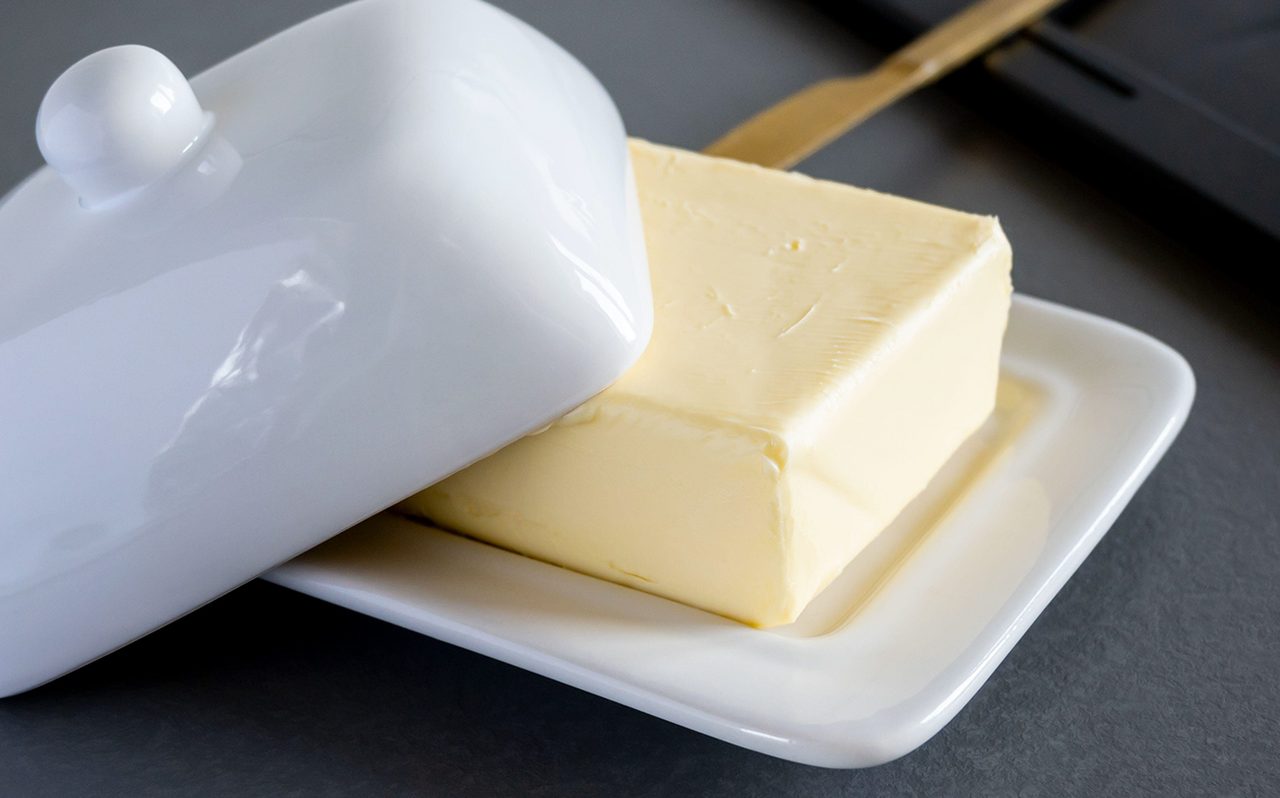
Invented in 1870–1871 by Nikolai Vereshchagin, the older brother of the famous battle painter. Inspired by Normandy butter at the Paris Exhibition, Vereshchagin proposed making butter from cream heated to a high temperature (80–85°C). The first butter factory opened in 1871 in the village of Marfino, in the Vologda province. Vologda butter is distinguished by its characteristic nutty flavor.
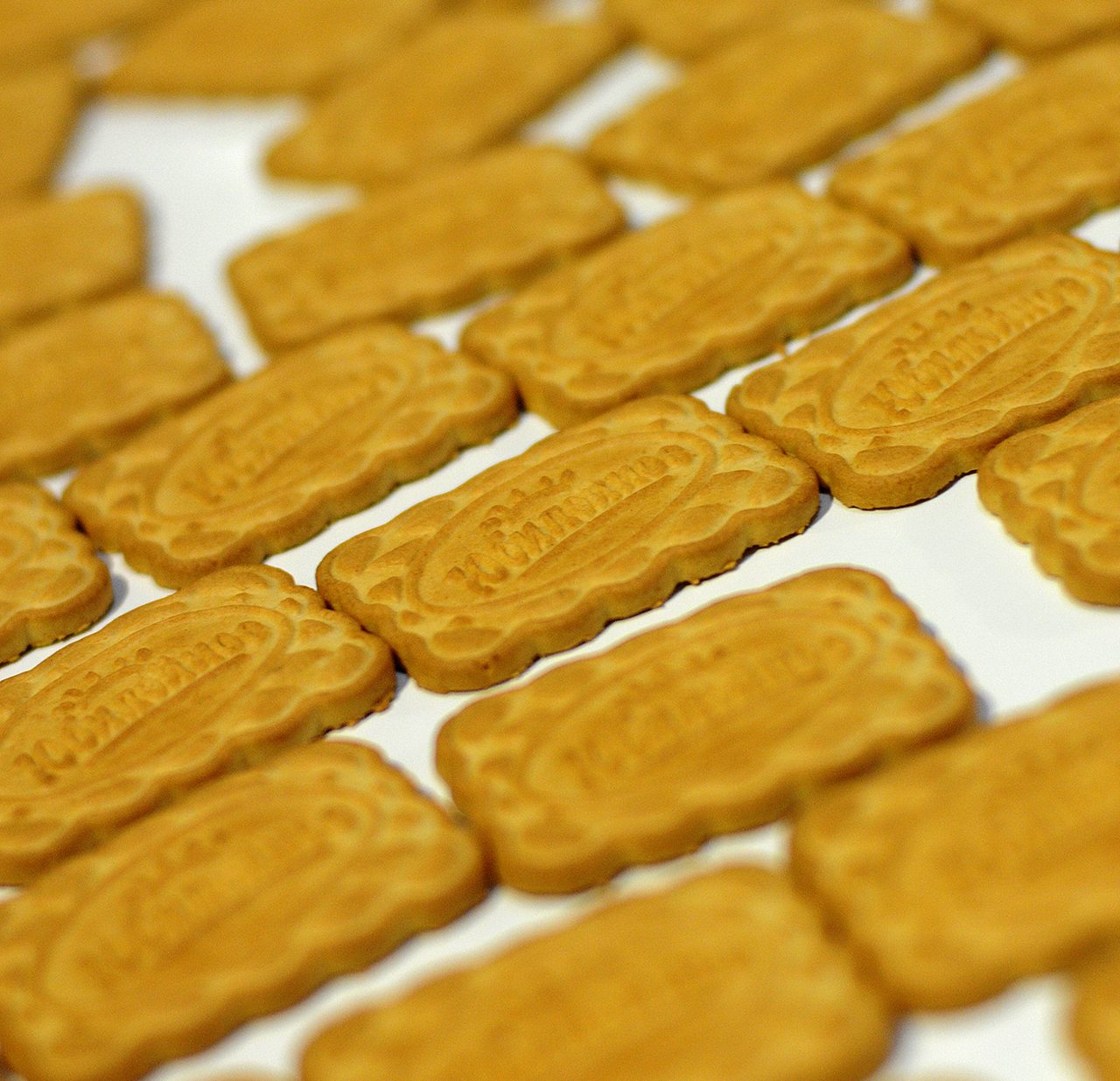
4. ‘Yubileynoe’ Cookies
These were first baked in 1913 at the ‘S. Siou & Co.’ confectionery factory (now the ‘Bolshevik’ factory) to mark the 300th anniversary of the Romanov dynasty. In 1967, they experienced a "rebirth" as Soviet cookies to mark the anniversary of the October Revolution. To make these cookies, a shortcrust dough is prepared using flour, powdered sugar, butter, milk, eggs and molasses (or honey). The dough is then rolled into a thin sheet, cut into rectangles or shapes and baked at a high temperature (around 220–250°C) for just 5–7 minutes until golden brown.
5. Belev Pastila
In 1888, an industrialist and merchant named Amvrosiy Prokhorov developed his own recipe for pastila based on traditional folk methods and recipes. It was produced in the town of Belev, in the Tula Governorate, using ‘Antonovka’ apples. It contains only three natural ingredients: baked ‘Antonovka’ apples, sugar and egg white. You can also find a sugar-free version.
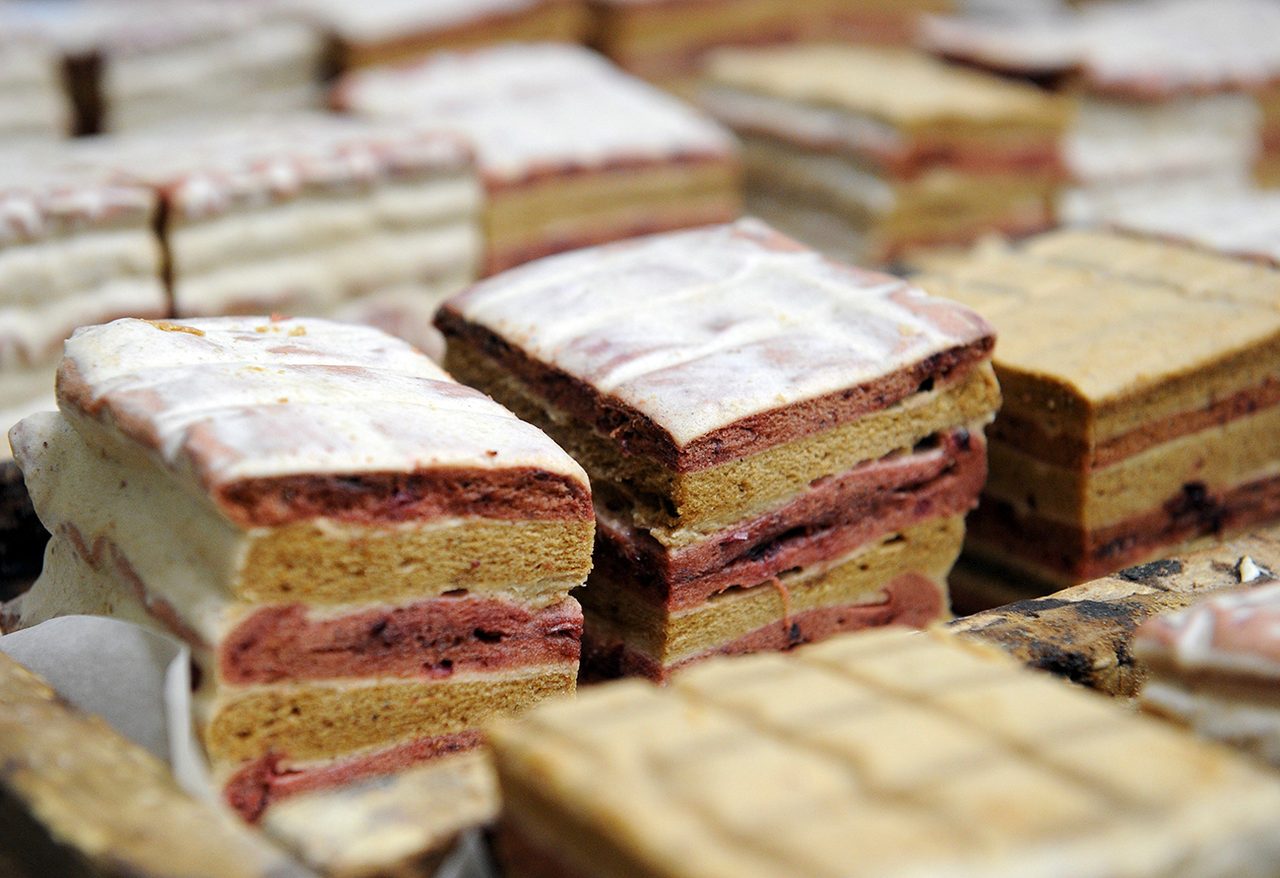
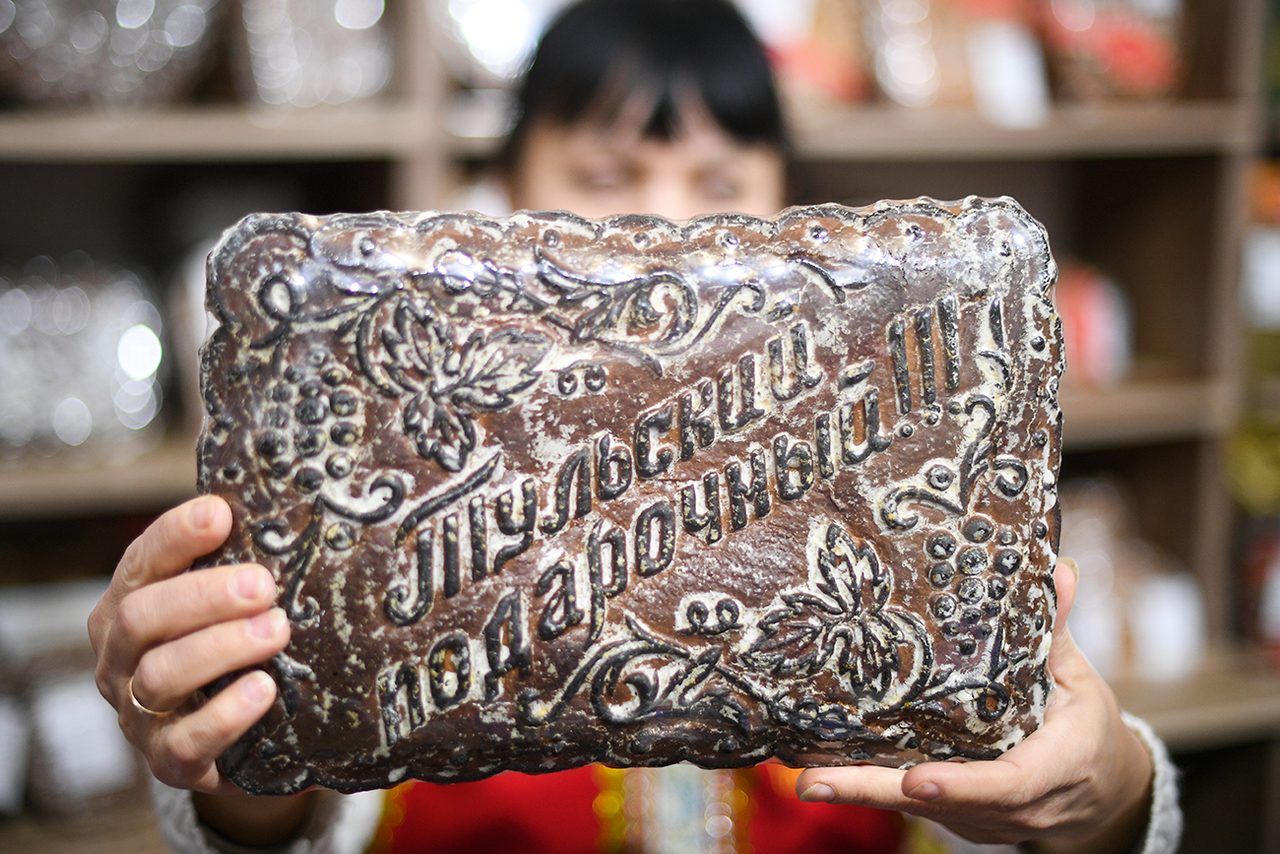
6. Tula Gingerbread
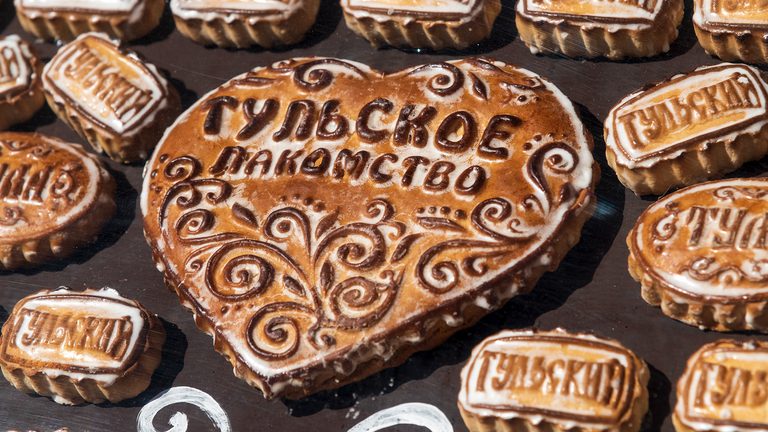
The first written mention of this type of gingerbread dates back to 1685. In Tula, the gingerbread-making process was perfected, turning it into an art form. The most famous gingerbread maker was a merchant named Vasily Grechikhin. This gingerbread is made from a choux pastry (prepared by mixing hot ingredients) mixed with honey, sugar, butter, eggs, flour and spices (cinnamon, ginger and cloves). The dough is then rolled out, filled with a filling (fruit jam or condensed milk), shaped into a gingerbread cookie, brushed with egg white and baked in an oven until a golden-brown crust forms.
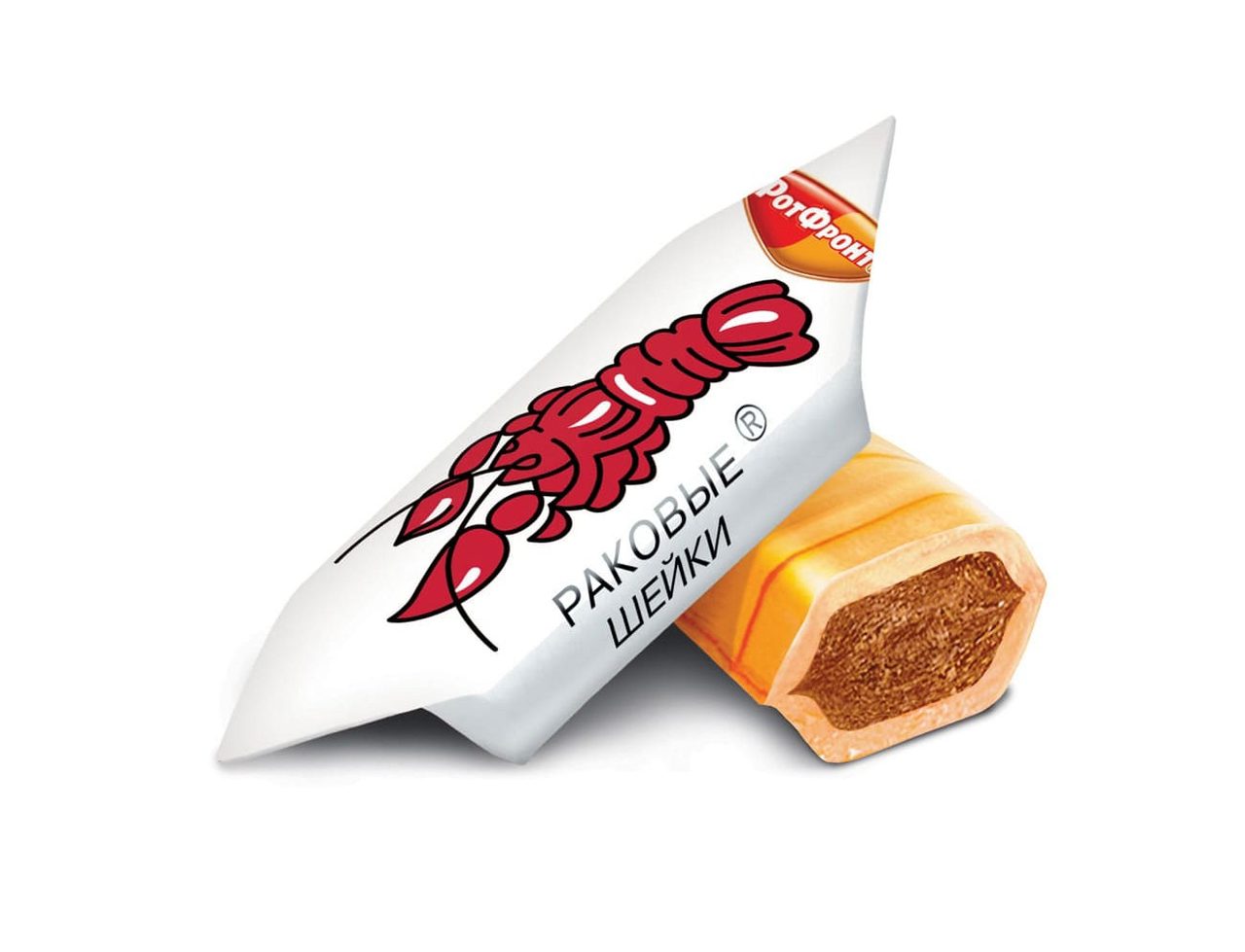
7. ‘Crayfish Necks’ (‘Rakovye Sheyki’) Hard Candy
Invented in the late 19th century by famous Russian confectioner Alexei Abrikosov. The candy’s shape, featuring transverse ridges, mimics the appearance of a peeled, boiled crayfish tail. ‘Crayfish Necks’ are made from sugar, molasses and vanilla, with potato starch syrup added for transparency. The caramel mass is then repeatedly folded and layered with a nut-and-cream filling, then shaped into a loaf and cut into individual candies. After the 1917 Bolshevik Revolution, the Abrikosov factory was nationalized and renamed ‘Babayev’.
8. Chocolate Bunnies & Father Frosts
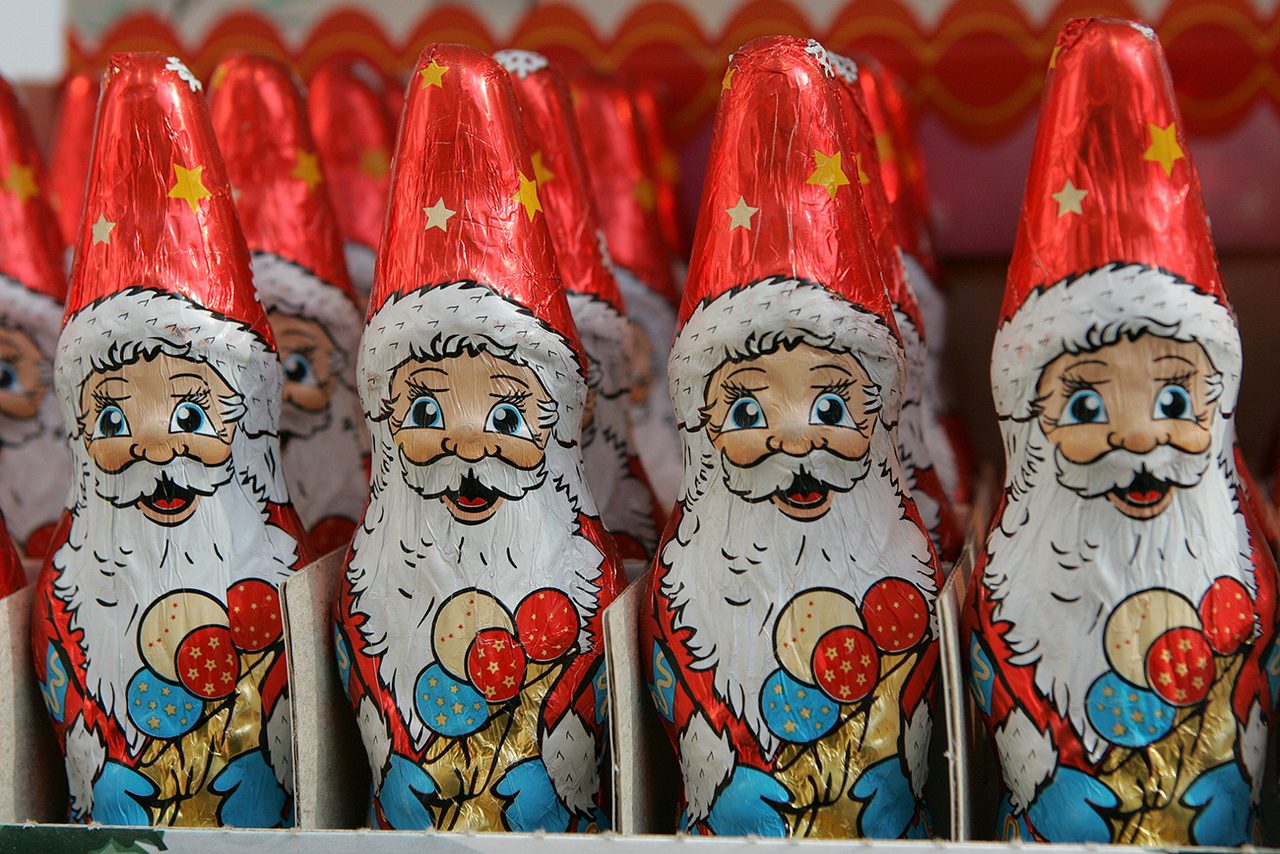
These were also created by Abrikosov. They were Russia’s first chocolate figurines wrapped in bright foil and became popular New Year’s Eve gifts. They were made from a chocolate mass based on cocoa products, sugar and cocoa butter; powdered milk was added for the milk chocolate versions. After the Revolution, the factory became the ‘Babayevsky’ Confectionery Combine.
9. ‘Golden Label’ (‘Zolotoy Yarlyk’) Cocoa Powder
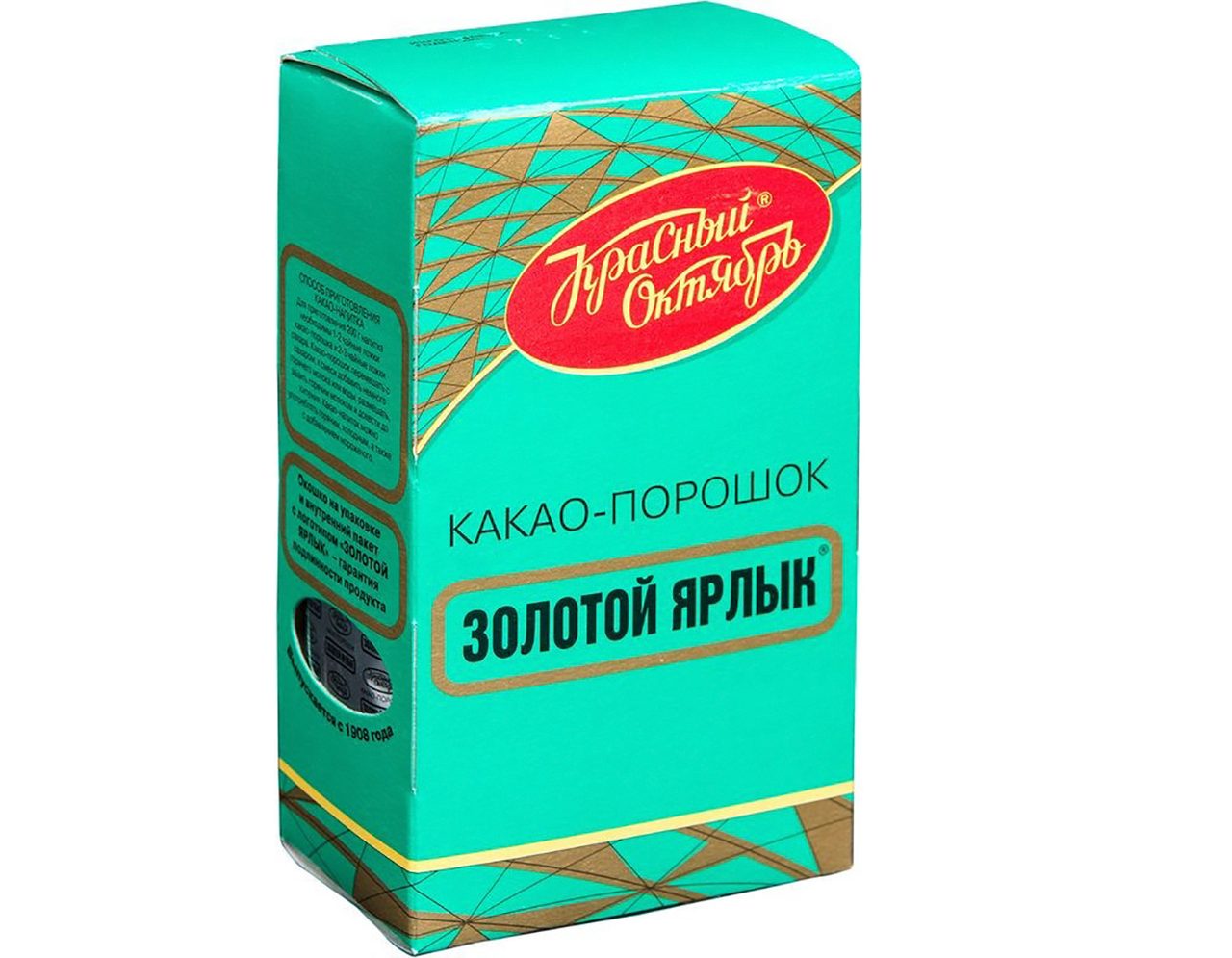
Created in 1908 at Moscow’s ‘Einem Partnership’ (now ‘Red October’) factory. It was initially released as a high-quality dessert chocolate for connoisseurs. Later, it evolved into a natural cocoa powder made from the finest varieties cocoa beans with added vanilla flavoring.
10. ‘Clumsy-pawed Bear’ (‘Mishka Kosolapyi’) Candies
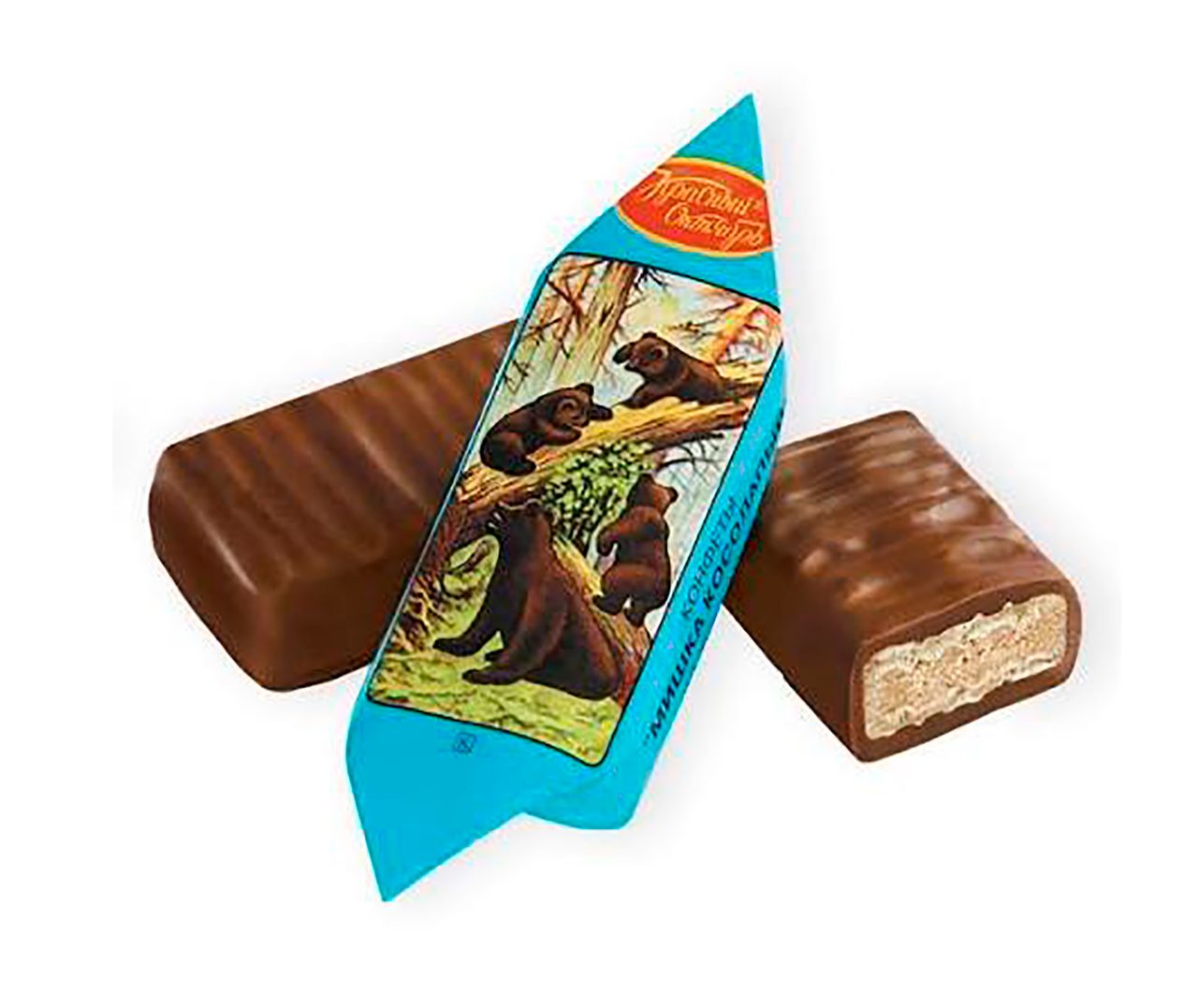
The oldest surviving wrapper for this candy dates back to 1913. The wrapper features Ivan Shishkin’s painting ‘Morning in a Pine Forest’. This candy was also produced by the ‘Einem Partnership’ factory; it consisted of a ground-almond praline filling sandwiched between wafer layers and coated in chocolate glaze.