How the ‘Small Road of Life’ helped Leningrad survive during World War II
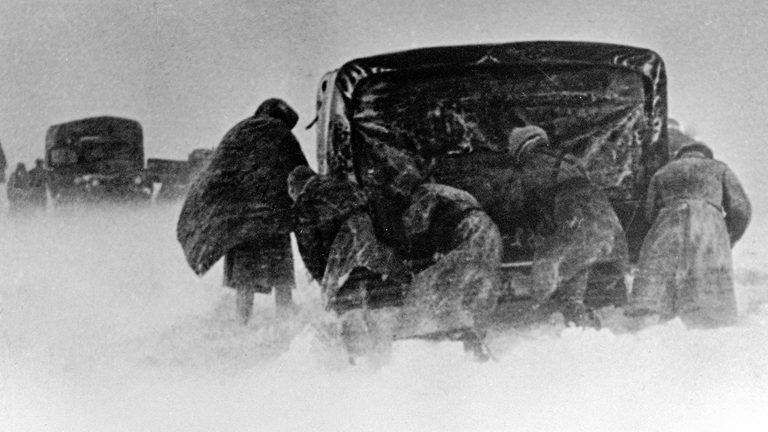
For dozens of kilometers, trucks drove in total darkness without headlights – practically blind – cautiously following a group of scouts leading the way…
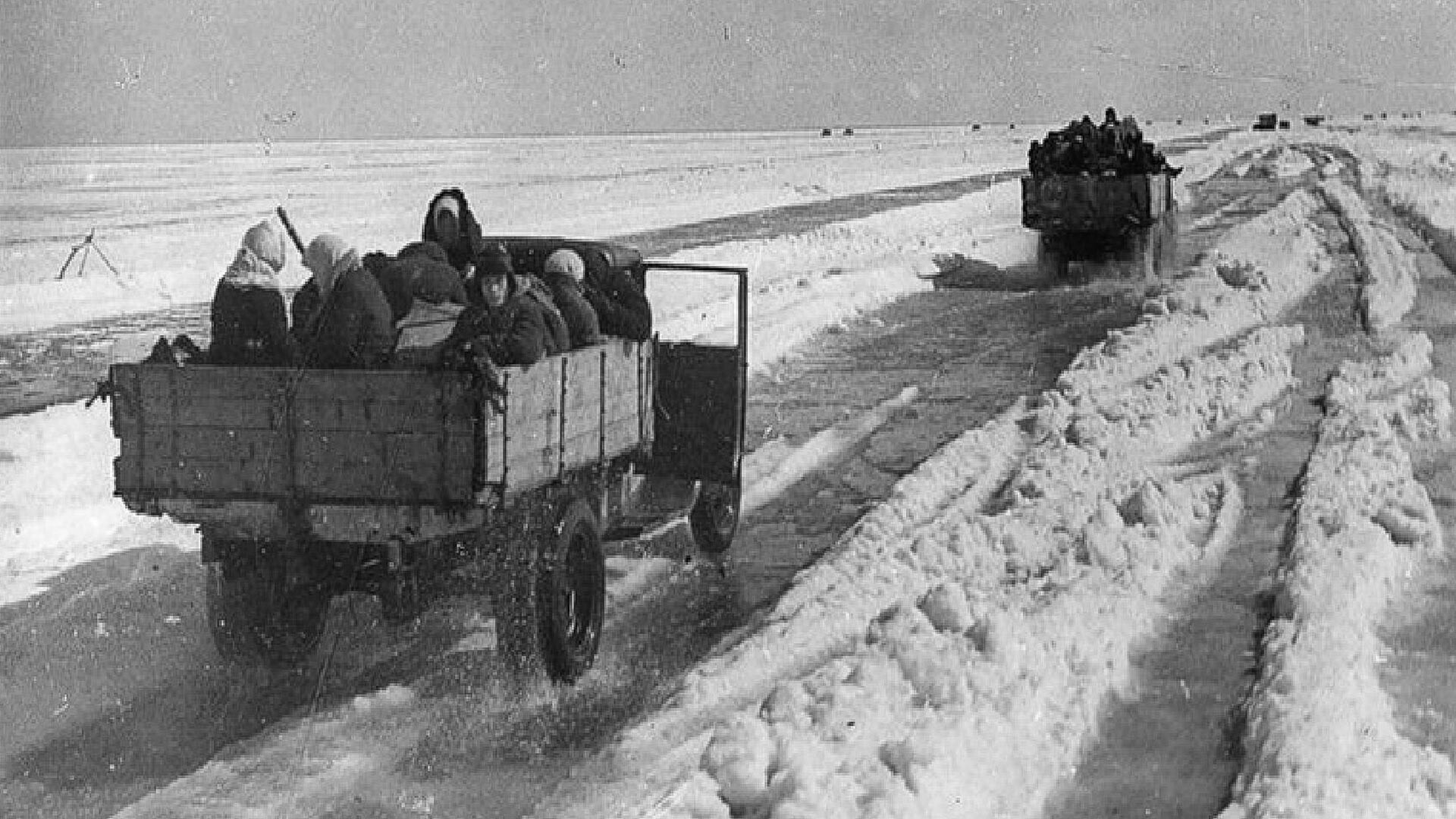
Many are familiar with the ‘Road of Life’ across Lake Ladoga – the only lifeline connecting Nazi-encircled Leningrad (now St. Petersburg) to the rest of the Soviet Union. It was along this route that the starving city received food supplies and evacuated its residents to the “mainland”. Less well-known is the ‘Small Road of Life’ – a network of routes connecting the metropolis to the islands of the Gulf of Finland and the Oranienbaum Bridgehead.
The Red Army had held this bridgehead – spanning 65 km in length and 25 km in width along the Gulf's southern coast – during fierce battles in Fall 1941. Cut off from Leningrad, this sector played a crucial role in the city's defense by drawing away a portion of the forces belonging to Army Group ‘North’. It was supplied via water, just like the Kronstadt naval base on Kotlin Island and the remote Soviet outposts on the islands of Seskar and Lavensari.
When the bay froze over in late November, work began on clearing an ice route. The first convoy of vehicles set out on December 17, 1941. The distance between the bridgehead and the settlement of Lisiy Nos, near Leningrad, was 24 km – a journey the trucks completed in six hours. The route operated around the clock, though drivers tried to travel at night to avoid enemy fire. Cover for the convoys was provided by the forts of Kronstadt and the ‘bueras’ – ice-yachts on skids carrying submachine gunners – that glided across the frozen bay.
Supplying the garrisons on Seskar and Lavensari presented a unique challenge. The ‘Small Road of Life’ leading to them began at the western tip of the Oranienbaum Bridgehead and ran along the coast, which was occupied by German forces. For about 75 kilometers, trucks drove in near-total darkness with their headlights off, cautiously following a group of scouts leading the way.
Beginning in early November 1943, units of the 2nd Shock Army began to be covertly transferred to the bridgehead: 53,000 soldiers, 2,300 vehicles, 214 tanks and 700 artillery pieces and mortars. On January 14, Operation ‘January Thunder’ commenced, during which the Red Army drove the enemy back from Leningrad and completely lifted the siege of the city. It was the troops from the Oranienbaum Bridgehead who launched the offensive first. The Nazis were utterly stunned – they could not have ever imagined that the Soviets would be able to secretly deploy such a powerful strike force on that small, isolated stretch of coast.