

In this lesson, you will learn how to use the Russian verbs ‘висеть’ (to hang), ‘лежать’ (to lie), and ‘стоять’ (to stand) to describe the location of objects.
In different languages, these verbs can be used in different ways and often, their usage cannot be fully explained by logic. The important thing is not to translate word for word, but rather to learn how things are said in Russian.
1. Висеть – to hang / to be hanging
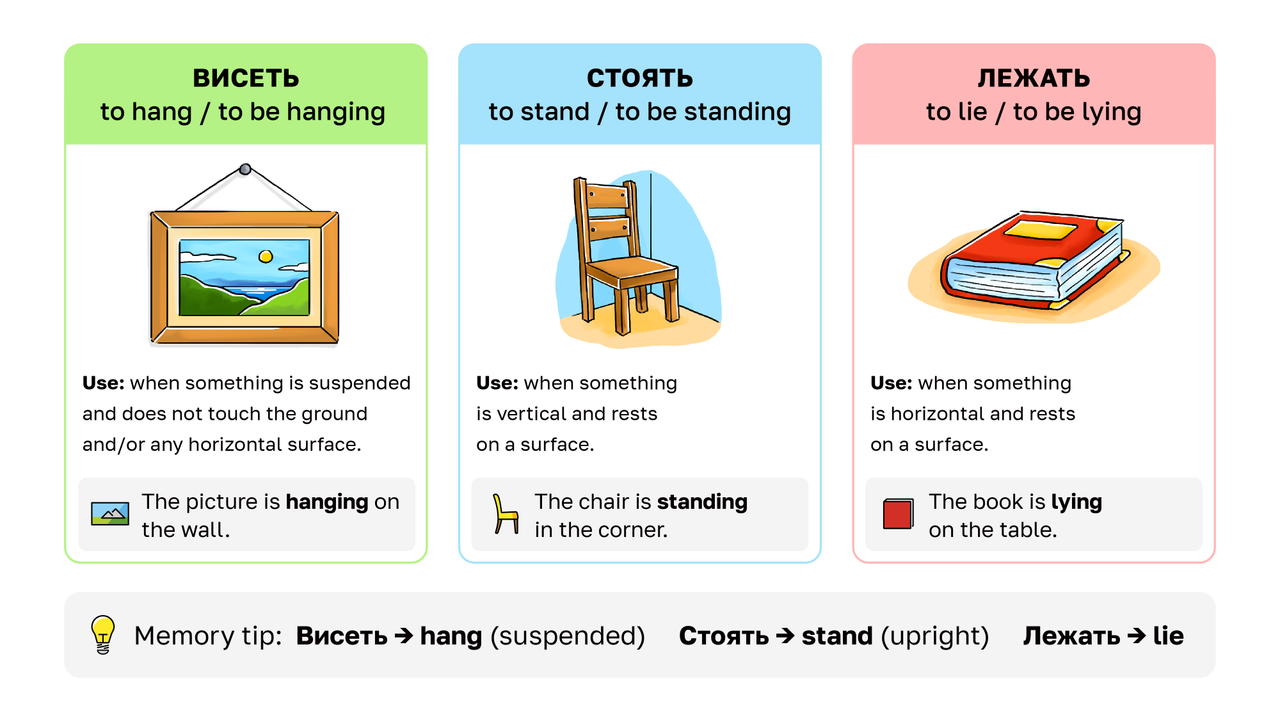
Used when something is suspended and does not touch the ground and/or any horizontal surface (hangs freely down).
1. Картина висит на стене.
The painting is hanging on the wall.
2. Пиджак висит в шкафу.
The jacket is hanging in the wardrobe.
2. Стоять – to stand / to be standing
Used when something is vertical/upright and supported from below.
1. Ваза стоит на столе.
The vase is standing on the table.
2. Стул стоит в углу.
The сhair is standing in the corner.
3. Лежать – to lie / to be lying
Used when something is horizontal and fully touches the surface.
1. Книга лежит на столе.
The book is lying on the table.
2. Футболка лежит в шкафу.
The T-shirt is lying in the wardrobe.
This graphic will help you to remember the difference between these verbs better:
Listen to the audio to hear the correct answers
Task 4: Listen to the audio & read the words in the boxes
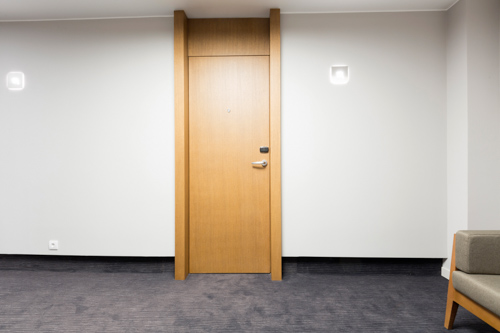
дверь |
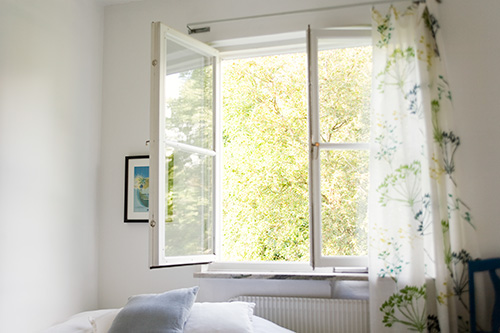
окно |
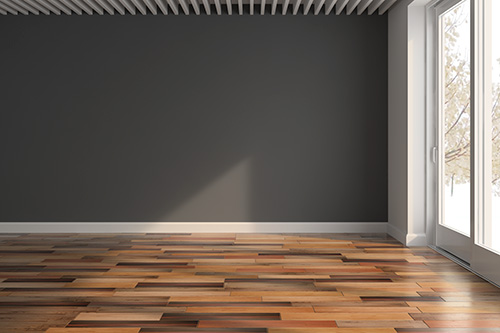
стена |
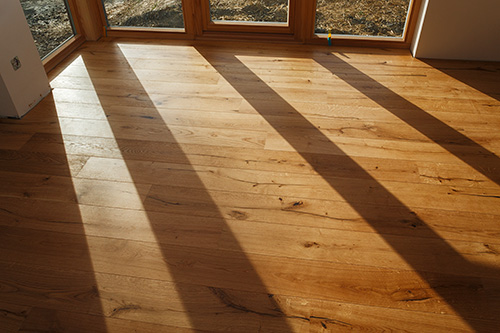
пол |
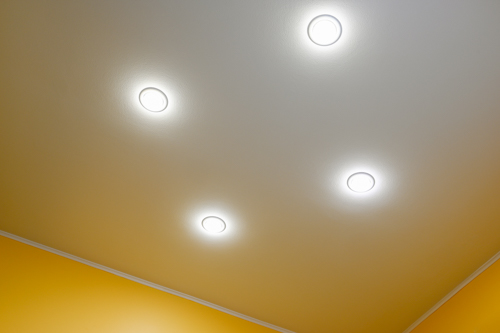
потолок |
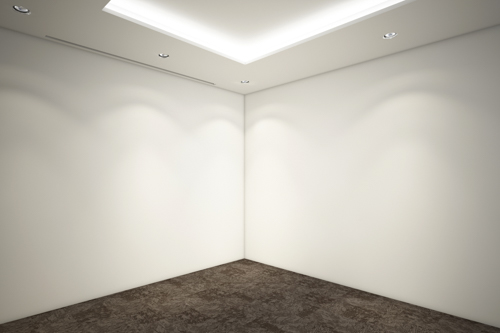
угол |
Listen to the audio to hear the correct answers
Listen to the audio to hear the correct answers
Listen to the audio to hear the correct answers
Photo credits: hxdbzxy; jozzeppe; imagestock; Leo Malsam; Jeffrey Coolidge; petrograd99; Malkovstock; Maskot; ZenShui/Sigrid Olsson; Westend61; hemul75; tampatra; Roman Arbuzov/Getty Images, Natalya Nosova