

How to replicate the ‘Slavic stare’: Decoding the social media trend

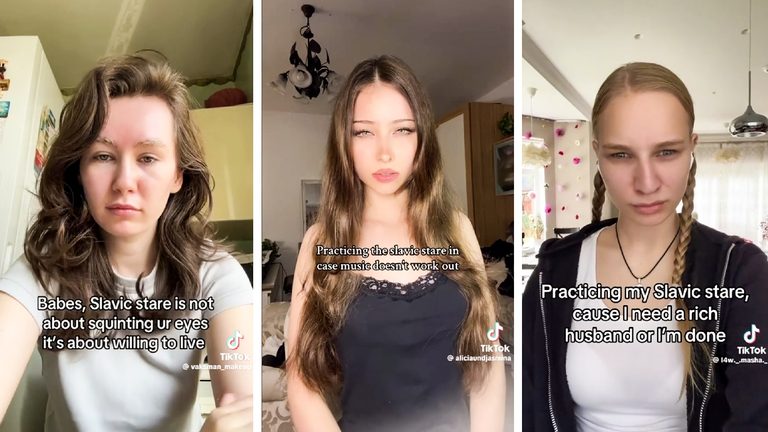
People online have found that, sometimes, a single glance is all it takes to make an impression. And not a flirtatious or friendly one, but a cool, focused and slightly detached one. This is precisely how bloggers are describing a new viral trend – the ‘Slavic stare’!
Where did the trend come from?
The so-called ‘Slavic stare’ is most often described as intense, motionless and directed slightly from under the brow.
To many foreigners, it appears stern and even intimidating, as if the person is not just looking, but assessing, analyzing and, simultaneously, keeping their distance.
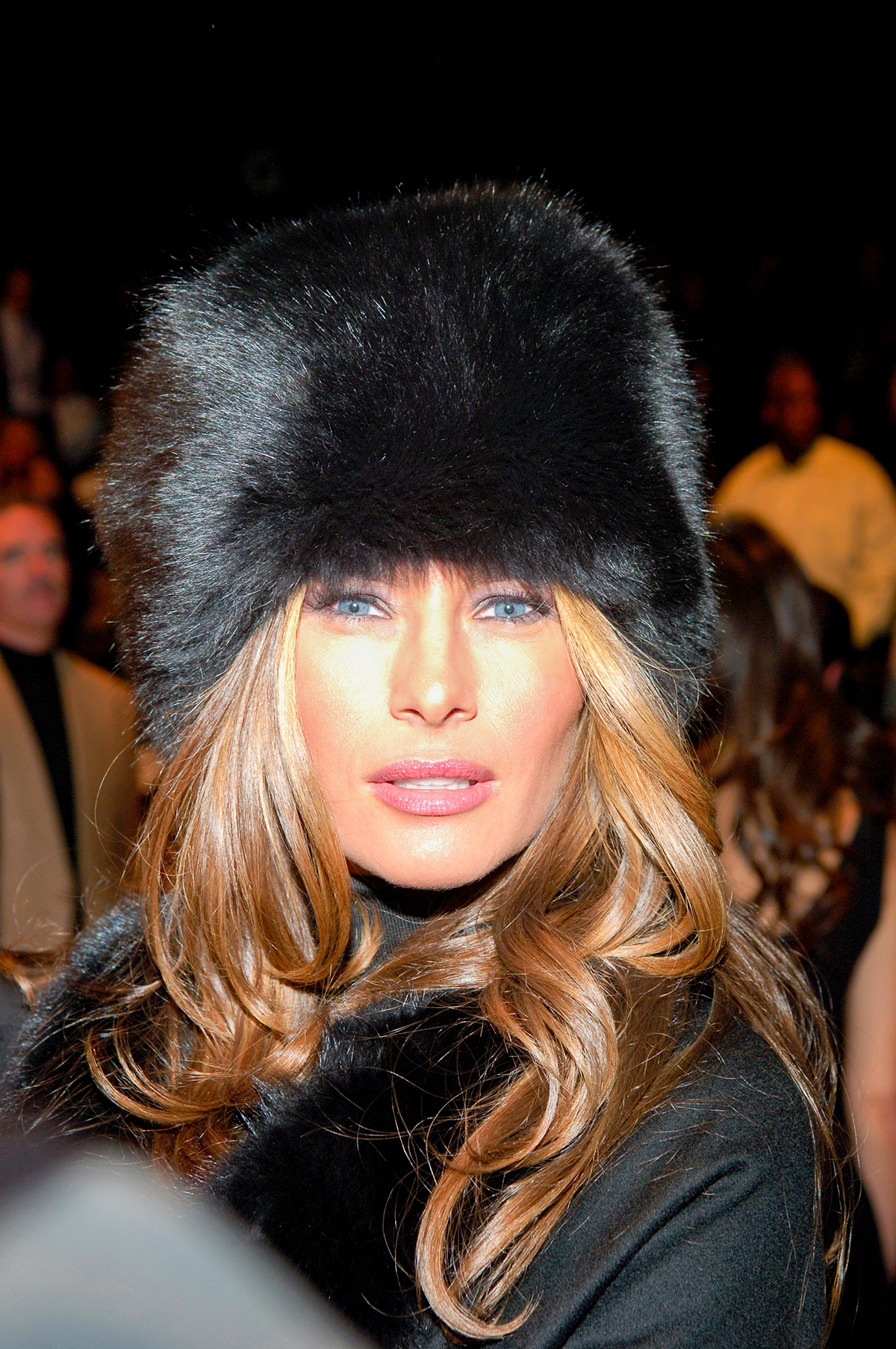
The inspiration for the trend was Melania Trump, the Slovenian-born U.S. First Lady. In many of her photographs, people saw exactly this stare: closed-off, stern, without a hint of flirtation. On social media, it was quickly associated with Eastern Europe and began to be called ‘Slavic’.

Soon, bloggers started experimenting with the look, claiming that such a stare could supposedly captivate a billionaire or create an aura of mystery and strength.
How foreigners interpret the ‘Slavic Stare’
In many viral videos, this look becomes almost theatrical. Creators squint their eyes, dramatically change their facial expressions, add flirtatiousness or exaggerated steeliness. Often, these videos are accompanied by humorous skits – for example, a dialogue with a girl from Eastern Europe who seems unable to understand a question in English: "Oh, my God! You are so beautiful. How old are you?" – "Romania," the girl replies.
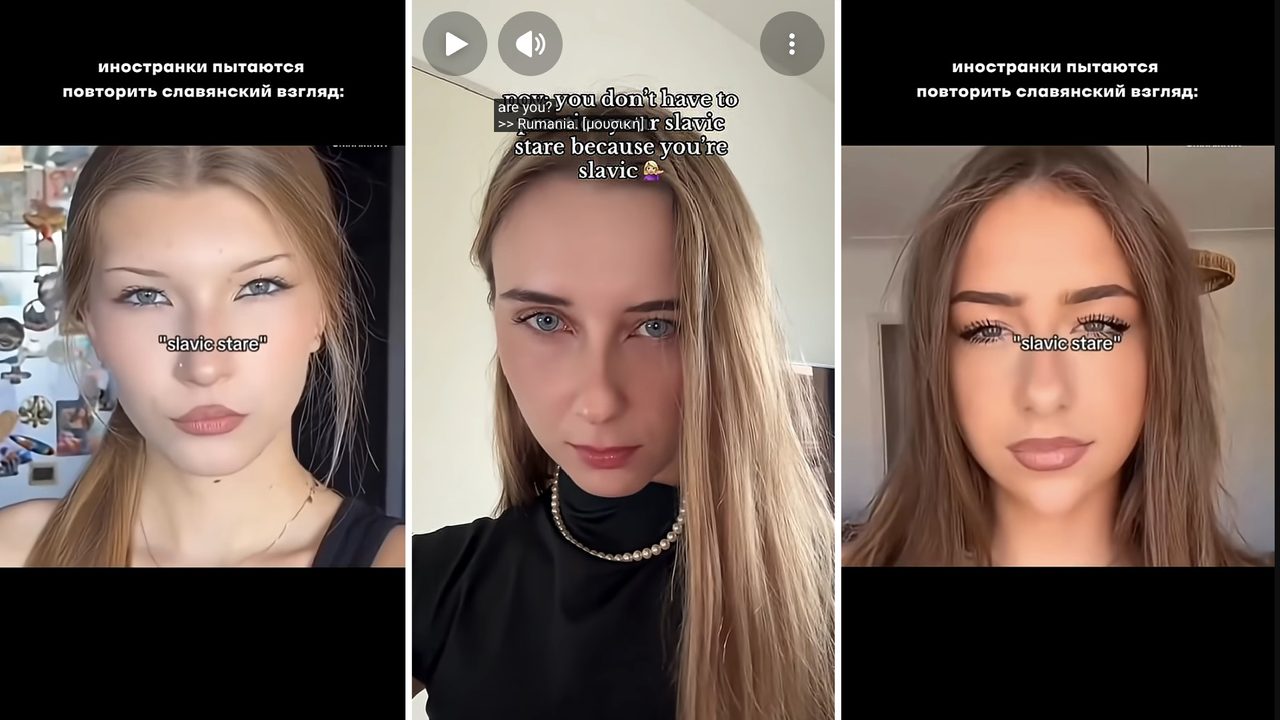
For a Western audience, this image works as an exotic blend of unattainability, severity and visual "cold beauty".
In response, Russian-speaking bloggers began showcasing their own version – the "authentic Slavic stare". In these videos, the tone changes dramatically: there is no playfulness or emotion. Because, as they explain, it's not a technique or a pose one can simply replicate; it's a state of mind.
How to replicate the ‘Slavic Stare’
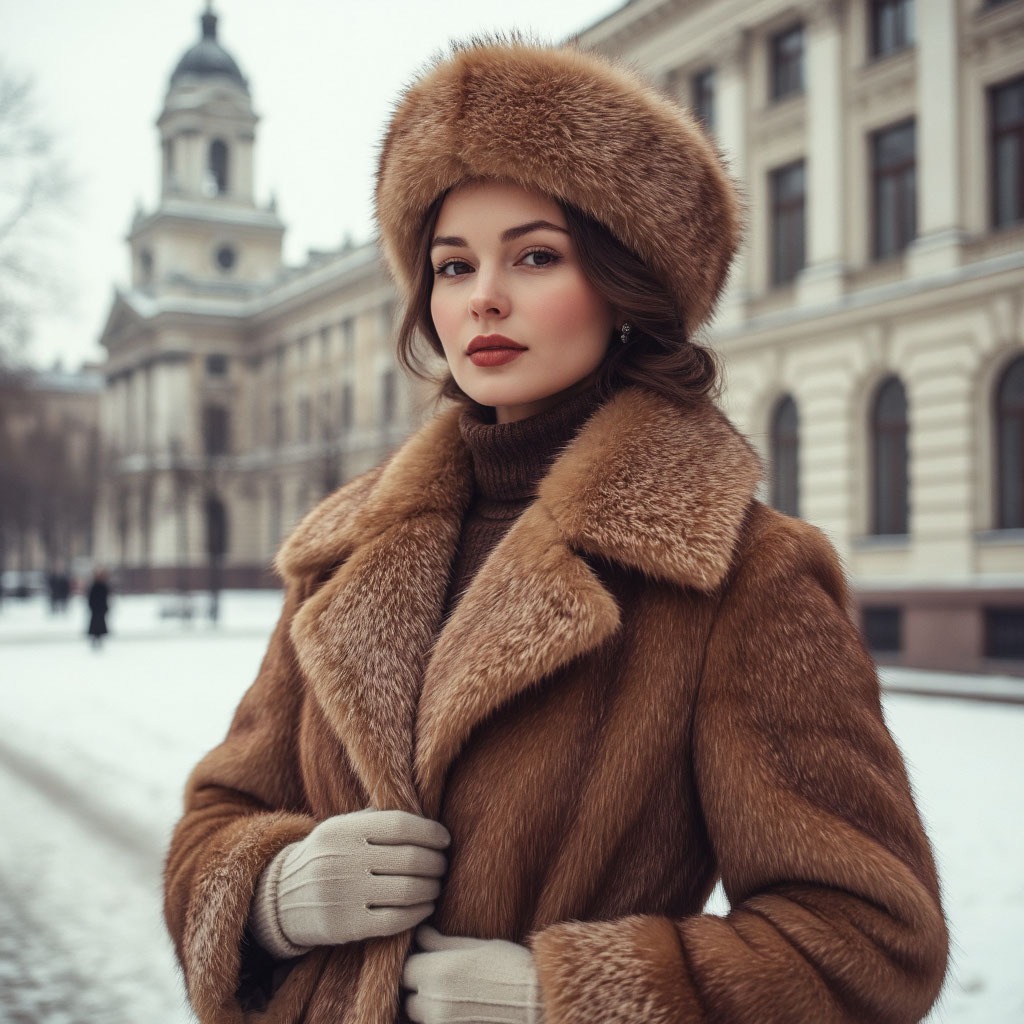
According to Russians online, foreigners make several common mistakes.
- First, unnecessary flirtation. The main rule of the ‘Slavic stare’ is no demonstrative affection. A smile without a reason is simply inappropriate for true bearers of the ‘Slavic stare’. The gaze must be serious and without any hint of sympathy.
- Second, excessive facial expressions. Many overdo it: they change their expression, grimace, play with their eyes. But, the ‘Slavic stare’ requires complete concentration: a long, calm, motionless focus on the subject.
- And third, the mystery. This stare cannot be definitively deciphered. It could express anything – weariness, irony, contemplation or a complete absence of thought. It is precisely this ambiguity that makes it alluring.
Why Slavic aesthetics are in trend
Interest in the ‘Slavic stare’ is just part of a broader trend. For several years now, social media has been actively romanticizing Russian and Eastern European aesthetics: fur hats, fur coats, caviar, old cars, Soviet interiors and early 2000s pop music.
First, videos featuring the song ‘Russian Girl’ went viral. Then came the unexpected international success of Katya Lel's track ‘Moy Marmeladny’ (‘My Gummy Bear’), where the lyrics were less important than the vibe.
Later, an image emerged on social media, ironically dubbed 'Russian bimbo': glamorous, emphatically feminine, yet still cold and unattainable.
Another musical viral trend is "I don't speak Russian, but…" People who don't speak Russian sing songs in Russian without understanding the words. As participants themselves say, it's not about understanding, but about feeling the song.
Not just a stare, but a cultural code
The ‘Slavic stare’ is yet another product of the collective internet, a blend of stereotypes, visual culture and an attempt to read someone else’s mentality through appearance.
Perhaps, that's exactly why it's so hard to replicate! Because, sometimes, a stare isn't something you do intentionally. It's something you already have.