

10 plants that can only be found in Russia (PHOTOS)
Yellow cornflower or snow-white carnation? Or perhaps a plant that's a master of survival? We’ve put together a listicle of flora that grow exclusively in Russia.
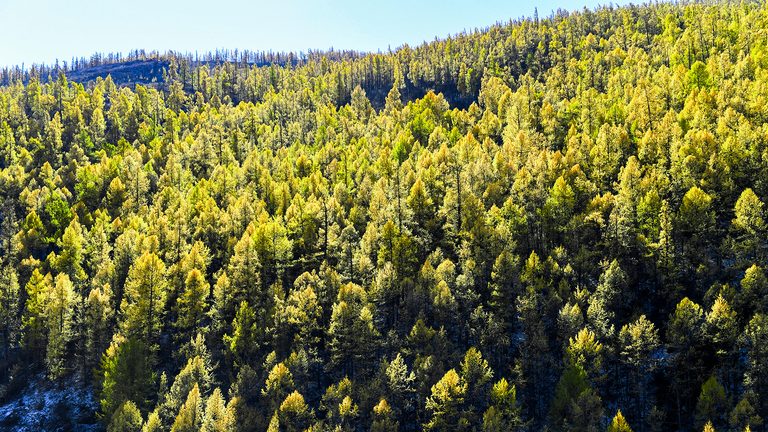
1. Dahurian larch
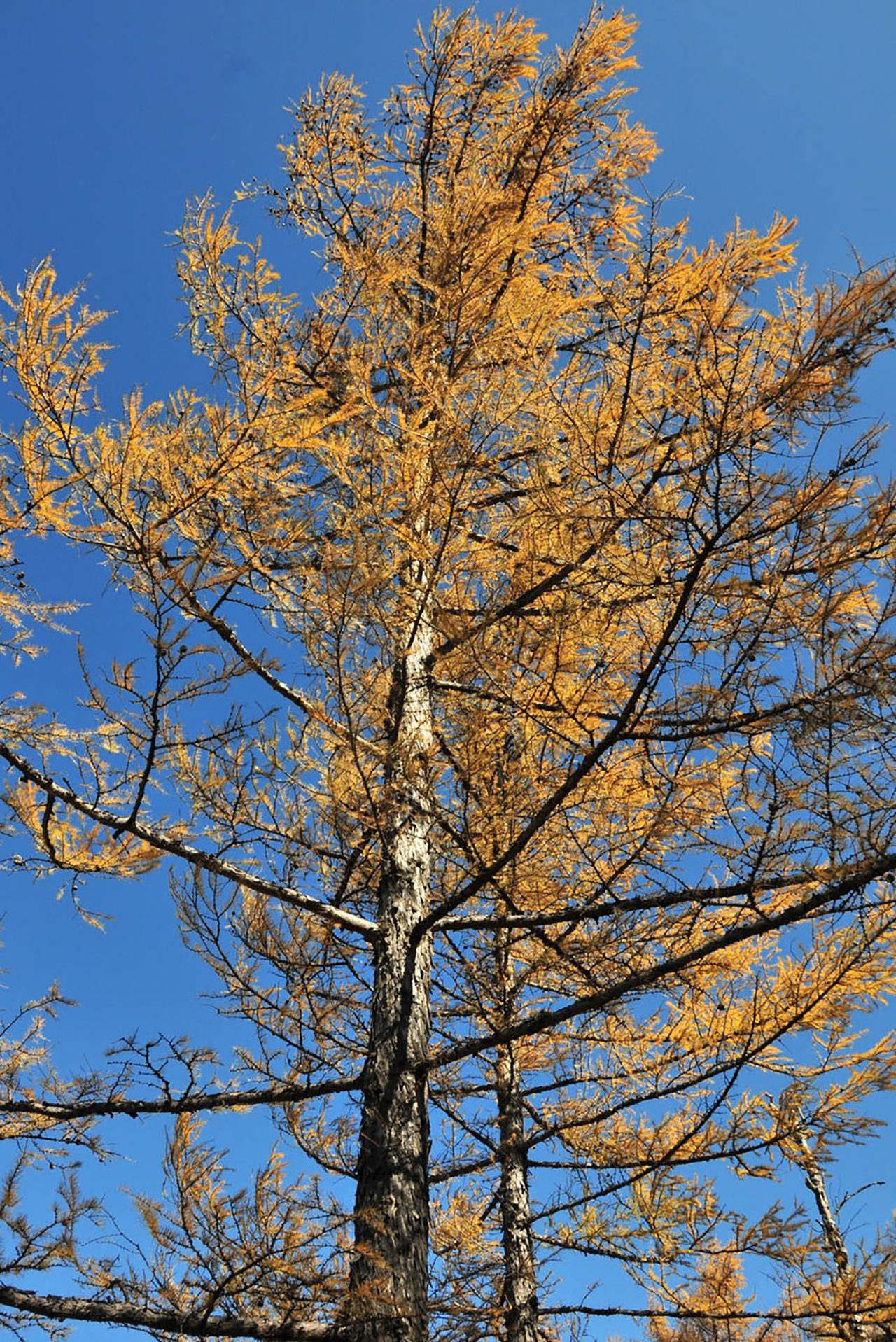
This coniferous tree grows in Eastern Siberia, eastern Transbaikalia and the Far East. It has bright, yet soft needles. It is also long-lived: it can live up to 500 years (!), thriving in permafrost, on rocky mountain slopes and in marshy areas. When fully grown, it can reach up to 35 meters in height.
2. Popoviocodonia
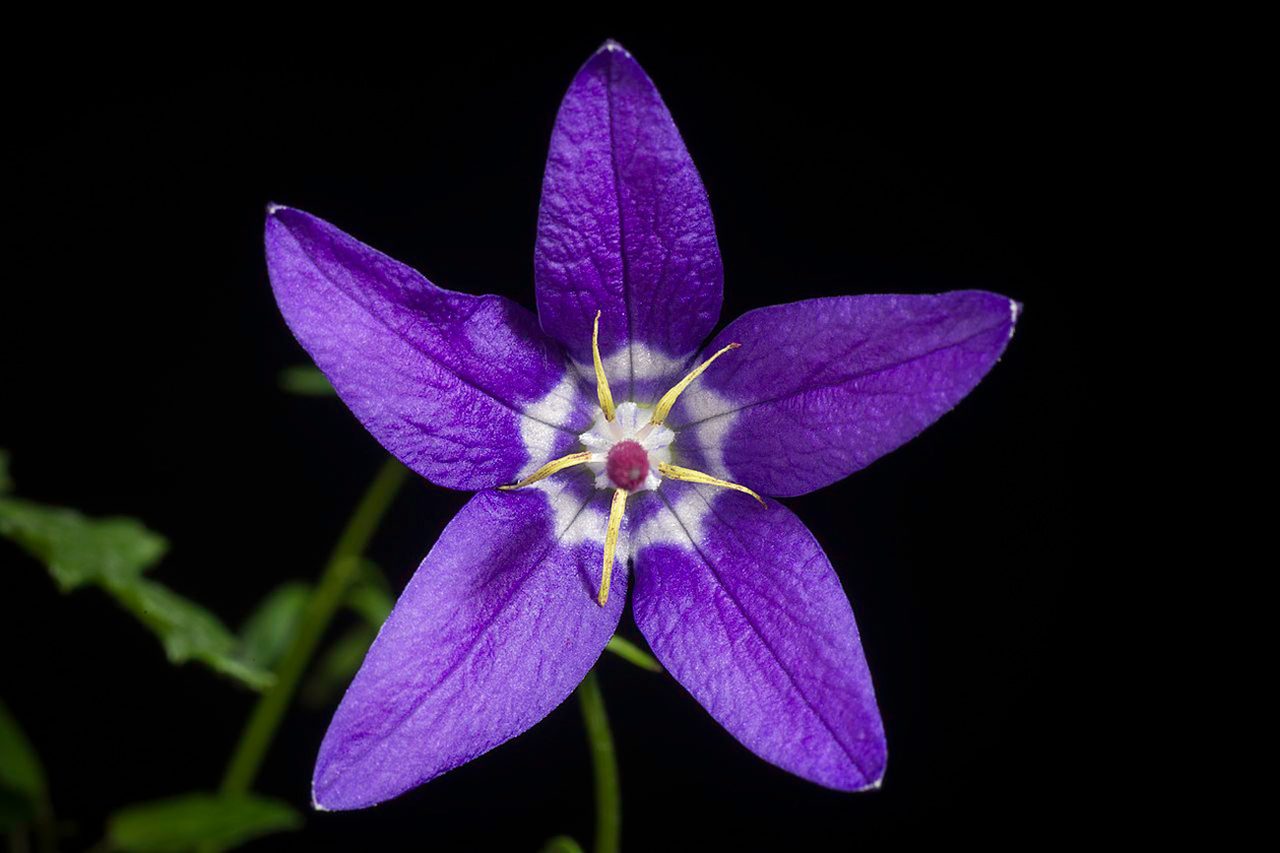
This relative of the bellflower with large, dark lilac flowers can be found on Sakhalin, Primorye and Khabarovsk Territory. This fragile plant ironically thrives in the harsh conditions of the mountain tundra and rocky terrain.
3. Volga carnation
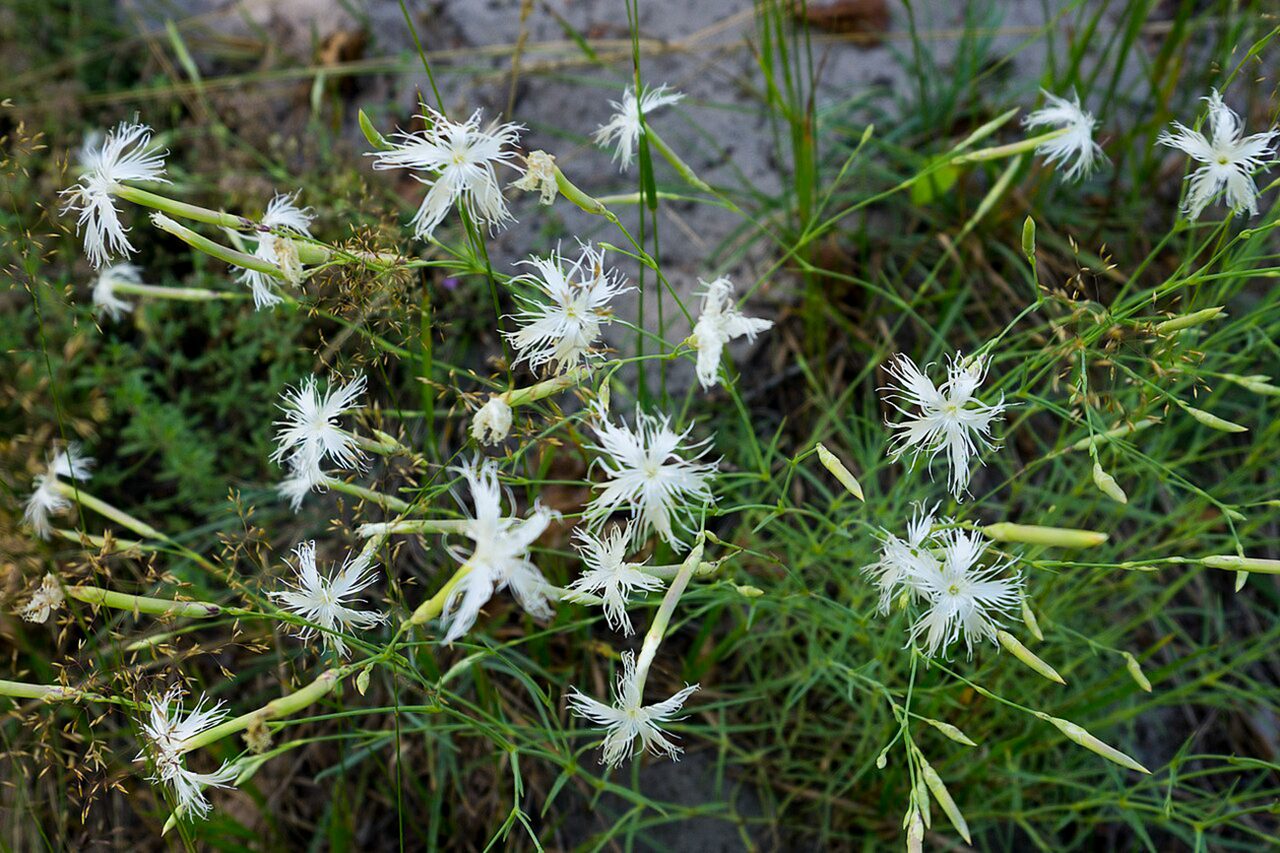
Botanists discovered this species relatively recently, in 1950. It’s common in the Volga River basin – in the Samara, Saratov and Ulyanovsk regions. It blooms in midsummer and it's incredibly beautiful. The low subshrub is covered in a "cloud" of star-shaped, snow-white flowers.
4. Baikal crowfoot
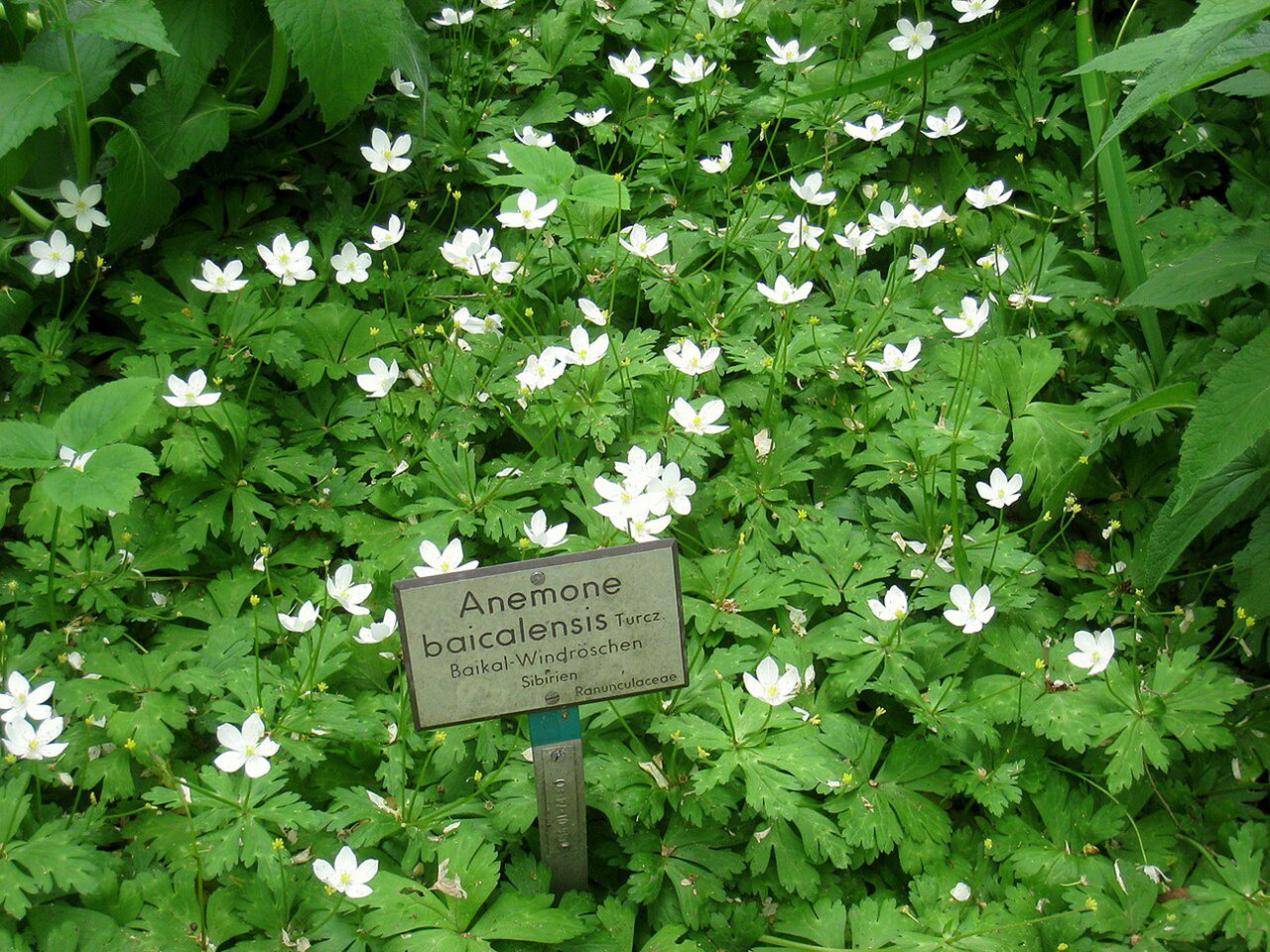
This perennial plant is found in southern Krasnoyarsk Territory and Baikal Region. In Buryatia and Irkutsk Region, it’s listed in the regional ‘Plant Red Books’. It can be recognized by its large white flowers, which give the anemone a festive appearance.
5. Graceful fir
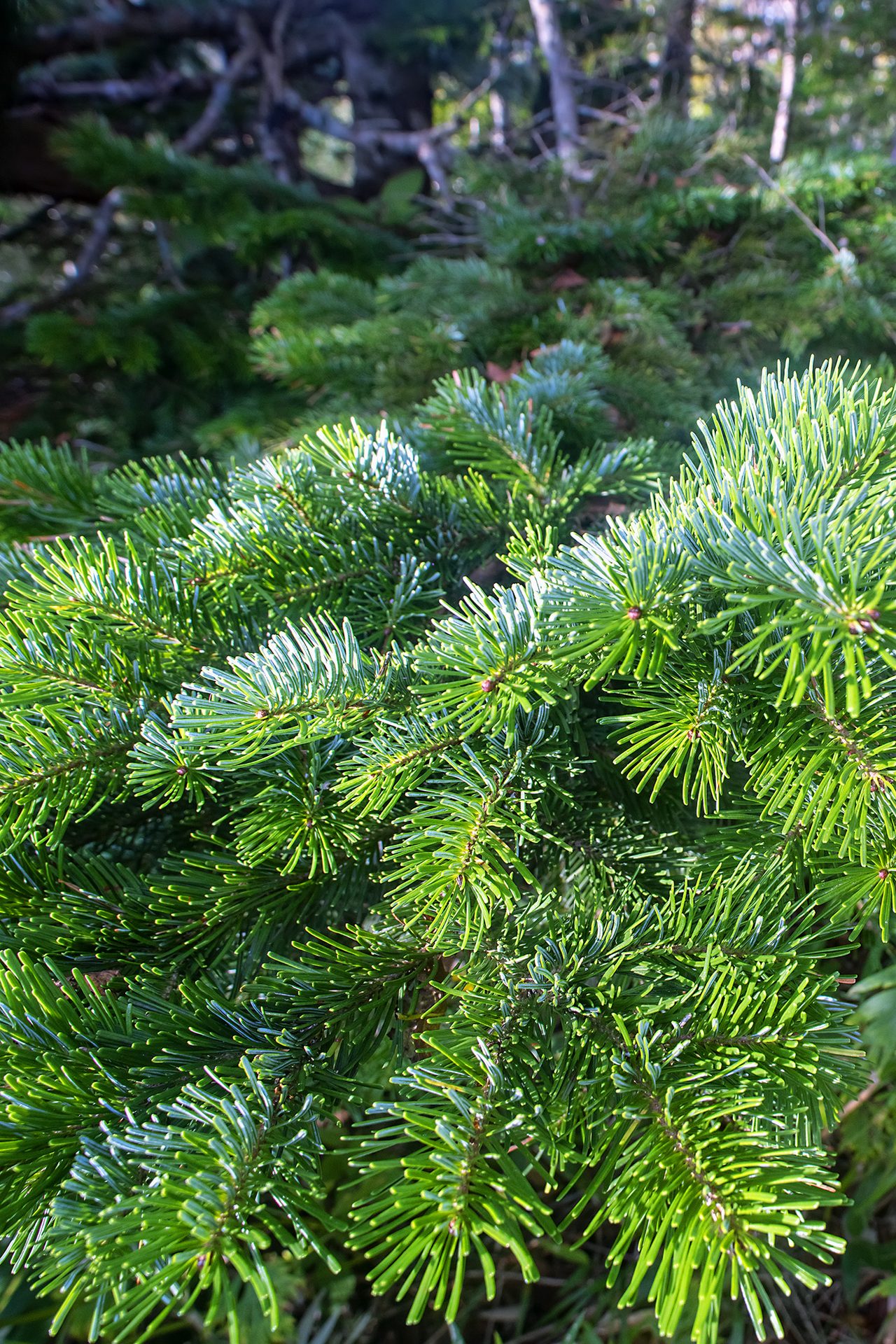
This graceful beauty grows in Kamchatka – in the lower reaches of the Novy Semyachik River, there's a relict grove of these conifers. This Kamchatka relict can grow up to 17 meters tall and lives an average of 130 years (!).
6. Ermania parryoides
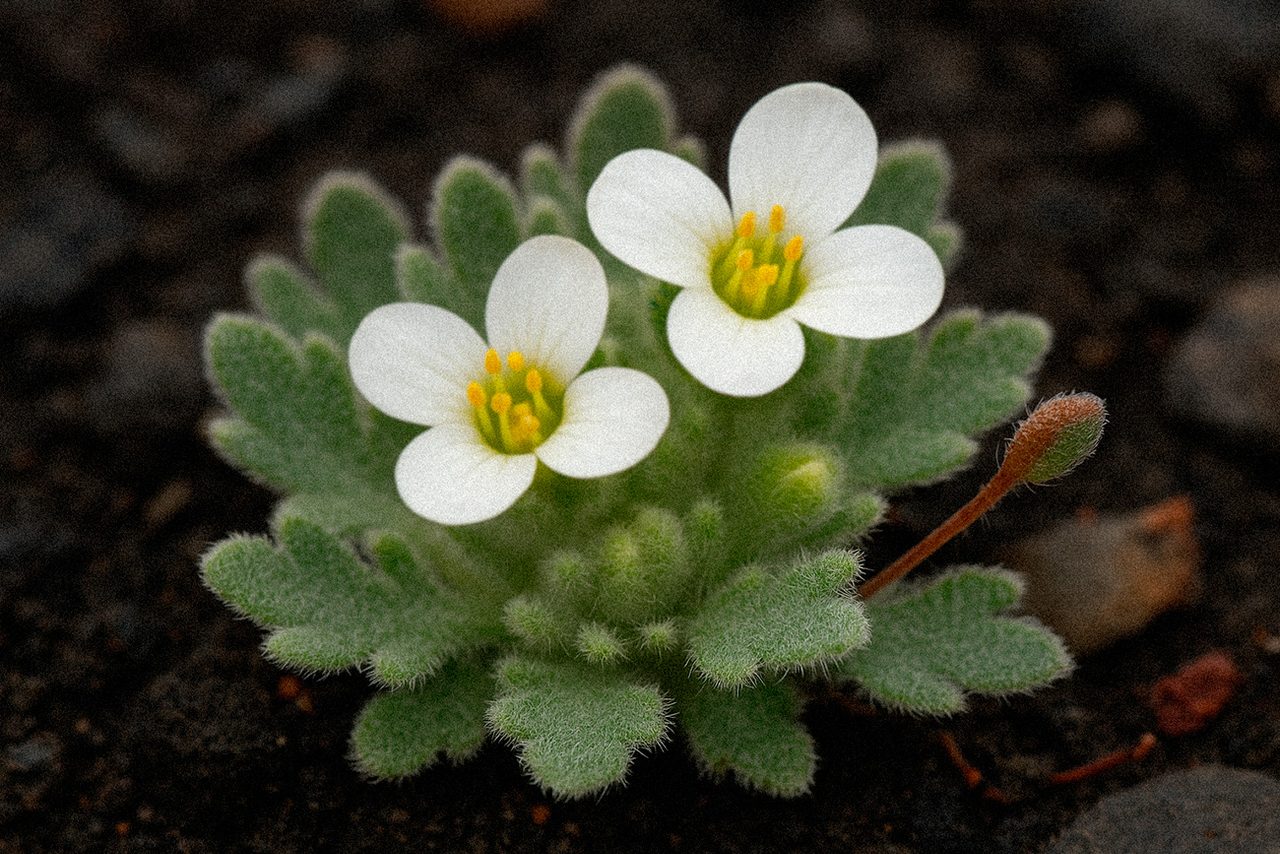
This plant can be found in Chukotka, the Kolyma Highlands and Yakutia. Judging by its ability to survive in difficult conditions, it’s a superhero. It grows in cinder fields, rocky slopes, scree slopes and in the alpine tundra. Its leaves change shape depending on the growing conditions. Finally, if something happens and the Ermania parryoides is crushed by a rockfall or a hiker's foot, it will still find the strength to right itself.
7. Dubyanskyi cornflower
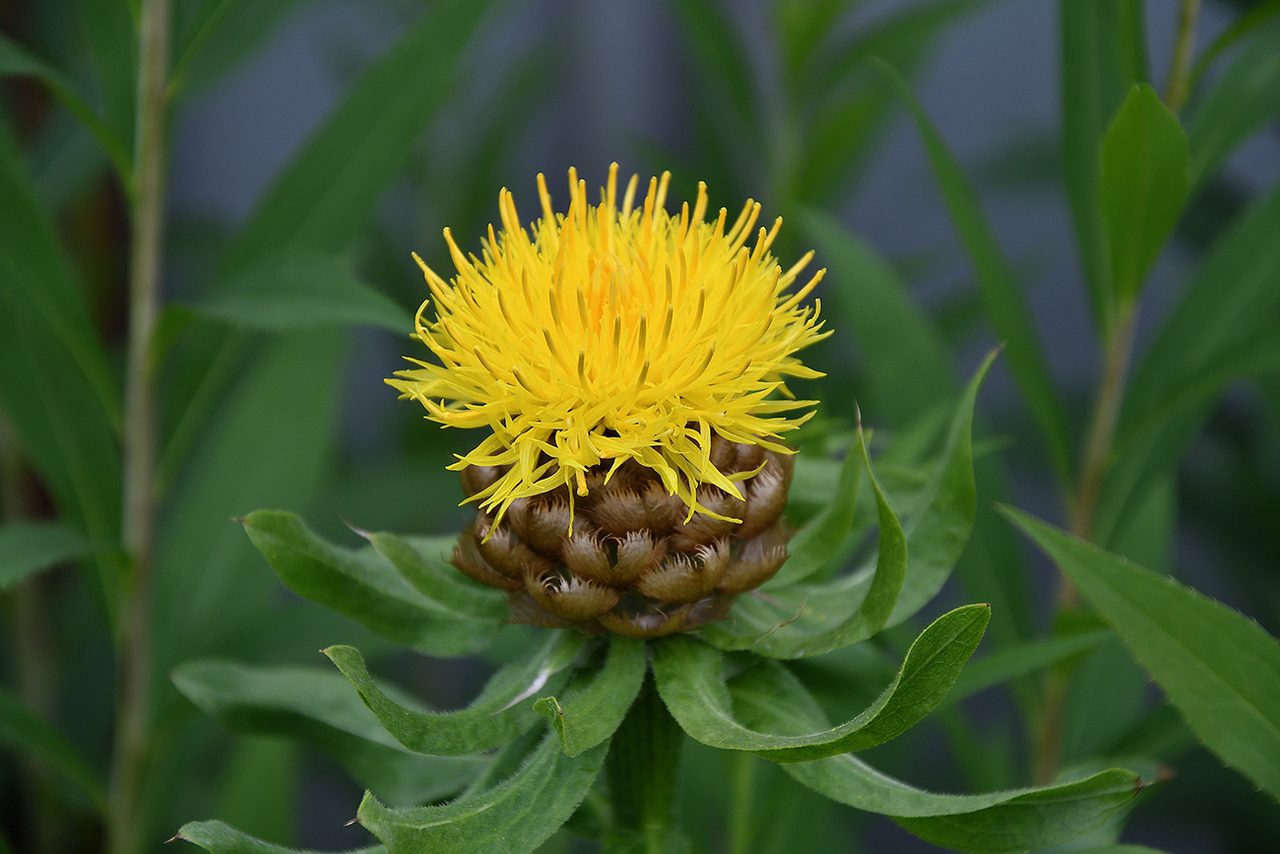
Growing in the Rostov and Voronezh regions, the cornflower delights the eye with its bright yellow flowers. That is, if you're lucky enough to spot one: it's endangered and also listed in the Russian ‘Red Book’.
8. Rowan-cotoneaster (Ryabinokizilnik)
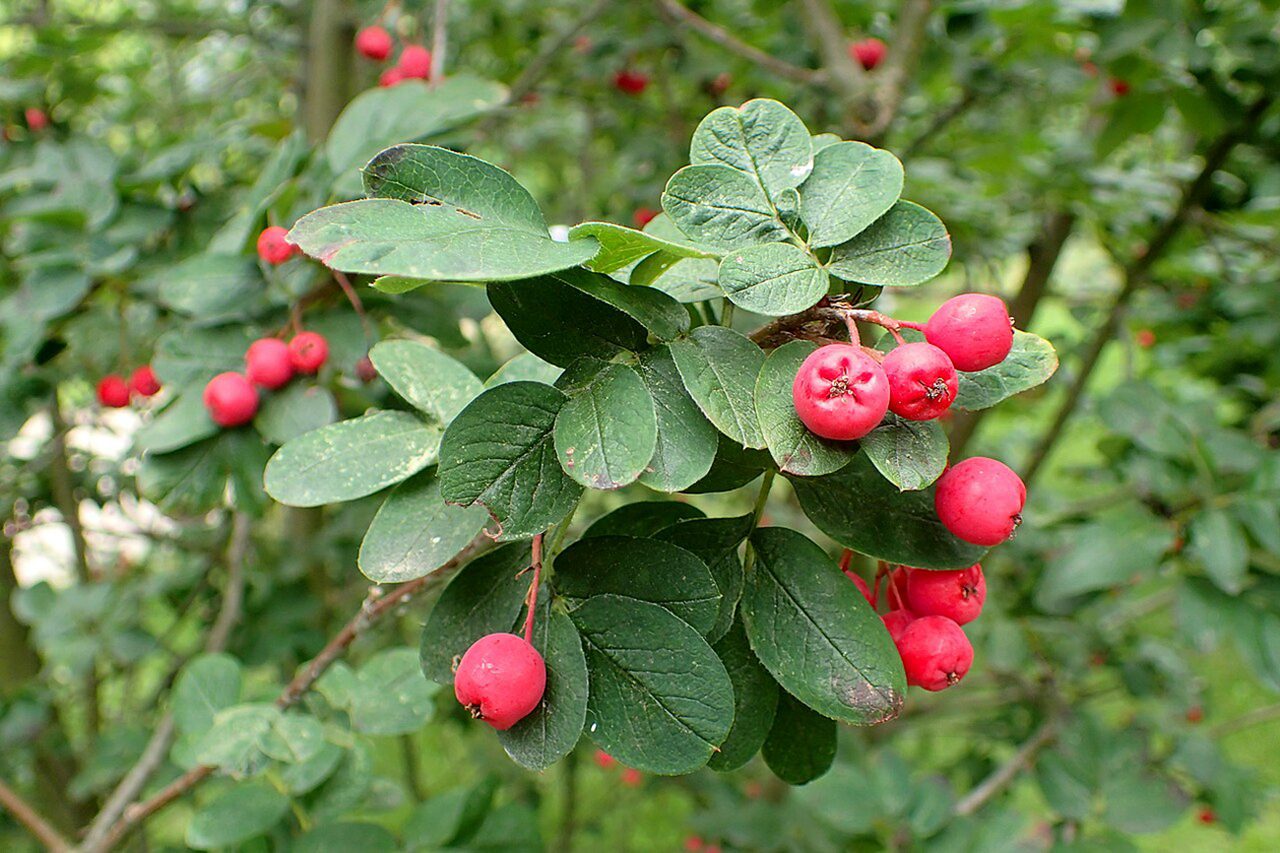
This hybrid of Siberian rowan and black chokeberry grows in Yakutia, mostly on the banks of the Aldan River. This tree, with neat, rounded leaves, produces small red fruits – a kind of "apple". This rare species is also grown in the Yakutsk Botanical Garden.
9. Kytmanov Globeflower
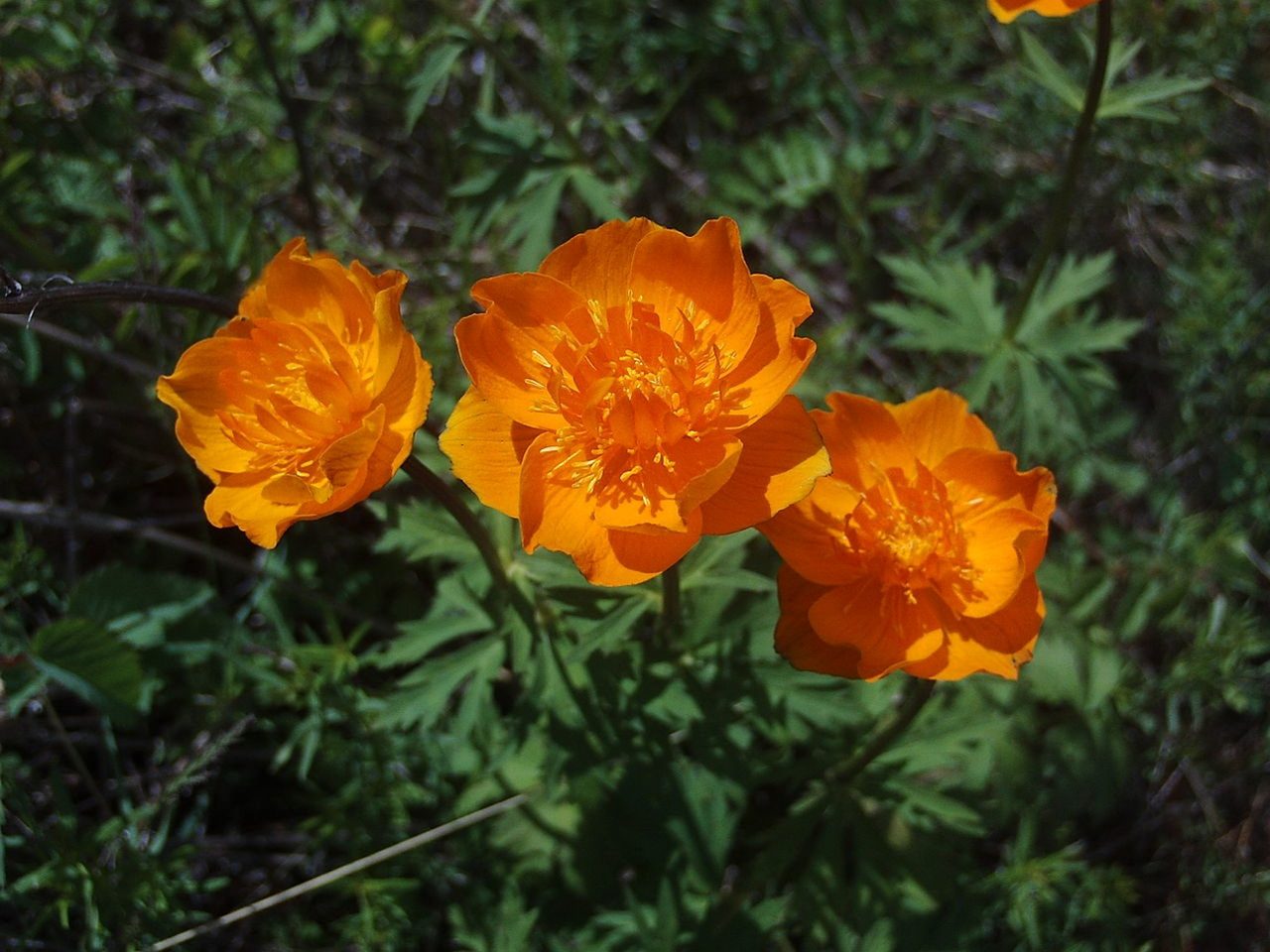
It's no coincidence that this plant is popularly known as ‘zharki’ (‘frying flower’): its bright orange flowers sparkle like bright lights in the dense grass. This species of globeflower was first described by botanist Victor Reverdatto in 1943 and the plant was named in honor of Alexander Kytmanov, another scientist and researcher of the Yenisei region. Globeflowers are typically found in the southern Irkutsk Region.
10. Pauzhetka bentgrass
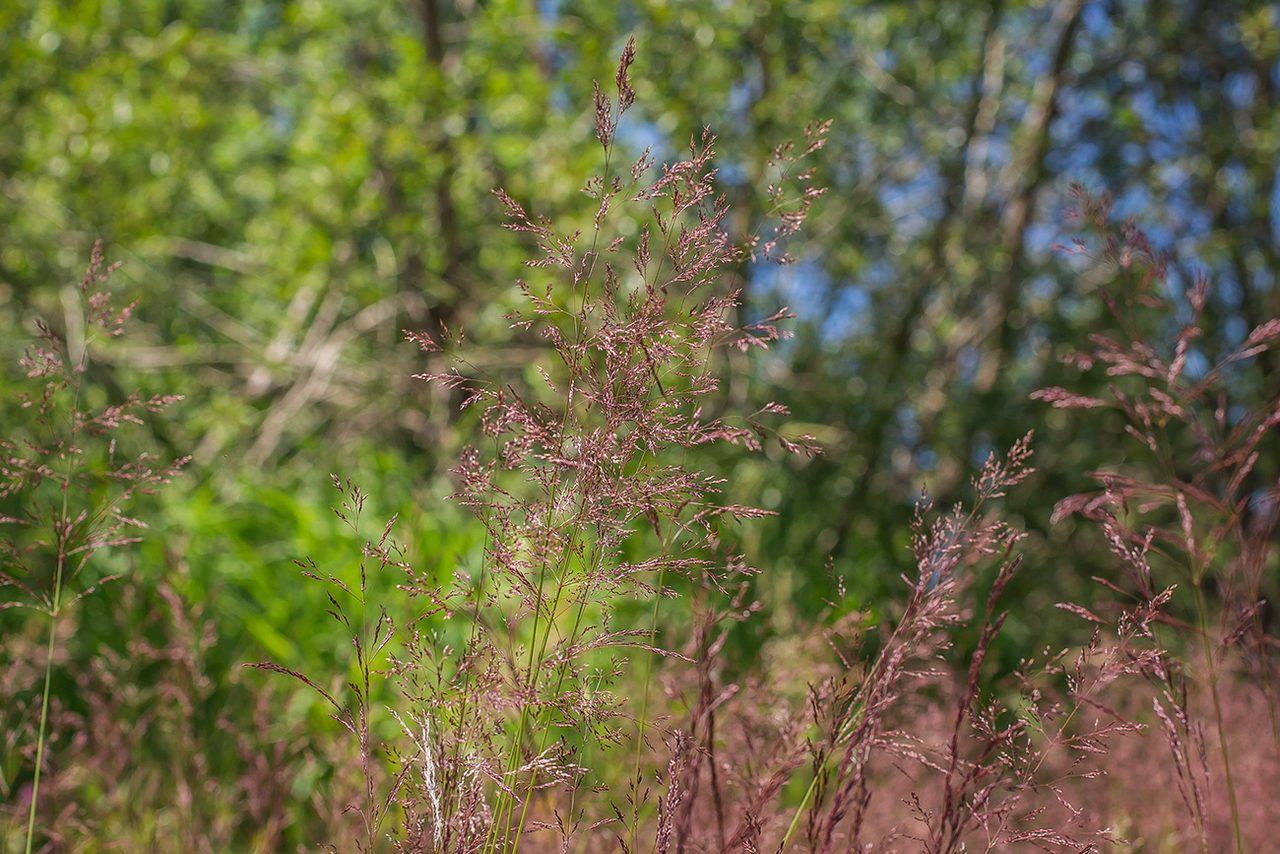
This heat-loving species grows in the Valley of Geysers and was first discovered near hot springs in the Pauzhetka River valley – hence the name! The spikelets of this bentgrass are short, reaching a maximum of 20 cm.