

How did AMERICAN minks end up in Russia?
It all began with a grand Soviet experiment and the fashion for fur coats.
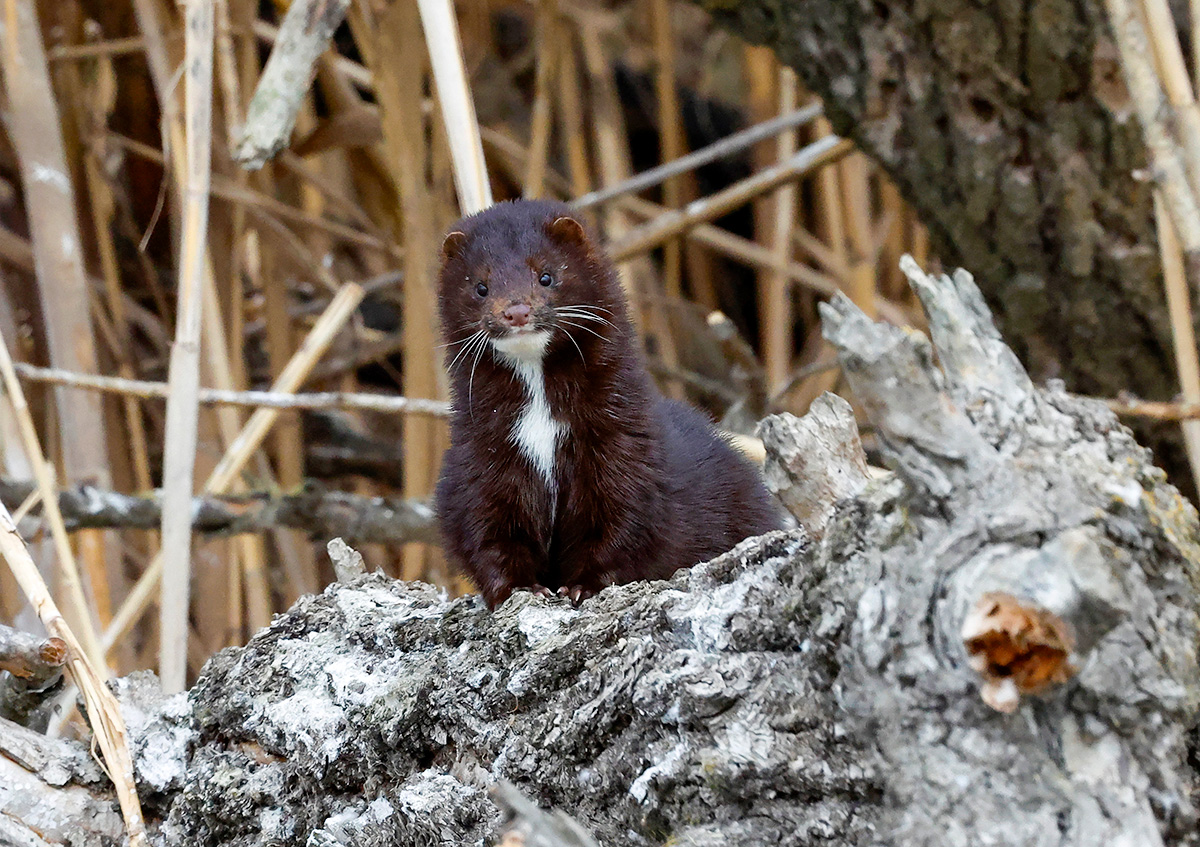
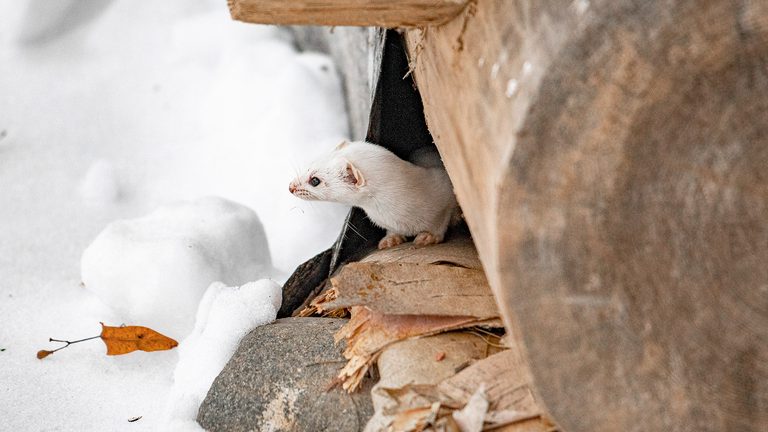
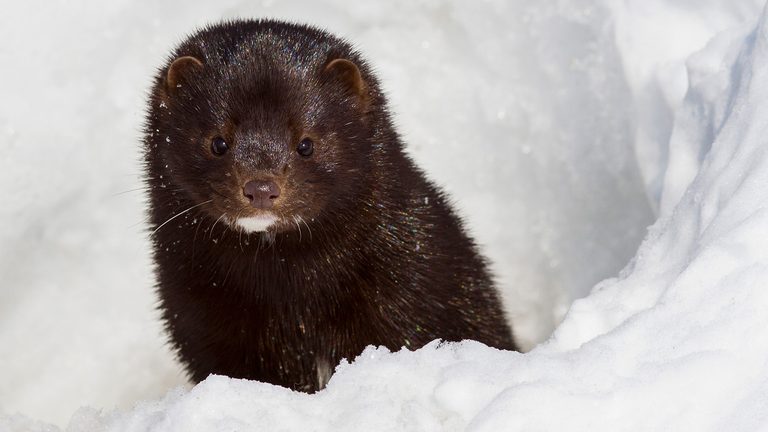
The mink is one of those furry predators that was traditionally hunted in Russia, alongside sables, ermines and stoats. However, today in the wild, the most common mink species is not the native European mink, but the invasive American mink.
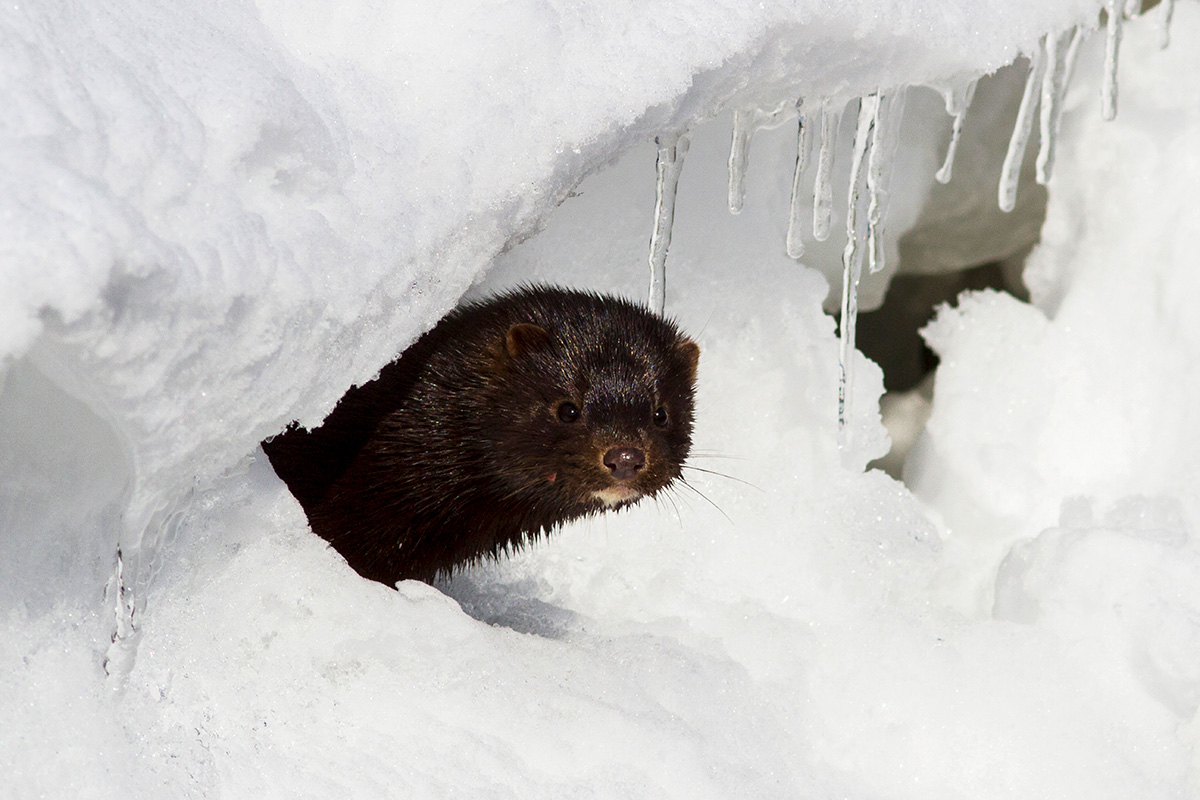
In 1923, the USSR decided to breed minks for their valuable and beautiful fur. The first American minks, which were almost twice the size of European minks, were brought into the country from German farms. These "Americans" could reach up to a meter in length, including tail, and could weigh up to 2 kg when fully grown. Soviet breeders developed many color variations, making the venture a huge success.
However, the animals turned out to be not only beautiful, but also intelligent: They began escaping from their cages and populating the surrounding areas. Scientists noticed this and, as an experiment to enrich the fauna, decided to release minks into the wild intentionally.
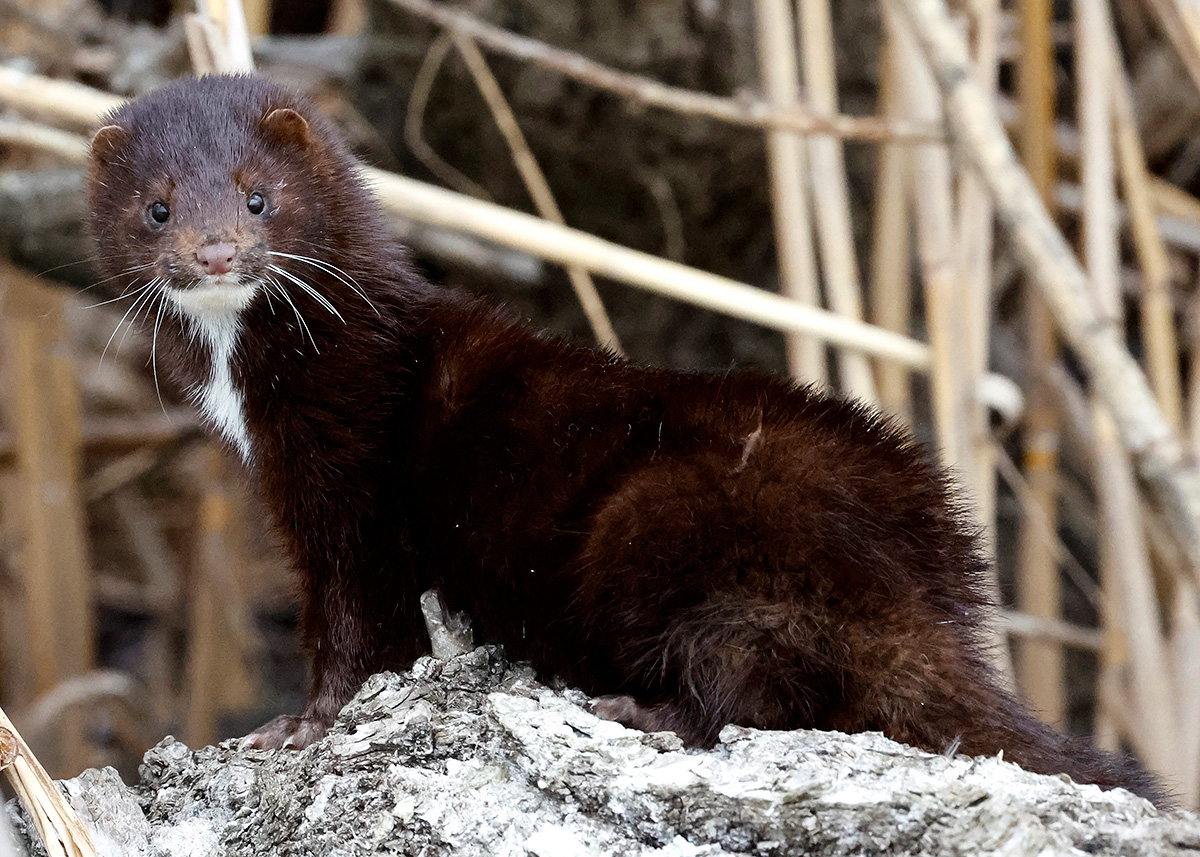
In 1928, 3,000 minks were released into 19 regions of the country where European minks lived. Then, they decided to disperse minks across Siberia and the Far East, where they had not previously been found. Over several decades, about 20,000 individuals were released into the wild. Furthermore, minks continued to escape from fur farms. For example, in Karelia, from the 1950s to the 1980s, about 10,000 animals escaped from cages.
Unlike the European mink, the “American” proved to be more adaptable to harsh conditions and not only successfully established itself in new lands, but also began to displace the native species. Today, this new species is dominant across almost the entire forest zone of European Russia, in southern Siberia and Primorye.