
10 natural zones you will find in Russia
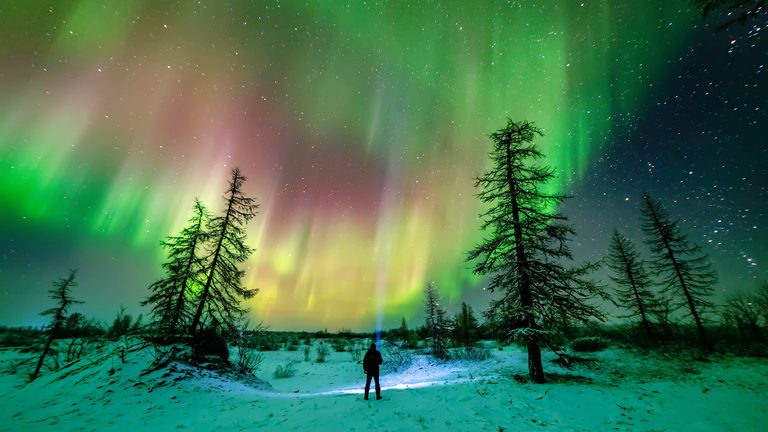
The natural landscape of the world's largest country is incredibly diverse: Palm trees grow in Sochi, icy winds blow in the north of Chukotka and the impenetrable taiga awaits you in Siberia.
1. Arctic desert
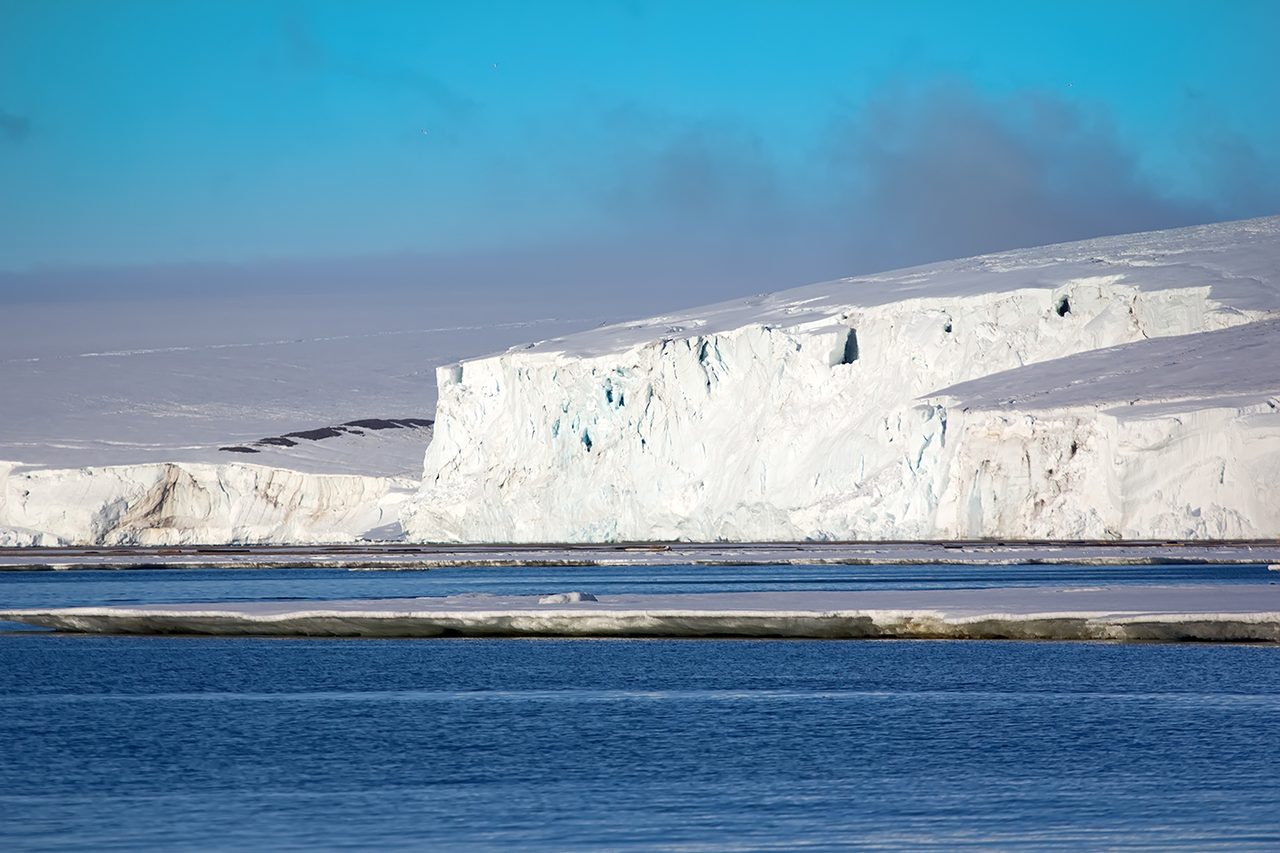
The harsh Arctic desert zone covers most of the islands in the Arctic Ocean and its coastline on mainland Russia.
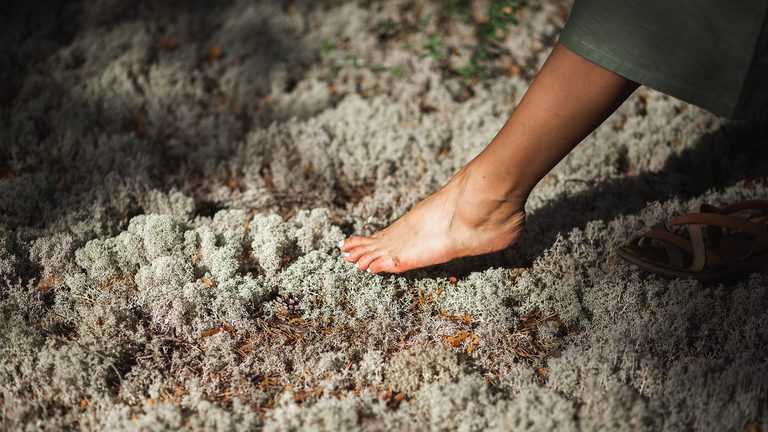
This is the northernmost of the natural ecosystems. Although it is technically called a ‘desert’, there is no sand there – only ice and snow! And the snow barely melts almost all year round and, only in summer, does the temperature rise slightly above zero! The polar night lasts three to four months, replaced in summer by the polar day. There are no trees – only moss and lichen.
2. Tundra
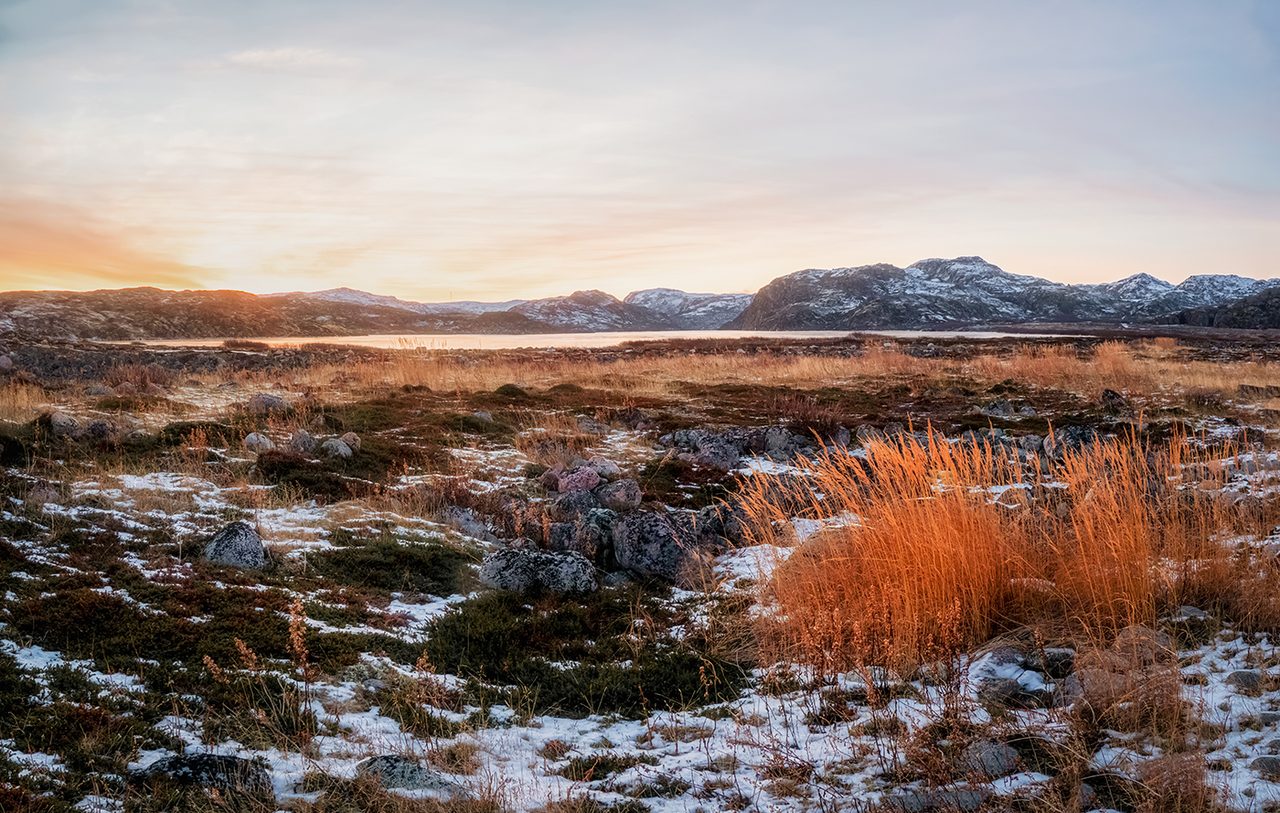
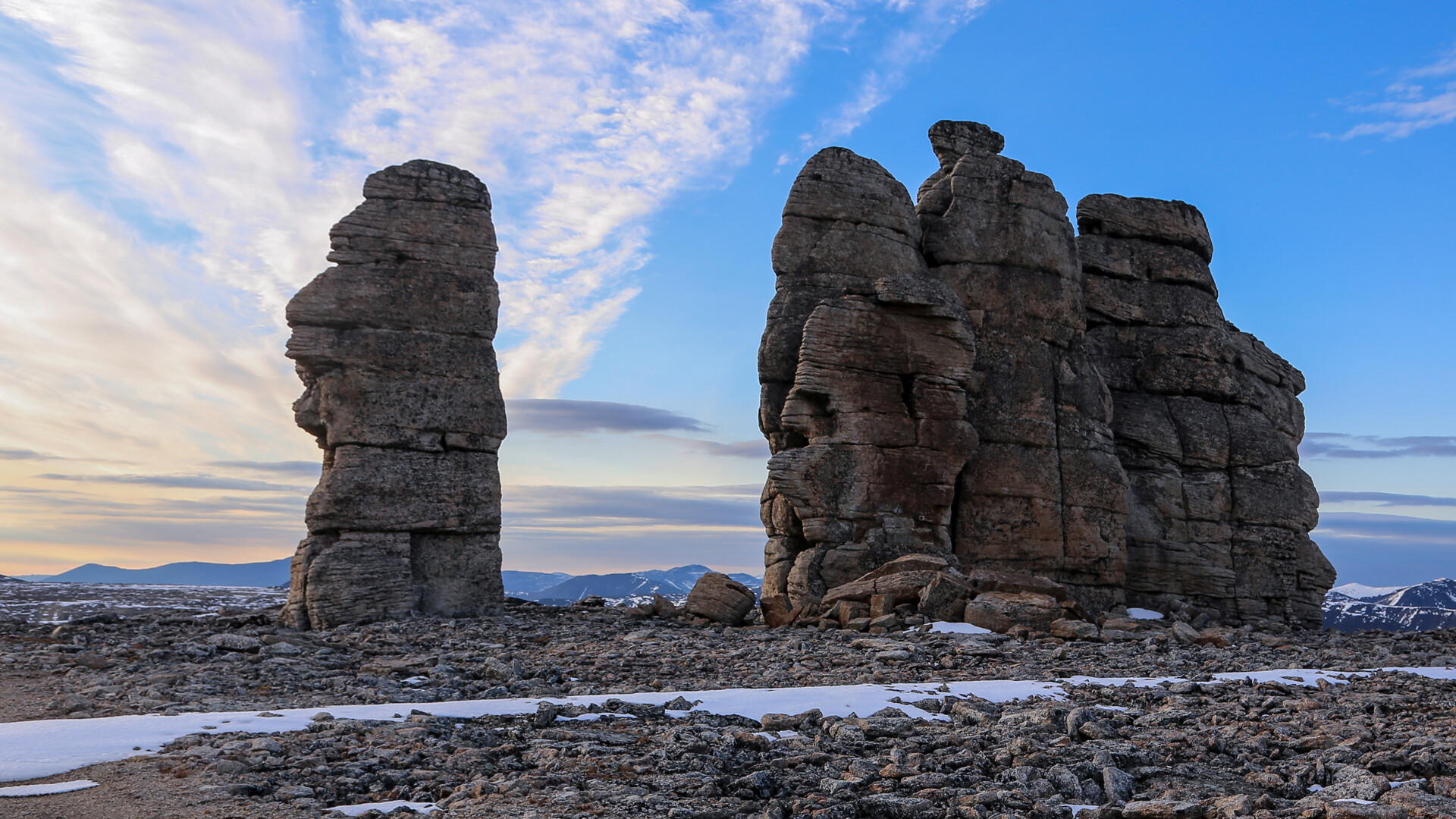
South of the Arctic deserts lies the tundra. It stretches in a wide band from the Kola Peninsula in the west of the country to the Chukotka Peninsula in the east.
Dwarf trees and shrubs can already be found there and, although summer is short, it can be warm.
3. Forest-tundra
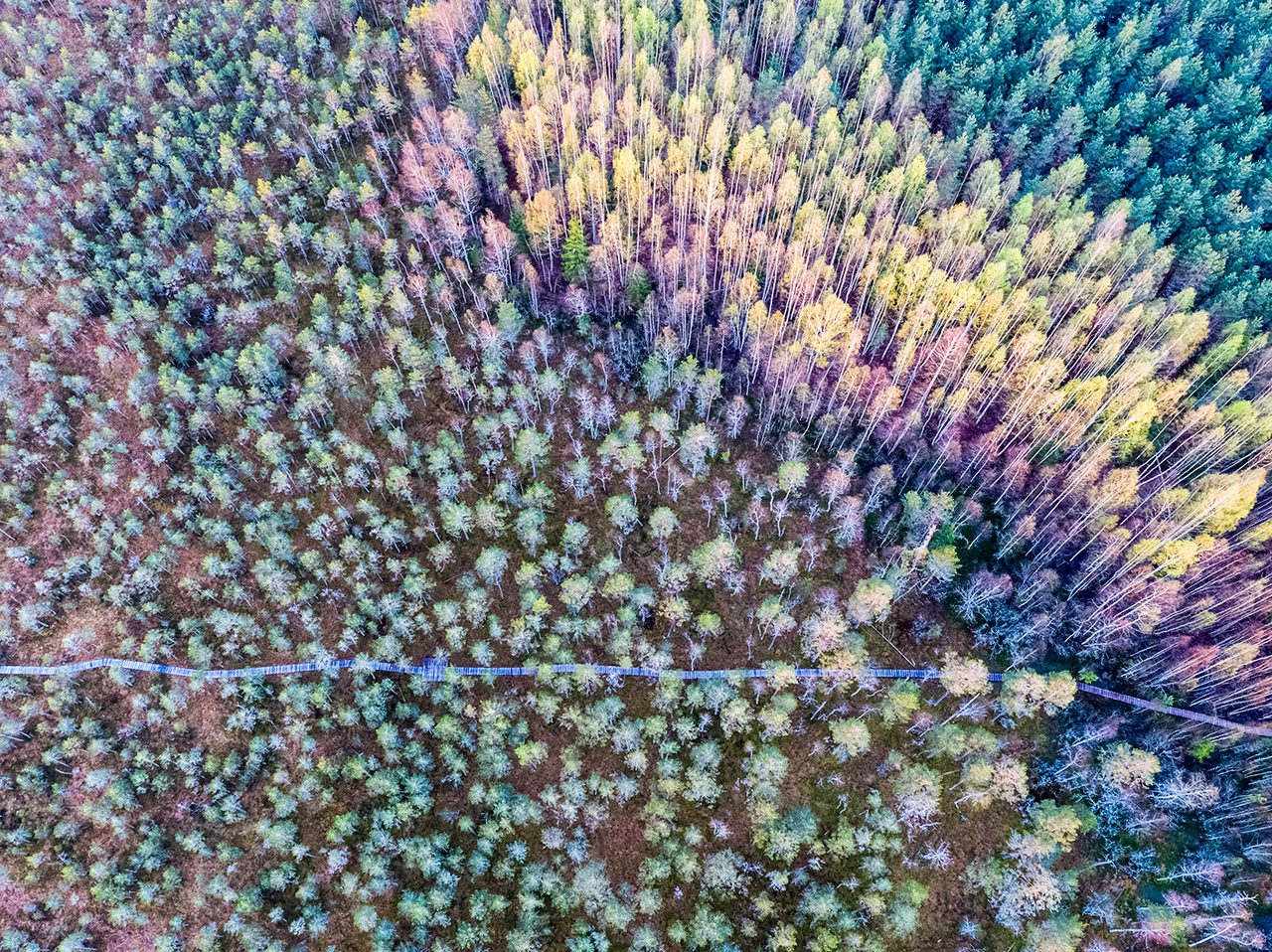
In nature, there is no sharp contrast separating one ecosystem from another. The transition occurs gradually: the farther south you go, the taller the trees and the more numerous the wetlands. This transitional belt is called ‘forest-tundra’. It looks like a sparse coniferous forest with swamps, lakes and an abundance of moss, stretching 20–100 kilometers across almost all of northern Russia. It’s incredibly picturesque!
4. Taiga
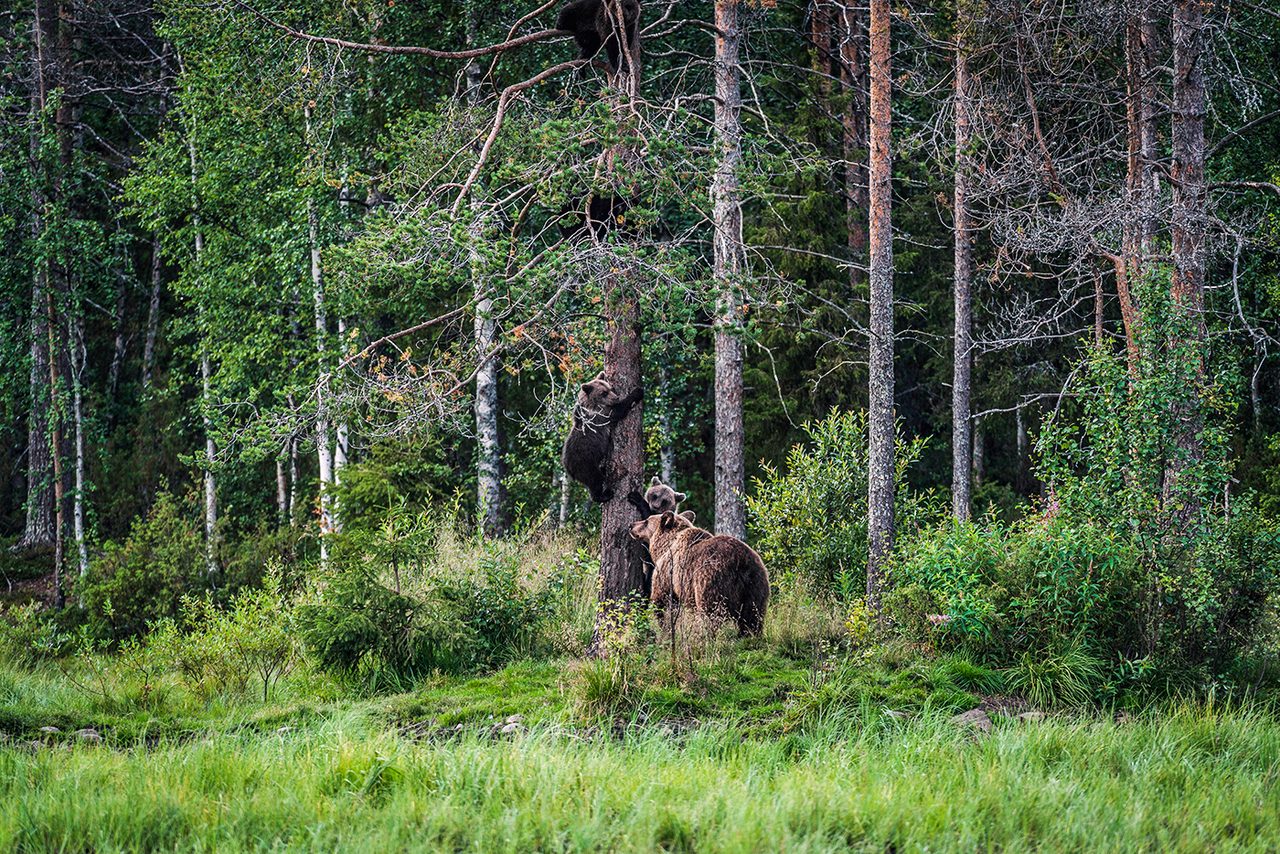
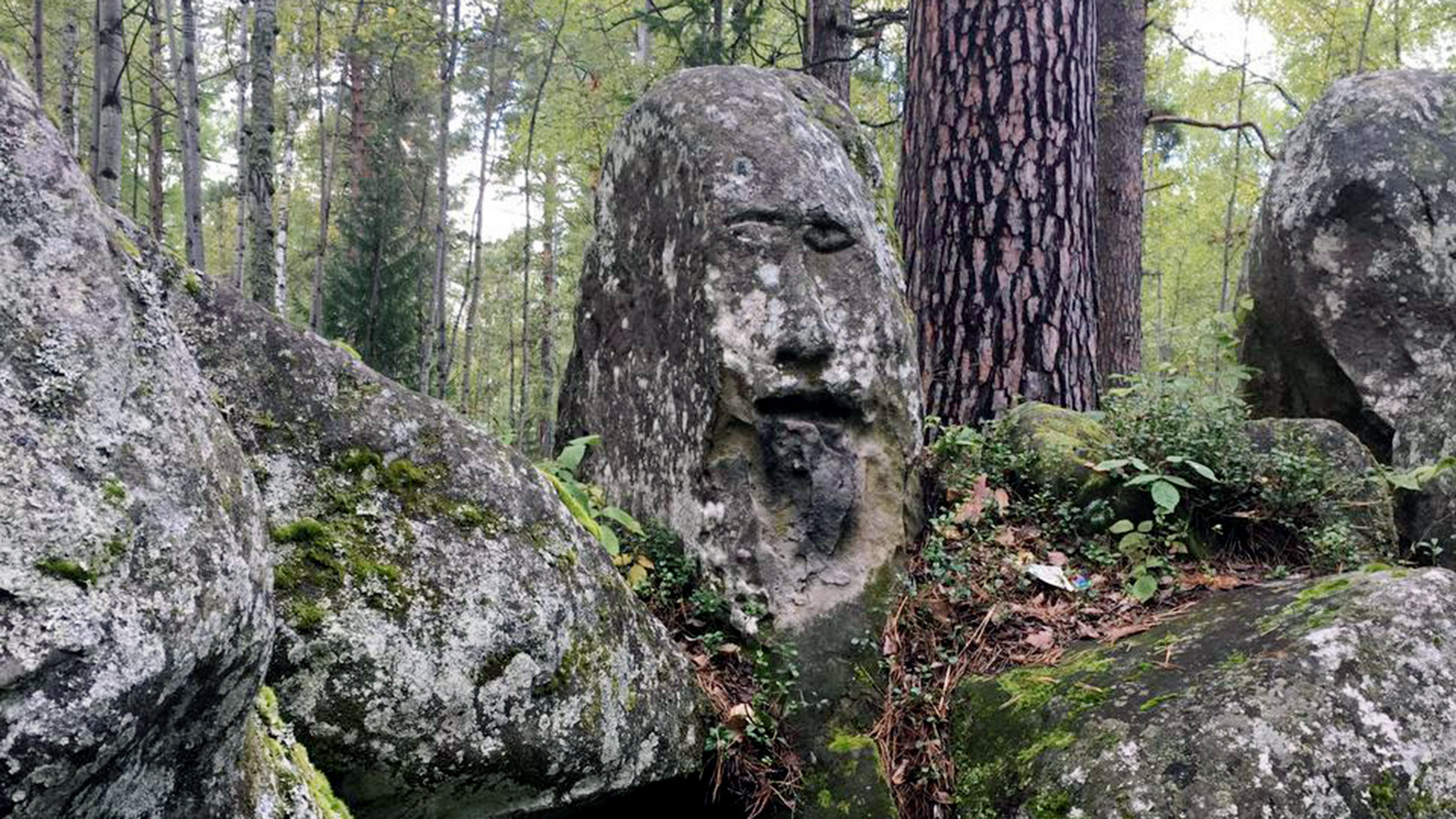
The taiga is dubbed the "green lungs of the planet". It’s Russia’s largest natural zone. Mostly coniferous trees grow there: the northern taiga has more pines, while the southern part is occupied by firs. The main tree of the Siberian taiga is the larch – the only conifer that sheds its needles in winter.
5. Mixed & broadleaf forests
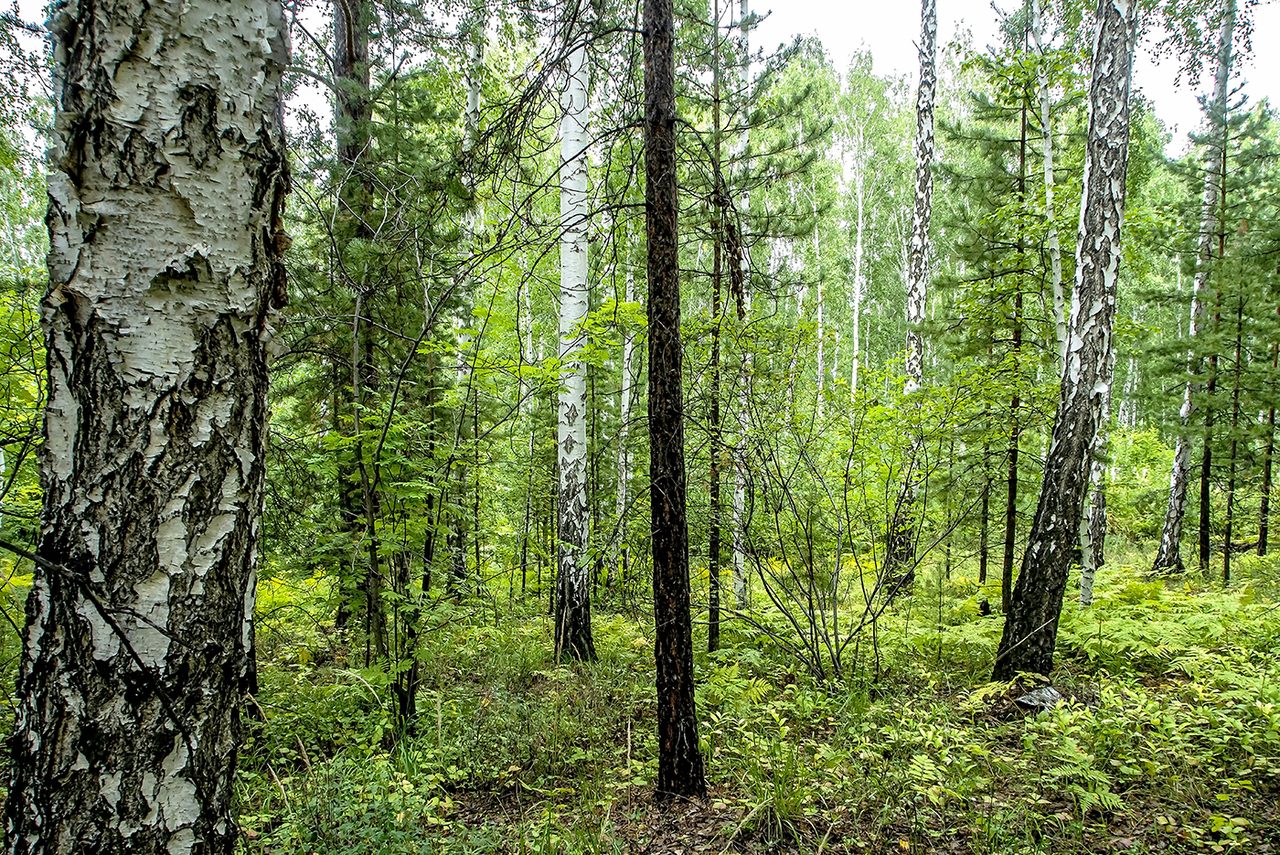
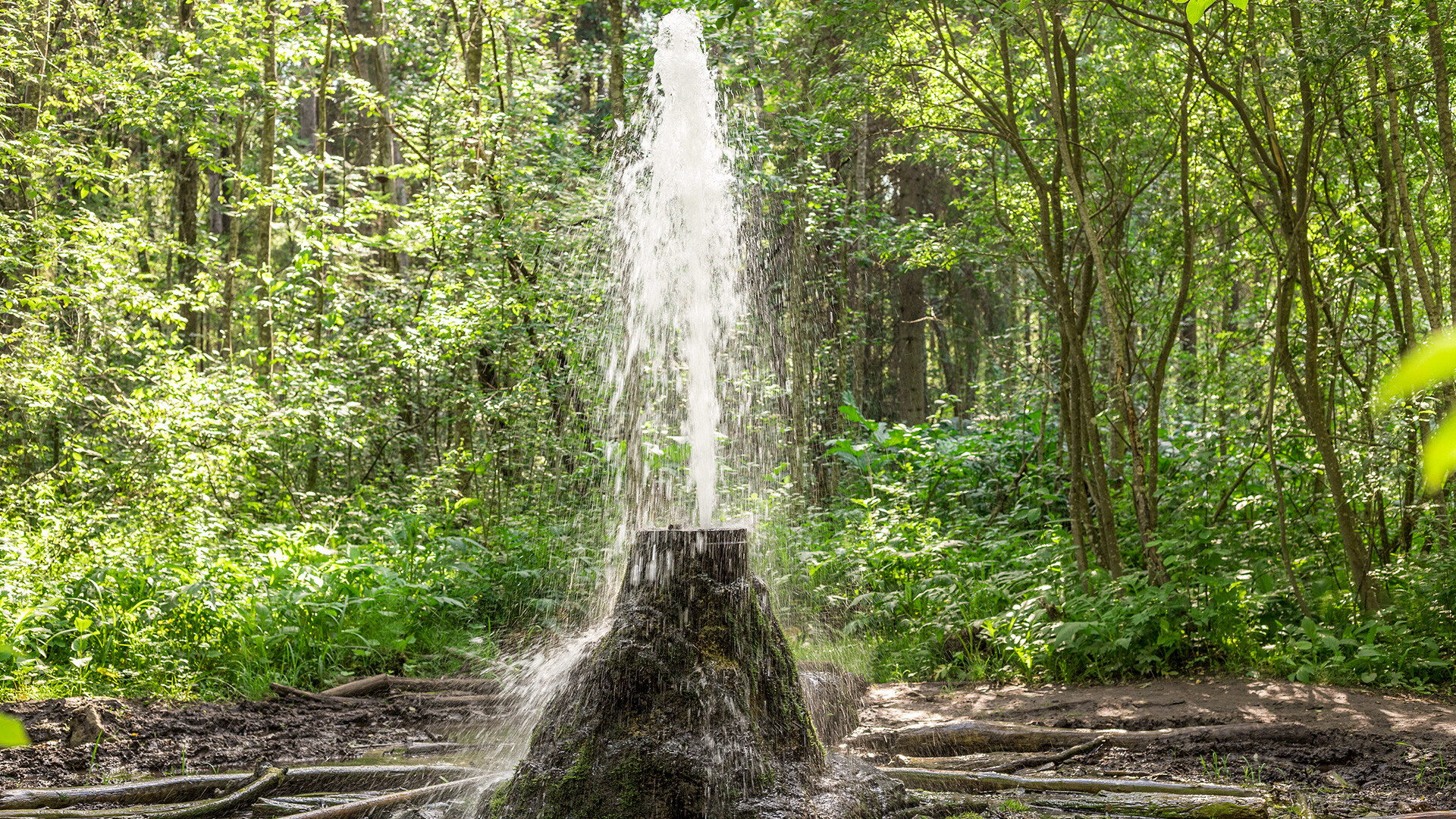
Almost the entire centre of the European part of Russia is occupied by forests. Coniferous trees grow alongside oaks, birches and maples. It’s noticeably warmer there, although winters can still be frosty. It’s in this natural zone that the largest number of Russians live.
The Far East, meanwhile, has a special type of mixed forest. The climate there is monsoonal (wet summers, dry winters). The composition of plants and animals in this zone is very different from that in Europe.
6. Forest-steppe
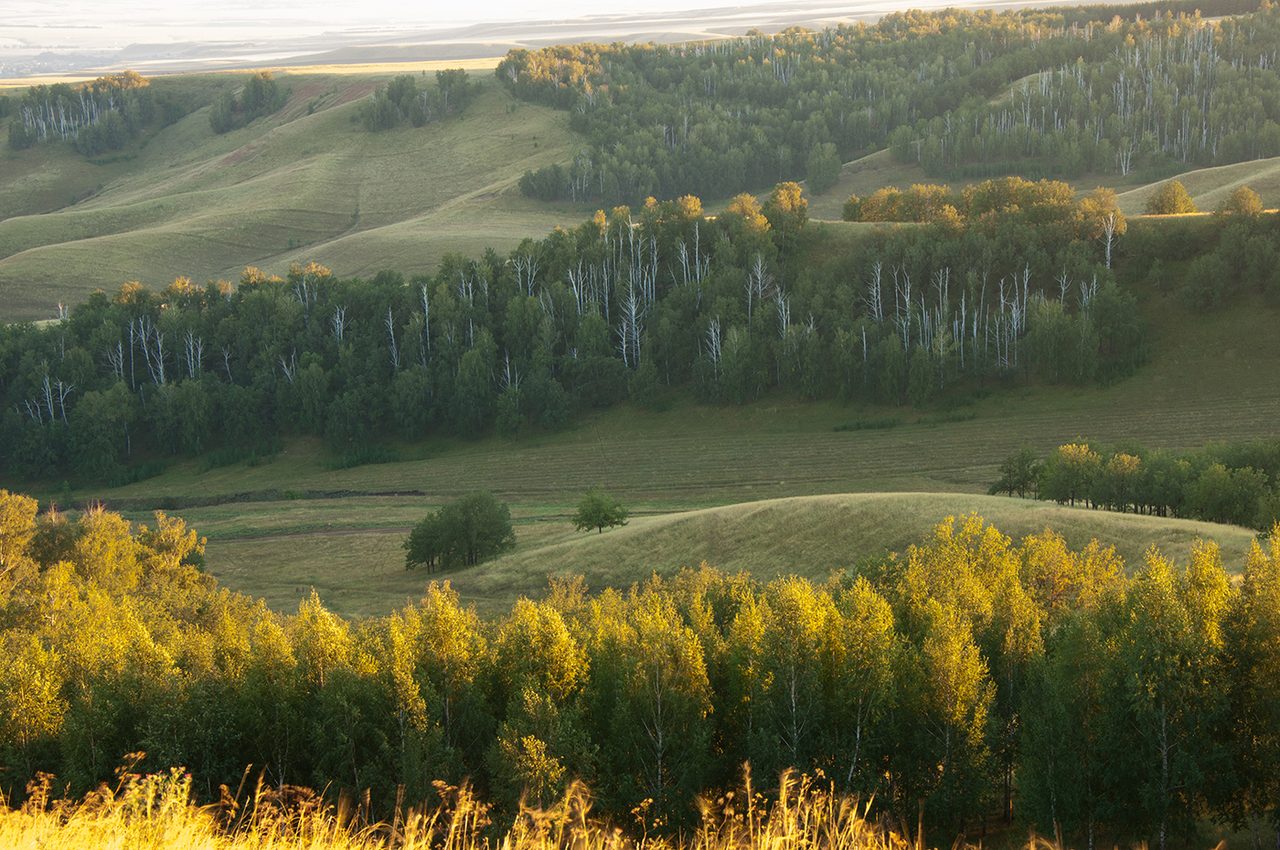
This is a transition from forest to steppe. The landscape is very picturesque: forest groves alternate with grass-covered plains. The most fertile soil – ‘chernozem’ (or black earth) – begins in the forest-steppes.
7. Steppe
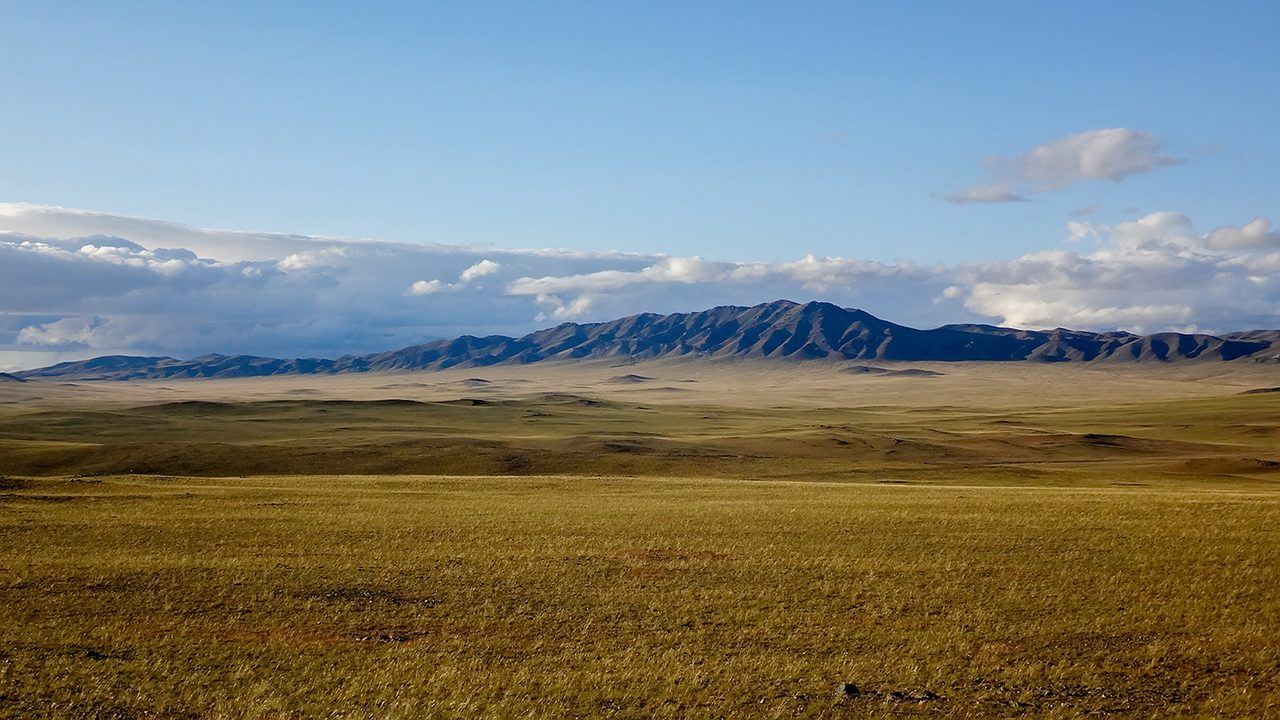
Moving further south, we encounter the steppes – endless grassy plains. Trees there are only found in river floodplains. The steppes are characterised by cold winters with snowstorms and hot, dry summers.
The steppe is especially beautiful in spring, when all the diverse grasses begin to bloom and colour it in different hues.
8. Semi-deserts & deserts
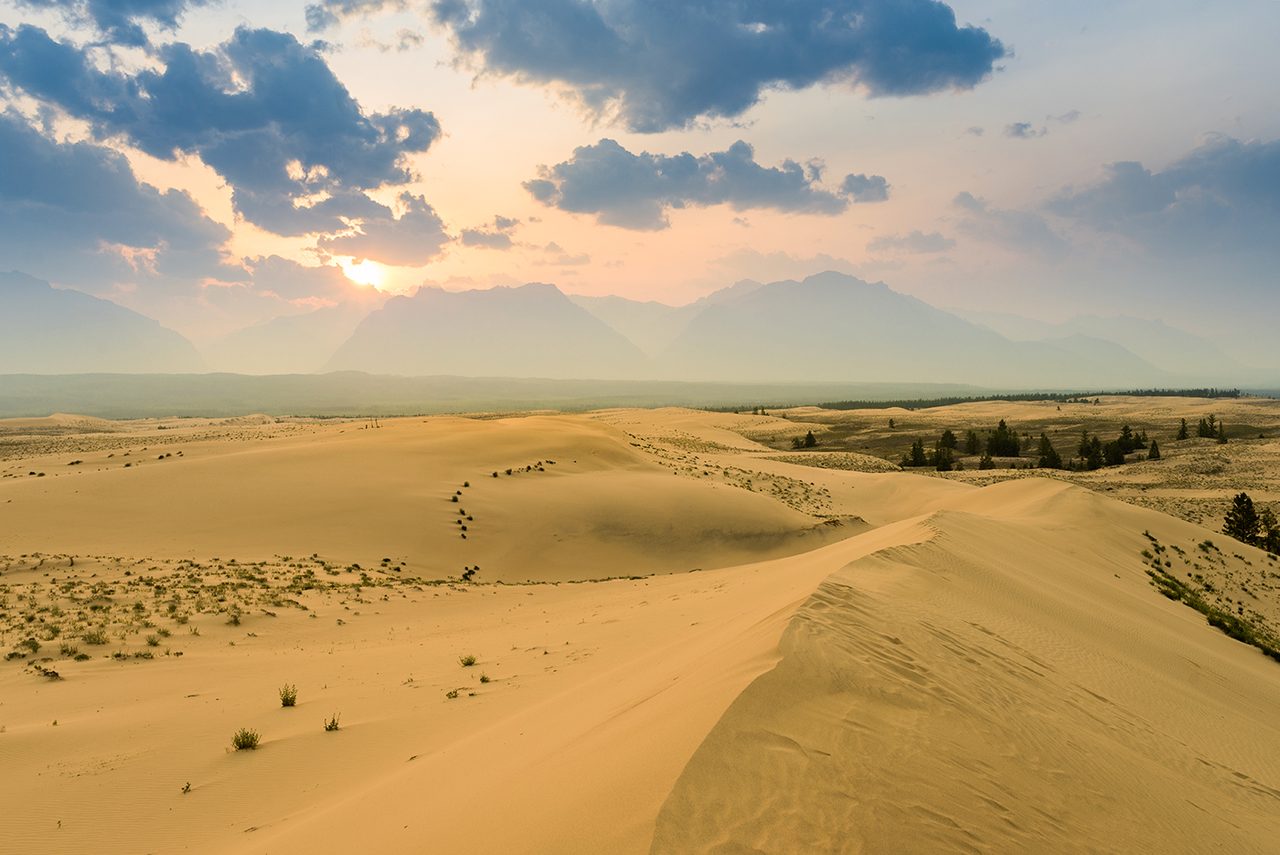
Desert landscapes also exist in several regions of Russia, for example, in Kalmykia and Astrakhan Region, as well as in southern Siberia. There, you can see real sand dunes. For instance, the Chara Sands in Transbaikalia are a true sandy desert surrounded by taiga and swamps!
Summers are very hot in these parts and plants have adapted to draw water from great depths with their roots and store moisture in their leaves.
You can read more about unusual deserts here.
9. Subtropics
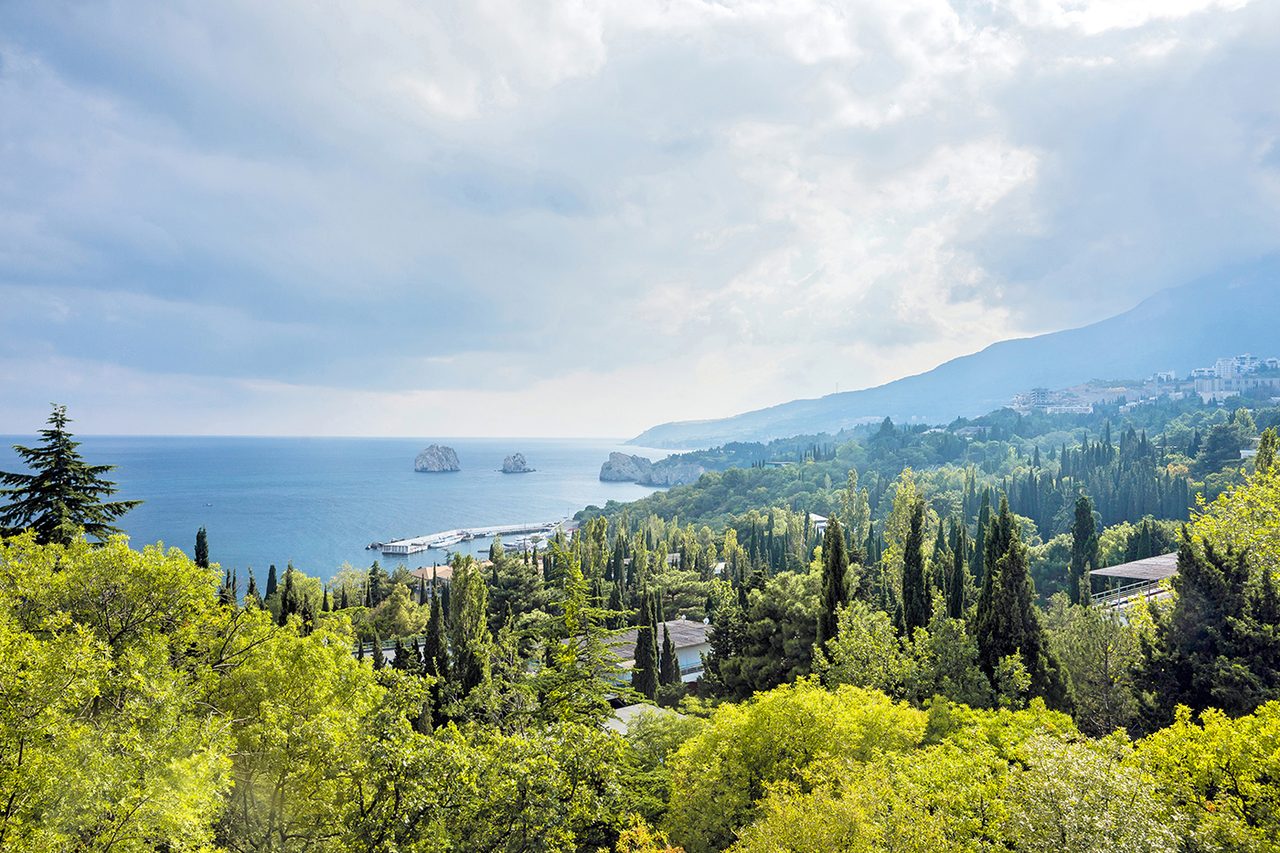
The most popular resorts in Russia are located precisely in the subtropical zone – on the shores of the Black Sea, as well as the southern Caspian coast in Dagestan. The Caucasus Mountains protect the land from cold winds.
There, you will find warm, humid summers and mild, rainy winters; snow is rare. Palm trees, cypresses, magnolias and evergreen trees also grow there.
10. Altitudinal zonation
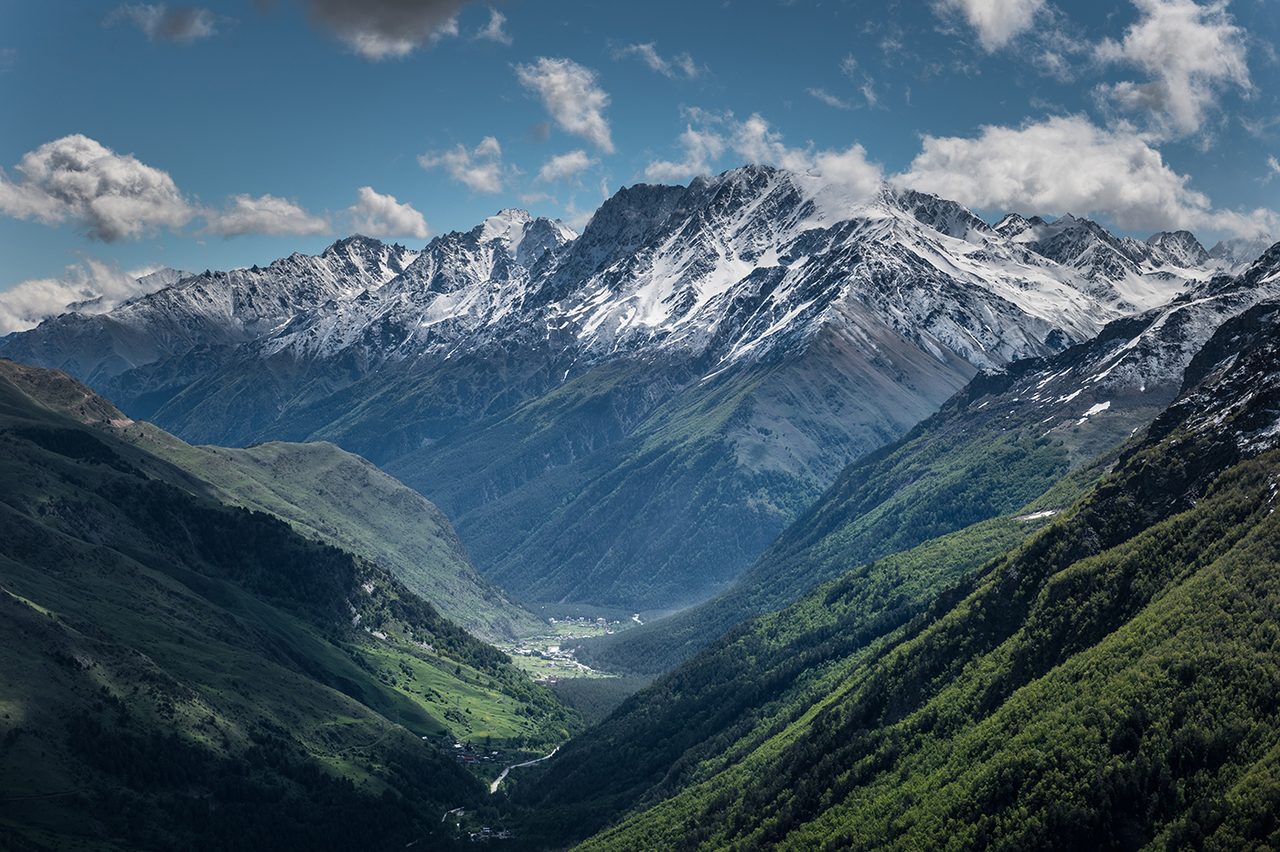
In the mountains (the Urals, Altai, Caucasus and Sayans mountains), zones change not from north to south, but from the foothills to the peaks. The higher you go, the colder it gets!