

Ethnic groups of Russia: Mari
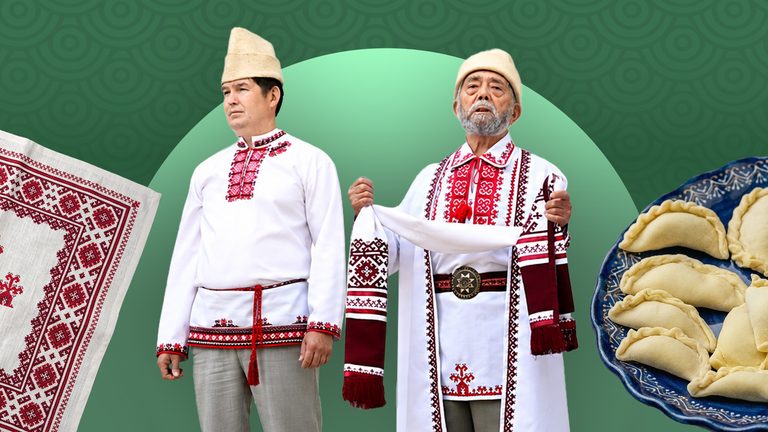
More than 190 ethnic groups live in the Russian Federation. Today we're highlighting the Mari!
More than 420,000 members of this Finno-Ugric ethnic group live in Russia, primarily in the Republics of Mari El and Bashkortostan. The Mari people's self-designation has Iranian roots and means ‘person’ or ‘man’. Before the 1917 Bolshevik Revolution, they were called ‘Cheremis’. According to one theory, this ethnonym is derived from the Turkic root ‘cher’, meaning "to fight, to wage war".

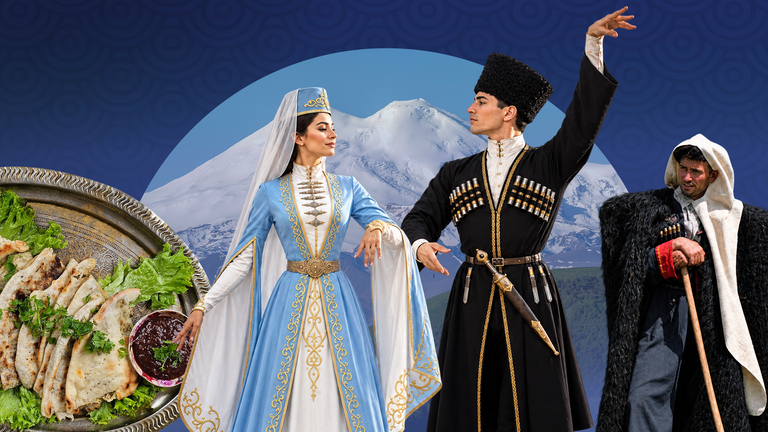
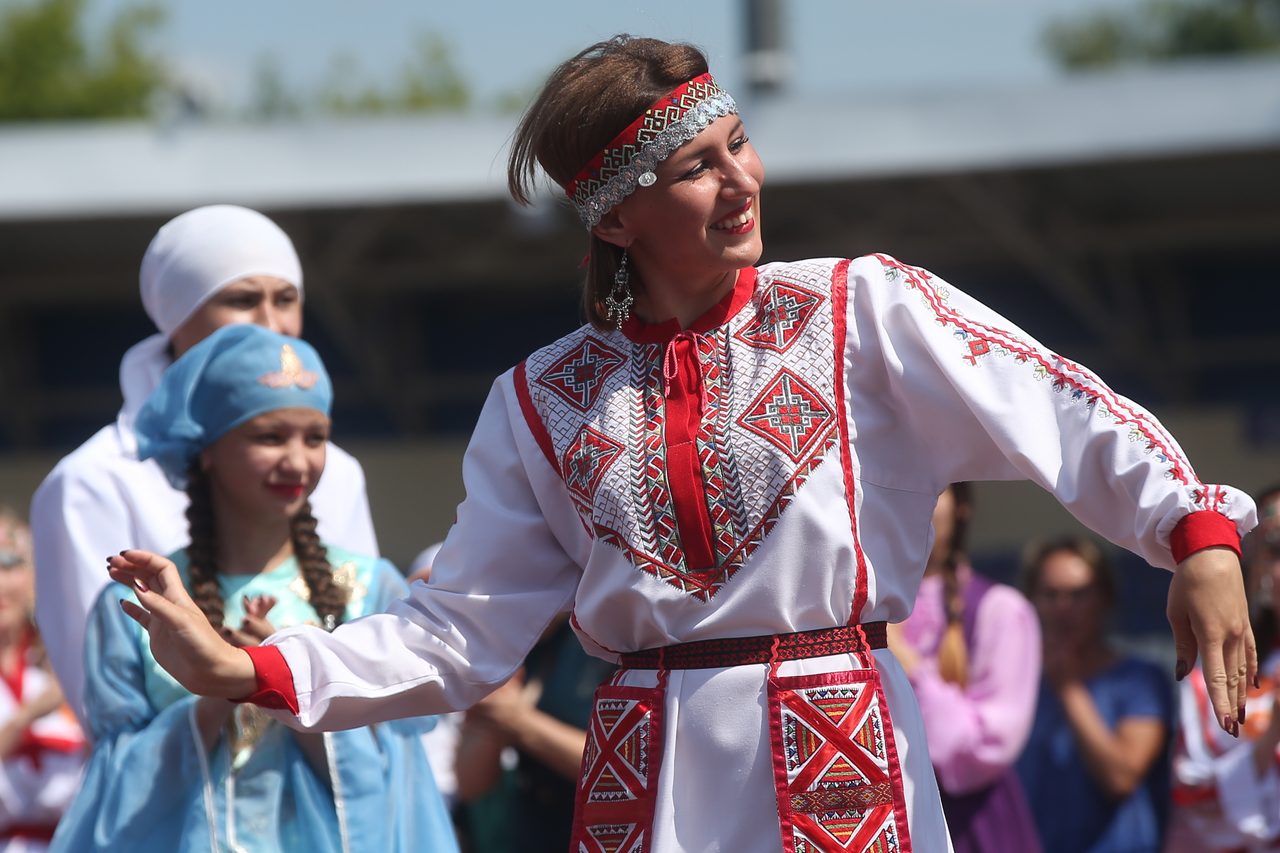
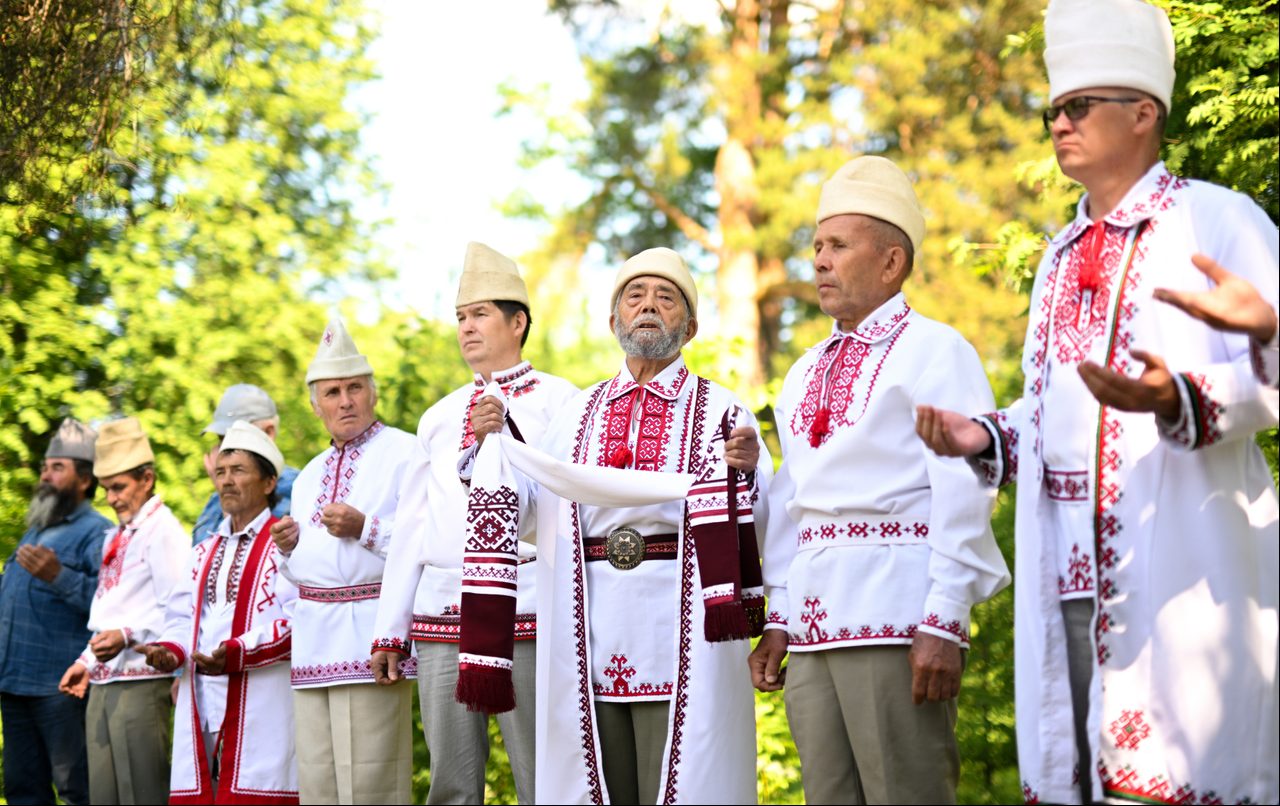
The main holiday of the Mari people is ‘Peledysh Payrem’, which translates as ‘Flower Festival’. It commemorates the completion of spring fieldwork. It’s usually celebrated in June, with concerts, competitions and craft exhibitions, while a ceremonial procession in national costumes takes place in Yoshkar-Ola, the capital of Mari El.
Many Mari people still adhere to traditional beliefs today. They’re often referred to as the last pagans in Europe. The Mari pantheon includes approximately 40 gods and a multitude of various spirits, who are appeased with animal sacrifices. Religious services are conducted by ‘karts’ (priests) in sacred ‘kusotos’ (groves).
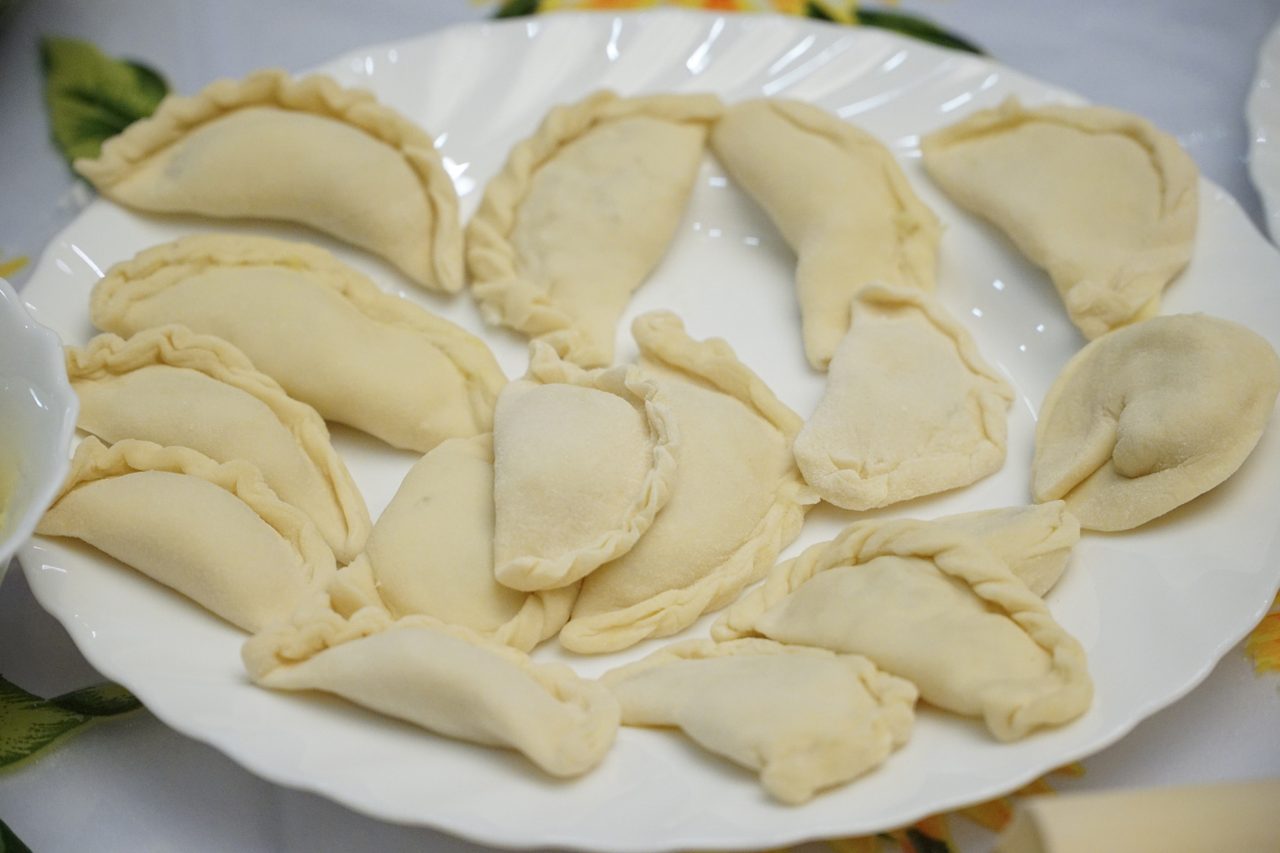
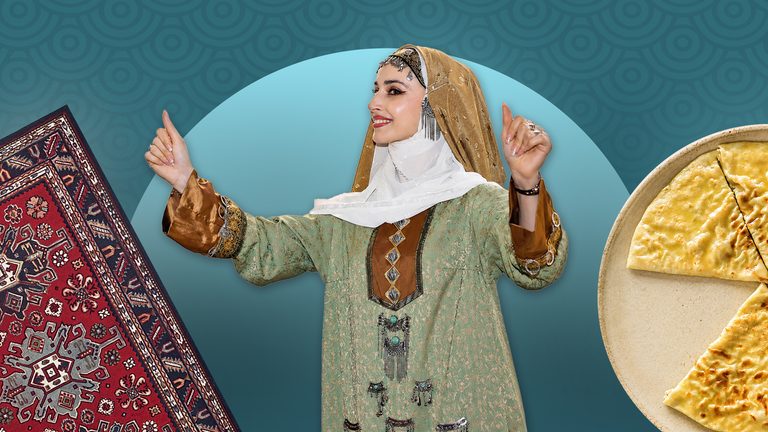
The main national dish of the Mari people is ‘podkogylyo’ dumplings. They’re made from unleavened rye or wheat dough with fillings of hare, badger or fish. Three-layer ‘komanmelnas’ (pancakes), made from different types of flour, are also popular.