Ethnic groups of Russia: Koryaks
More than 190 ethnic groups live in the Russian Federation. Today, we're highlighting the Koryaks!
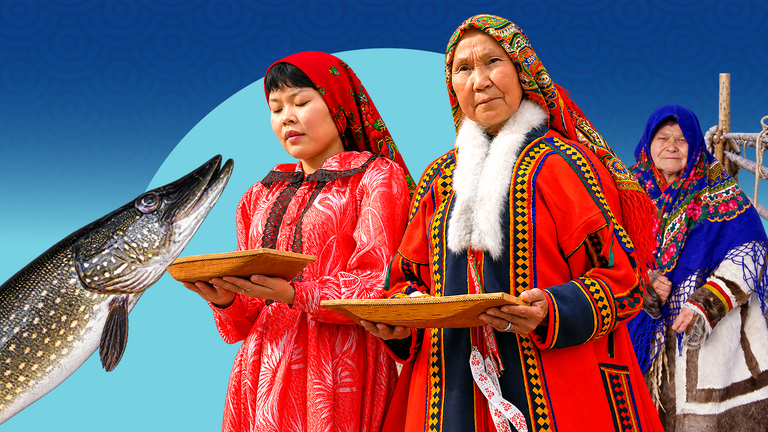
The Koryaks are an indigenous people of the Russian Far East, numbering nearly 8,000 individuals. About 15,000 years ago, the ancestors of the Koryaks chose not to join the mass migration of tribes from Asia to North America; and, today, their descendants primarily inhabit the northern part of the Kamchatka Peninsula.
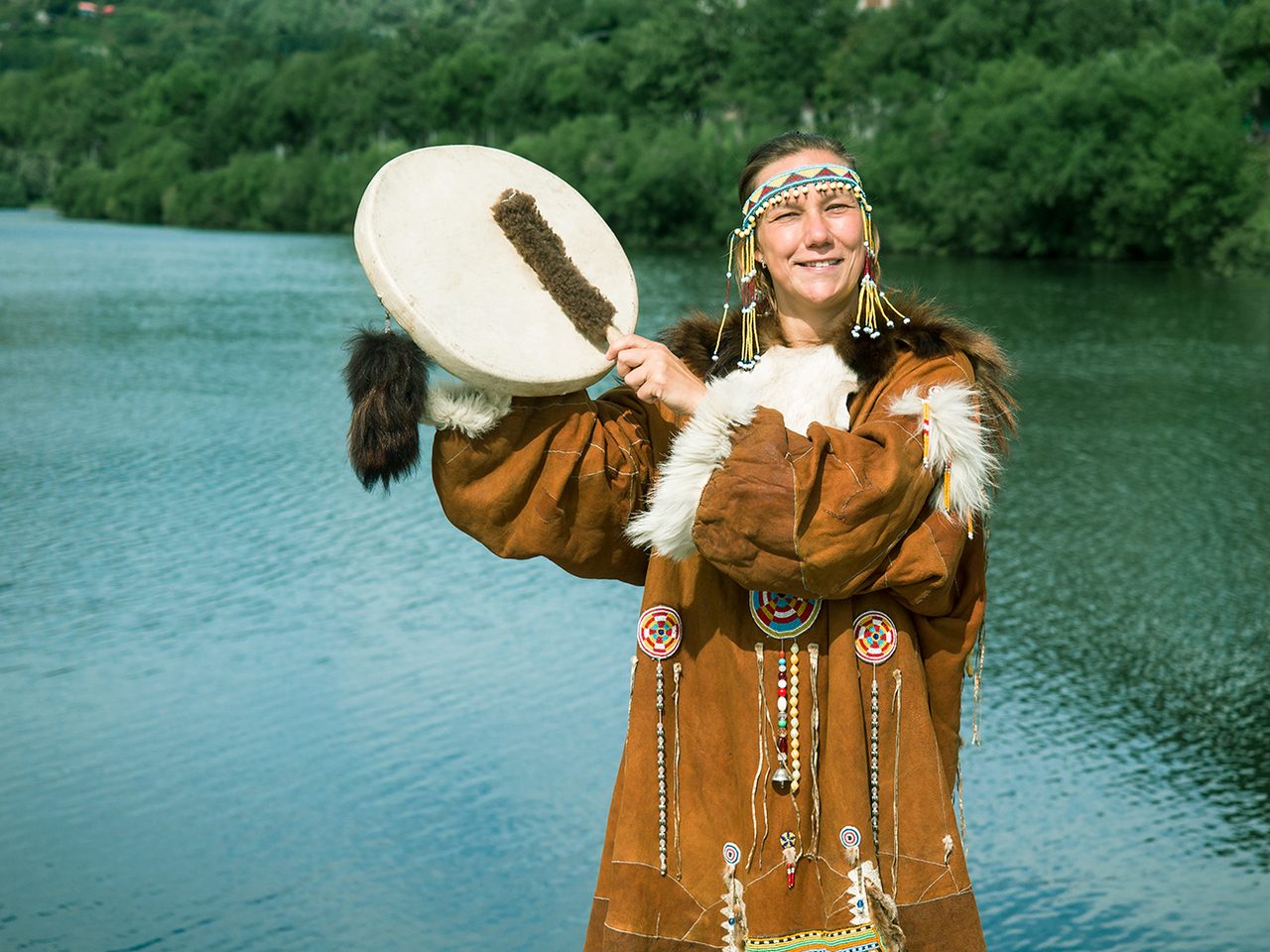
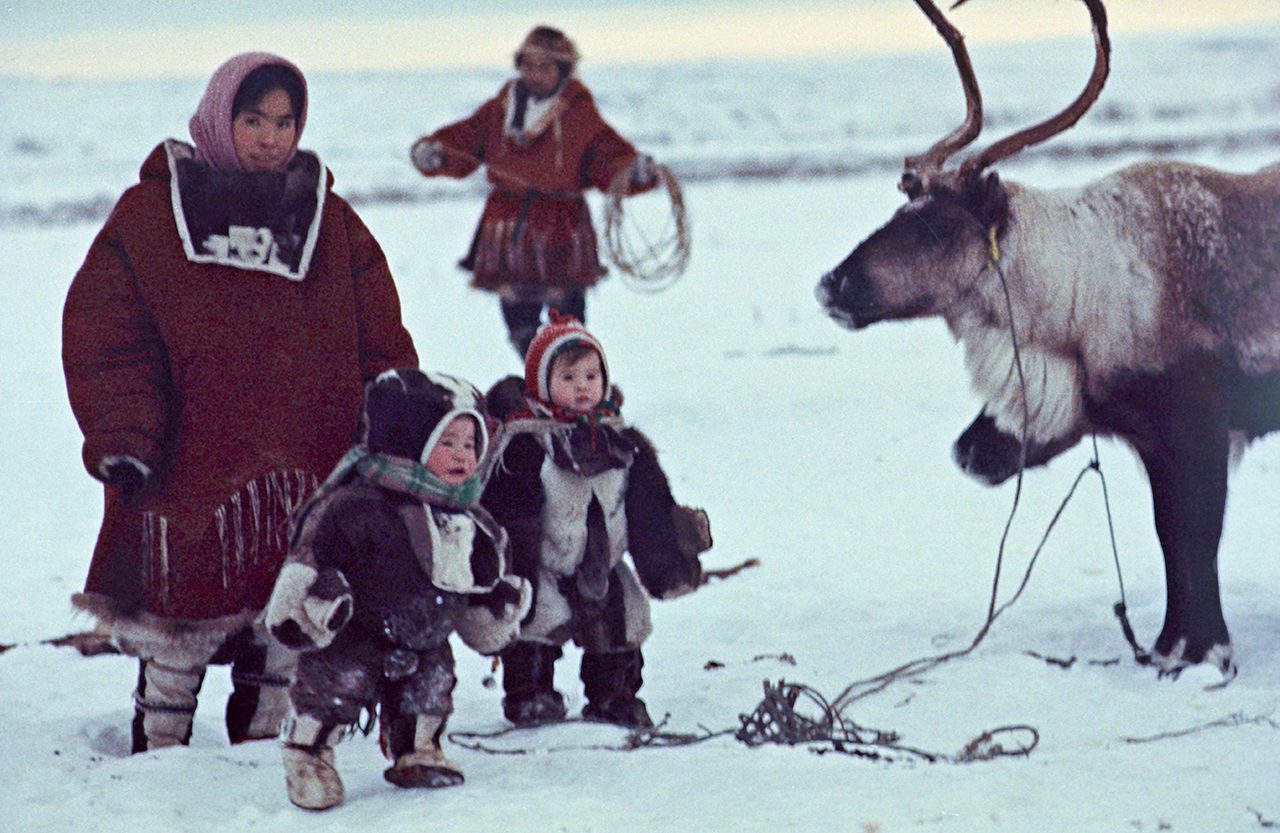
The ethnonym ‘Koryak’ originates from the Chukotko-Kamchatkan languages and translates as “one who is with the reindeer”. Russian explorers began using this term in the 17th century. The Koryaks themselves do not refer to themselves by this name. They’re divided into the ‘Chavchuven’, who are nomadic reindeer herders, and the ‘Nymylan’, who are sedentary fishermen.
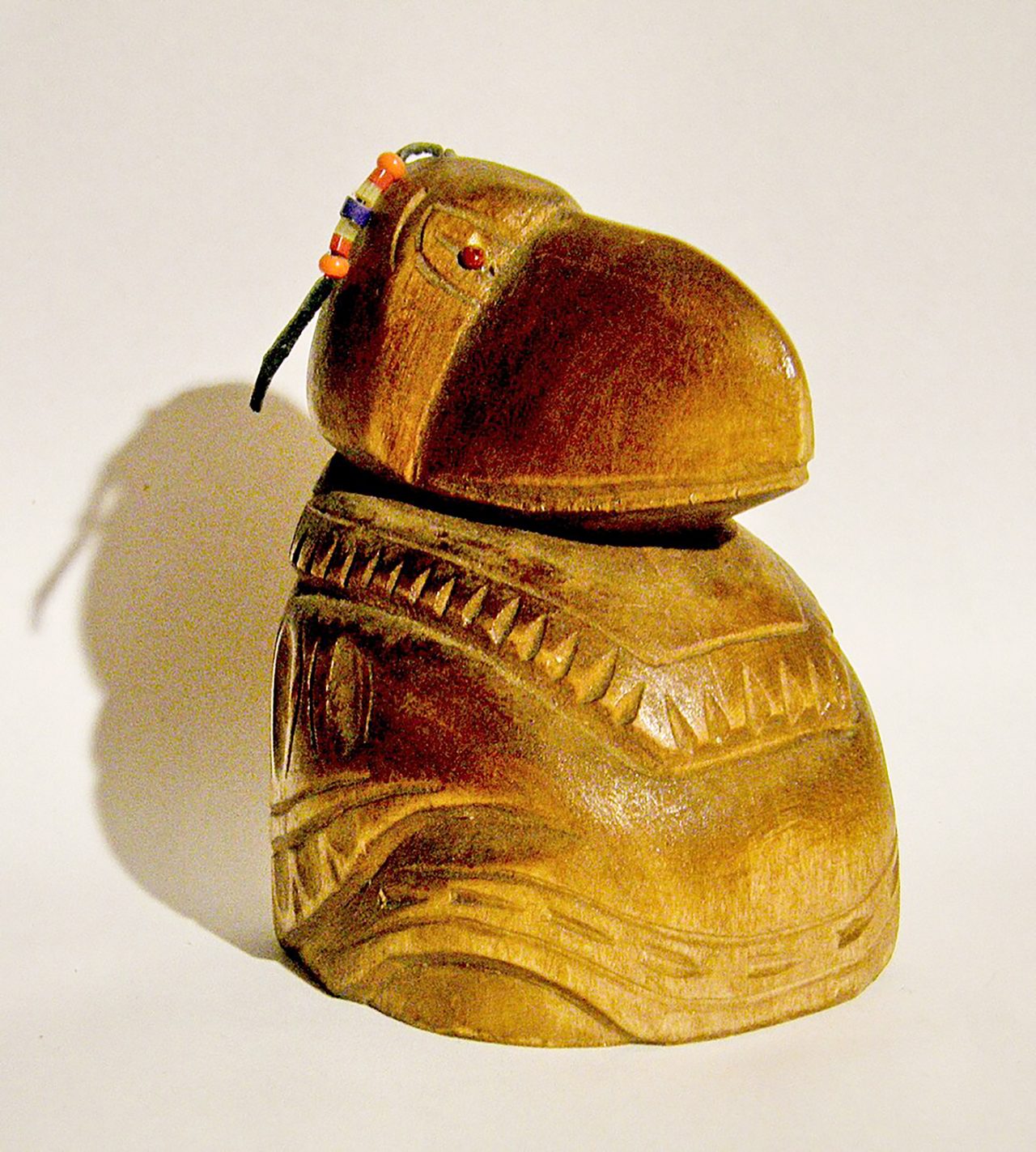
Today, most Koryaks practice Orthodox Christianity; however, in ancient times, their belief system centered on the Great Raven Kuikynnyaku. According to tradition, he created the world, served as the progenitor and protector of the Koryaks and taught them how to make fire, hunt and fish.
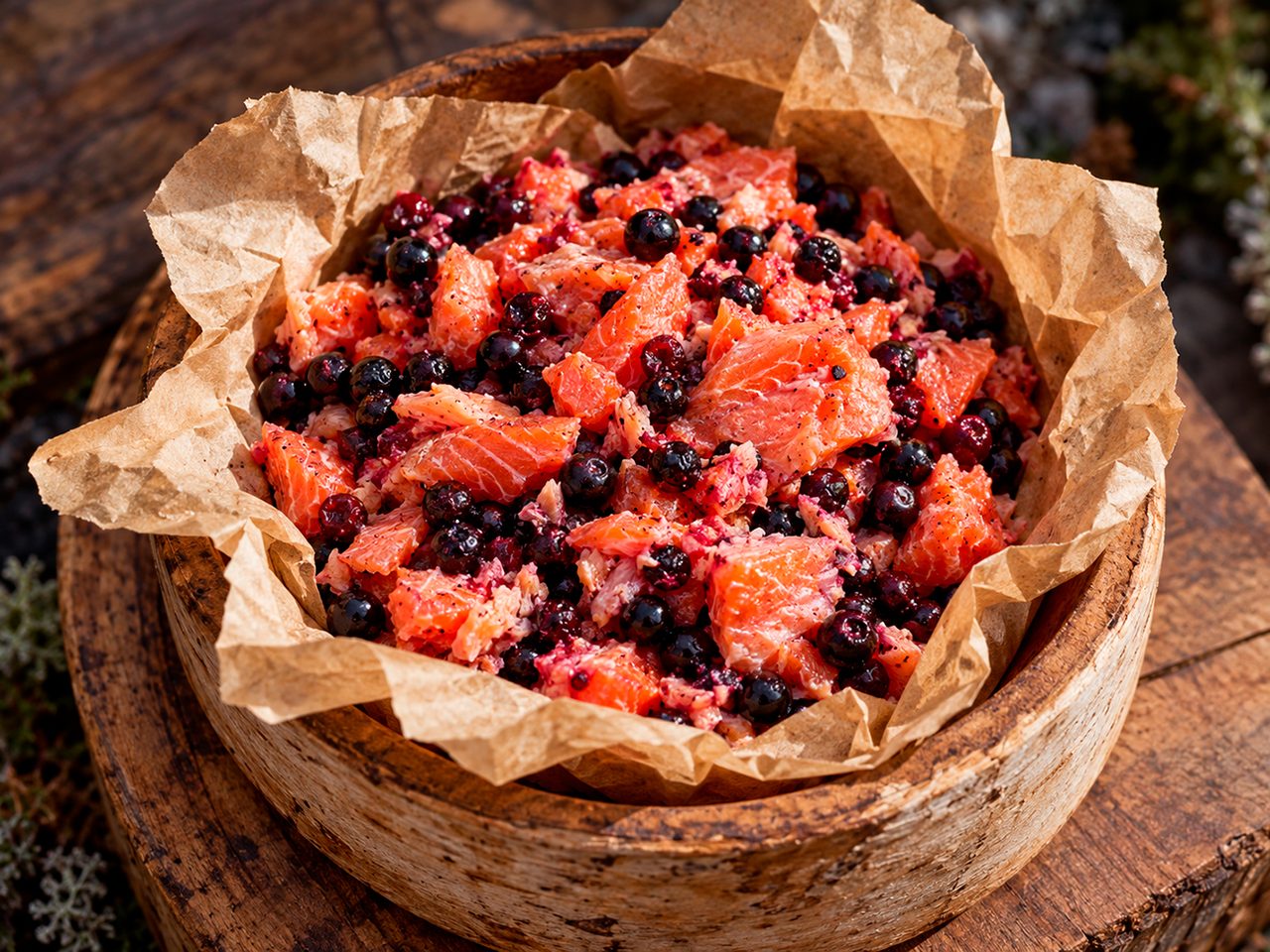
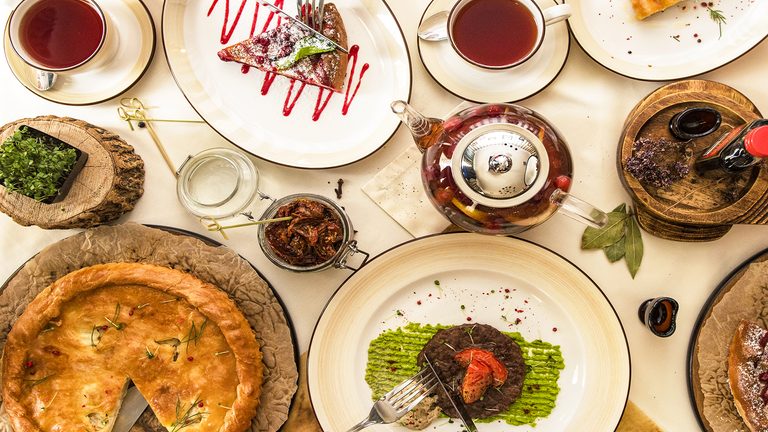
The main dish of Koryak cuisine is ‘kalakal’ – a salad made from red fish and crowberries (‘shiksha’), dressed with seal fat. Another popular dish is ‘uil-uil’, a soup prepared from fresh reindeer blood, to which the animal’s raw stomach and lungs are added.