


7 legal tips to not violate Russian migration laws

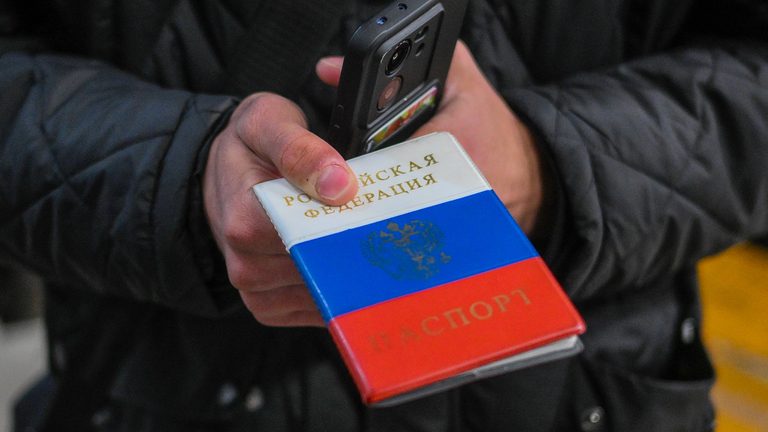
Foreigners living in Russia often make the same mistakes, which lead to problems, including deportation. What should one keep in mind to avoid this? We spoke with a migration lawyer.
1. Observe your period of stay in Russia
“One of the most common problems among migrants is overstaying their permitted time in Russia. This leads to entry bans or deportation,” says Tatyana Dronova, a migration lawyer at the ‘Moy Advokat’ (‘My Lawyer’) Moscow Bar Association.
There is its own specific stay period for each. Violations are often committed by citizens of countries that have visa-free arrangements with Russia (especially Uzbekistan, Moldova, Azerbaijan, Kyrgyzstan, Armenia and Kazakhstan). For them, the permitted stay is most often limited to up to 90 days per visit.
Foreigners from visa-required countries are limited by their visa's validity and they have to register with the migration service within seven days upon arrival. A longer stay requires a valid reason; for example, an employment contract.
The lawyer also notes that students often forget to extend their stay in time.
2. Extend your period of stay in advance
 The Multifunctional Migration Center (MMC) in Sakharovo
It's best to file an application for extension at least a month before your permitted stay expires.
“One of the new provisions is a petition to extend one's stay in Russia. This is an application that must be submitted to the Ministry of Internal Affairs, allowing you to stay in Russia for up to one year, after which you can extend the period again,” the lawyer explains.
This petition must be submitted by everyone: those with temporary residence permits (including those based on marriage), those with temporary asylum status and people with employment contracts.
3. Stay at the address you’ve registered in
“A foreigner cannot be registered at one address but actually live at another,” the lawyer warns. The Ministry of Internal Affairs scrutinizes this very carefully.
For example, in Moscow and Moscow Region, a system has been introduced to track the location of foreign citizens using a special mobile app called ‘Amina’.
If a foreigner travels to another region of Russia (even as a tourist or private individual, not for work or study), they must register at their new place of stay within seven working days.
Hotels do this automatically, but if a foreigner is staying in an apartment, the owner is obliged to register them.
4. Have a transparent employment contract
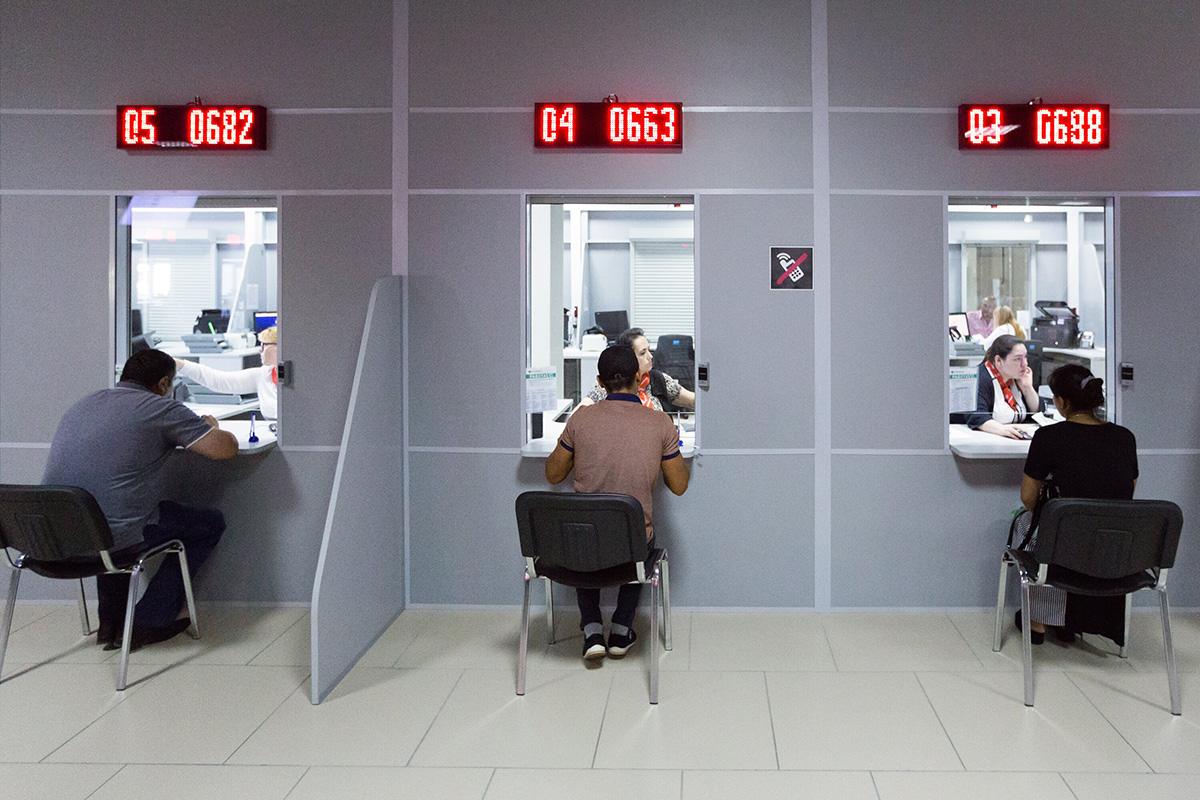
Those entering Russia for work purposes must, within a specific timeframe (which varies by country), formalize an employment contract and notify the Ministry of Internal Affairs.
It is crucial to have lawfully issued patents or employment contracts. The foreigner should discuss this with their employer in advance.
Under no circumstances should you purchase fake documents or work without authorization, as this leads to the most severe consequences, including entry bans.
If a foreigner is not in Russia under an employment contract, they still need to support themselves or have a legal sponsor.
5. Learn Russian

“The Russian language is absolutely essential now and, in most cases, you need to pass a Russian language exam to obtain documents. Therefore, I recommend everyone take Russian language courses,” says Tatyana.
When filing an application with the Ministry of Internal Affairs or trying to resolve a problem, do not expect others to provide translation assistance. You need to be able to articulate your situation clearly.
“It's important to briefly and concisely state your problem in two or three sentences, draft an appeal and gather all the necessary documents (and it's best to bring copies),” the lawyer advises.
6. Carefully check your personal data on documents
“It often happens that your birth certificate says one thing, your passport says another, and your migration card says a third. This creates a snowball of even more problems,” Tatyana notes.
It's important to verify your information in advance, as even a typo of a single letter can cause problems. If an error is found, you must file a request for correction with the Ministry of Internal Affairs.
7. Keep track of changes in laws
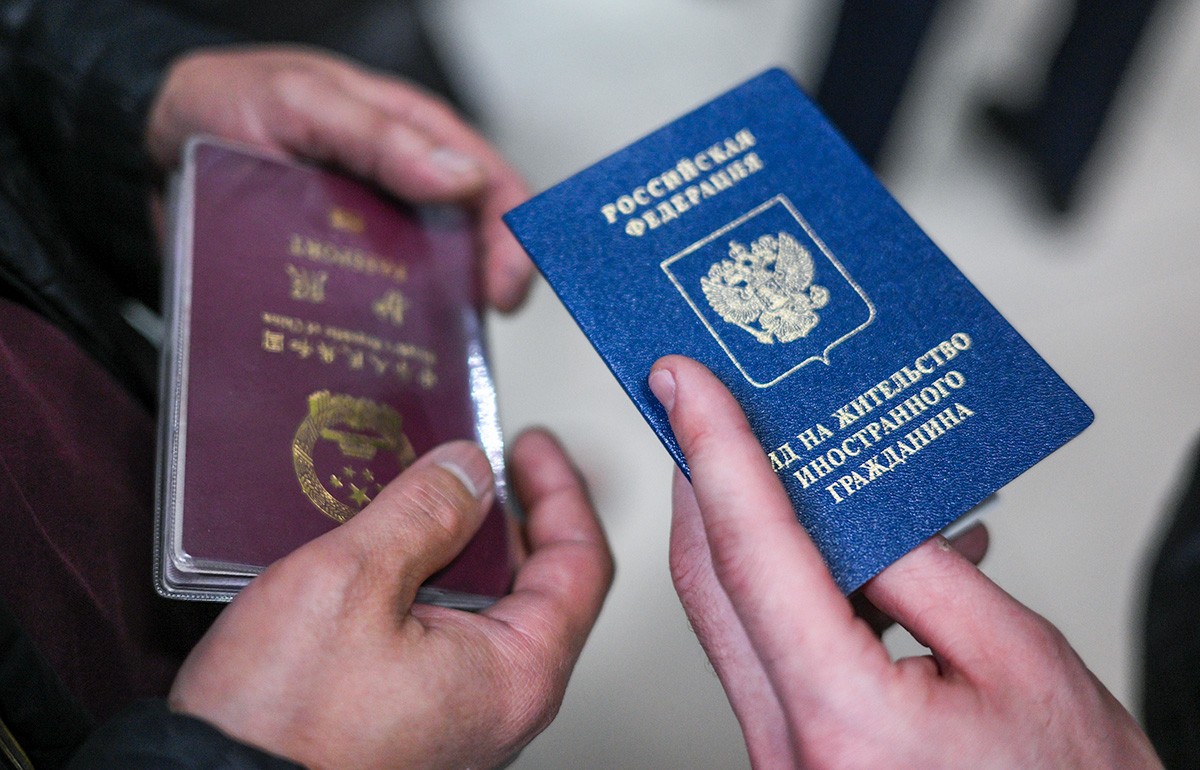 A permanent residence permit
Changes in migration legislation occur quite frequently: rules and grounds for entry, obtaining temporary residence permits, or rules for extending periods of stay change. Therefore, it's important to always monitor updates to avoid running into problems.
Recent changes, for example, concern permanent residence permits.
“If you received a permanent residence permit based on marriage and then divorce, the permit is revoked and you must leave the country. The same applies to a permanent residence permit based on a specific profession. If you no longer work in that profession, your permanent residence permit will be revoked.”