
5 facts about the Shukhov Tower, Russia's first TV tower (PHOTOS)
Until the 1950s, it remained the tallest structure in the USSR.
1 Conceived by order of Vladimir Lenin
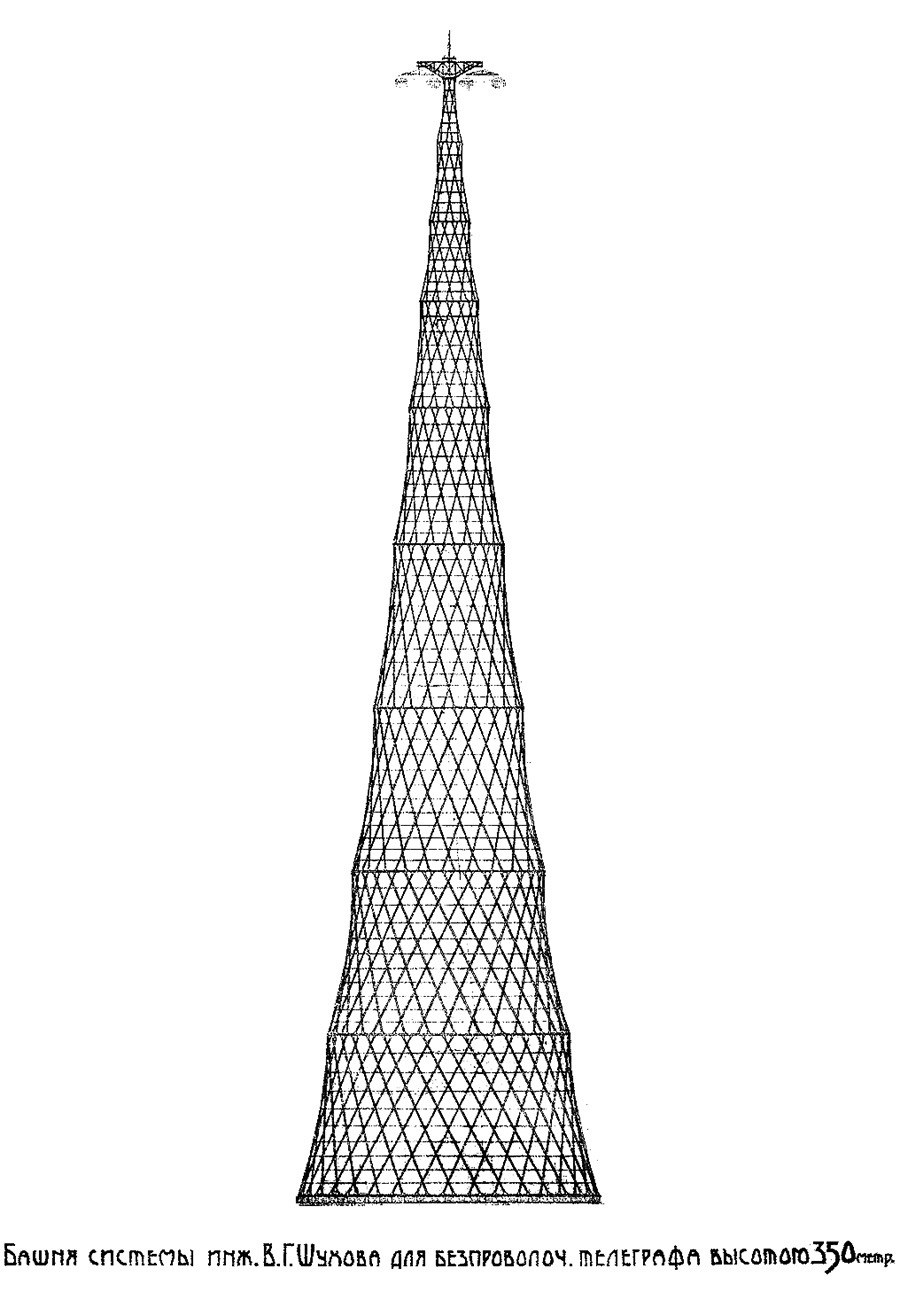
In Summer 1919, the leader of the world revolution signed a decree instructing that a “radio station equipped with the most advanced instruments and machinery” be established in Moscow “as a matter of the utmost urgency”. The need was, indeed, urgent: ‘Khodynskaya’, the only existing radio station, was being overwhelmed by the influx of information.
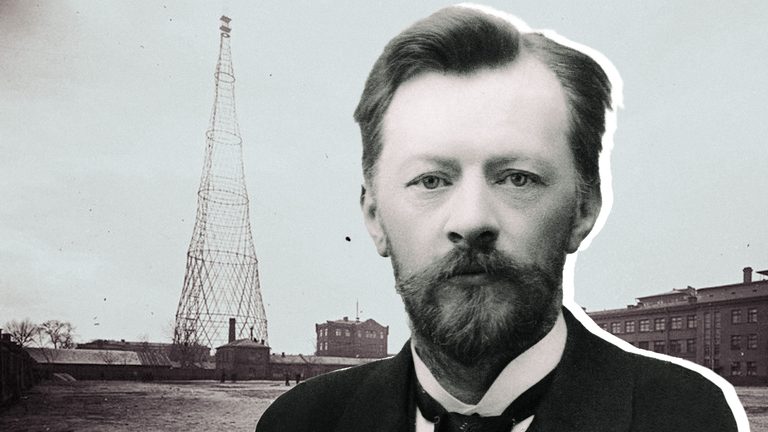
The project was undertaken by Vladimir Shukhov, the renowned engineer and creator of hyperboloid structures. According to the original design, the tower was to be 350 meters tall (15 meters taller than the Eiffel Tower). Had it been built, it would have become the tallest structure in the world. But, the Civil War was raging and shortages were felt everywhere: in tools, labor and materials. Although metal was allocated from military reserves, it was only enough for 148.5 meters. The final design was personally approved by Lenin.
2 Unique design
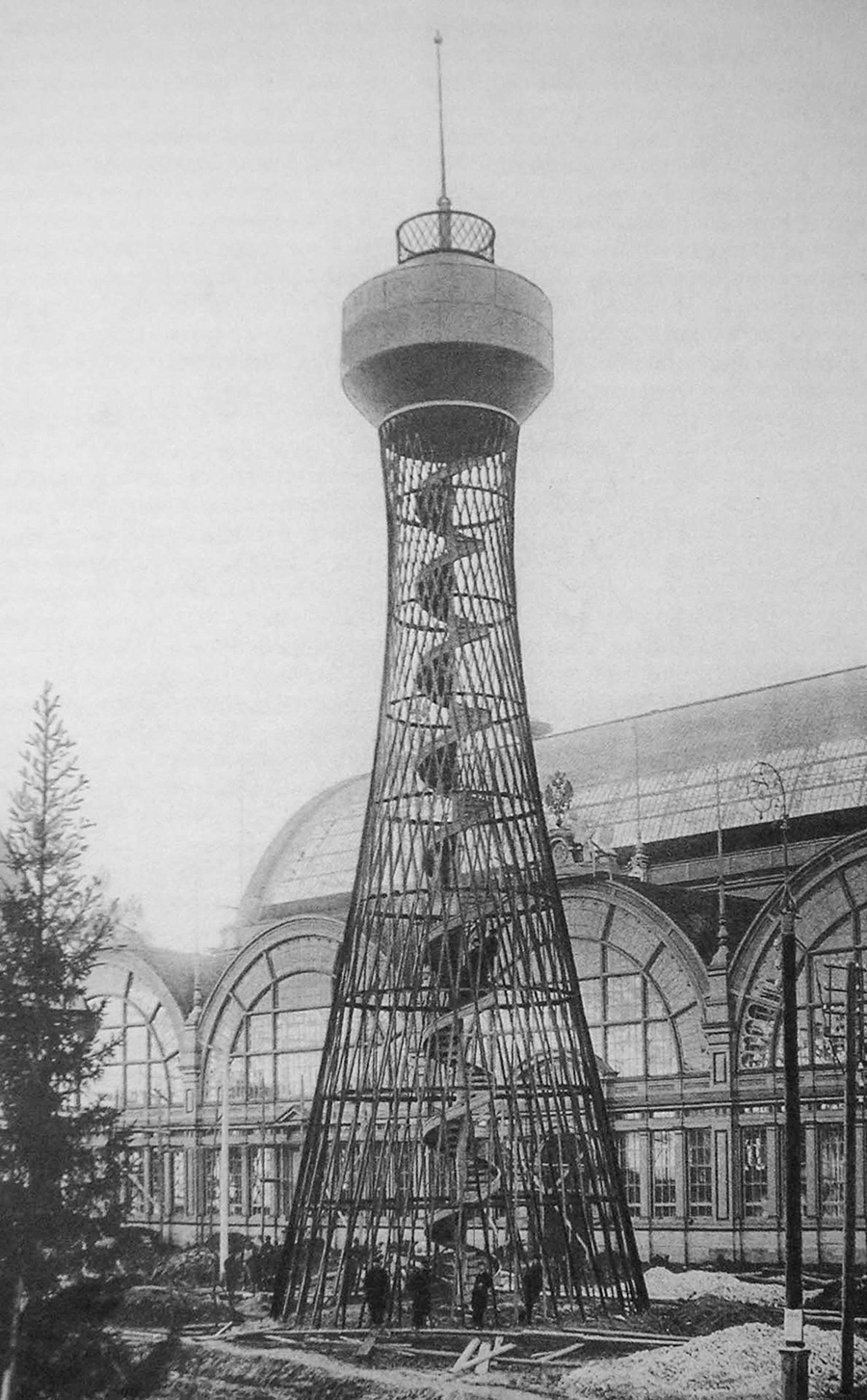
Vladimir Shukhov developed the first hyperboloid structures as early as the late 19th century. At the ‘All-Russian Industrial Exhibition’ in 1896, he built eight pavilions with mesh vaults and one hyperboloid tower. It’s considered the prototype for the Shukhov Tower. But, remarkably, none of his projects repeated a previous one; they all differed from one another in some way.
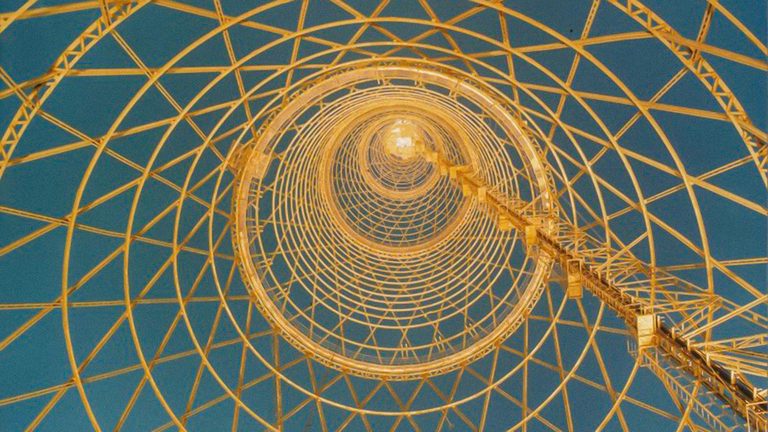
The Shukhov Tower consists of a hyperboloid lattice shell made of steel elements, assembled from six sections, each 25 meters long. This design allows for the load to be evenly distributed across all elements and, in addition, requires significantly less metal. Engineer Alexander Galankin, who worked with Vladimir Shukhov, wrote that the tower's design resembled a socialist society in which everyone was equal. Another advantage was its wind resistance and strength.
3 They built it without using cranes
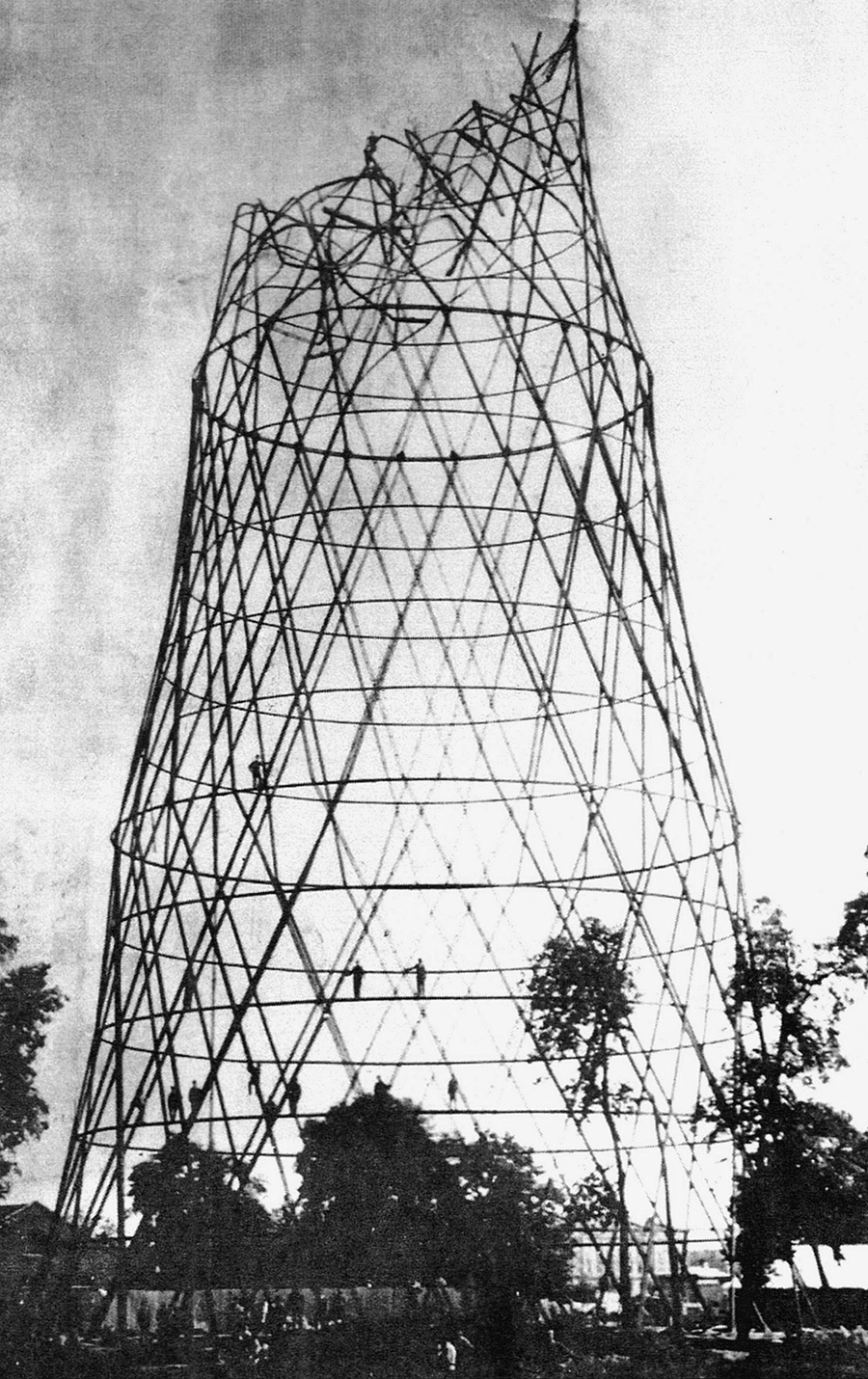
No special equipment was used to erect the tower. Each section was assembled on the ground, then hoisted to the top with cables and secured to the one below it. "Entire sections 25 meters high and weighing up to 300 poods or 10-meter-long crossbeams, without a single worker atop them, suddenly appeared against the cloudy sky," wrote Galankin.
4 The first television tower in the country
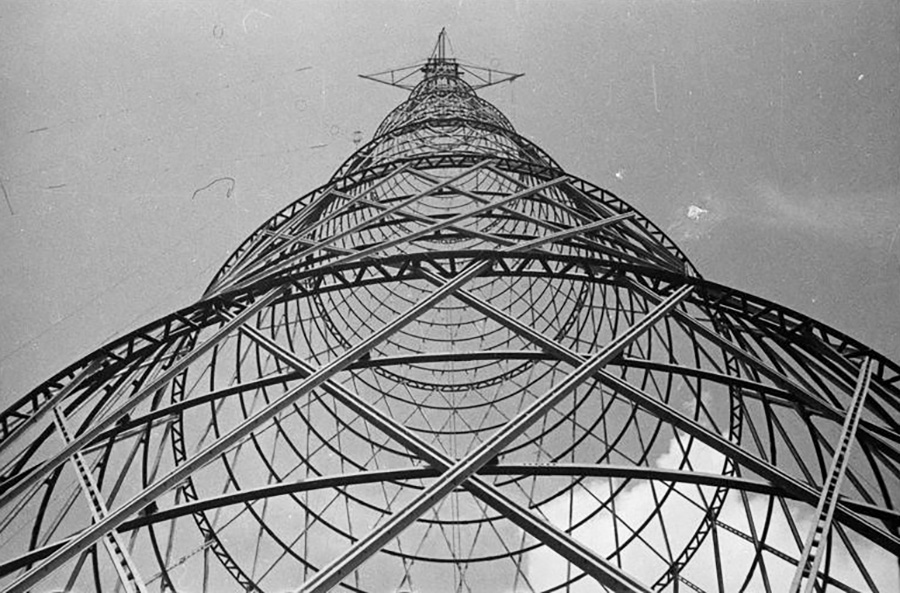
In Spring 1922, the tower began operating – it became the first structure of the Soviet state and a symbol of the era. It provided the Moscow Radio Station with a broadcast range of an incredible 10,000 kilometers. In September of that year, the first radio concert in the USSR was broadcast from the Shukhov Tower and, 17 years later, regular television broadcasts began with a documentary about the opening of the 18th Communist Party Congress.
The Shukhov Tower instantly became a "star": it was photographed by Alexander Rodchenko and images of the structure appeared on numerous posters. Until the construction of the Ostankino Tower in 1967, the Shukhov Tower served as the main television transmitter in the USSR. Television broadcasts from there continued until 2002.
5 Inspired famous architects
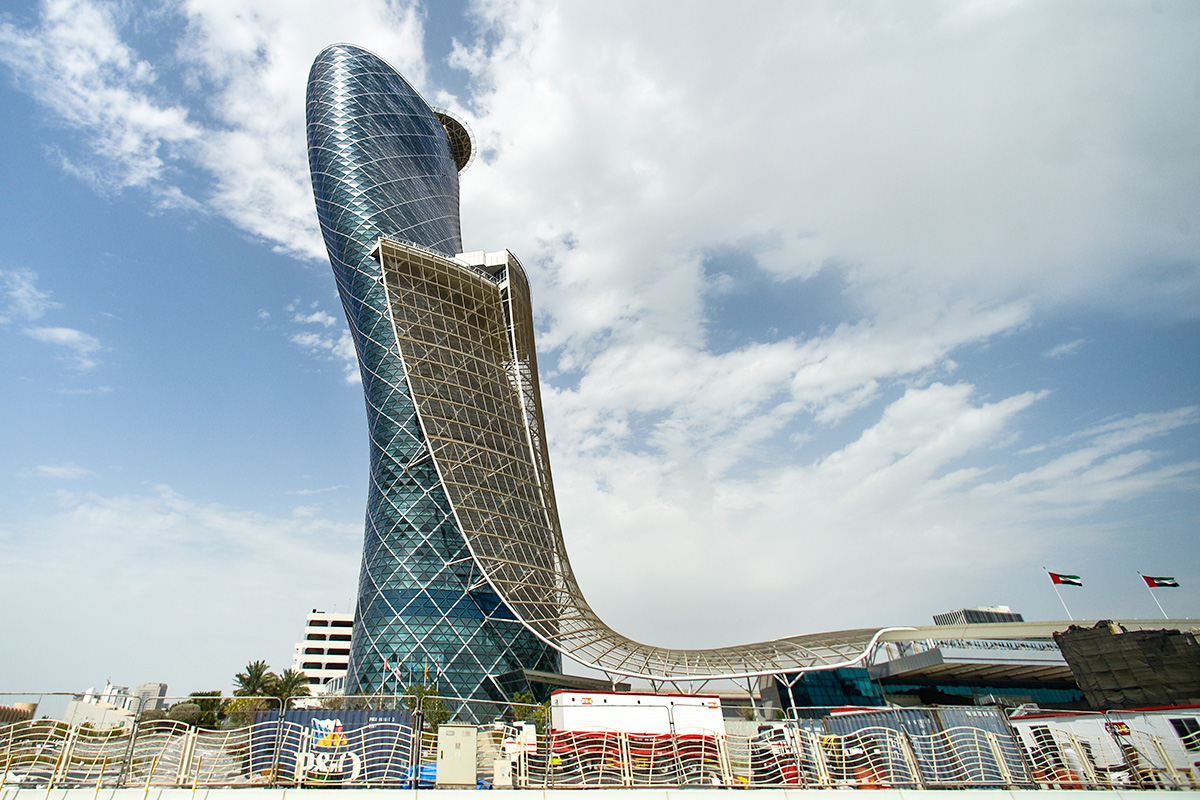 A view of Capital Gate (also known as Leaning Tower of Abu Dhabi).
Hyperboloid towers can be seen throughout the world today. The Sydney TV Tower, designed by Donald Crone, remains the second-tallest building in Australia. In Guangzhou, the 600-meter television tower, designed by Mark Hemel and Barbara Kuyt, is the tallest such structure in the world. British architect Norman Foster has repeatedly drawn on the legacy of Vladimir Shukhov, calling him his idol in structural engineering. In London, the 180-meter ‘Gherkin’ skyscraper commemorates him. And, in Abu Dhabi, there is the Capital Gate skyscraper. For this project, Foster further curved the original hyperboloid structure.