Why was Leo Tolstoy never awarded the Nobel Prize?
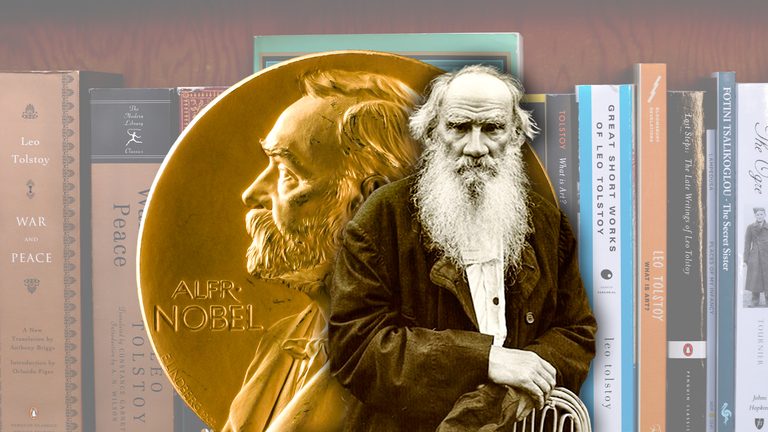
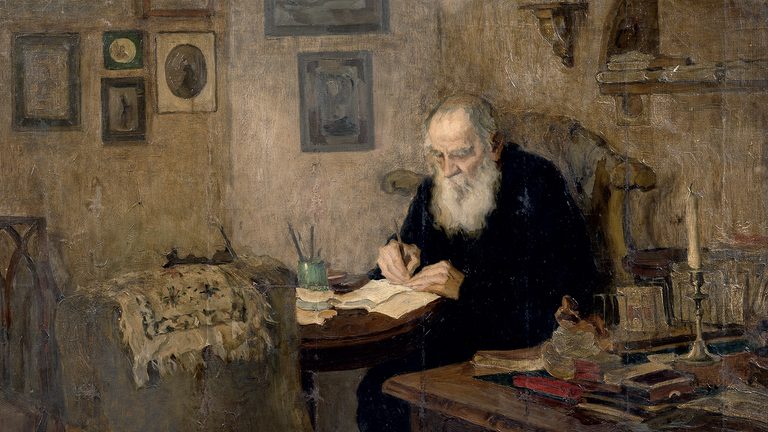
At the beginning of the 20th century, Leo Tolstoy was one of the world’s most influential writers. The fact that he was nominated multiple times for a Nobel Prize – both in literature and for peace – is proof of this.
Yet, he was never awarded either prize.
The writer was nominated five times (in 1902, 1903, 1904, 1905 and 1906) for the Nobel Prize in Literature and three times (in 1901, 1902, and 1909) for the Nobel Peace Prize.
One of the reasons he never received the award was an "ideological conflict" with the spirit of the award. Alfred Nobel’s will stipulated that the literature prize should be awarded to works of an "idealistic nature". The Swedish Academy, whose members were quite conservative, viewed the philosophy of the late Tolstoy as dangerous and destructive.
In an official statement from 1902, the committee explained its decision by noting that Tolstoy "rejected all forms of civilization", advocated for a "primitive way of life" and "anarchic ideas" and had "arbitrarily rewritten the Bible". Carl Wirsén, secretary of the Swedish Academy, later confirmed that Tolstoy was rejected precisely because he condemned civilization and preached a return to a "primitive life".