How Russian writers both loved & hated Dostoevsky

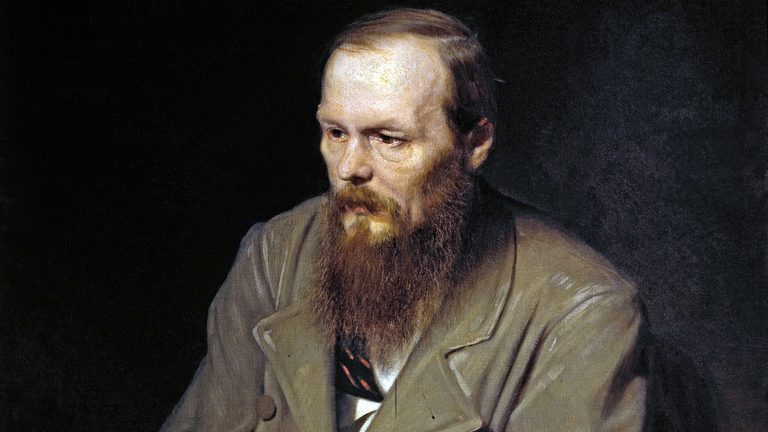
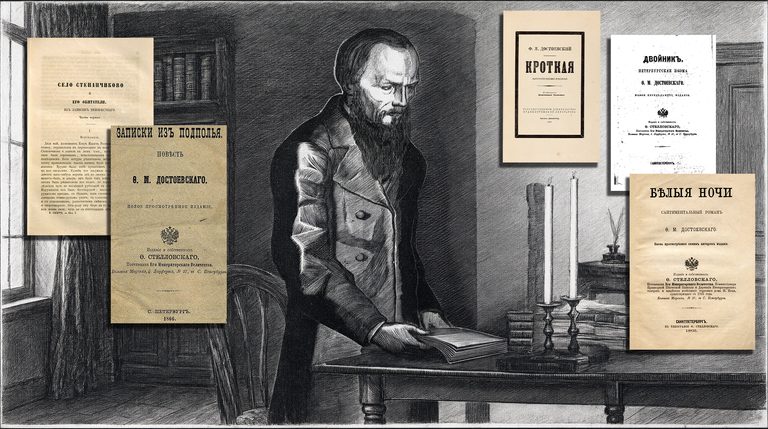
Today, he’s one of the main Russian writers. But, among his fellow writers, attitudes toward him have always been contradictory.
Ivan Turgenev: ‘A pimple on the nose of literature’
In their younger years, Ivan Turgenev and Fyodor Dostoevsky showed interest in each other, which, later, gave way to mutual dislike. Turgenev was irritated by Dostoevsky's excessive “psychological picking” (which he considered implausible) and his manner of delving into the dark abysses of the human soul. “Every two pages, his heroes are delirious, in a frenzy, feverish. That just doesn't happen.”
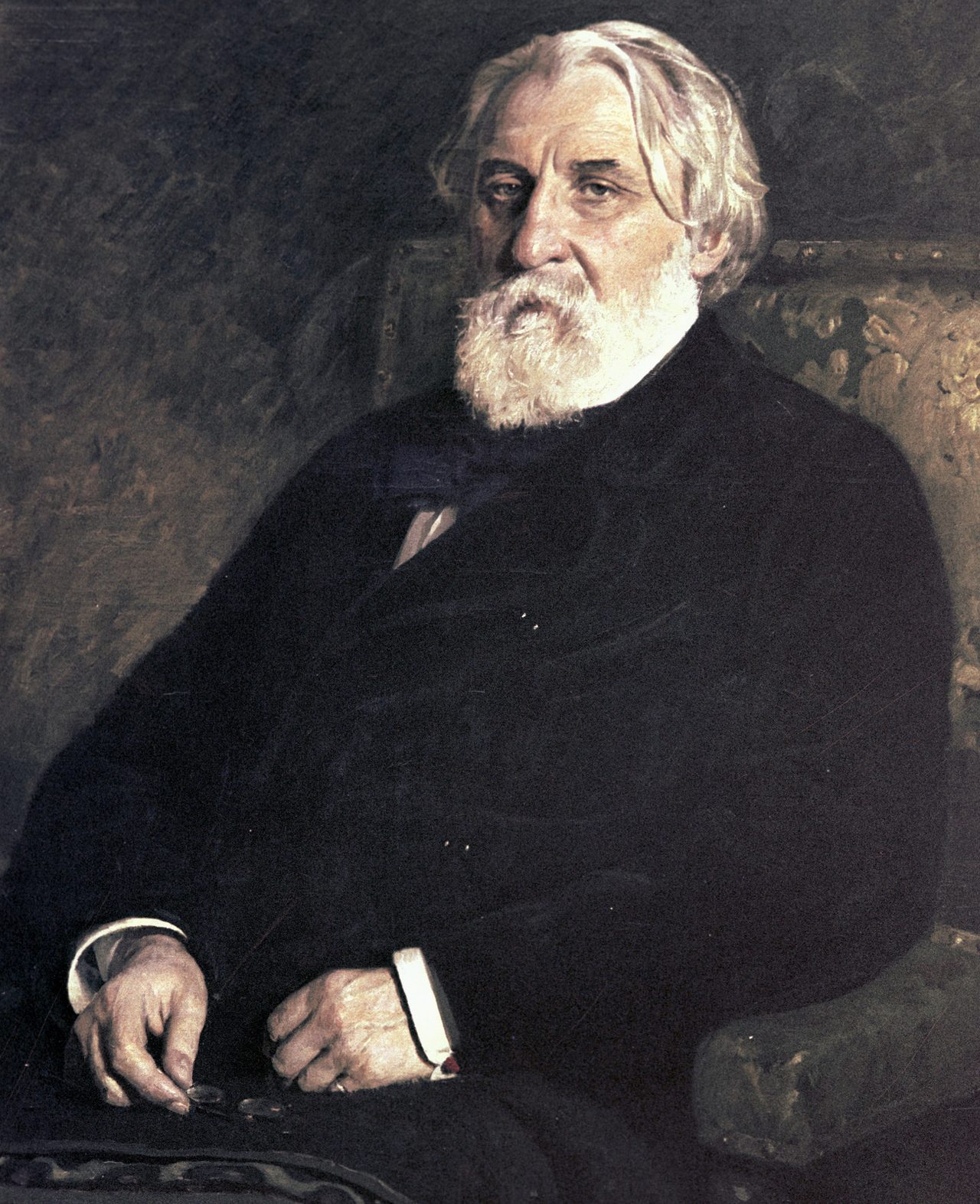 Ivan Turgenev
Turgenev even wrote a caustic poem mocking Dostoevsky's entire biography and calling him “a pimple on the nose of literature”.
They also had ideological contradictions, as Turgenev was a Westernizer, while Dostoevsky was a Slavophile, a ‘pochvennik’ (which meant a philosophical idea of “returning to the native soil”). Dostoevsky believed that Turgenev lacked knowledge of Russian life, since he lived abroad for long periods. “All these little liberals find their first pleasure in cursing Russia,” Dostoevsky wrote after the publication of Turgenev's novel ‘Smoke’. And Turgenev deliberately drew the impulsive Dostoevsky into arguments.
Leo Tolstoy: ‘The closest, dearest, most needed person to me’
The two great contemporaries never met in person. Perhaps, they felt strong competition. They also had serious contradictions on religious grounds and Dostoevsky terribly disliked Leo Tolstoy's ideas.
Tolstoy carefully read Dostoevsky's novels and even made notes. He called the first chapters of ‘Crime and Punishment’ a masterpiece, but then felt that the author was repeating what had already been said. Tolstoy “could not finish” ‘The Brothers Karamazov’: he disliked the strained, artificial language of the characters. But, Tolstoy spoke with delight about ‘The House of the Dead’: “I don't know a better book in all of modern literature, including Pushkin.”
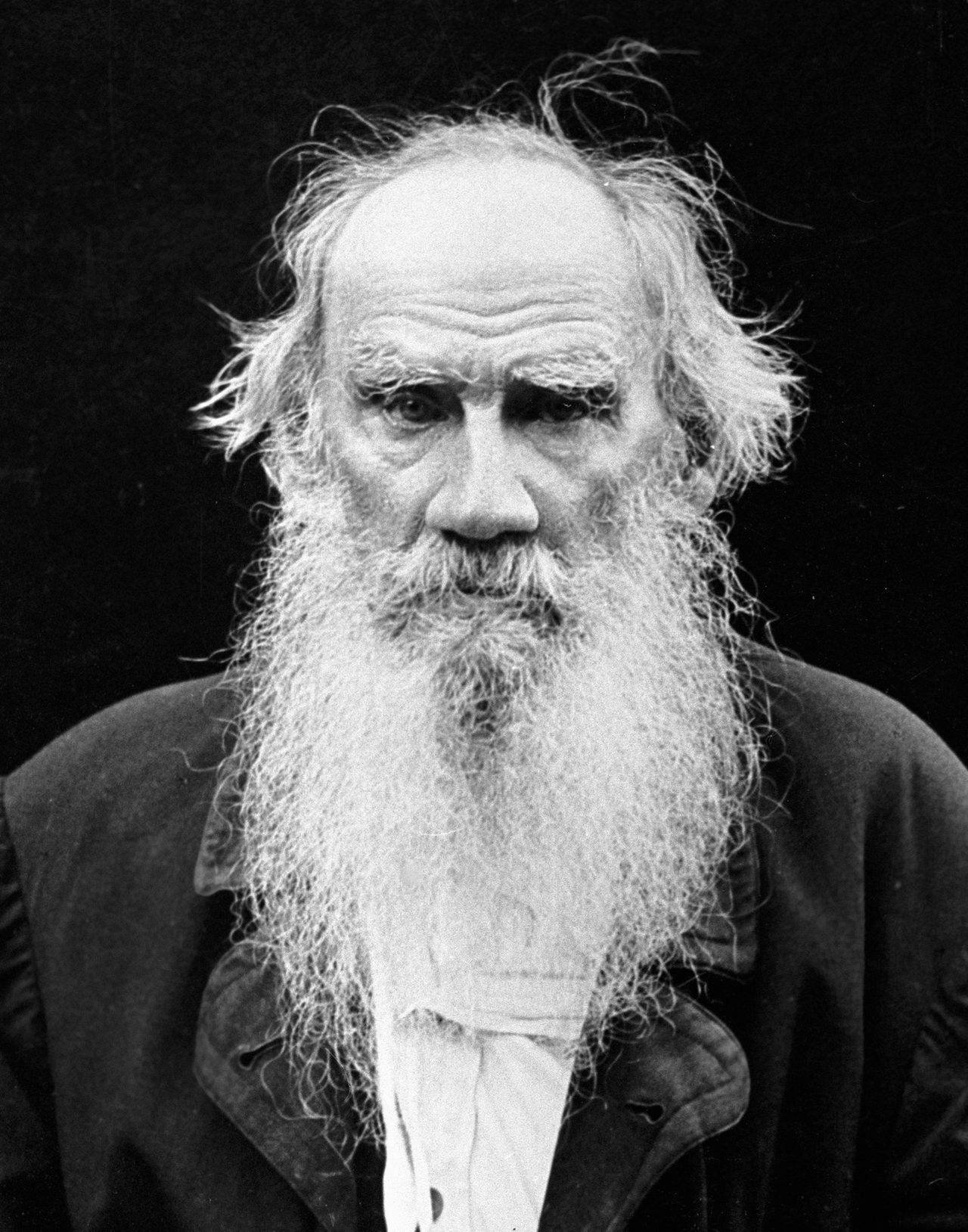 Leo Tolstoy
When Dostoevsky died, Tolstoy grieved and wrote to a friend that some kind of support had fallen away from him: “I never saw this man and never had any direct relationship with him: and suddenly, when he died, I understood that he was the closest, dearest, most needed person to me. And it never occurred to me to measure myself against him, never. Everything he did (the good, the real, what he did) was such that the more he did, the better for me. Art evokes envy in me, intellect, too, but the work of the heart – only joy!”
Nikolai Leskov: ‘The most gifted man’
Nikolai Leskov was a recognized expert on religious themes and the life of the clergy. In this regard, he often noted shortcomings in Dostoevsky (and other writers). “This most gifted man, who passionately loved to touch upon questions of faith, was, to a significant degree, lacking in erudition in spiritual literature,” wrote Leskov.
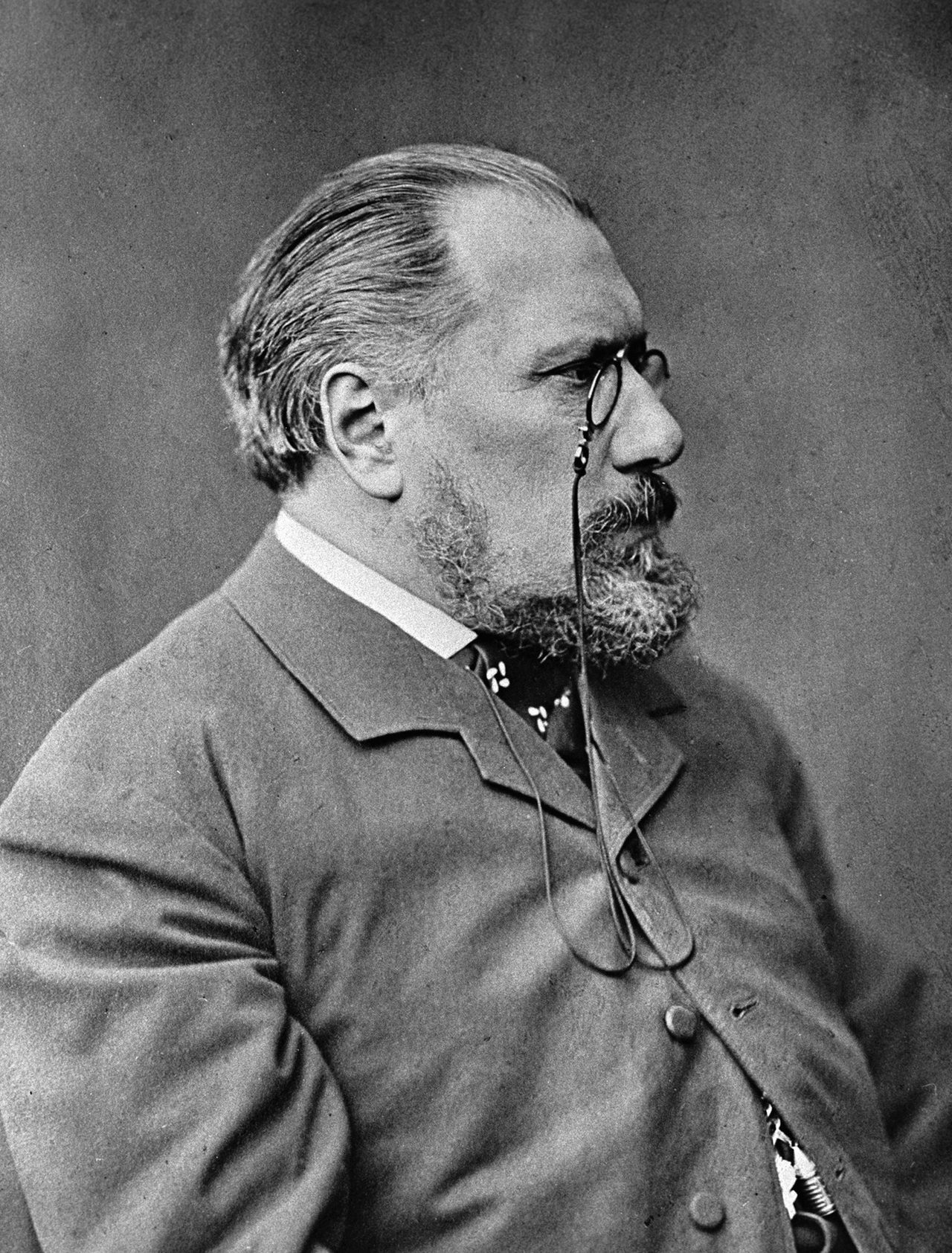 Nikolai Leskov
Nevertheless, Leskov highly appreciated Dostoevsky’s ‘Writer's Diary’. For his cycle of essays on the religious movement among workers, Leskov used as an epigraph a phrase from ‘Writer's Diary’: “Our people can be believed – they are worth believing,” especially noting with what “heartfelt sincerity” Dostoevsky made no exception for any strata of the population.
Vladimir Nabokov: ‘Not a great writer, but a rather mediocre one’
Vladimir Nabokov's dislike of Dostoevsky even became the subject of separate literary studies. Nabokov dissected every verbal error by Dostoevsky. At the same time, in several novels, he either argues with him or parodies him.
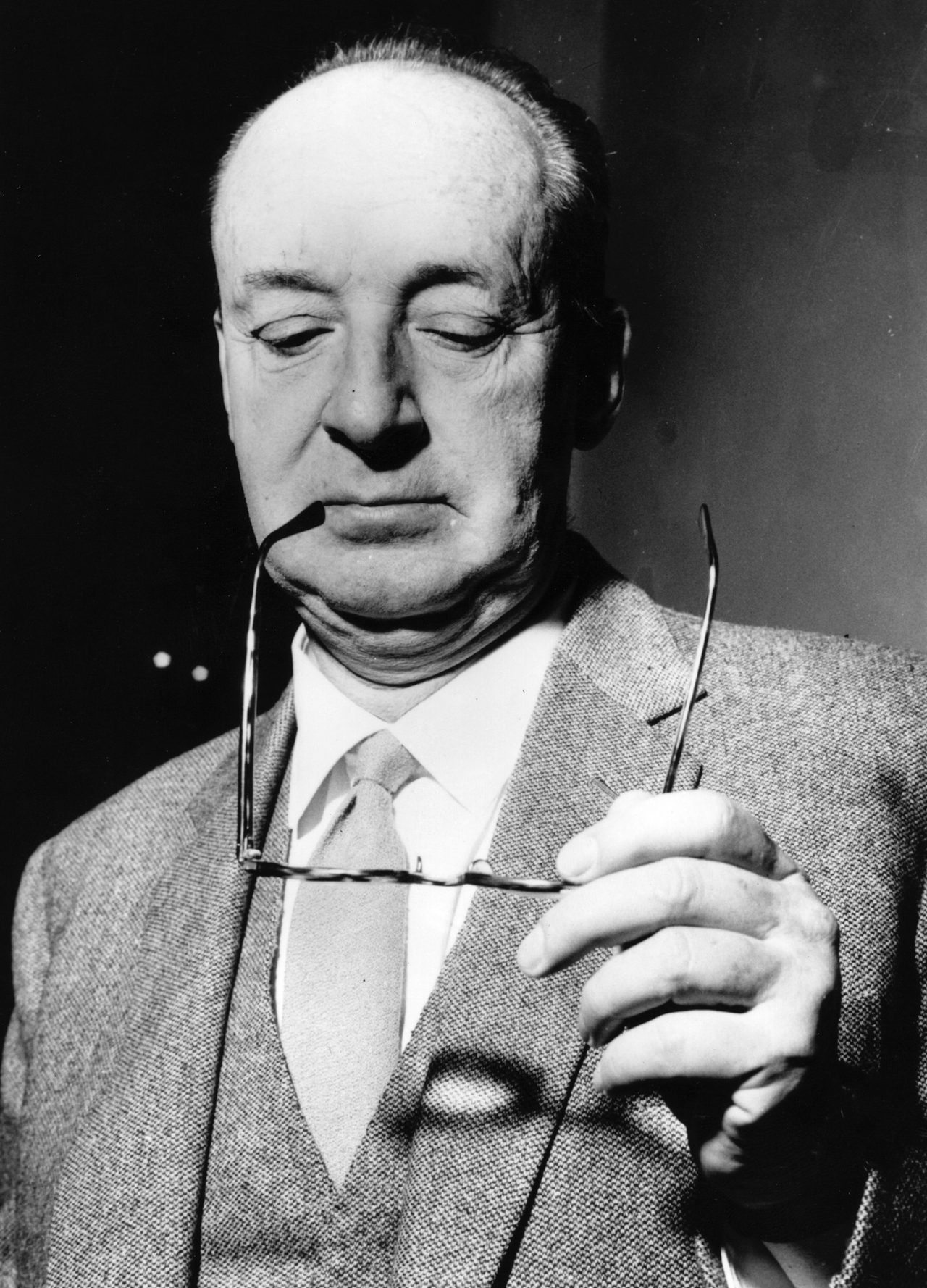 Vladimir Nabokov
Nabokov was also repelled by allegedly excessive religiosity. “Dostoevsky's lack of taste, his endless digging into the souls of people with pre-Freudian complexes, his delight in the tragedy of trampled human dignity – all this is not easy to admire. I am repelled by how his heroes 'come to Christ through sin' or, in Bunin's expression, this manner of Dostoevsky's of 'shoving Christ in where needed and where not needed’.”
Nabokov did not consider Dostoevsky a phenomenon of world art – "not a great writer, but a rather mediocre one, with flashes of unsurpassed humor which, alas, alternate with long wastelands of literary banality…”
Ivan Bunin: ‘I hate him’
Ivan Bunin was sharp-tongued and spoke unflatteringly about many authors. But, Dostoevsky got it especially. An émigré and liberal, Bunin sharply criticized his colleague's ‘pochvennik’ Slavophile ideas and disliked his prose.
“Well, I read ‘A Gentle Creature’ and, now, I clearly understand why I don't like Dostoevsky. Everything is beautiful, subtle, clever, but he is a storyteller, a genius, but a storyteller and Tolstoy is something else. If Dostoevsky went to the Alps and started telling about them, he would tell it well, but Tolstoy would give some detail, one, another – and the Alps would grow before your eyes.”
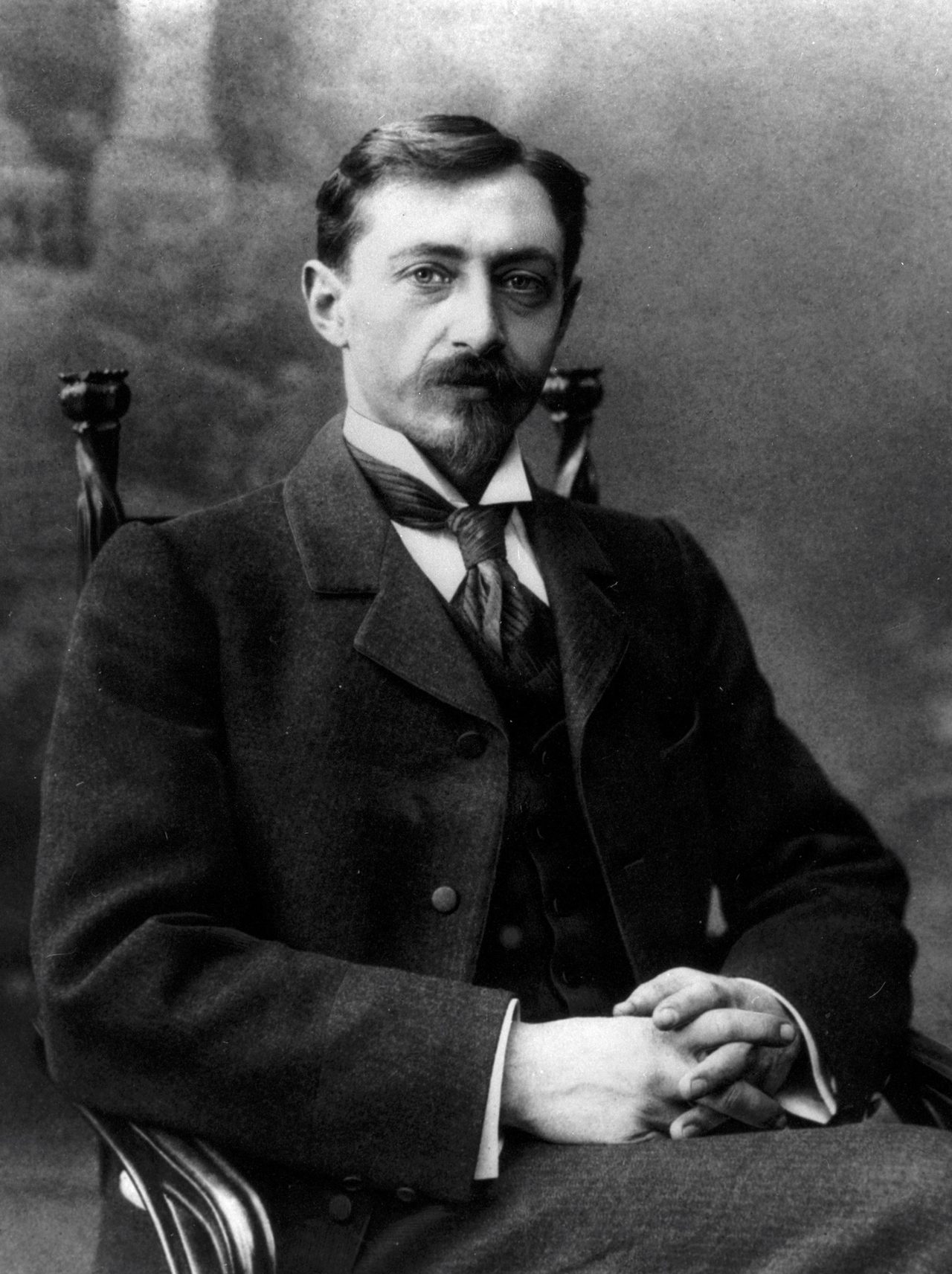 Ivan Bunin
Writer Valentin Katayev cites in his memoirs Bunin's heated monologue, in which he literally says: “I hate your Dostoevsky!” and criticizes his “accumulations, horrifying slovenliness of some deliberate, unnatural, invented language that no one ever spoke or speaks, with insistent, tiresome repetitions, longeurs, tongue-tiedness…”
Maxim Gorky: ‘Our evil genius’
Maxim Gorky valued Dostoevsky for his depiction of the Russian people: “All of Dostoevsky the artist's activity is a brilliant generalization of the negative traits and properties of the national Russian character.”
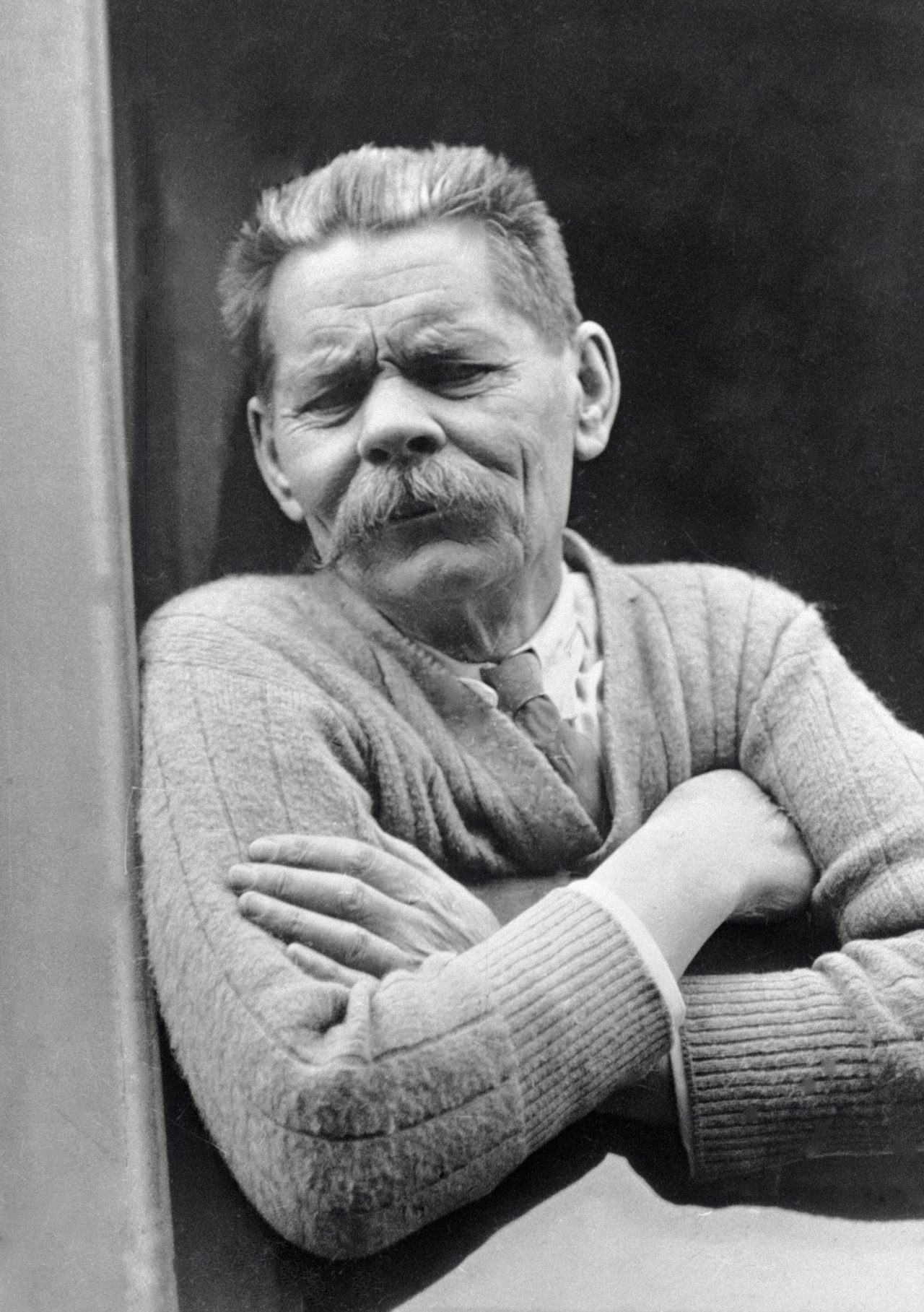 Maxim Gorky
According to Gorky, he sensed and depicted two painful traits of the Russian person: “The sadistic cruelty of a nihilist disappointed in everything and – its opposite – the masochism of a downtrodden, intimidated being, capable of enjoying its own suffering <…> Was mercilessly beaten and boasts of it.” To the first, the sadists, Gorky assigned Fyodor Karamazov, Pyotr Verkhovensky (from ‘The Devils’) and Svidrigailov (‘Crime and Punishment’). And to the second – Prince Myshkin (‘The Idiot’) and Alyosha Karamazov.
“Indisputable and certain: Dostoevsky is a genius, but he is our evil genius,” concluded Gorky.