
‘Pu-pu-pu’? Meet the Russian language’s newest interjection!
New interjections appear in a language much less frequently than other parts of speech. So, what does this one express?
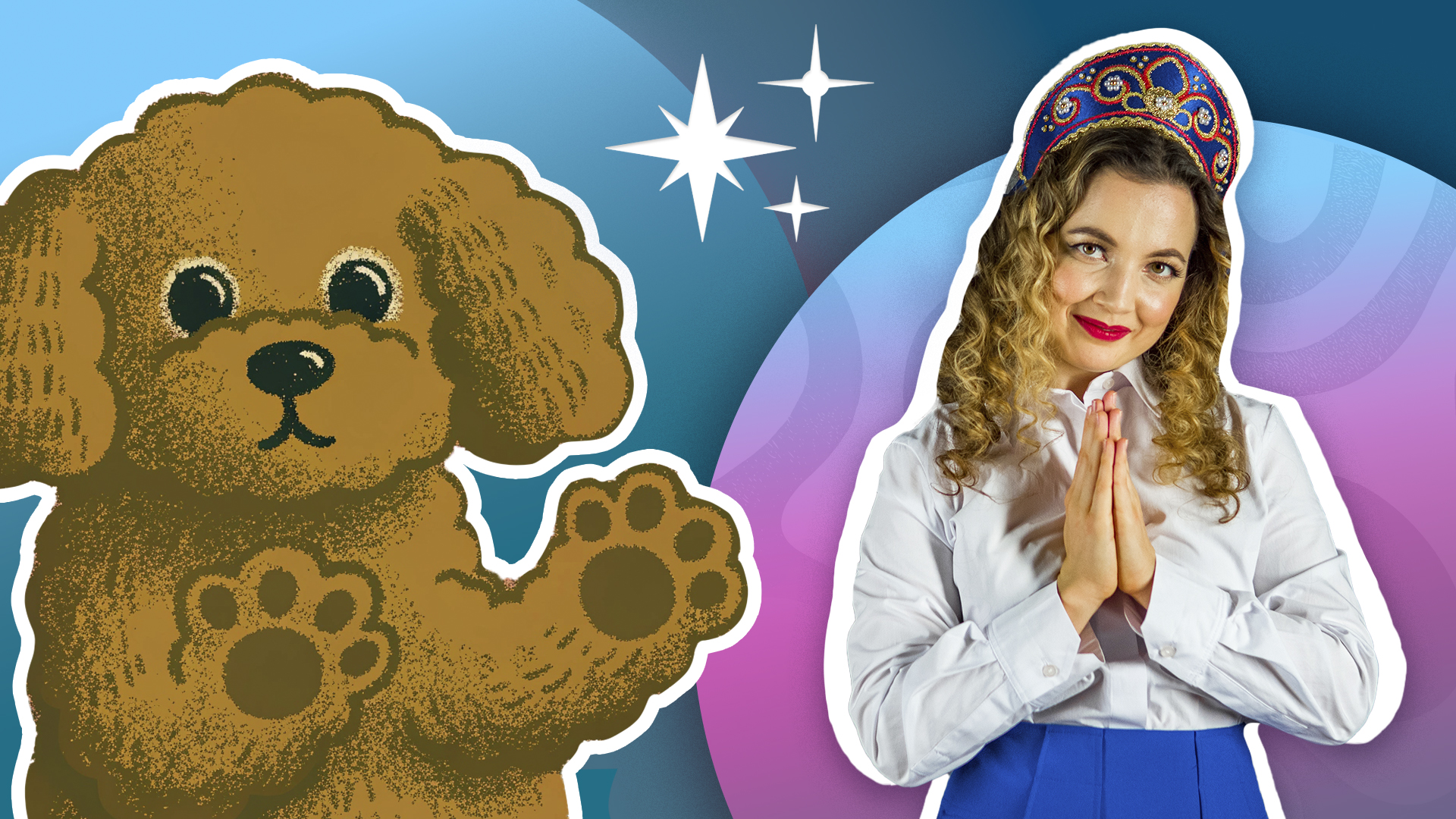
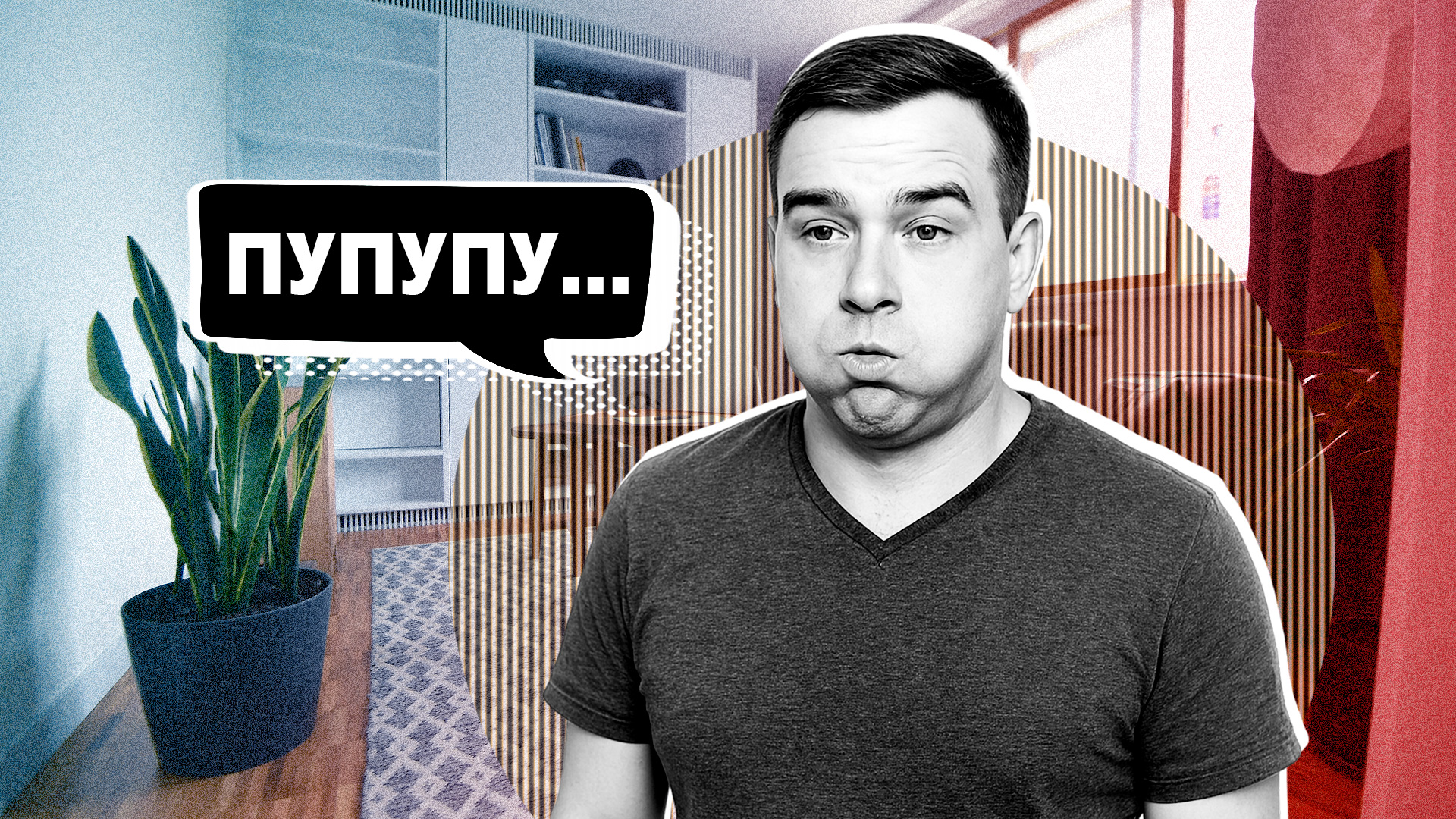
The interjection ‘пупупу’ (should be pronounced as ‘pu-pu-pu’) expresses pensiveness, confusion, sadness or even disappointment; it conveys the speaker’s reaction to an unpleasant or difficult situation.
This word is mainly used in vernacular, which makes its usage difficult to analyze. And it’s used more often by Zoomers and Millennials. Here’re couple of examples:
- “Пупупу… такого, честно говоря, я не ожидал.” (“Pu-pu-pu… Honestly, I didn’t expect that.”)
- “Пупупу…! — сказал я и полез в интернет искать двигатель.” (“I said ‘pu-pu-pu’ and started searching for the engine online.”)
Notably, in both contexts, the interjection is paired with an ellipsis [‘…’]. This strengthens the effect of bewilderment and signals that the speaker is actively thinking.
‘Pu pu pu’ can also act as an ‘empty’ filler word at the beginning of a sentence, while the person searches for the right expression (much like the sounds ‘uhhh’ or ‘hmm’).
“Most likely, the interjection ‘pu pu pu’ is an imitation of the sound of a staccato exhalation. When a person is tired or puzzled, they often puff out their cheeks and relax their lips, causing the air to escape with a characteristic sound,” writes Gramota.ru (Грамота.ру) editor Andrey Gorshkov.
According to one theory, ‘pu pu pu’ owes its popularity to the children’s animated series ‘PodygrayKA’. In the episode ‘Who Stole the Console?’ the guard pig, pacing around the room, hums: “Пу-пу-пу-пу, пу-пу-пу, заварю-ка кофейку…” (“Pu pu pu, I’ll brew some coffee…”)
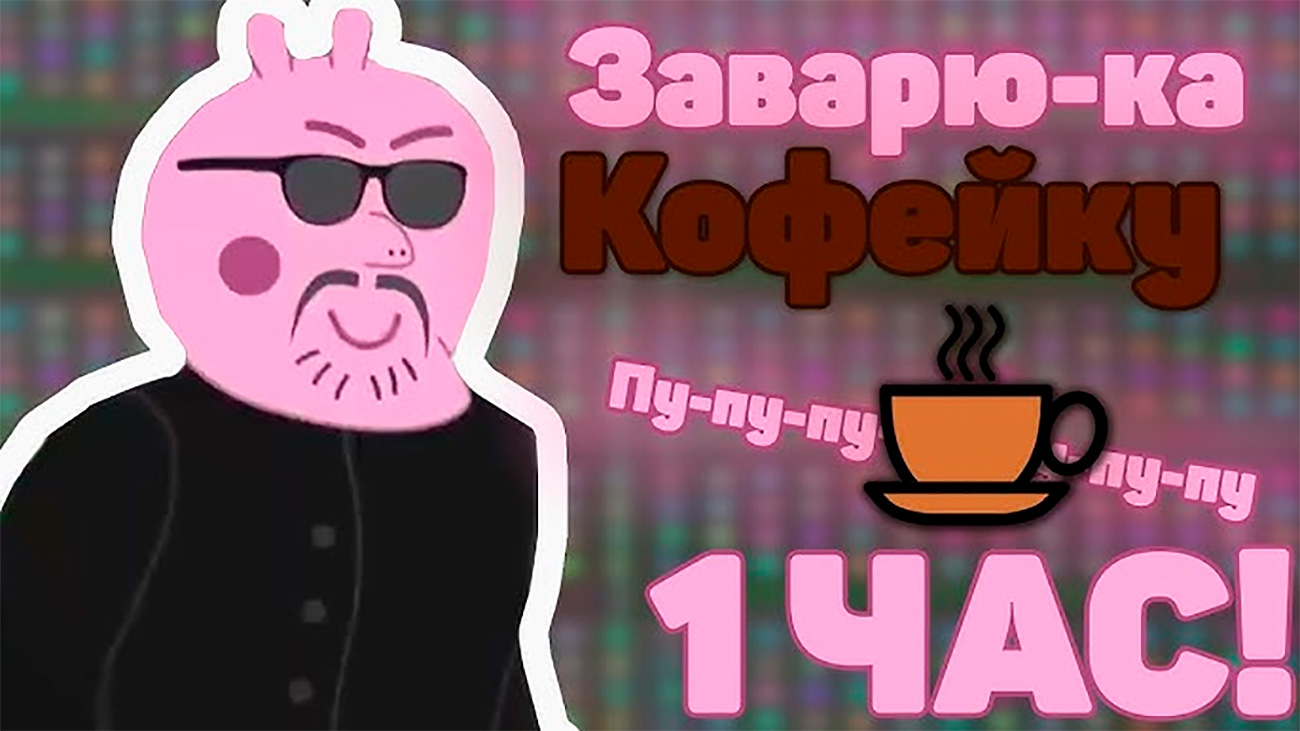
In 2025, the word quickly gained popularity in spoken language, on messenger chats and online posts. Meme images featuring the word also began to spread virally.
“‘Pu pu pu’ fits into the trend of saving linguistic effort and meets the current need for emotional expression,” the expert says.