
Why do Russians sometimes write ‘YOU’ with a capital letter?

Russians sometimes write ‘вы’ and ‘ваш’ (‘you’ and ‘yours’) with a lowercase letter and, sometimes, with a capital letter – ‘Вы’ and ‘Ваш’. Why?
In Russian, ‘you’ has two different translations: in singular, it would be ‘ты’, and, in plural, ‘вы’. However, there is also a formal form for addressing a person – ‘Вы’.
How to do it correctly
The most important thing to remember is: If you are addressing multiple people, you should always write ‘вы’ with a lowercase letter. It doesn’t matter whether you refer to each of these people individually as ‘ты’ or ‘Вы’.
For example: “Dear colleagues, I ask you to join the video conference!” In this case, we’ll need to write ‘вы’ with a lowercase ‘в’. “Дорогие коллеги, прошу вас присоединиться к видеоконференции!”
With the formal address to a single person, things become a bit more complicated:
- The pronouns ‘ты’ (you) and ‘твой’ (your) are always written with a lowercase ‘т’, except when referring to God: “Hallowed be Thy name” (“Да святится имя Твое”).
- ‘Вы’ and ‘Ваш’ should be written with a capital ‘В’ in official letters, documents, forms and advertising leaflets, as well as when addressing monarchs and other dignitaries: “Your Majesty, Your Grace” (“Ваше Величество, Ваша Светлость”). This also applies to addressing a judge in court: “Your Honor” (“Ваша честь”).
In other cases, such as in interviews or informal correspondence, the rules allow writing ‘вы’ with a lowercase ‘в’. The key is that it should be acceptable to all participants in the communication.
“Linguistic intuition suggests the following to many people: it’s definitely better to address people over 60 with a capital ‘В’, those over 45, depending on the level of formality, while, for young people, a lowercase ‘в’ is permissible. The use of ‘ты,’ ‘вы,’ and ‘Вы’ can be compared to different levels of politeness in other languages: low, medium and high, respectively,” writes Andrey Gorshkov, editor of Gramota.ru (Грамота.ру).
How it was before
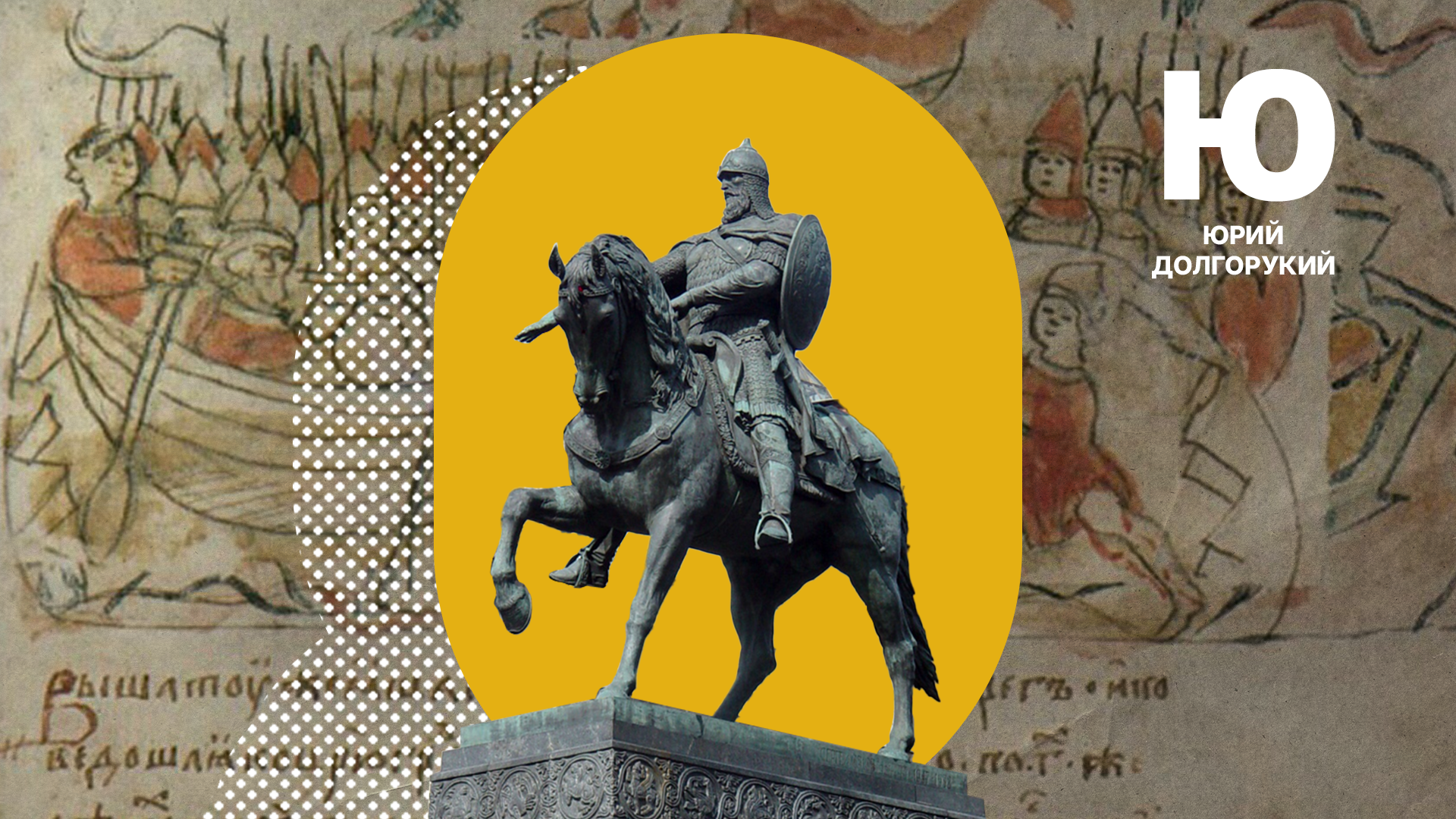
Addressing others exclusively as informally – as ‘ты’ – was a long-standing tradition in Russian culture, although, as early as the 11th–16th centuries, the pronoun ‘вы’ appeared for people of high status, such as tsars or princes.
Vladimir Dal, author of the ‘Explanatory Dictionary of the Living Great Russian Language’, called addressing others with ‘вы’ a “distorted politeness” and emphasized that “even now, common people address everyone as ‘ты’, whether God or the Tsar”.
The use of ‘вы’ emerged in the 18th century under the influence of Western European languages: In French, ‘vous’ is used for both the second person plural and as a formal form for a single person; in German, ‘Sie’ (‘You’) coincides with ‘sie’ (‘she’, ‘they’).
By the 19th century, the use of ‘вы’ became widespread and turned into an obligatory marker of politeness. Starting from this period, ‘ты’ outside the context of communication between equals or close acquaintances gradually began to be perceived as familiarity: “Вы мне не тыкайте, я с Вами на брудершафт не пил!” (“Don’t say ‘ты’ to me! We haven’t drunk to brotherhood!”)
How it will be
Time passes and etiquette rules change. Recently, a new trend has emerged: Many have begun to react negatively to ‘выканье’ (using the formal ‘вы’), seeing it as an unwillingness to communicate simply, informally, without distance or ceremony (for example, with colleagues).
Today, the norm of writing ‘Вы’ with a capital letter is clearly weakening. However, it’s still appropriate to write ‘Вы’ when addressing a single person in an official letter, emphasizing respect for the interlocutor. Yet, in online correspondence, the capital letter may already seem unnecessary.