


Who is choosing to learn Russian right now & why?

Russian is among the most sought-after and significant global languages. Thousands of people from diverse countries choose to study and speak it. Who are these people and what goals drive them? We asked a teacher from the Pushkin Russian Language Institute.
The reasons for learning Russian are varied: from professional needs, work and career advancement to a deep personal interest in Russian culture and art.
Elena Krasnikova is a senior teacher at the Department of Intensive Russian as a Foreign Language at the Pushkin Institute, where she has worked for over 30 years. Here are the six categories of foreign Russian learners she identifies.
1. Those who want to start a business in Russia, work in Russian or international companies or partner with Russian firms
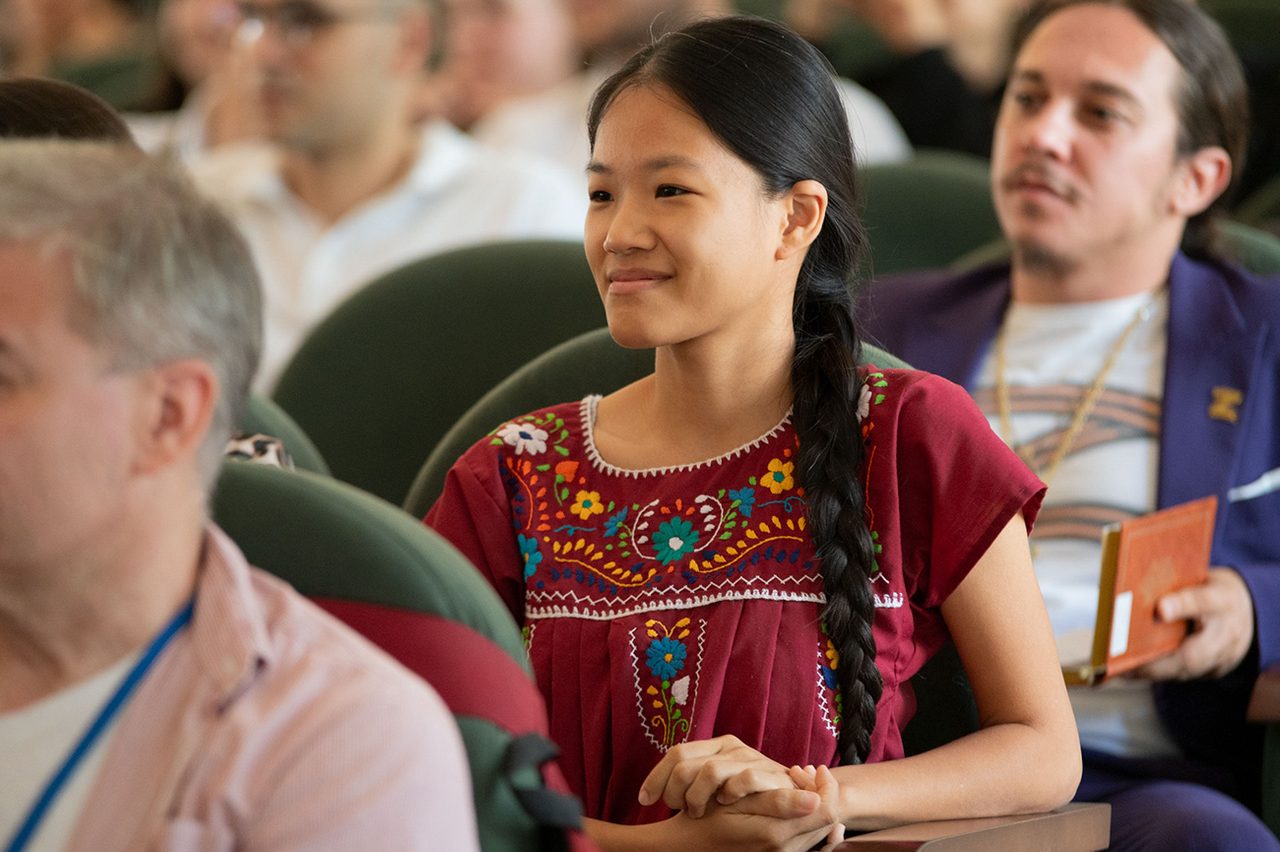
In recent years, the number of such students has been growing. In every group, there are several students already working in Russia (independently or with relatives and friends), planning to find a job or intending to start their own business in the country.
Both individual entrepreneurs and foreign companies are interested in having their employees learn Russian for effective cooperation with Russian enterprises and government agencies.
Proficiency in Russian is necessary for conducting negotiations and signing contracts directly with Russian partners, understanding the nuances of business ethics, business correspondence and Russian business traditions, as well as accessing promising markets for goods and services.
This category includes not only students from China, Turkey, Iran and Vietnam, but also representatives from Europe and Latin America. For example, in recent years, students have included those wishing to live and work in Russia from France, Spain, Macedonia, Germany, Romania, Mexico, Colombia, Chile, Argentina, Japan, Korea, Mongolia and others.
2. Those who have completed education in their home country & are enrolling in Russian universities
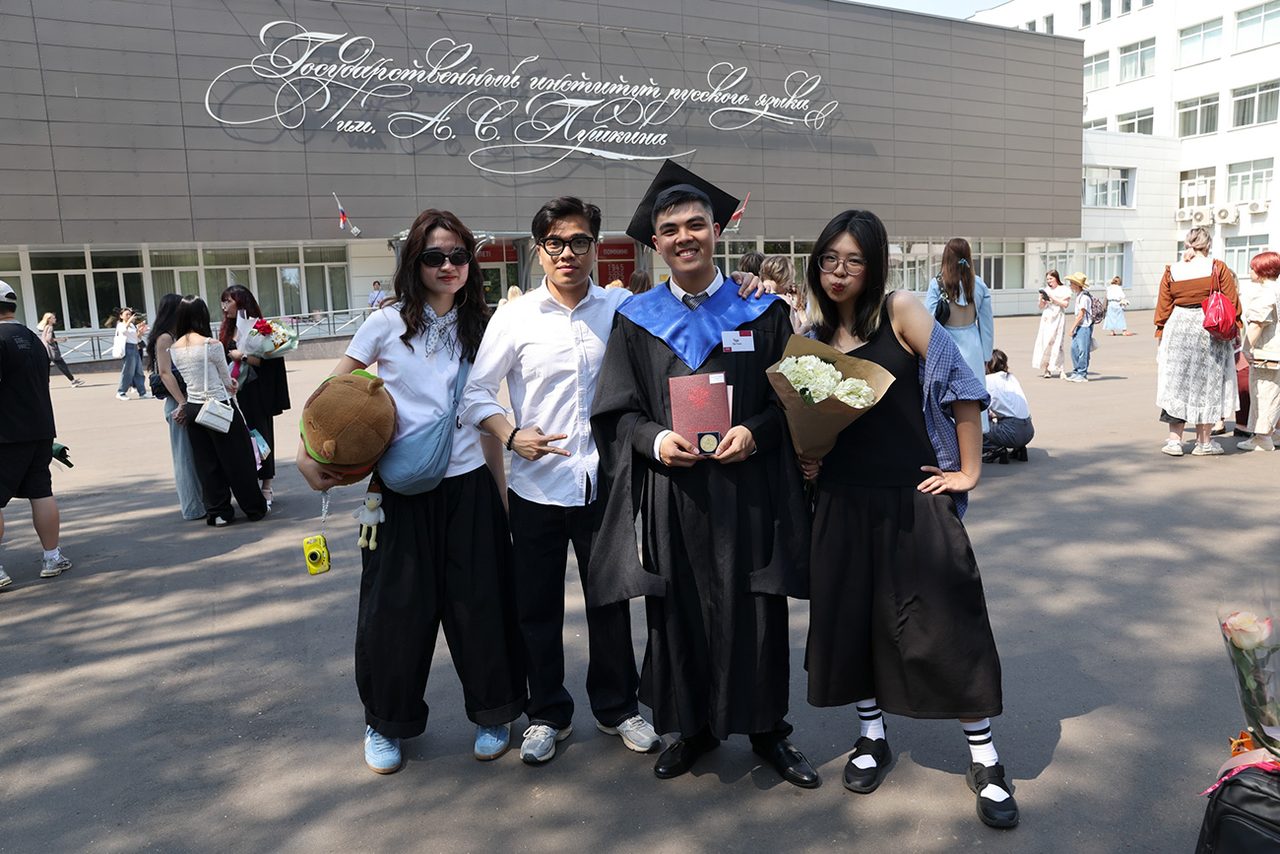
Most foreign students study at the preparatory faculty of the Pushkin Institute before entering Russian universities. However, some foreigners learn Russian at the Pushkin Institute's courses, then continue studying at the preparatory faculty or, after completing the course, take the B1 certification exam before enrolling in Russian universities.
For example, four students from my group (from China, Ecuador and Azerbaijan) enrolled in higher education programs at the Pushkin Institute, RUDN University and Moscow State Pedagogical University.
3. Diplomats, international diplomacy specialists, military personnel working in embassies & their family members
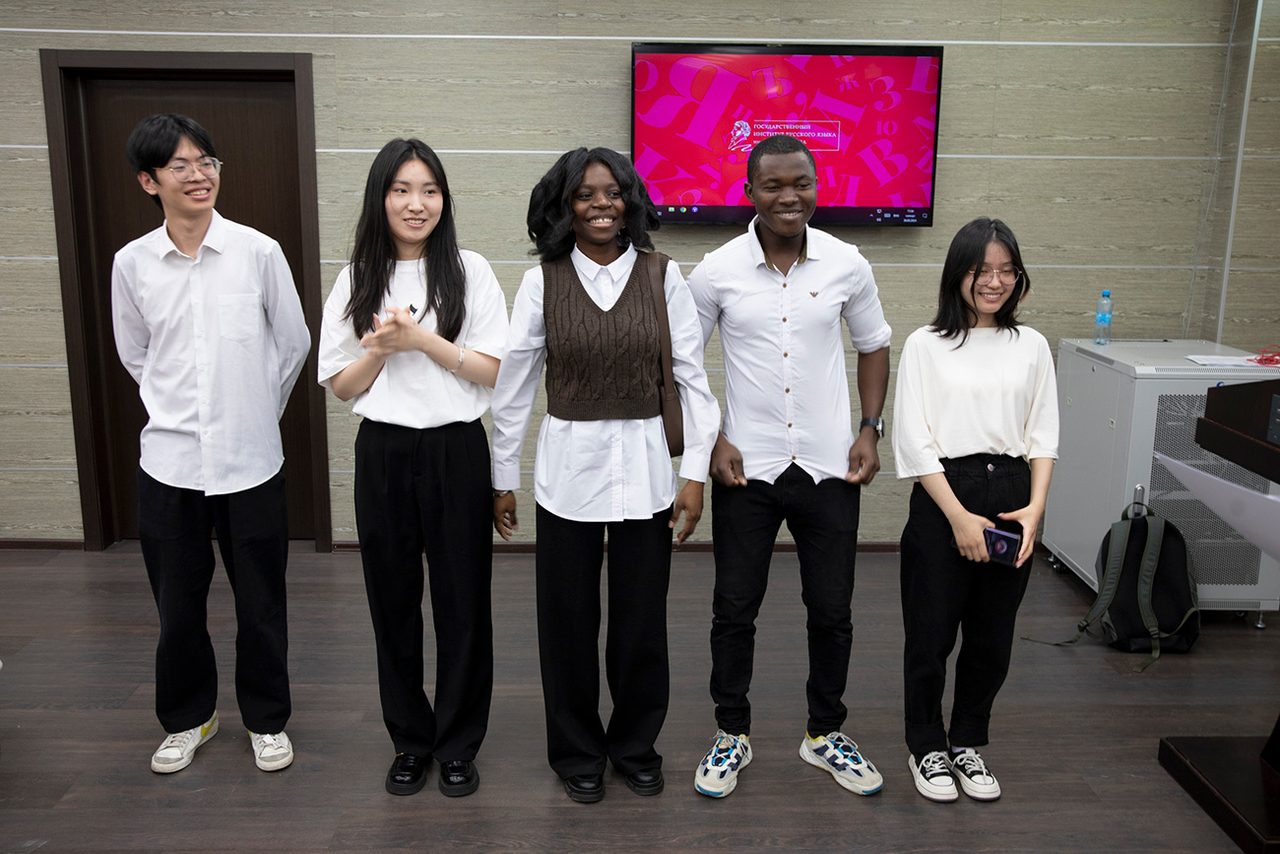
Many foreigners who live in Russia for a certain period believe it is necessary and useful to learn Russian and become more familiar with the country's culture. Representatives of embassies from Europe, Asia, Latin America, Africa, India, the Middle East and other countries and regions have studied and continue to study Russian at the Pushkin Institute.
Interestingly, such students often study Russian for several years. In our groups, there have been students from Korea, Hungary, Italy, Germany, Turkey, China and others. Many of them worked and studied simultaneously and, after completing their studies, they sent their colleagues and friends.
Not long ago, a former military officer, previously an employee of the Turkish embassy, came to the Department of Intensive Russian as a Foreign Language. He had already finished his work in Moscow, but his love for the Russian language was so strong that he enrolled in the translation faculty and now wants to become a Russian-Turkish translator.
4. Foreign researchers, scientists, historians, philologists & teachers
The goal of these foreigners is to master Russian, in order to access archival materials, historical documents and scholarly works in Russian, to collaborate productively with Russian scientific communities and institutes, to write dissertations, to improve their qualifications, to deepen their study of the language and to gain new teaching experience.
5. Enthusiasts of Russia, fans of Russian literature, art, music & culture

Russian literature and art have worldwide fame and recognition. Millions of fans of Dostoevsky, Tolstoy, Pushkin, Tchaikovsky, Rachmaninoff, Eisenstein, Tarkovsky and others strive to read original works and watch films without translation, to understand more deeply the artistic content and atmosphere of the works. These students typically study very seriously and with great enthusiasm.
Their main motivation is reading literary masterpieces in the original or with minimal adaptation, watching films, series and theatrical performances without losing nuances of meaning or emotional subtext, deeply studying Russian musical culture and ballet, as well as understanding the Russian mentality and philosophy.
But, it is not only love for Russian art and culture that attracts students. Some learners simply love Russia, want to see it with their own eyes, learn the truth about it and understand it better. One French student regularly comes to the Pushkin Institute and studies Russian just for herself. Recently, for the first time in her life, she even performed a Russian folk dance on stage with her friends. It turned out wonderfully!
6. Those who have married Russian citizens
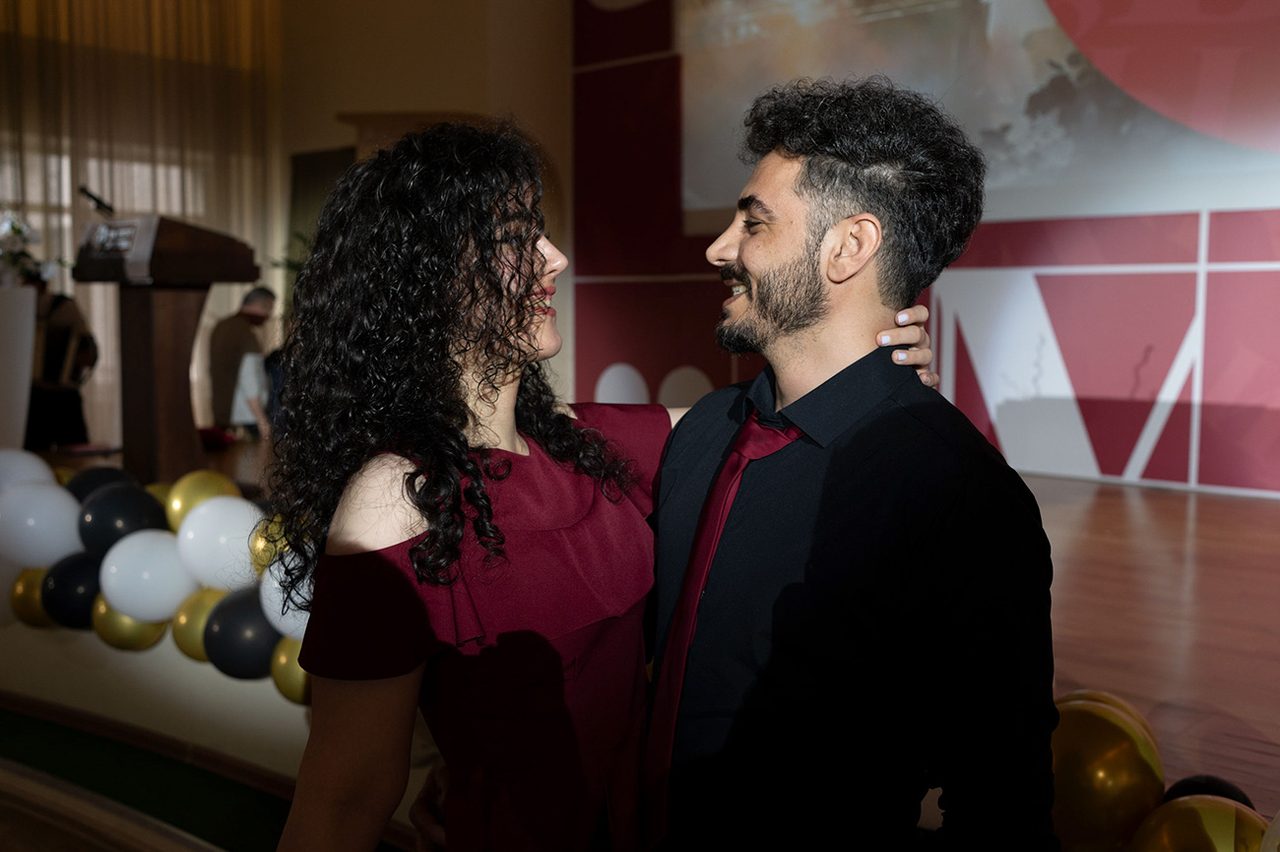
Living in a new country, these people understand they need to know Russian for a more comfortable life. Many want to obtain temporary residence, then permanent residence and, eventually, Russian citizenship. Almost all want to find work or study at a Russian university.
In my groups, there have been many such students from France, Turkey, Indonesia, the U.S., Brazil, Colombia, Japan, Iran, Australia, Italy, Germany, Cyprus, Colombia and other countries.
Interestingly, they often do not speak Russian within their families. Their Russian partners are not very comfortable speaking a language that their spouses do not know well. For instance, our Japanese student, who studied Russian in our department for three years, complained about his Russian wife, who only spoke English with him at home during the first year.
***
The Department of Intensive Russian as a Foreign Language at the Pushkin Institute offers several courses for any level of language proficiency (from beginner to advanced), lasting from one to 10 months. To enroll, you must send a request to study@pushkin.institute no later than two months before the start of the course.
For more details about the program and course fees, please visit the pushkin.institute website.