
How the Russians tried to drive the Turks out of Europe
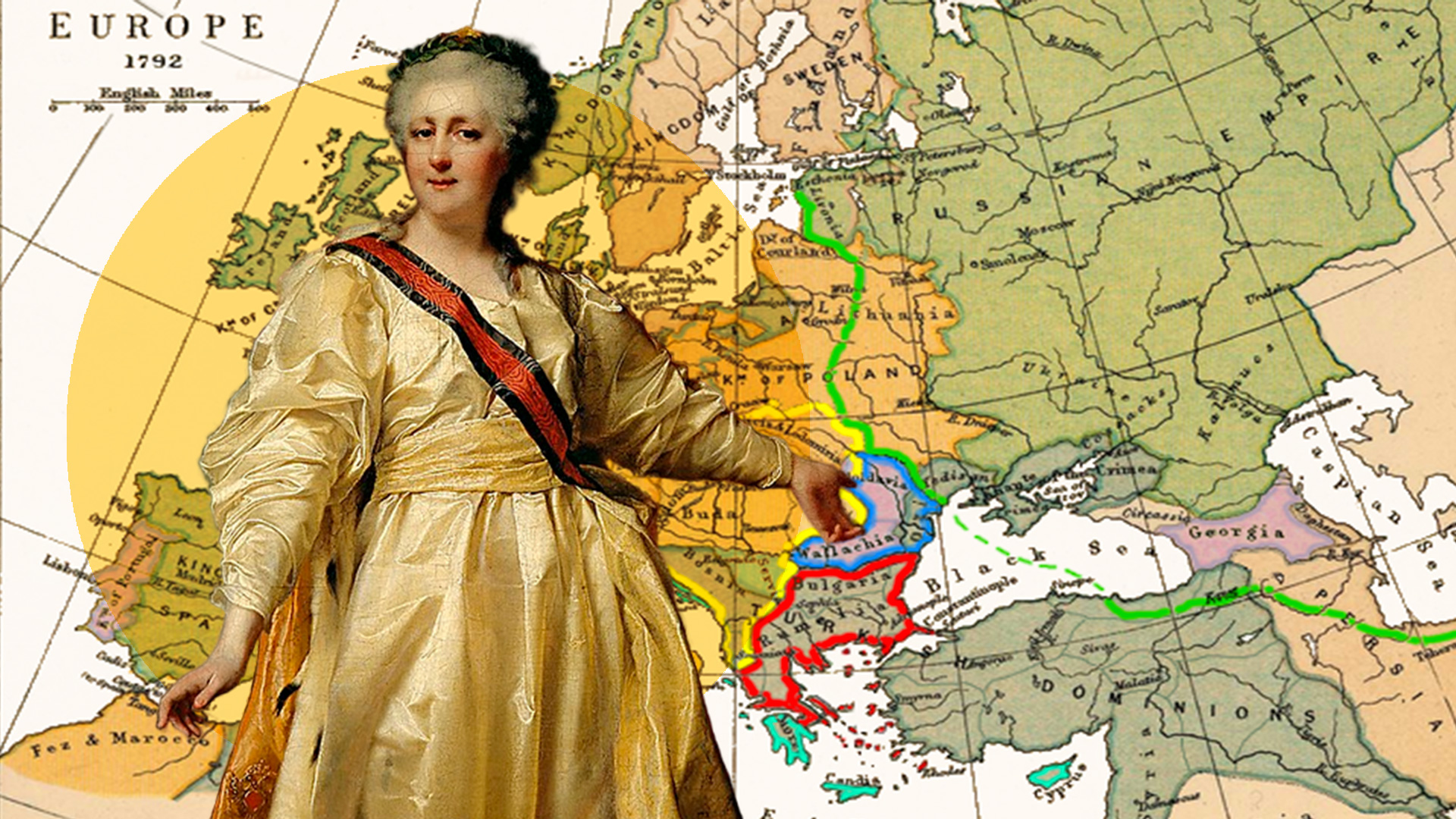
Empress Catherine II dreamed of recreating the Byzantine Empire and placing her grandson Konstantin on the throne there.
In the second half of the 18th century, the Ottoman Empire was no longer the formidable force it had once been. Many in Europe believed that the time had come to put an end to this "stronghold of barbarism and despotism" and Russian Empress Catherine II was at the top of this list.
The ‘Greek Project’
Catherine dreamed of defeating the Ottoman Empire and "restoring the ancient Greek monarchy on the ruins of the fallen barbarian rule". And Russia was to play a key role in this process.
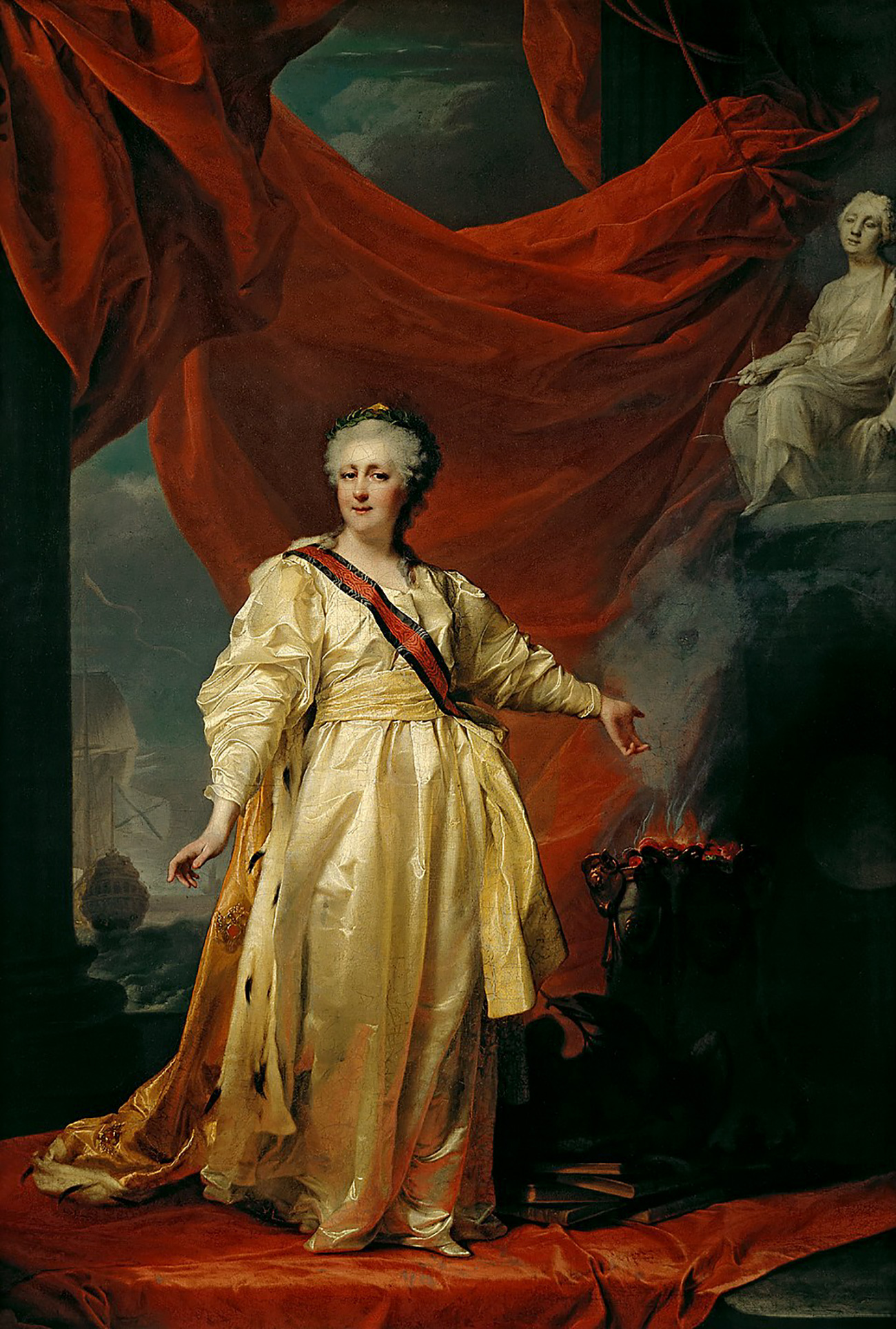 Catherine II.
She was supported by prominent European intellectuals. German publicist Friedrich Grimm called Catherine the "Empress of Constantinople," while Voltaire wrote that he was "very seriously convinced that if the Turks were ever to be expelled from Europe, it will be by none other than the Russians."
After Russia's brilliant victory over the Turks in the war of 1768-1774, this idea began to take shape. The so-called ‘Greek Project’ appeared, on which, in addition to Catherine, her favorite Grigory Potemkin and State Secretary Alexander Bezborodko actively worked.
According to it, the Turks were to be deprived of all European possessions by military means. A state of Dacia was to be established in the territories of Moldavia, Wallachia and Bessarabia (modern-day Romania). Liberated Greece and Bulgaria, as well as the western coast of Anatolia, together with Istanbul, would become part of the Greek Monarchy — effectively, a revived Byzantine Empire.
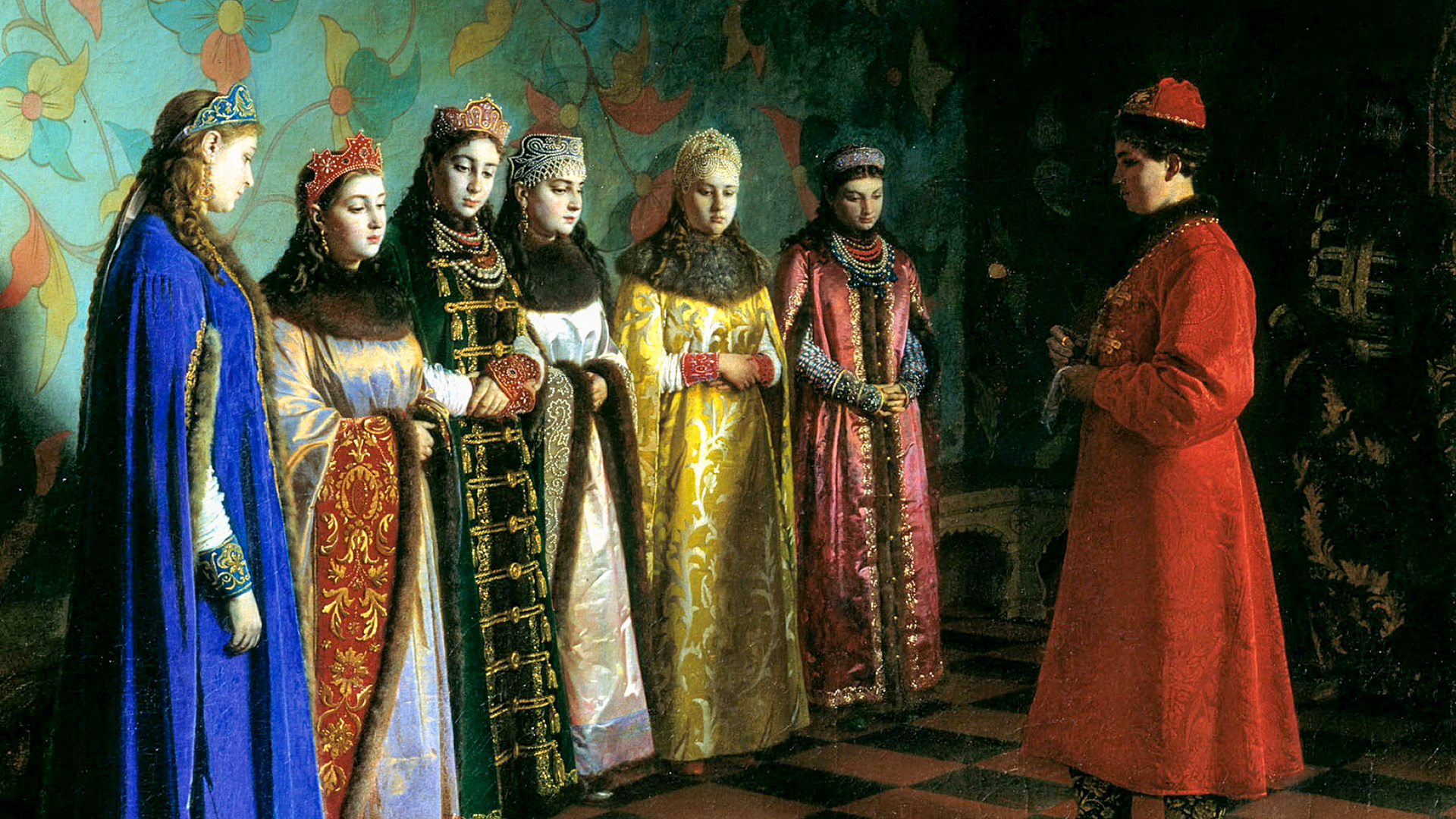
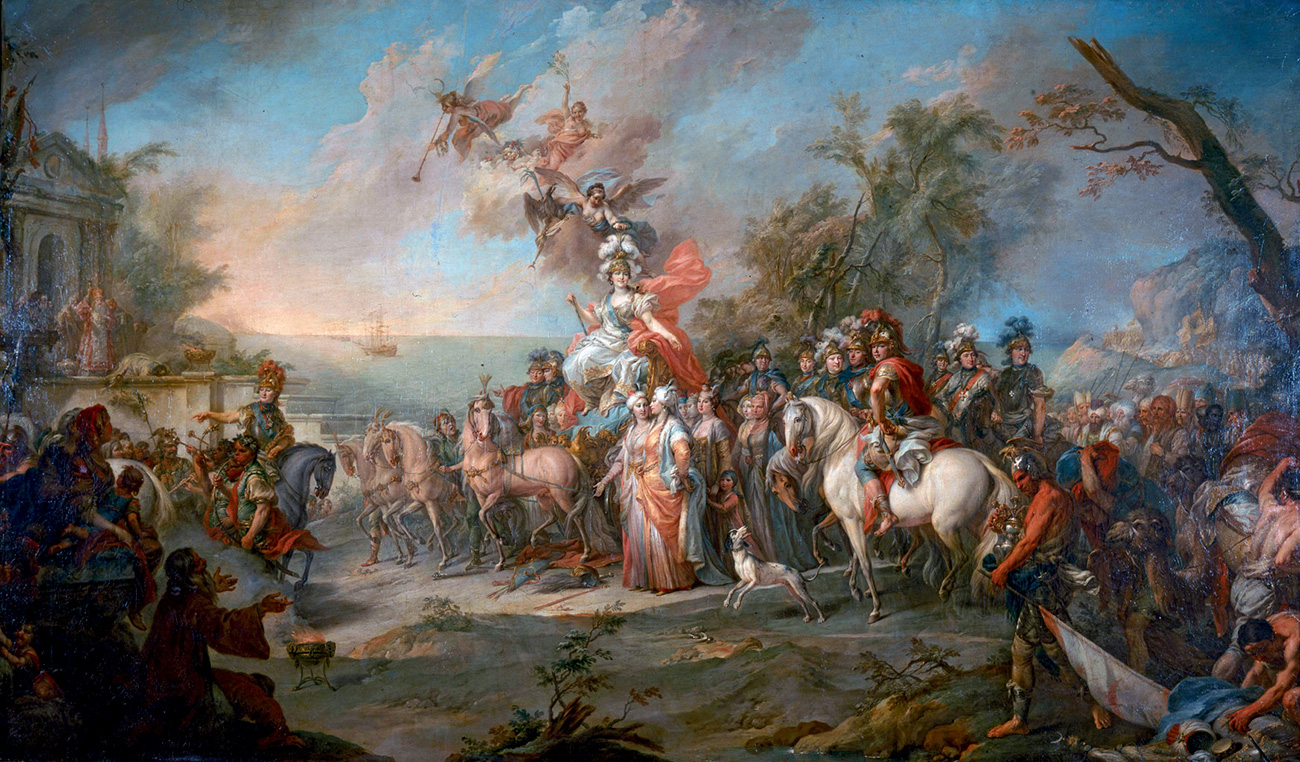 Allegory of Catherine II's Victory over the Turks
The throne in Constantinople was intended for her grandson Konstantin, born in 1779. It was at the empress' insistence that he was named after the famous Byzantine emperor. Medals were issued to commemorate his birth, depicting Hagia Sophia and bearing the inscription: "Back to Byzantium."
The collapse of the project
Catherine actively recruited Greeks to settle in the Russian Empire and formed military units from them. At the same time, she sought allies among the leading European powers to realize her ambitious plans.
She saw the Habsburg Empire as the most attractive candidate. In correspondence with Joseph II in the early 1780s, the empress outlined the advantages of implementing the "Greek Project" and even offered him the choice of which lands he wished to annex. However, Joseph was unimpressed – he was more concerned with the growing power of Prussia.
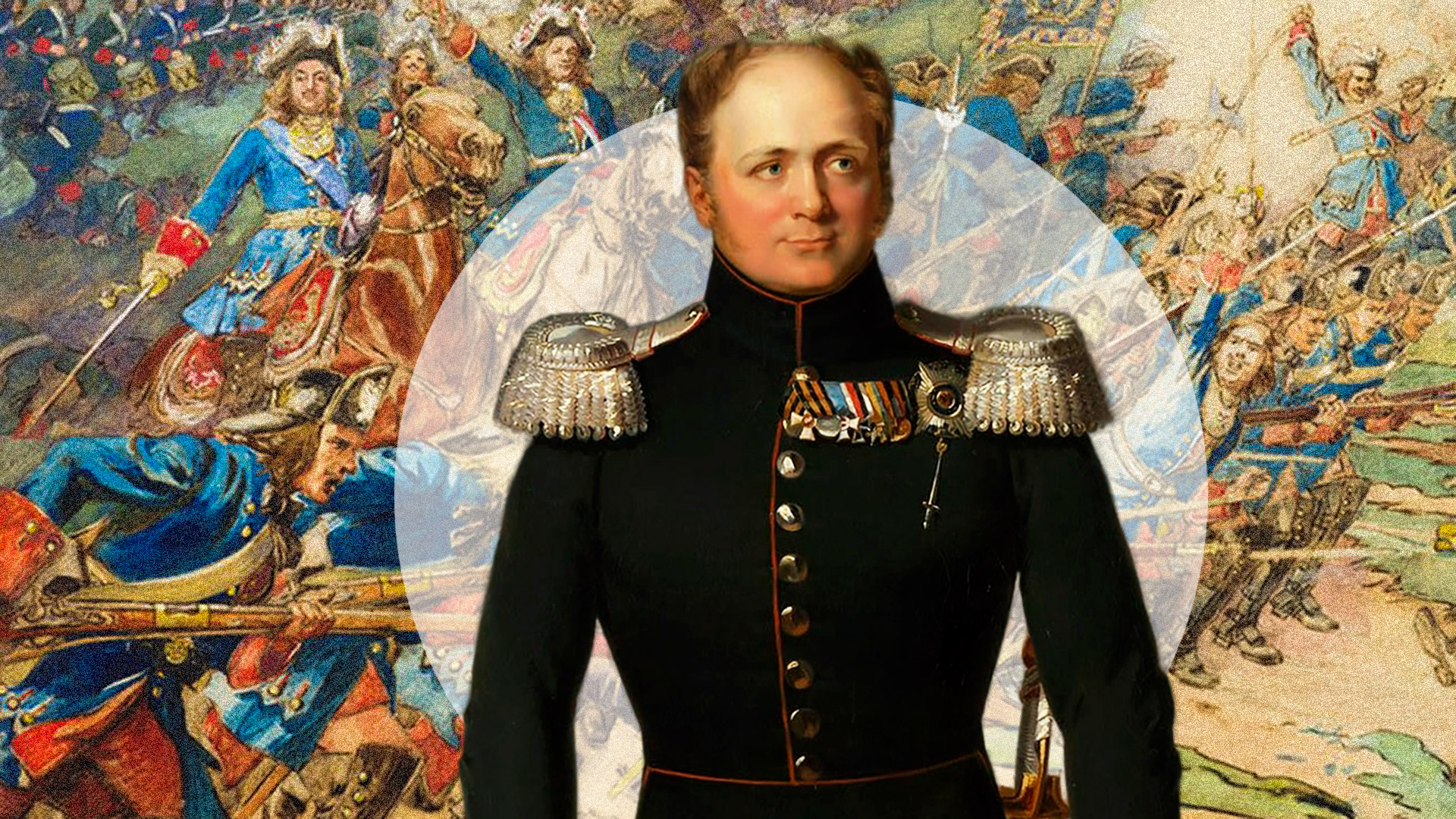
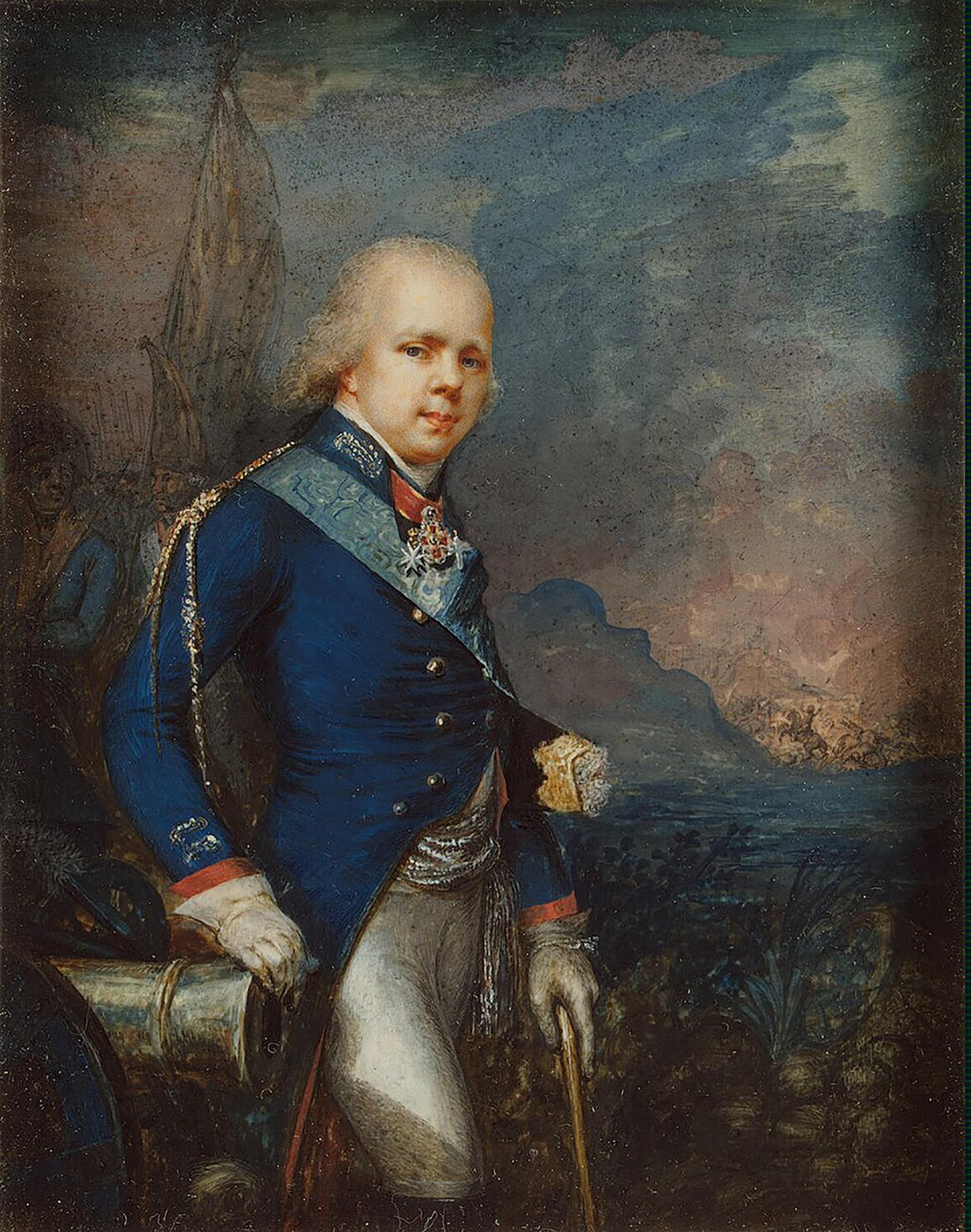 Konstantin Pavlovich.
The Austrians, nevertheless, supported the Russians in the war against the Turks from 1787 to 1791, but withdrew from the conflict before the decisive victory. This, coupled with the British threat to side with the Porte, forced Russia to make peace and, despite significant successes on the battlefield, to limit itself to minor territorial gains.
The modest results of the war and Potemkin's death in 1791 effectively buried the ‘Greek Project’. Catherine, however, continued to dream of it until the end of her days. Several years before her death, she dreamily contemplated how her troops would take Istanbul: "The Turks will flee immediately; up to 30,000 Greeks will remain there – that will be the legacy Grand Duke Konstantin Pavlovich."