

How a Dutch village was named after… a Russian princess
You're driving through the quiet Dutch countryside, glance at a passing road sign and there it is… Anna Paulowna! No, it's not a navigation error. This is a real village, named after the daughter of a Russian emperor.
You might be surprised, but, in the Netherlands, there is a place called… Anna Paulowna!
It’s a village and a former municipality located about 55 km north of Amsterdam, which appeared in the 19th century. A railway station of the same name is also located there.
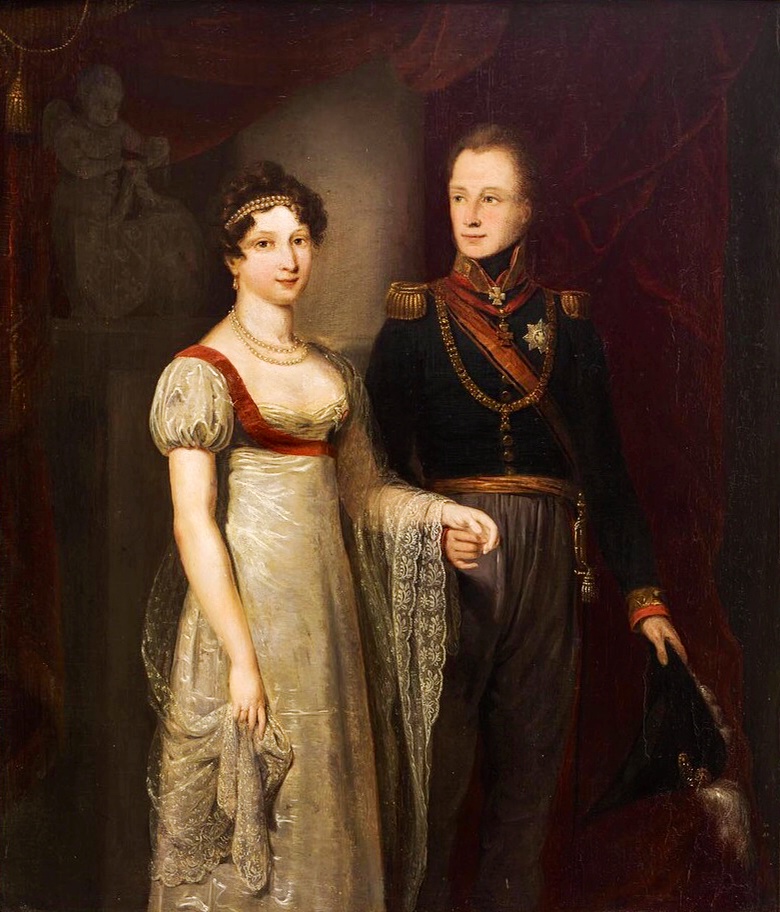
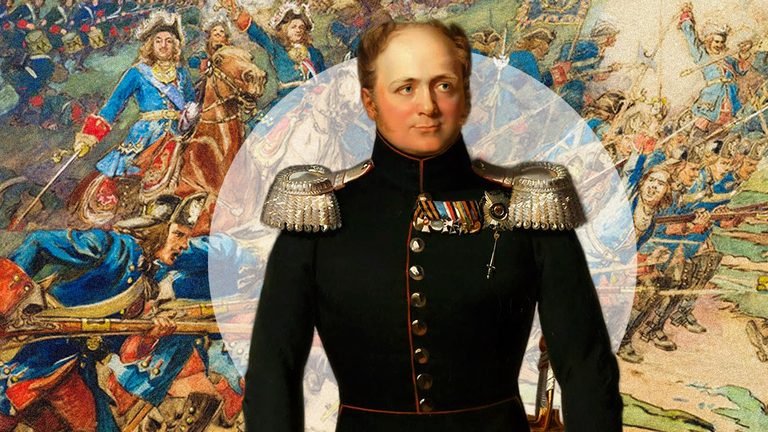
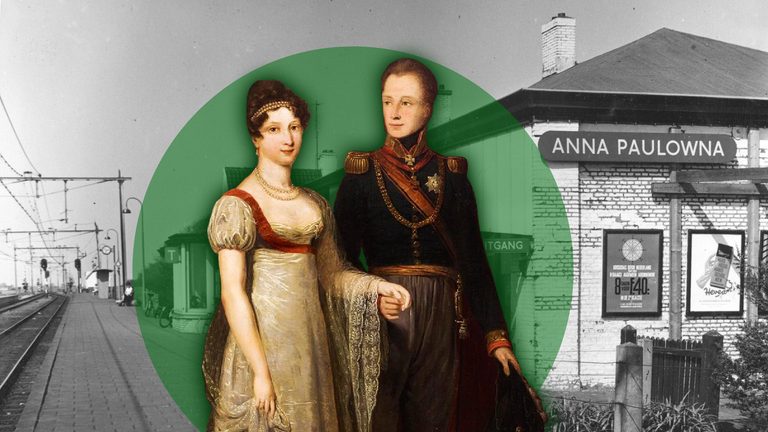
Grand Duchess Anna Pavlovna (1795–1865) was the daughter of Russian Emperor Paul I and the sister of Alexander I. In 1816, she married the Prince of Orange, who later became King Willem II of the Netherlands.
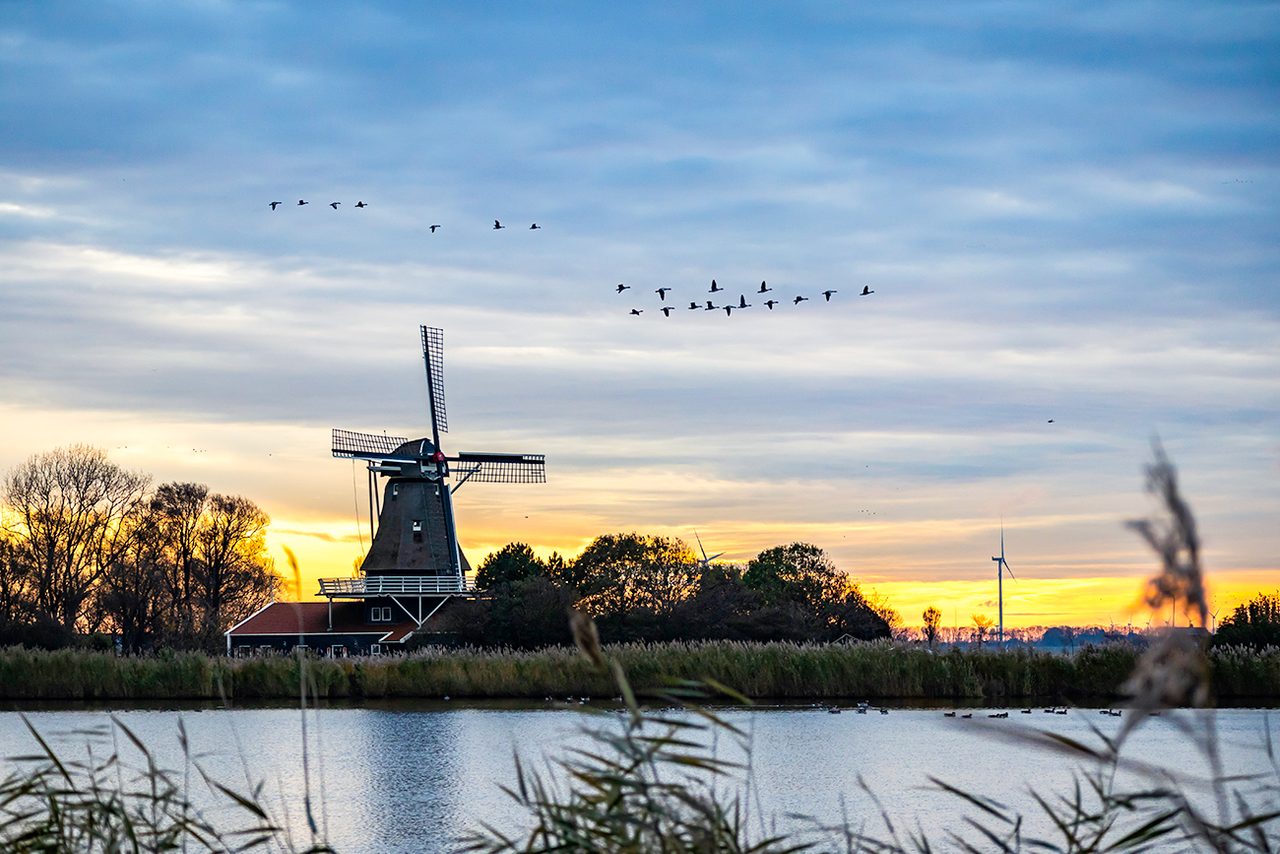 This is how Anna Pavlovna place looks like.
Anna Pavlovna stayed away from politics, loved the arts and was involved in charity work. Under her patronage, around 50 educational and childcare institutions for children from poor families were founded in the Netherlands. She spent most of her personal fortune on charity. She also learned Dutch and spoke it even better than her husband, with whom she mainly communicated in French.
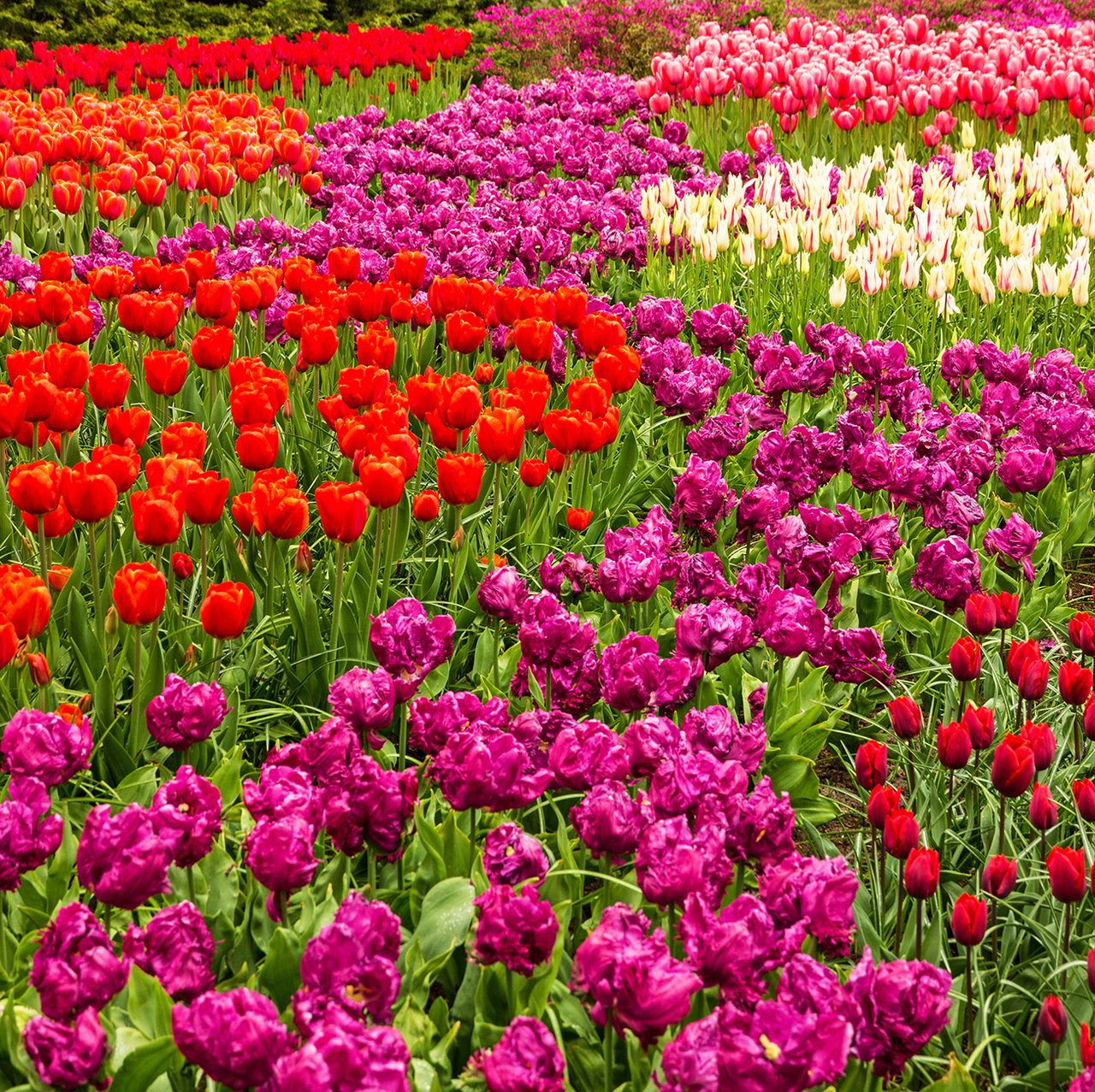 Anna Pavlovna
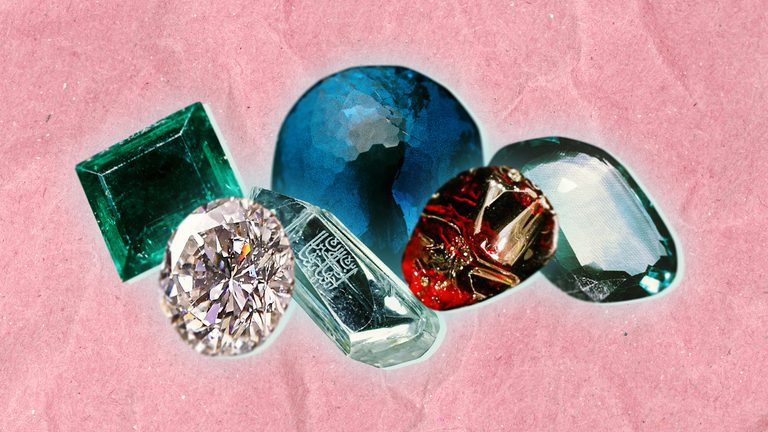
Incidentally, at his coronation, Willem II wore a Russian military uniform from 1812. And Anna Pavlovna contributed her own diamonds for his crown – they still adorn this royal regalia to this day.
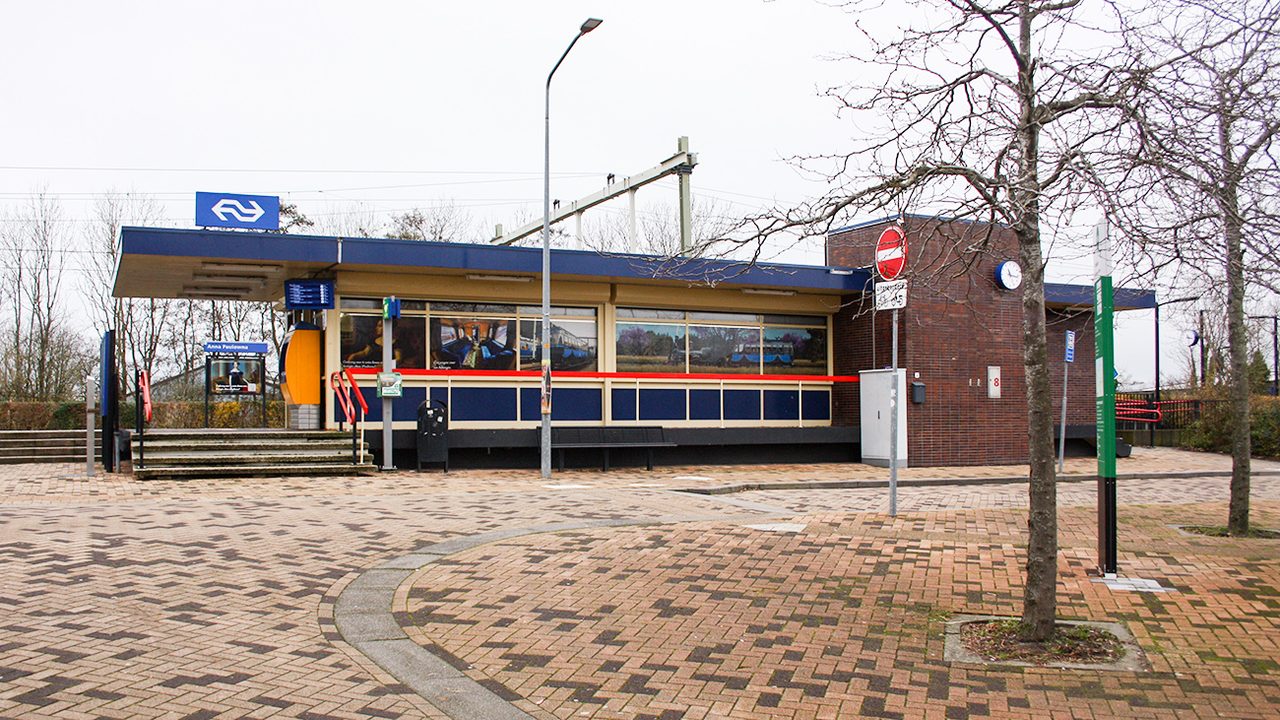 Anna Pavlovna station.
In 1845, work began on a new polder in the Netherlands, which is a tract of land reclaimed from water. Already holding the title of Queen, Anna Pavlovna once visited this area. And, as a sign of respect, the local residents renamed the community in her honor – Anna Paulowna.Anna Pavlovna
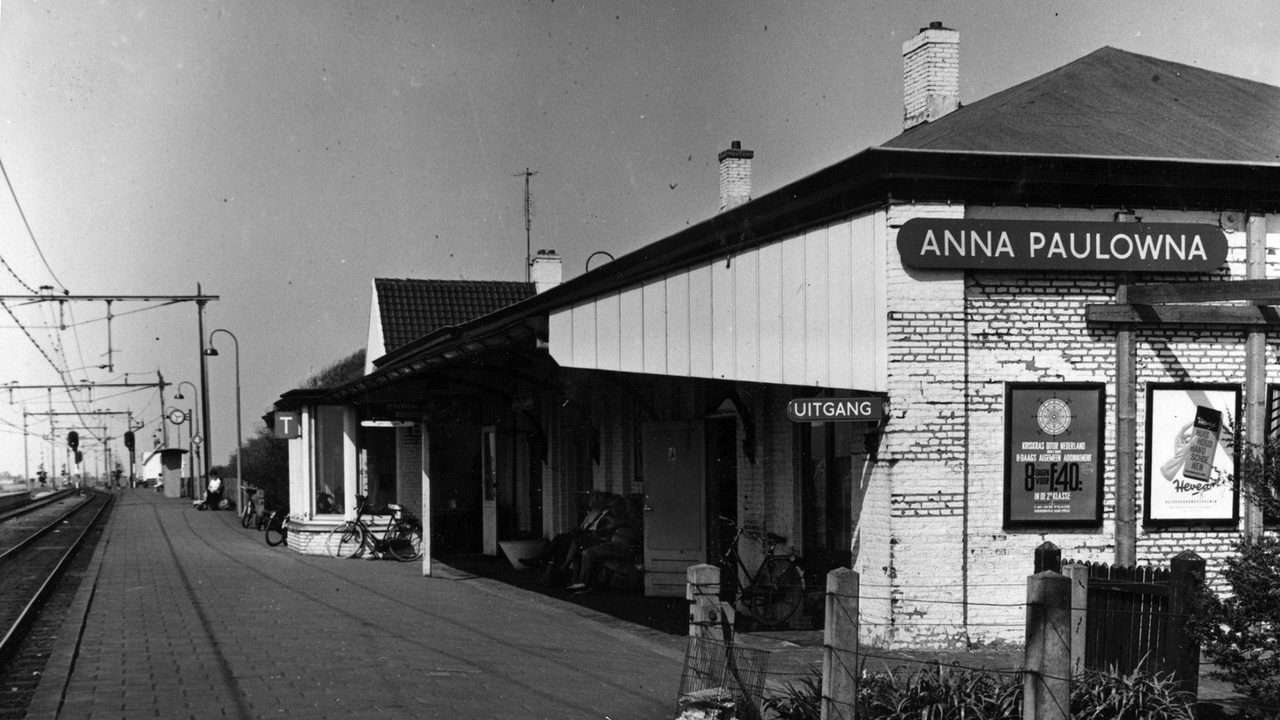 Old Anna Paulowna station.