

Why was the USSR so obsessed with landing on the Moon, but never actually did?
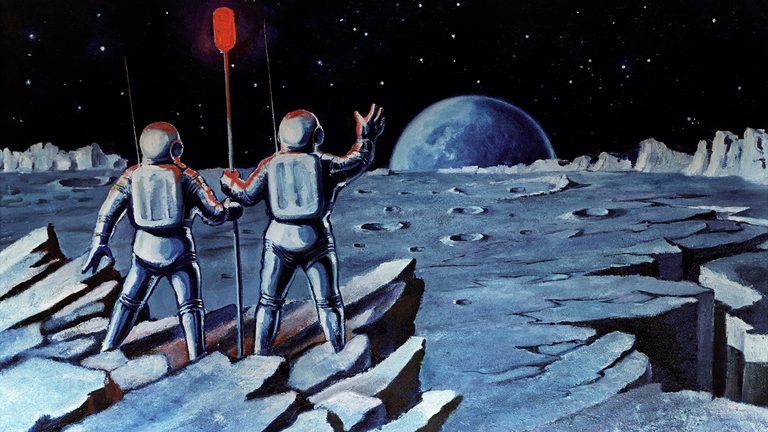
The Soviet Union dreamed of not just visiting the Earth's only natural satellite, but also establishing a permanent presence there.
In 1962, a plan emerged to create an entire base on Earth's only natural satellite for 12 cosmonauts, who could make forays to the surface in a special lunar train.
But, the project's cost proved prohibitive and preparations for a simple landing were ultimately limited. Despite this, a manned flight was planned for 1968.
The super-heavy N1 launch vehicle was to send two docked spacecraft – a landing craft and an orbital craft – into lunar orbit. Each would carry a cosmonaut.
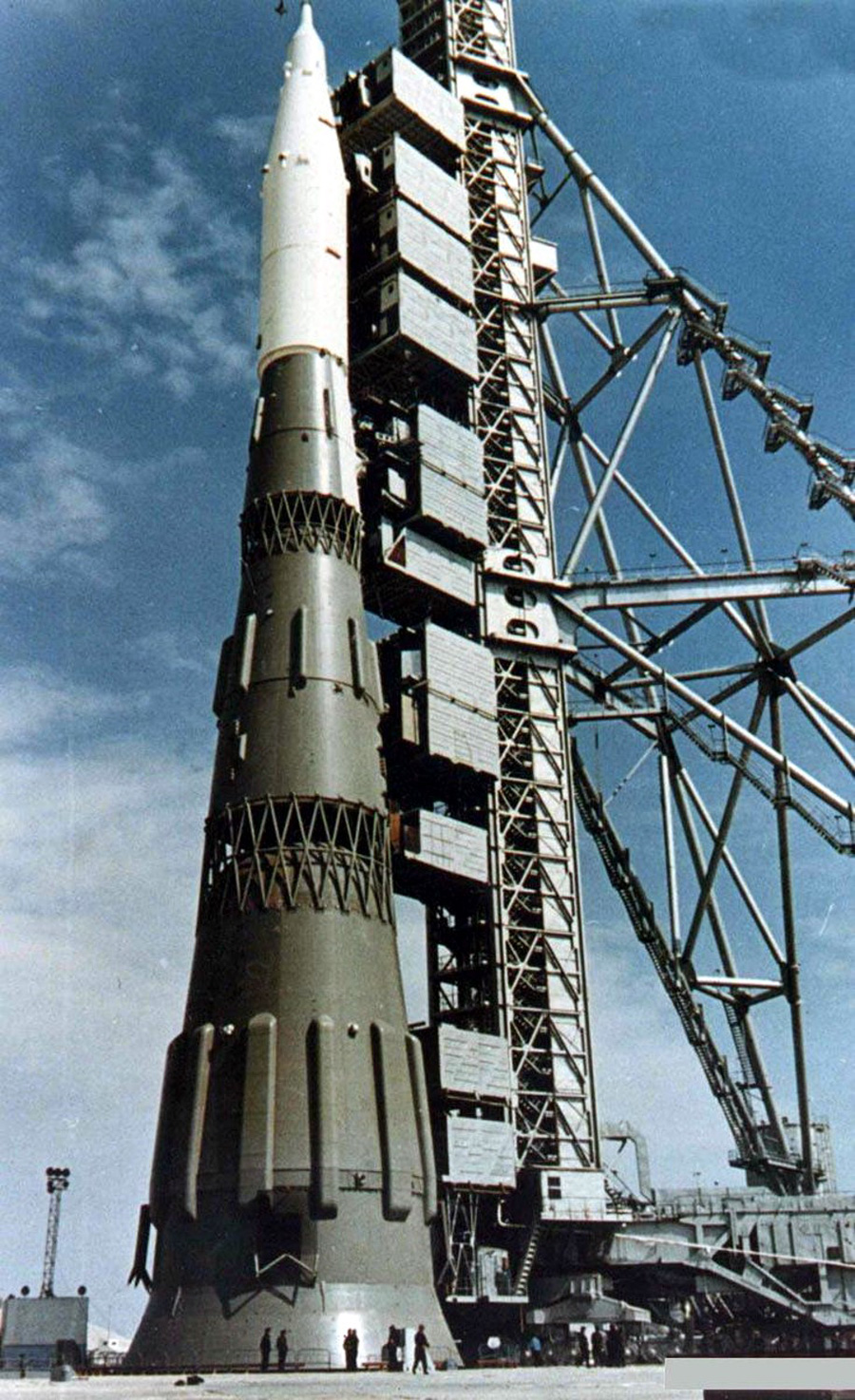 N1 launch vehicle.
The plan was as follows: The landing craft would land, a Soviet cosmonaut would make a historic walk on the surface, after which the spacecraft would return to orbit, re-dock with the second craft and, together, would head back toward Earth.
However, the Soviet lunar program was constantly dogged by bad karma. Funding was insufficient and the N1 launch vehicle was failing to be finalized – it exploded four times during testing. Furthermore, the design bureaus began infighting, which had a detrimental effect on the entire process.
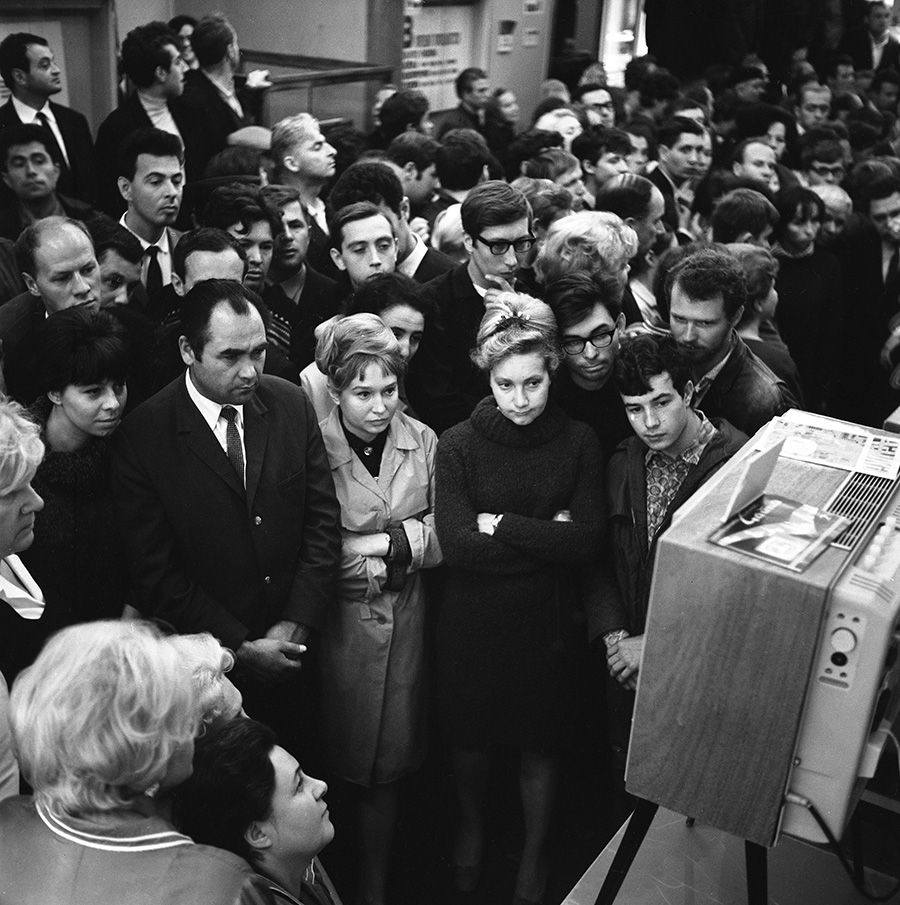 Moscow residents watch television broadcast showing US astronauts Neil Armstrong and Edwin "Buzz" Aldrin land their Apollo-11 spacecraft on the Moon.
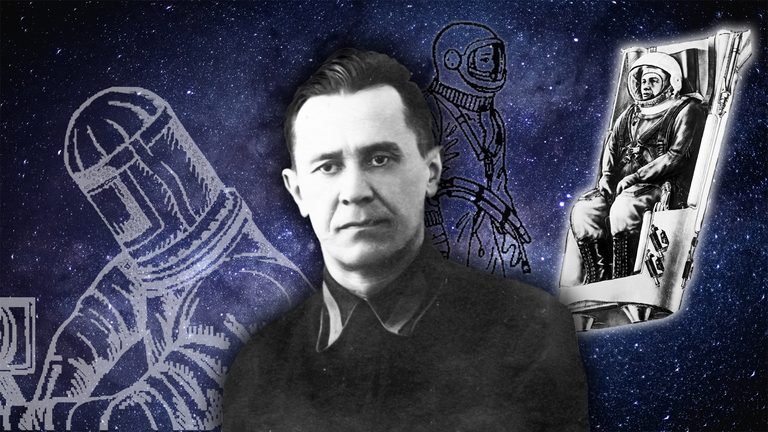
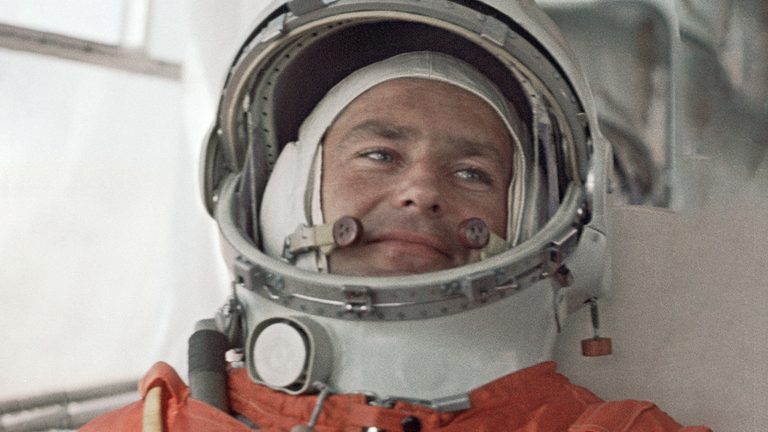
The death of Sergei Korolev, chief designer of rocket and space systems, in 1966 also dealt a severe blow to the lunar program. Moreover, cosmonaut Vladimir Komarov died tragically in 1967, followed by Yuri Gagarin the following year. Both were considered leading candidates for lunar missions.
In 1969, the Americans became the first to land on the Moon and Soviet authorities quickly began to lose interest in the lunar program. Experts continued to try to interest them with the idea of long-term missions and the construction of a lunar base, but to no avail. And, in the early 1970s, the program was finally abandoned.