

7 Soviet & Russian space technologies that changed the world

Space is closer than you think! From satellite communications to amusement park rides, many everyday things are built on Soviet and Russian innovations originally developed for space travel.
1. Satellite communications
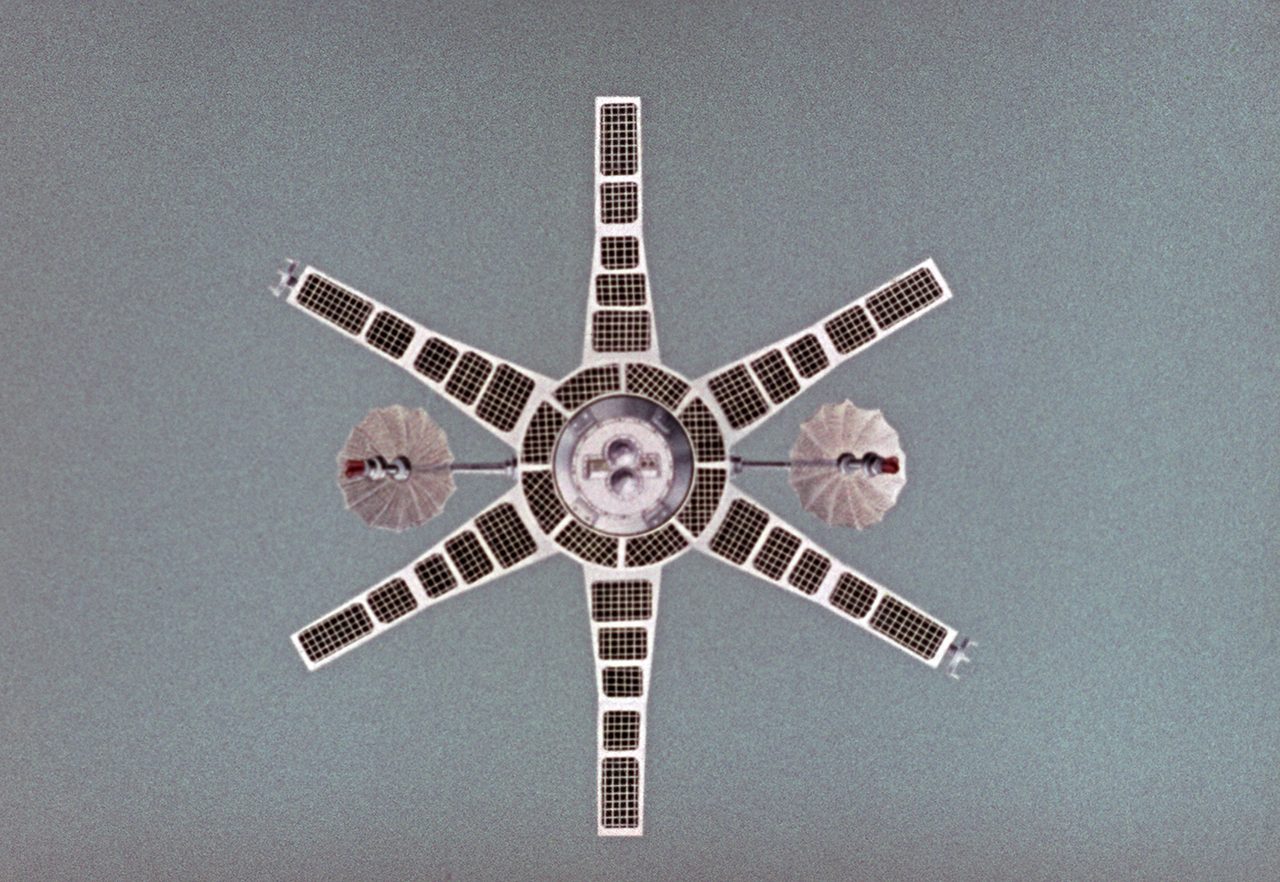 ‘Molniya-1’
The concept of satellite communications was proposed in 1945 by British scientist Arthur C. Clarke. In his article, he proposed using relay satellites in orbit. But it was Soviet scientists who made it a reality.
On October 4, 1957, the USSR successfully launched the world's first artificial satellite. This ushered in the beginning of the space age and laid the foundation for satellite communications: signals from the space object could be received on Earth.
On April 23, 1965, the Soviet Union launched the ‘Molniya-1’ (‘Lightning-1’) communications satellite into orbit, enabling the relay of television broadcasts to the Far East. Just imagine: residents of Vladivostok could watch the May Day parade on the Red Square, while Muscovites could see the Pacific Fleet parade in Vladivostok!
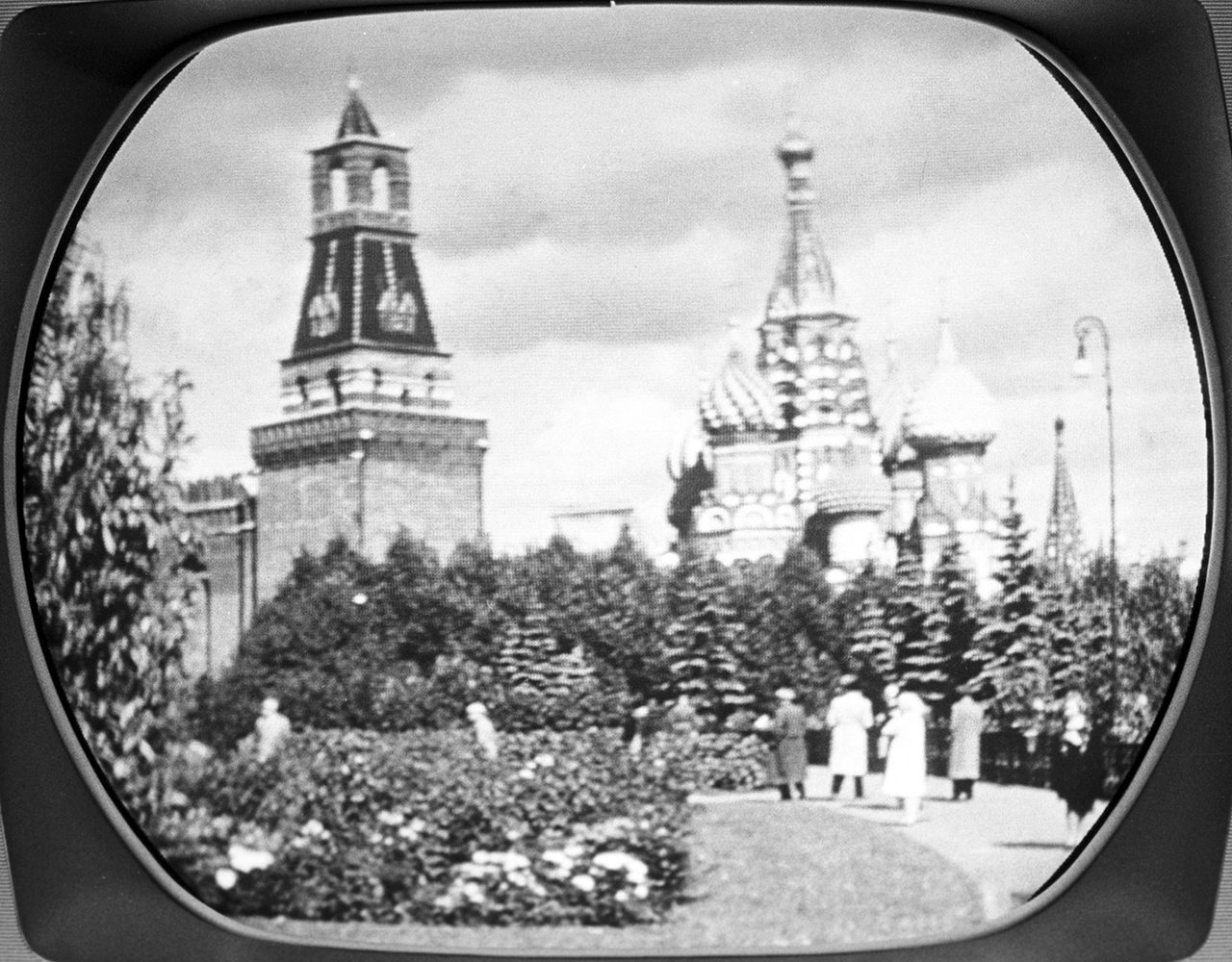
A few years later, the ‘Orbita’ system, built on the ‘Molniya’ satellites, brought central television to millions of people in the Far North, Siberia and the Far East.
The technologies developed for the Soviet ‘Molniya’ satellites still underpin satellite communications today.
2. ‘GLONASS’
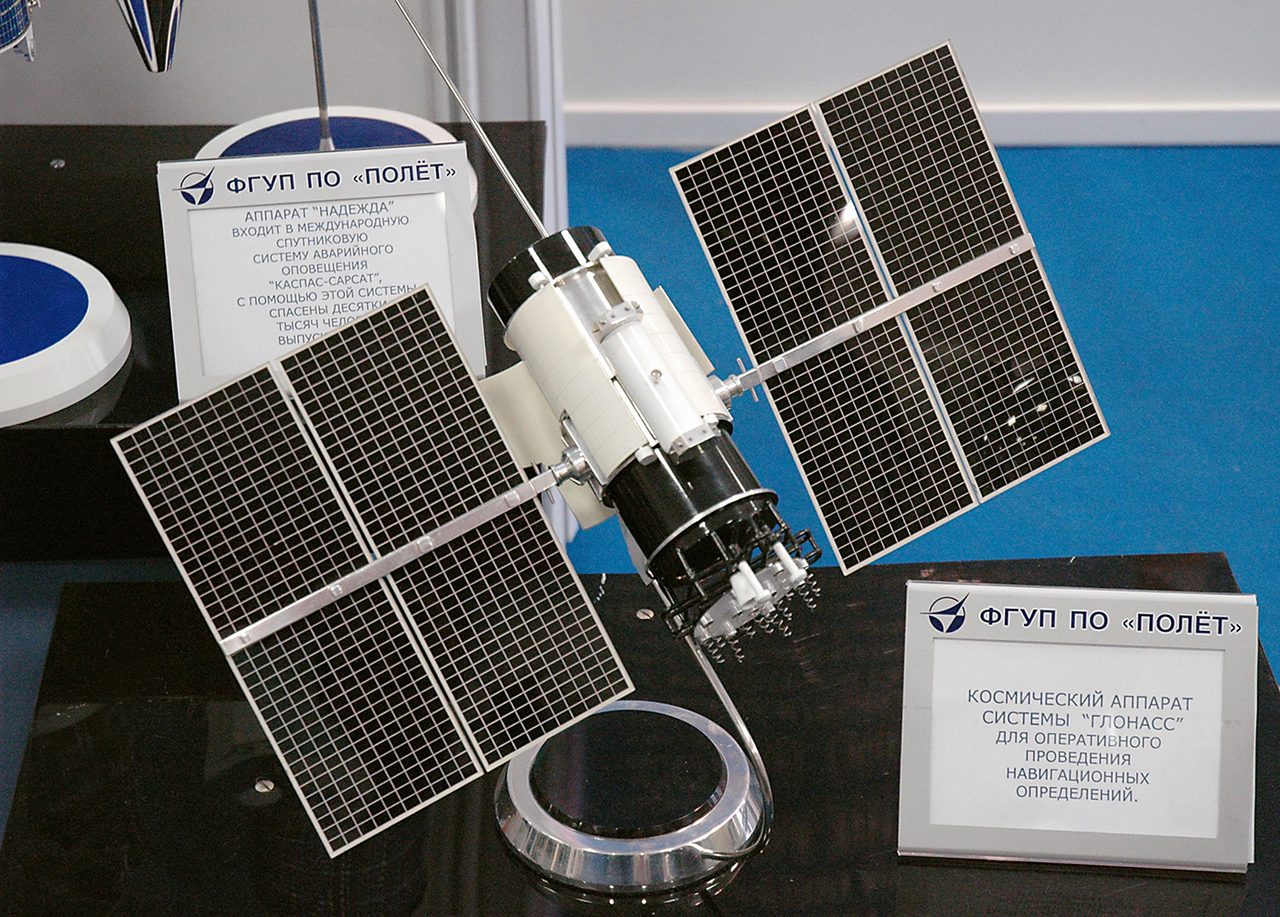
The ‘Global Navigation Satellite System’ (GLONASS) was born in the USSR in 1982. Initially used for military purposes, the technology is now available for everyday use.
‘GLONASS’ determines location anywhere on the planet using 24 satellites operating in three orbital planes. Unlike GPS, these satellites move counterclockwise to the Earth's rotation. ‘GLONASS’ is used in smartphones, cars, mobile maps and various other applications.
3. Rehabilitation suits
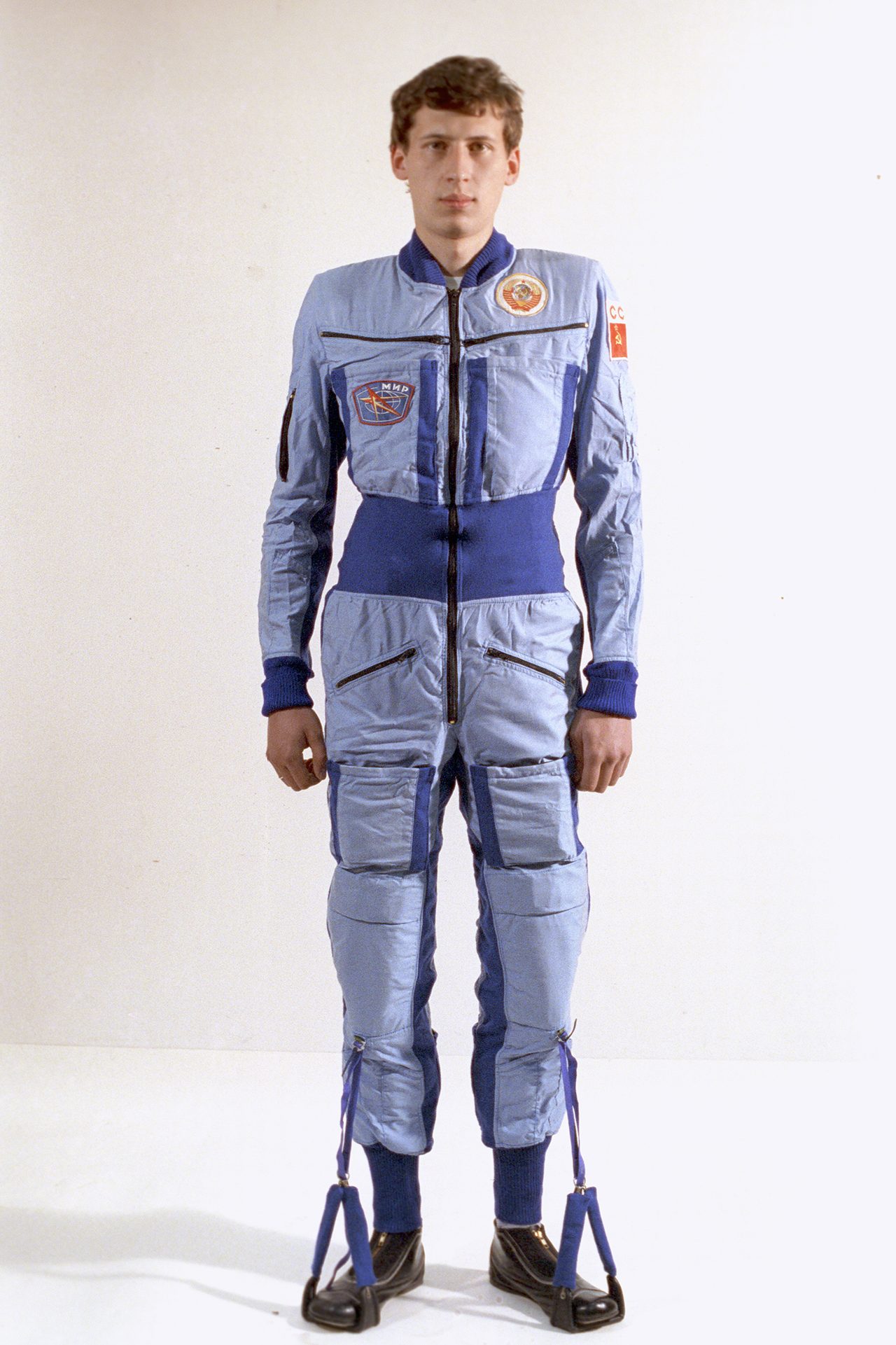 The ‘Penguin-3’ prophylactic suit.
In zero gravity, muscles atrophy, because they no longer experience the usual gravitational load they’re used to on Earth. To prevent this, Soviet specialists developed the ‘Penguin’ prophylactic suit, which creates artificial stress on the muscles. It was first used in 1971 aboard the ‘Salyut-1’ space station.
This suit formed the basis for rehabilitation suits for children with cerebral palsy (CP), which are now used throughout Russia. Similar suits also aid recovery from strokes, traumatic brain injuries and coordination disorders.
4. Bioprinters
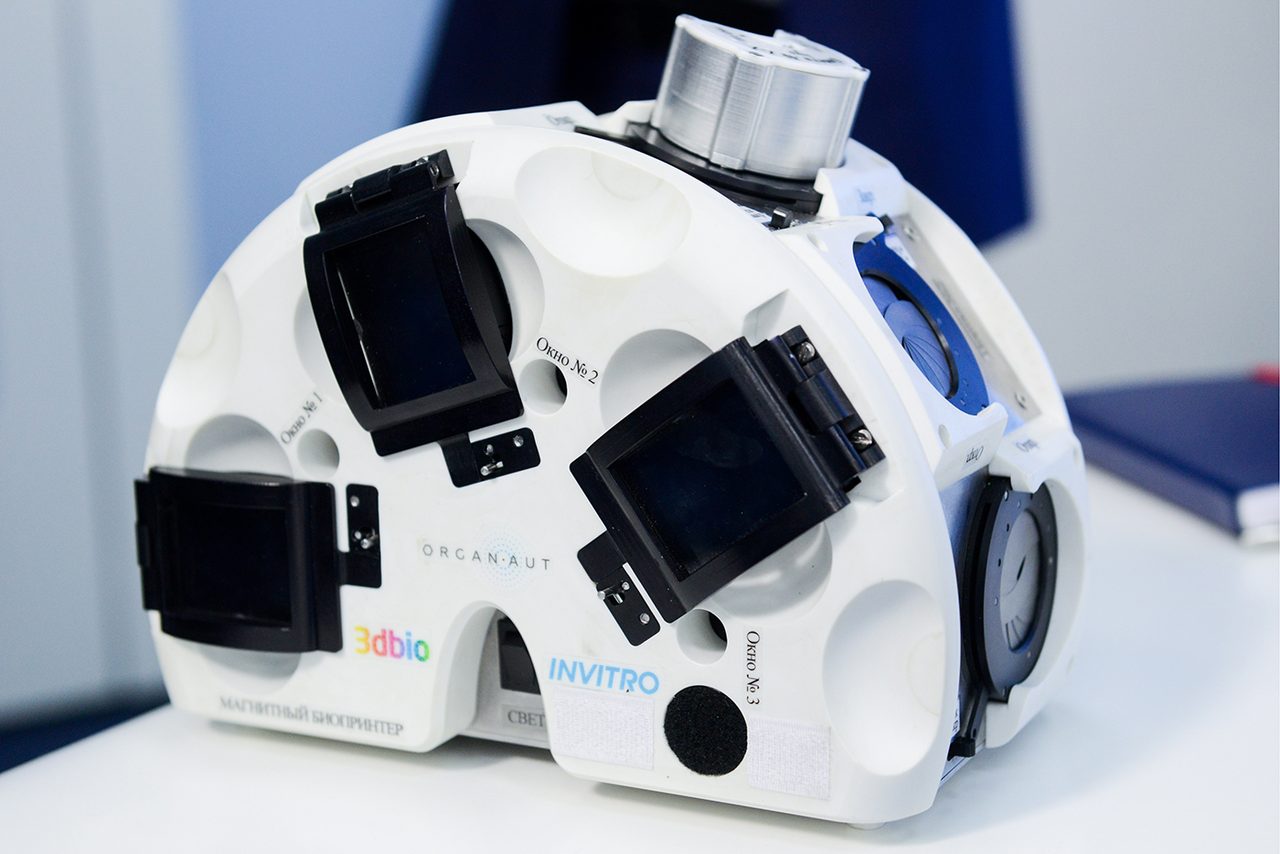 The ‘Organ.Aut’ magnetic bioprinter.
These 3D bioprinters "print" living tissues and organs from cells. They are needed not only for medical purposes, but also, for example, to create products from cow or fish cells. And printing requires zero gravity – at least for now.
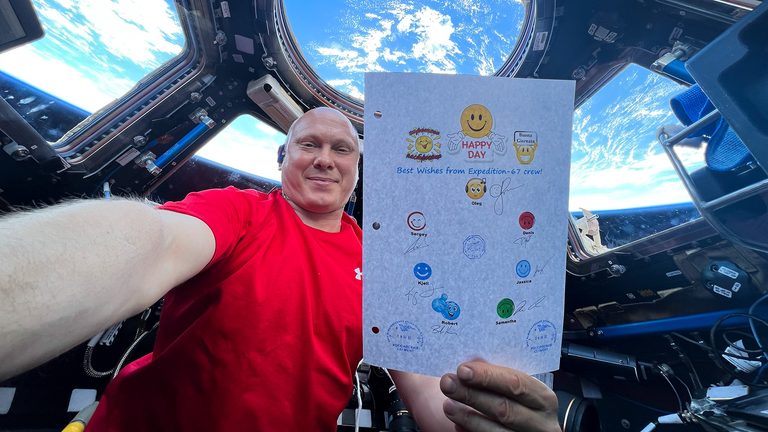
The world's first bioprinter designed for space was created by the Russian company ‘3D Bioprinting Solutions’. In 2018, they sent the ‘Organ.Aut’ magnetic bioprinter to the International Space Station (ISS), where cosmonaut Oleg Kononenko successfully printed human cartilage tissue and a mouse thyroid gland in space – another world first!
Experiments continue today, with several countries now developing bioprinters for space.
5. Freeze-dried food
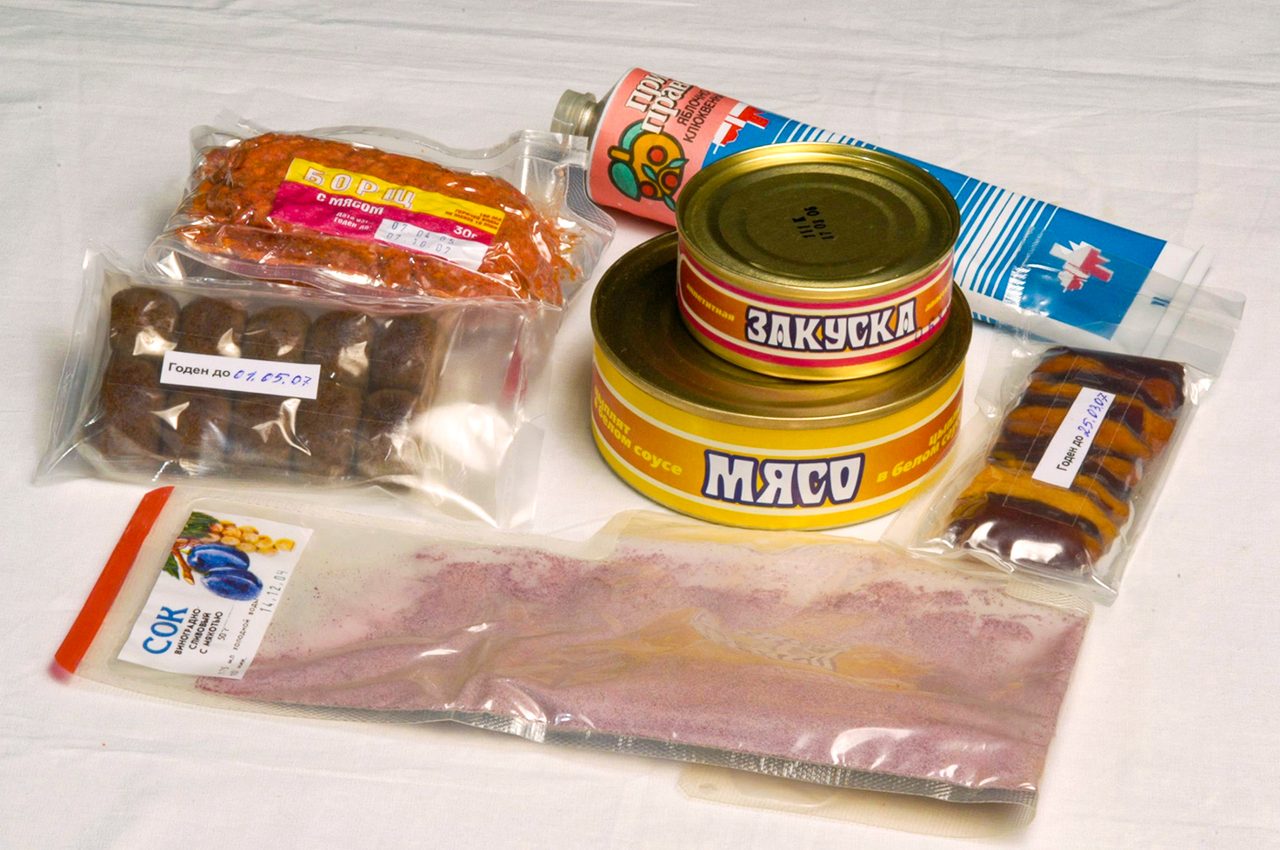
The freeze-drying method itself was invented in 1921 by Russian mining engineer Georgy Lappa-Starzhenetsky. The process removes moisture from a product in a vacuum at low temperatures, preserving its flavor and nutritional value.
In the 1960s, Soviet scientists industrialized the technology specifically for cosmonauts, as such meals were lightweight and required no refrigeration.
Today, freeze-dried food is everywhere: from travel food to packet porridge to dried berries.
6. Food in tubes
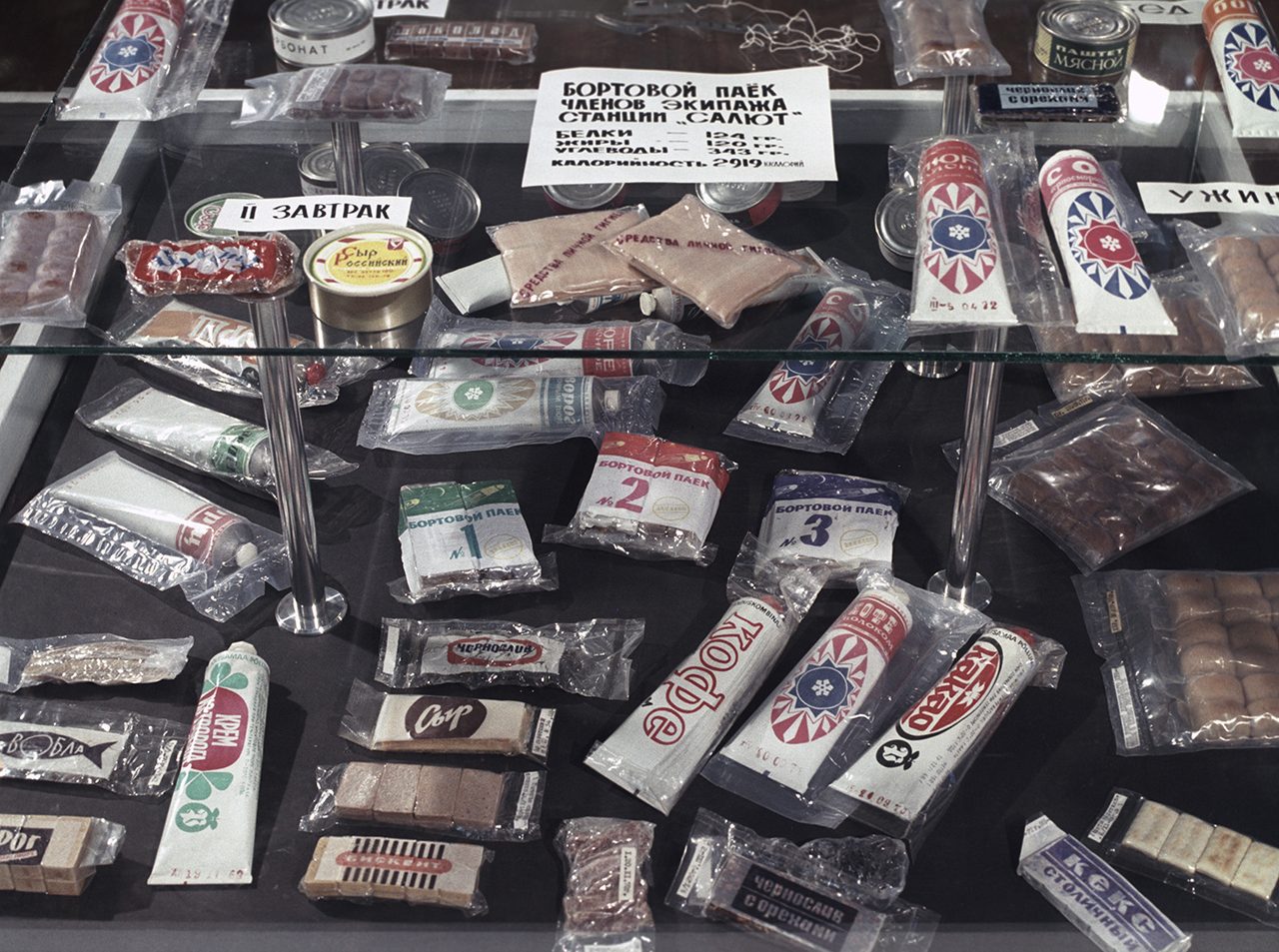
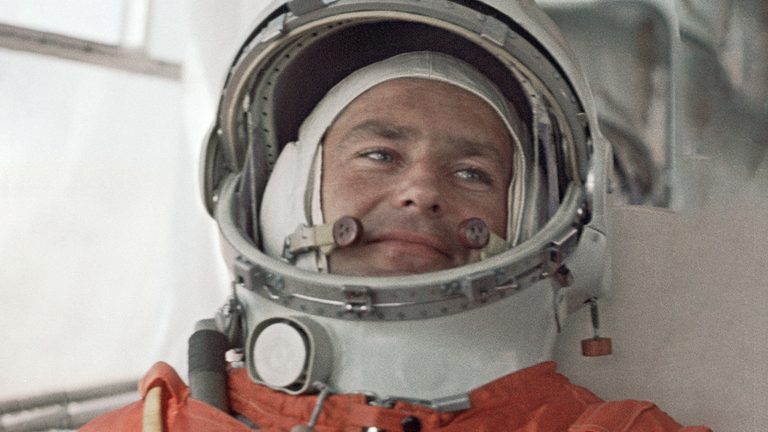
The world's first meal in space was eaten by German Titov in August 1961: It consisted of vegetable purée soup, liver pâté and blackcurrant juice. Soviet engineers invented the idea of putting space food in tubes – and they are still produced this way today.
The same production lines also made "civilian" products like mustard, sweetened condensed milk, pâtés and more. The tube packaging format itself remains common around the world.
7. Amusement park rides
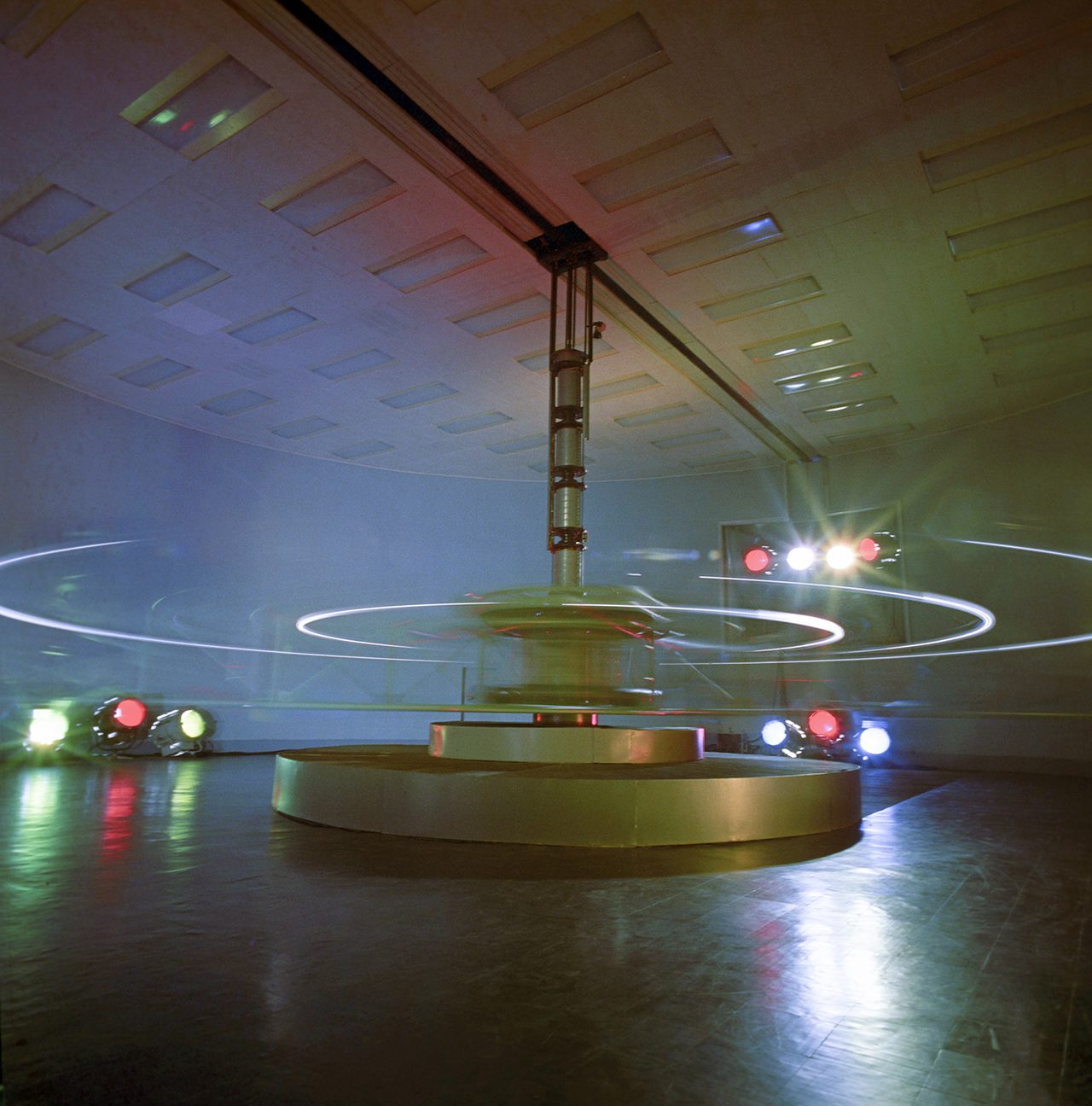
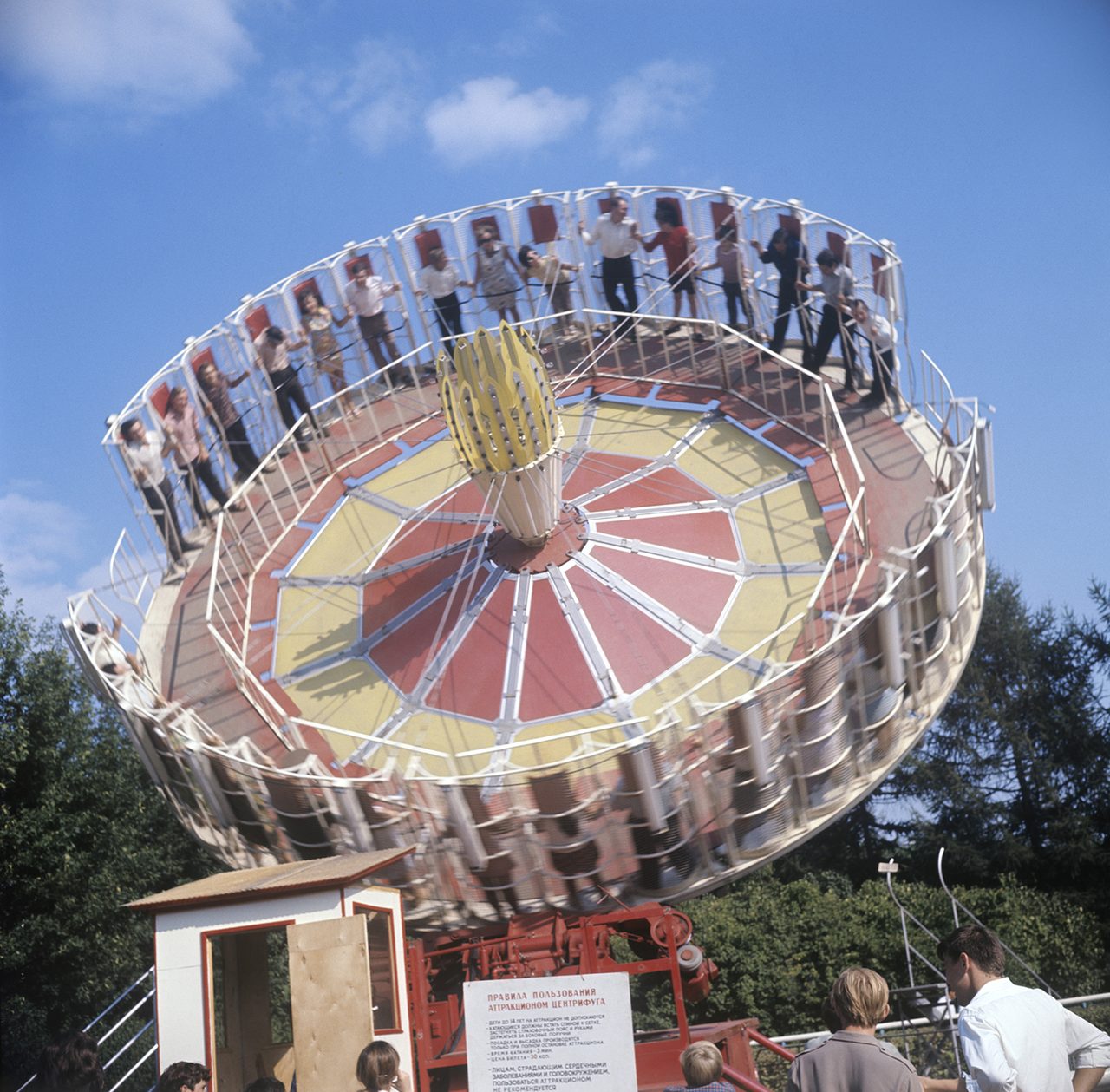
By the 1970s, training simulators for cosmonauts had become the prototypes for amusement park rides in the Soviet Union. Visitors could test their vestibular system and have fun on rides like the ‘Centrifuge’ (also known as ‘Surprise’), the ‘Orbit’, as well as try out gyroscopic swings. Today, there are even rides that can simulate weightlessness!