
Life of Ivan the Terrible in art (PICS)
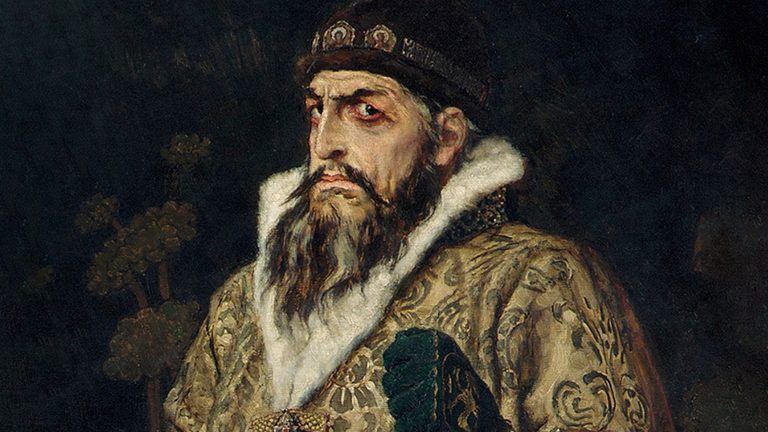
Tsar Ivan IV ‘the Terrible’ is considered one of the most controversial figures to have sat on the Russian throne. He is credited with annexing vast lands and reforming the state apparatus, as well as the army, but is also accused of widespread terror and the brutal suppression of opposition.
1. Pyotr Shamshin. ‘The Entry of Ivan IV into Kazan’, 1894
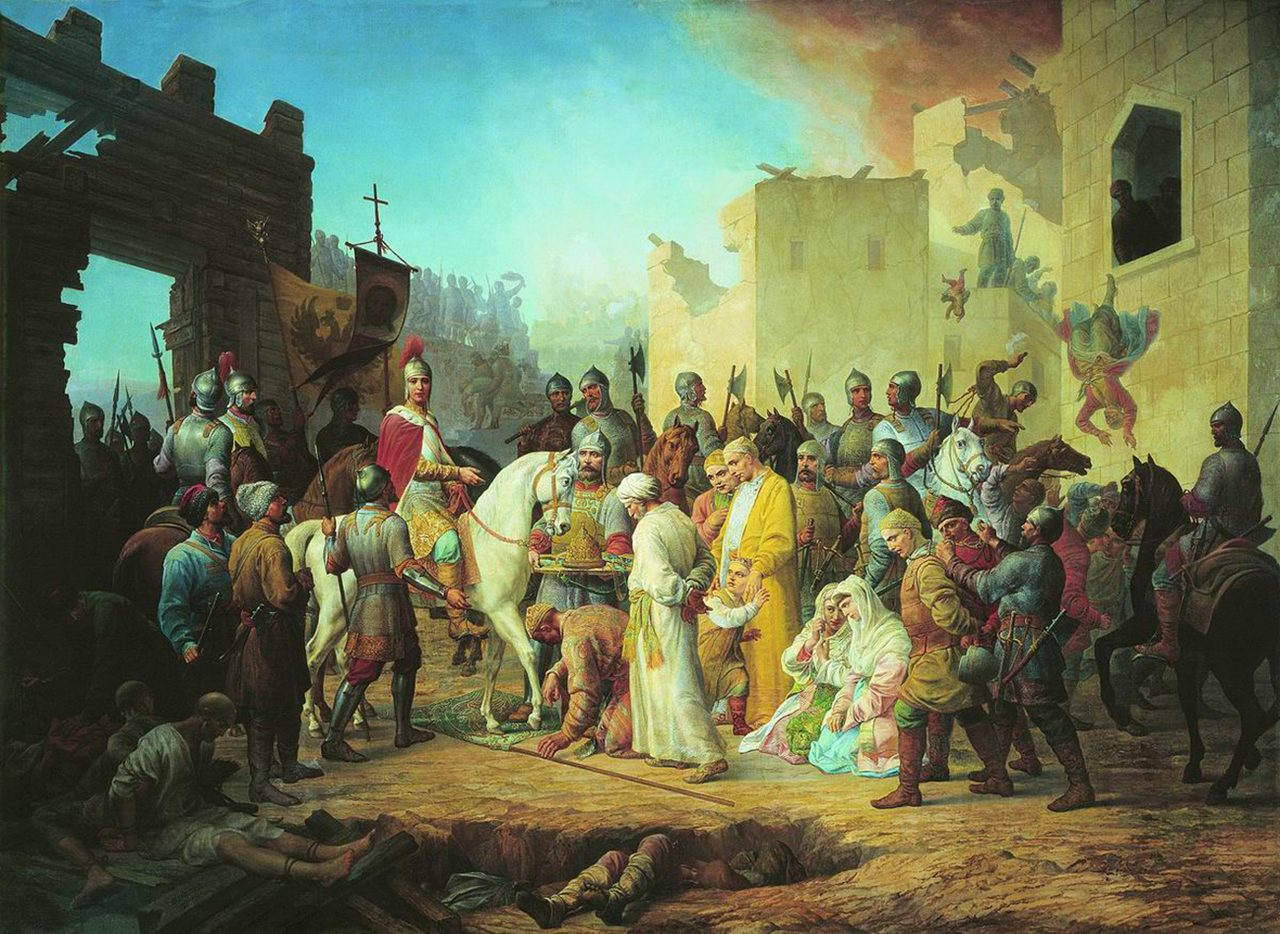
At the end of the 15th century, under Ivan III, the Russians broke free from their political and economic dependence on the Mongols. Under his grandson, Ivan IV the Terrible, they themselves embarked on a large-scale expansion into the lands of the collapsed Mongol state, the Golden Horde. In 1552, Ivan the Terrible annexed the Kazan Khanate and, four years later, the Astrakhan Khanate fell.
2. Nikolai Nevrev. ‘The Oprichniki’, 1890s
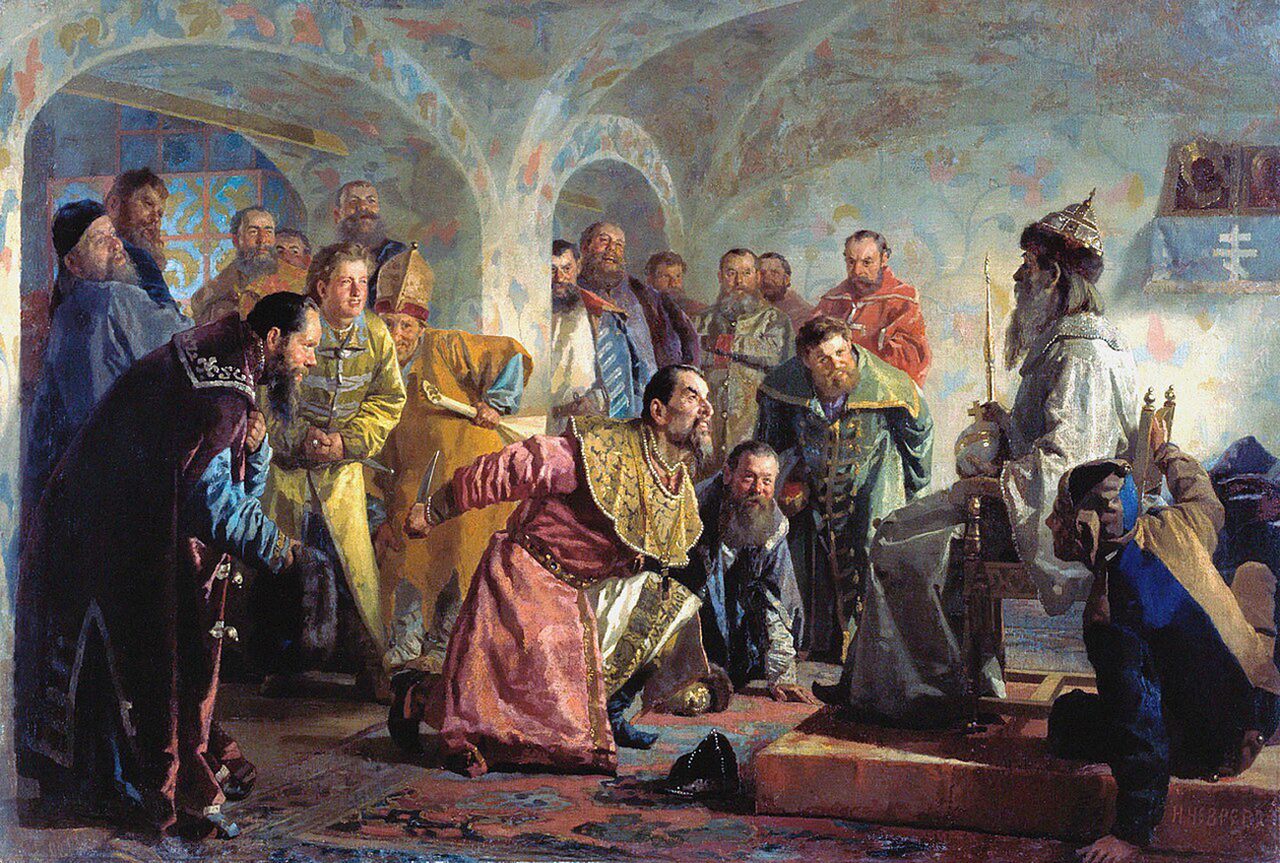
In 1565, to strengthen his autocratic power and suppress boyar opposition, Ivan IV divided the state into the ‘oprichnina’ (from the Old Russian word ‘oprich’ meaning ‘outside’, ‘separate’) and ‘zemshchina’. The former, comprising the richest lands, became the tsar’s personal domain, where he ruled with absolute authority. The latter was governed by the Boyar Duma, but the tsar personally decided all major matters.
The ‘oprichniki’ – the tsar's personal guard – waged a campaign of terror against boyars and clergy he disliked and suspected of treason. One of their victims was Boyar Ivan Fedorov-Chelyadnin. According to one account, on September 11, 1568, he was mockingly dressed in the tsar’s robes and seated on the throne; the tsar bowed to him, then stabbed him to death with a dagger.
3. Yakov Turlygin. ‘Metropolitan Philip Denounces Ivan the Terrible’, 19th century
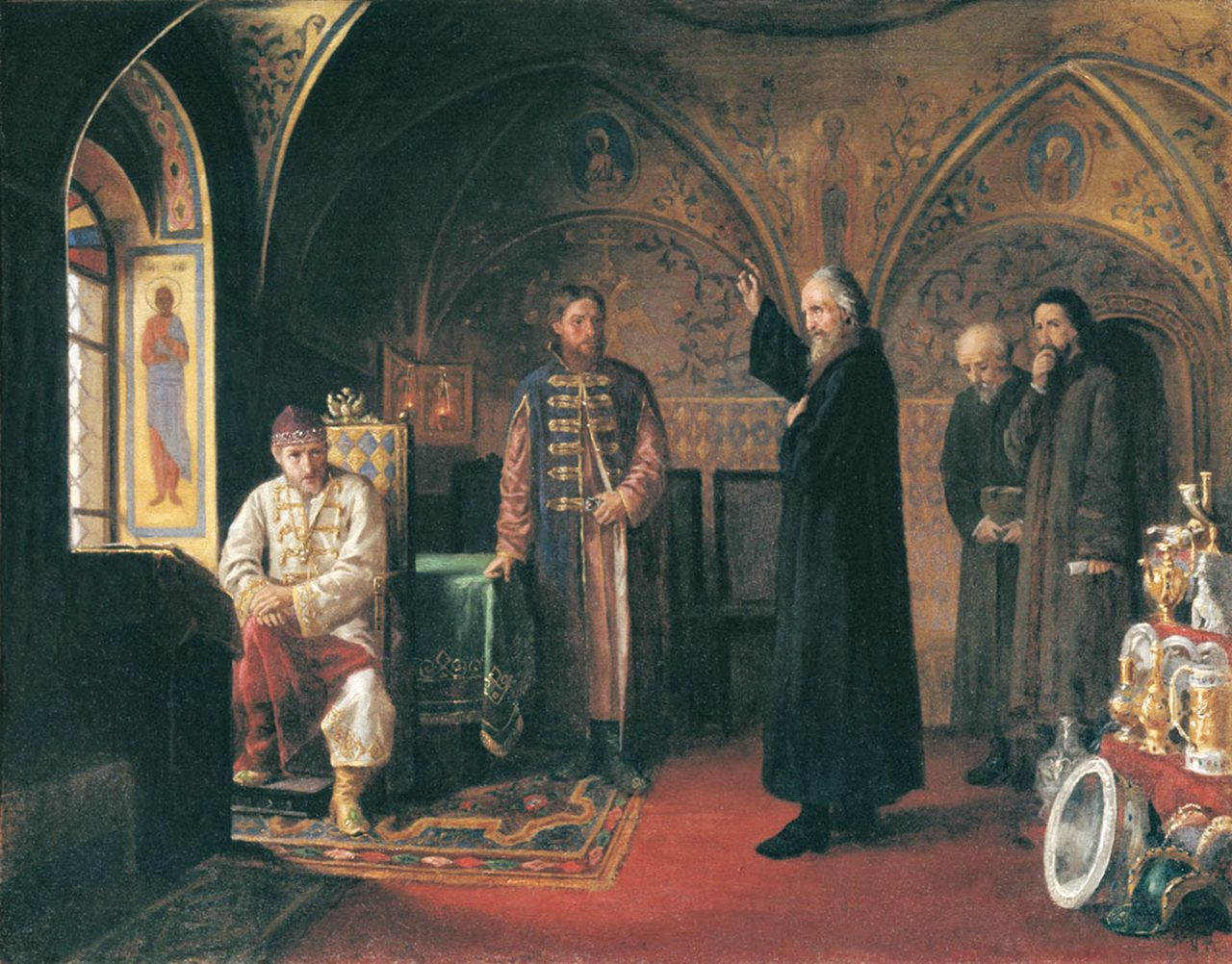
Metropolitan Philip II of Moscow was one of the few who boldly and openly condemned the tsar's tyranny. For this, he was defrocked and sent into exile to a monastery in Tver. There, on December 23, 1569, he was strangled by the ‘oprichnik’ Malyuta Skuratov. Philip was canonized in the mid-17th century.
4. Mikhail Klodt. ‘Ivan the Terrible and the Shadows of His Victims’, late 19th-20th centuries
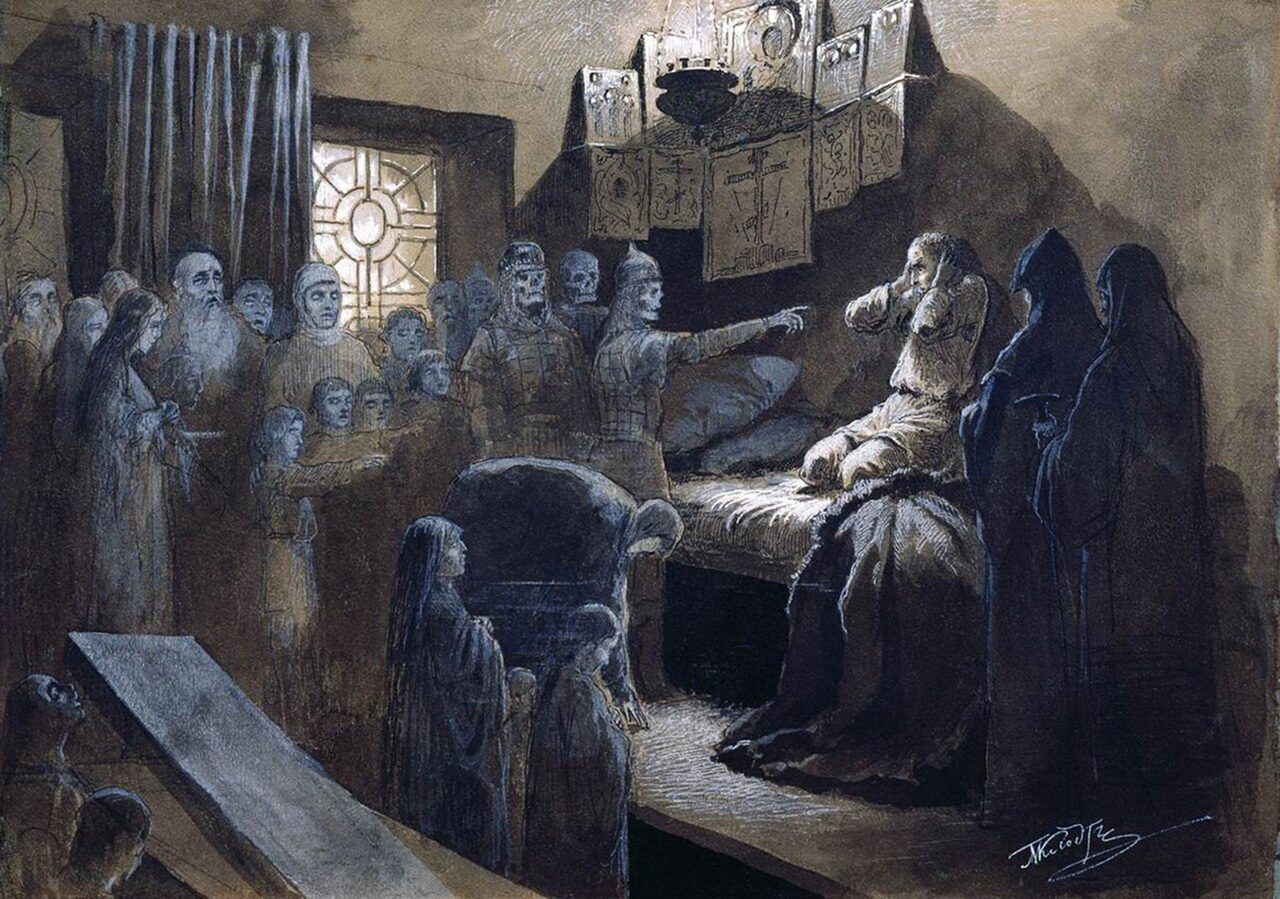
The exact number of people killed by Ivan the Terrible's orders or as a result of the arbitrary actions of his ‘oprichniks’ is impossible to calculate. Estimates range from 3,000 to several tens of thousands.
5. Alexander Litovchenko. ‘Ivan the Terrible Shows Treasures to the English Ambassador Horsey’, 1875
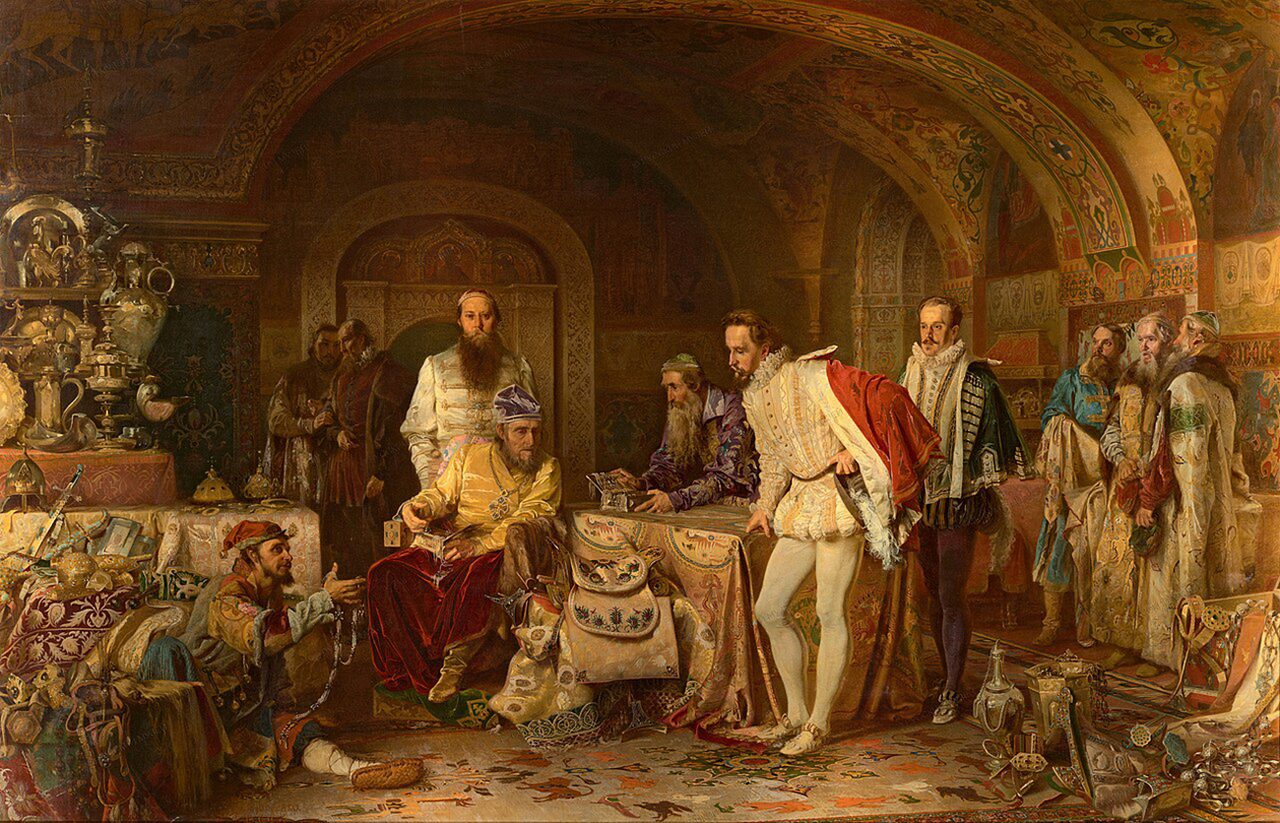
In the mid-16th century, English ships appeared off the northern coast of the Russian state. The English reached Moscow, met with Ivan IV and agreed to establish long-term economic ties between the two powers. The tsar granted them the right to conduct duty-free trade in all Russian cities and to open a branch of their trading company in the capital. Thus, England became the Russian state's main economic partner for many years.
6. Ilya Repin. ‘Ivan the Terrible and His Son Ivan on November 16, 1581’, 1883-1885
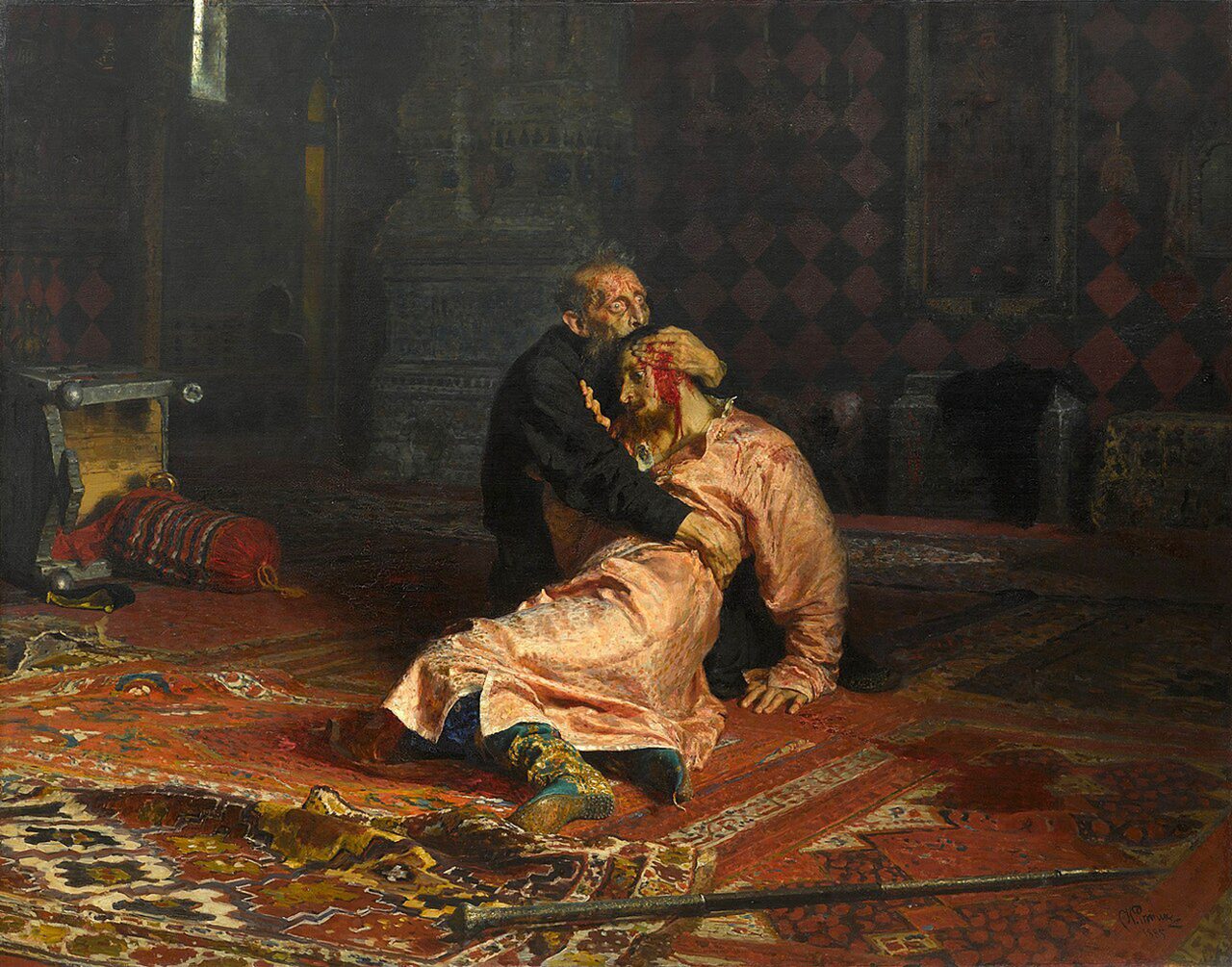
The tsar's son, Ivan Ivanovich, died on November 19, 1581, at the age of only 27. The cause of his death remains a mystery. According to one account, he had a heated argument with his father, who, in a fit of rage, struck him a fatal blow with his staff.
7. Stanislav Rosvorovsky. ‘Embassies from Yermak on the Red Porch before Ivan the Terrible’, 1884
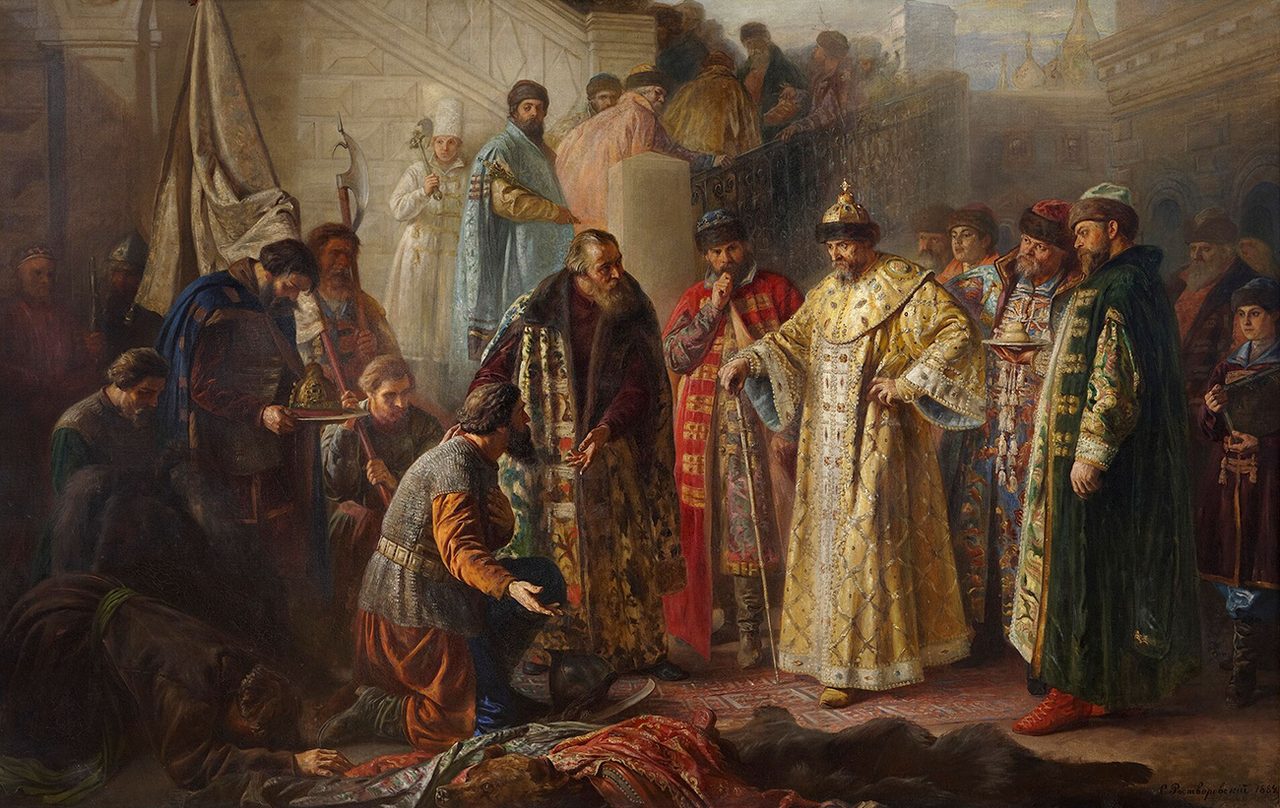
In 1581, the Cossack army led by Ataman Yermak launched a successful campaign against the Siberian Khanate, one of the last remnants of the Mongol Empire. The military campaign was organized by the Stroganov merchants, but the Cossacks needed more serious assistance and appealed to the tsar. A Cossack embassy arrived at the court of Ivan the Terrible bearing gifts and news of the conquest of Siberia. Delighted, the tsar forgave the Cossacks for their past transgressions, rewarded them and sent his own troops to support them.
8. Pyotr Geller. ‘The Metropolitan Ordains Ivan the Terrible Into the Schema before His Death’, 1887
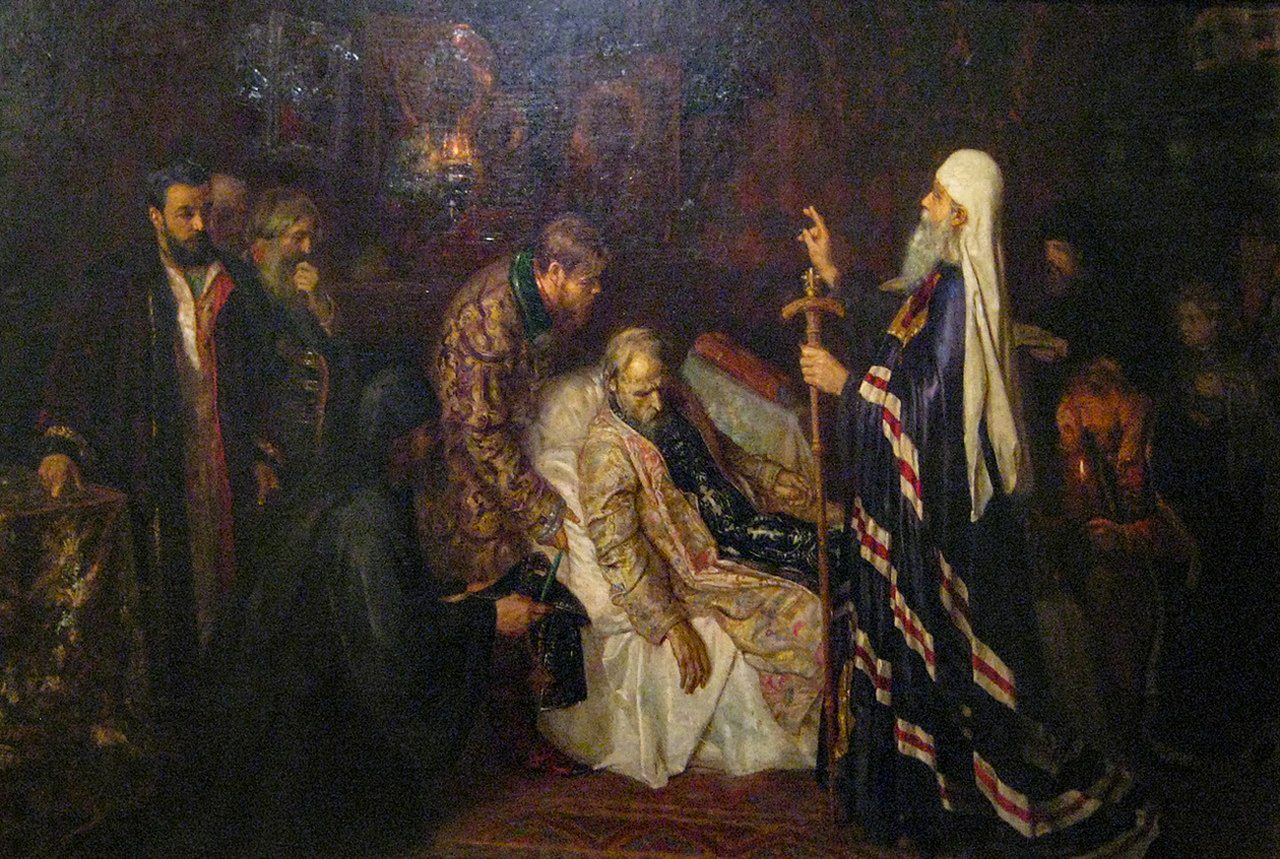
The tradition among Russian rulers of taking monastic vows before death, thereby cleansing themselves of sins, came to Old Russia from Byzantium. Throughout his life, Ivan the Terrible repeatedly spoke of his desire to become a monk, but this only occurred just before his death in March 1584. One account suggests that Ivan the Terrible's confessor, Theodosius of Vyatka, performed the rite on the monarch, while he was unconscious following a stroke. The tsar was given the monastic name Jonah and buried in monastic robes.