
How a Swiss IT specialist opened an exotic farm in Crimea

Swiss native Sandro Fontana lives in a remote mountain village. He has a wife, two sons and runs a farm. What’s unusual about this story? The farmer is actually a former computer programmer; he raises ostriches, instead of cows and has swapped the Alps for Crimea!
The Fontana family settled in the Baydar Valley near Sevastopol five years ago. It’s a picturesque and secluded spot, often dubbed ‘Crimean Switzerland’. Sandro only learned this after moving there and laughed: not everyone gets to move from Switzerland to Switzerland!
Russian wife
Sandro met Alena online. She was 28, he was 40. She worked in Moscow in the tourism industry, while he was an IT guy living on the outskirts of Chur, the capital of the canton of Graubünden.
“We chatted for hours over three months! I don’t even remember talking to anyone that much. Then, I went to Moscow for a weekend, we visited museums, walked through Gorky Park and I knew for sure that Alena was the one,” Sandro says.
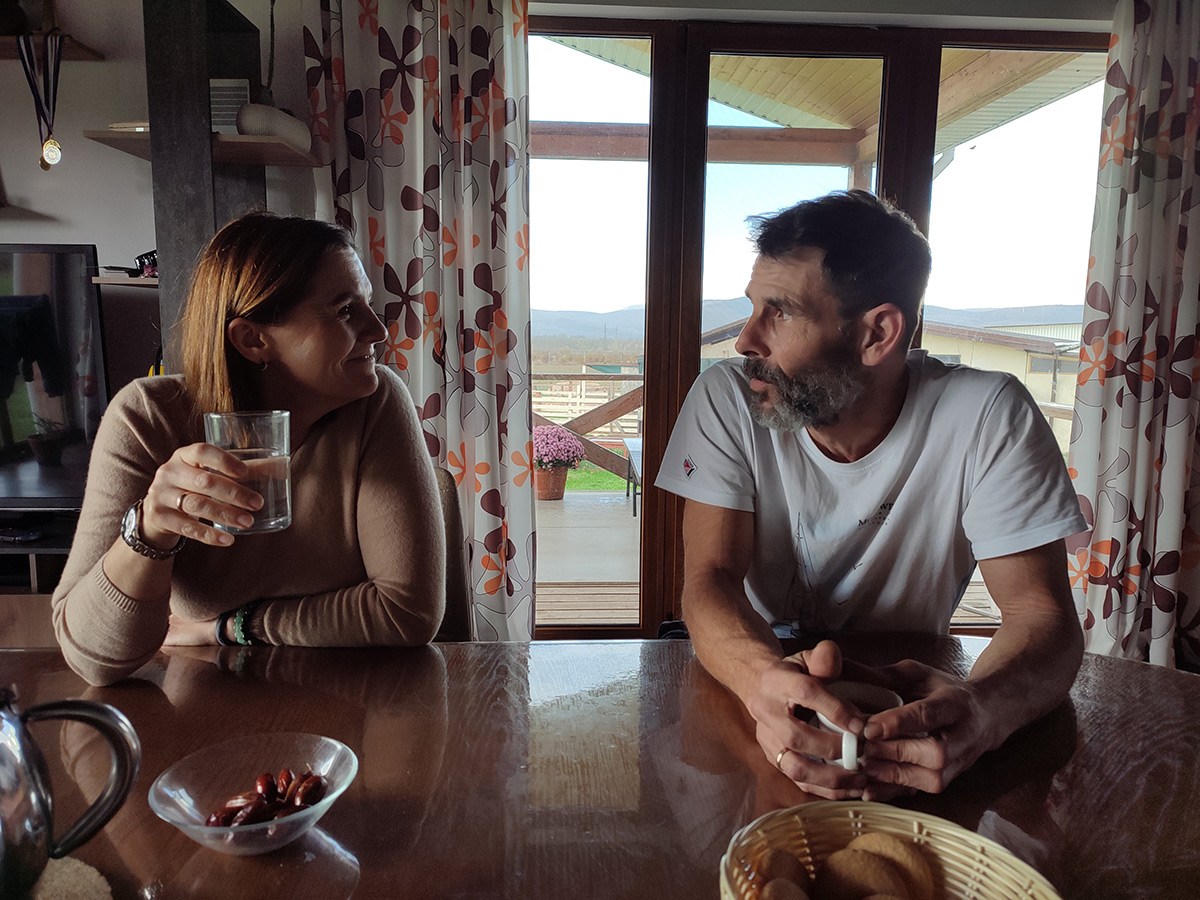
Before meeting her, the Swiss man hadn’t thought about starting his own family, as he was too busy studying and working. And most of the women around him were career-focused.
“But, Alena was different. She balanced work and life beautifully. She’s very light-hearted and kind. So, after that first meeting in Moscow, I decided to marry her,” Sandro shares.
Moving to Russia was his idea
At first, Alena moved to Switzerland. The couple lived there for seven years and had two children.
Everything was going well for the international family. Alena found an interesting job teaching dance and connected with the Russian-speaking community. Their son attended a Russian playgroup. There didn’t seem to be any pressing reason to move… but Sandro decided otherwise.
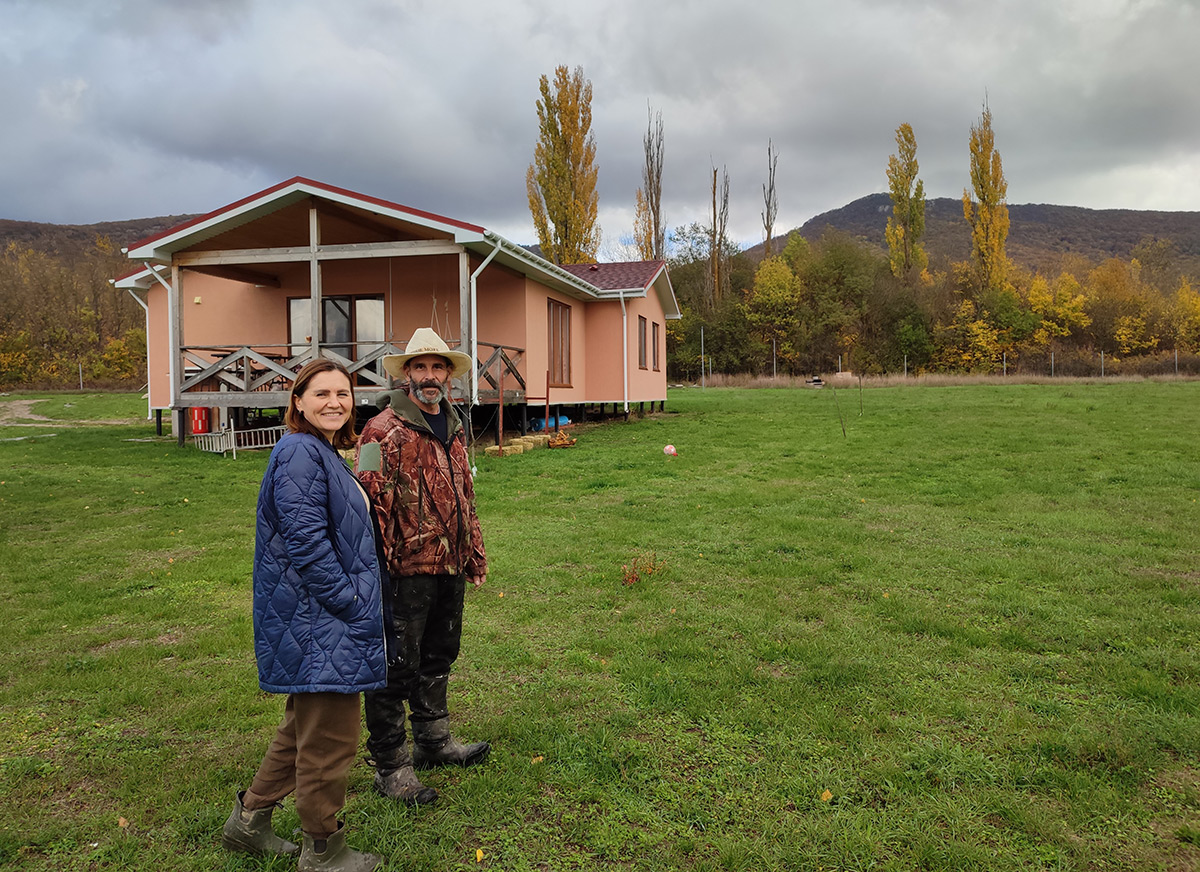
“I always wanted to be a farmer, to work the land. In Switzerland, that’s very expensive, so I explored opportunities in Russia and realized: this is where we should build our farm and new life.”
Alena’s parents live in Crimea. Her father suggested an ostrich farm, as the niche was untapped. Sandro drafted a business plan and agreed.
The ostrich business
The couple opened the ‘Swiss Yard’ farm three years ago. Bureaucracy made it challenging, but the state supported the new farmers with a grant of 1.5 million rubles (around $20,000). They used it to buy new equipment and bring eight ostriches from a nursery.
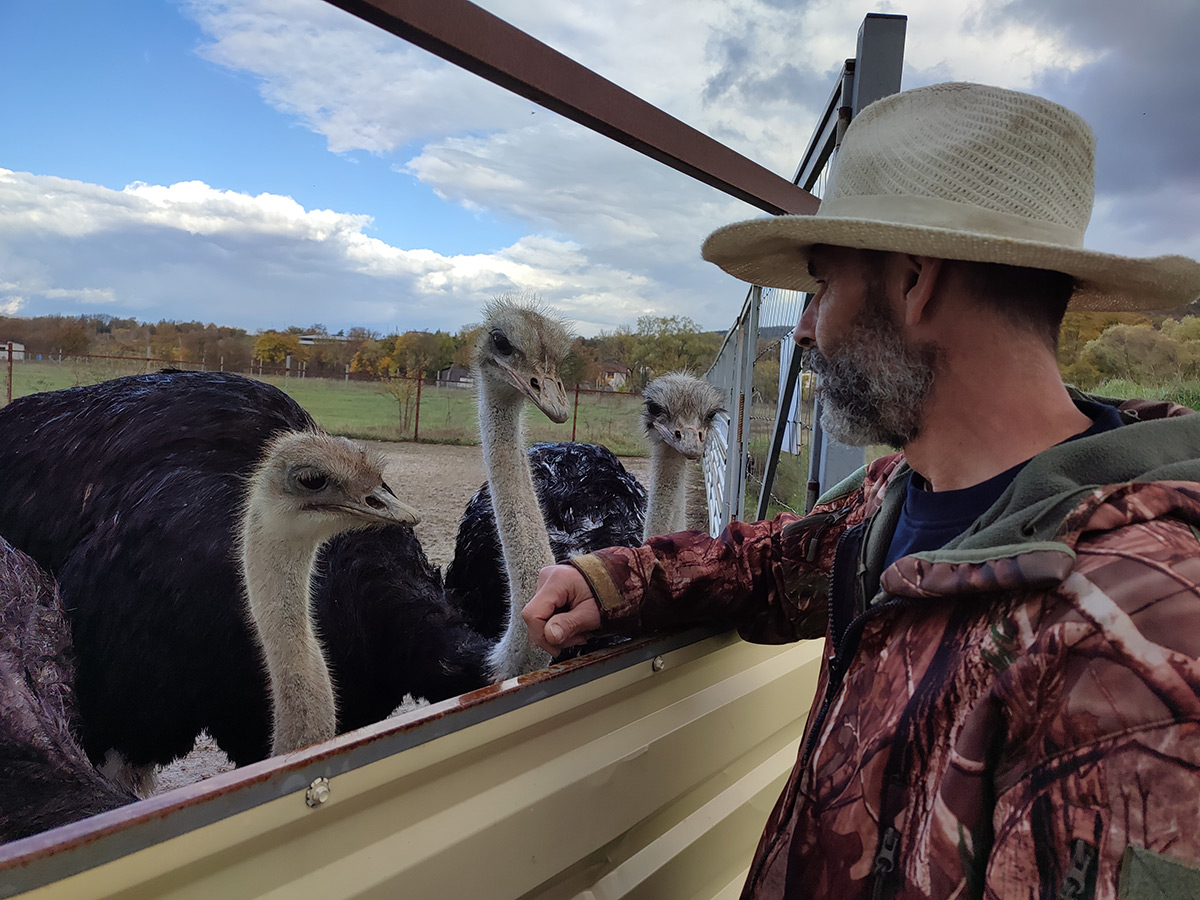
Now, Alena and Sandro sell ostrich eggs and raise chicks for sale. Ostriches aren’t chickens: their laying season lasts from March to September, during which a female produces only about 30 eggs. One egg weighs around 1.5 kg and costs, on average, 3,000 rubles (approx. $32), but they aren’t in stock for long.
During the laying season, the farmer couple often treat guests to their signature parmesan omelet. One egg makes eight portions!
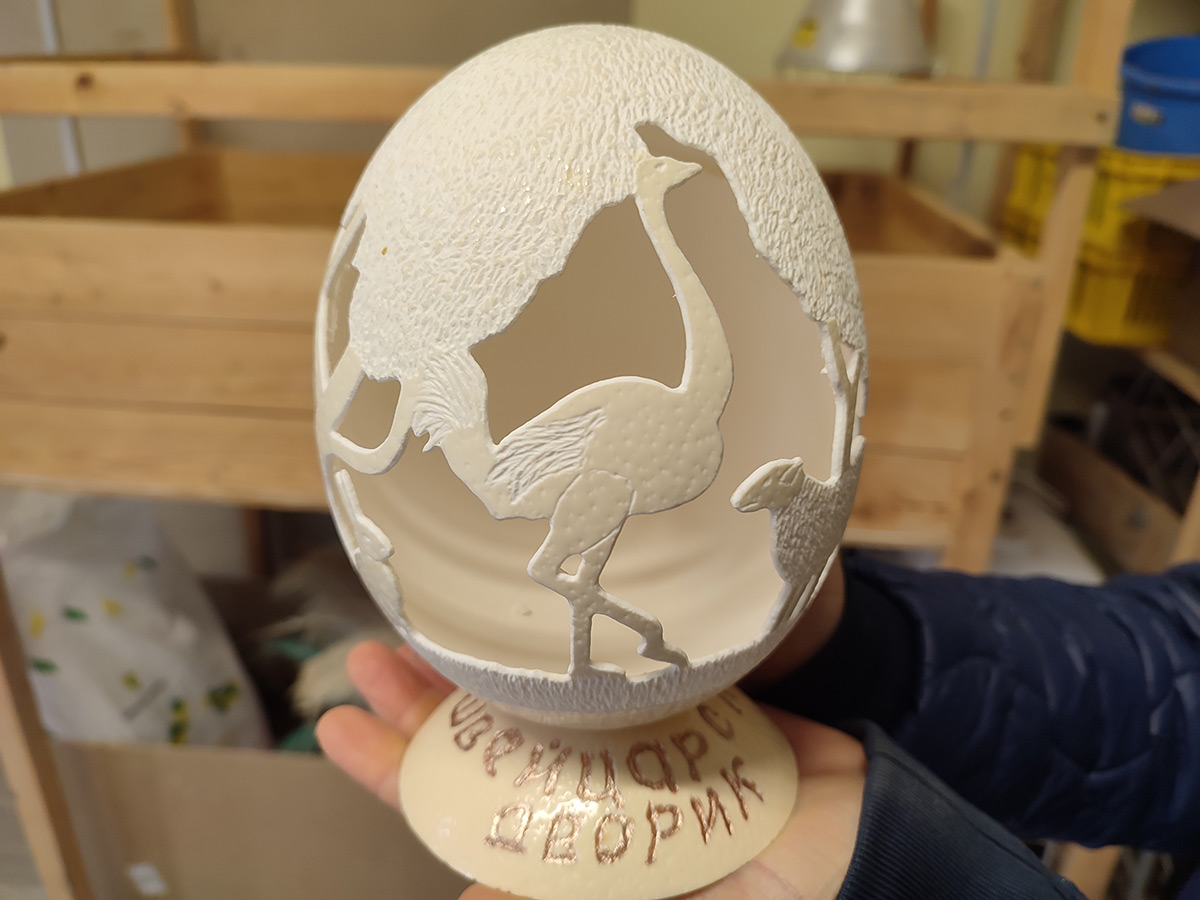
“Ostriches also provide healthy and delicious meat. Their durable skin is even used for shoes, bags and accessories. Their claws, meanwhile, are ground into powder for polishing diamonds. And then there are the feathers…”
The farmers have also built several guesthouses with panoramic windows, so visitors can stay and enjoy nature. Eventually, they plan to add a mini-golf course and a food court to host culinary tours and workshops.
“We want to develop this beautiful place and finally earn a living. For now, I still have to manage IT projects on the side,” Sandro admits.
Has the Swiss man become Russian over five years in Russia?
Some things about Russians still surprise Sandro: “Oh, your superstitions, sayings, excuses… I’ve learned to live with them. But, explain to me why I can’t shake hands over a threshold, whistle indoors, leave an empty bottle on the table or give my wife an even number of flowers? Why do people believe in these things?”
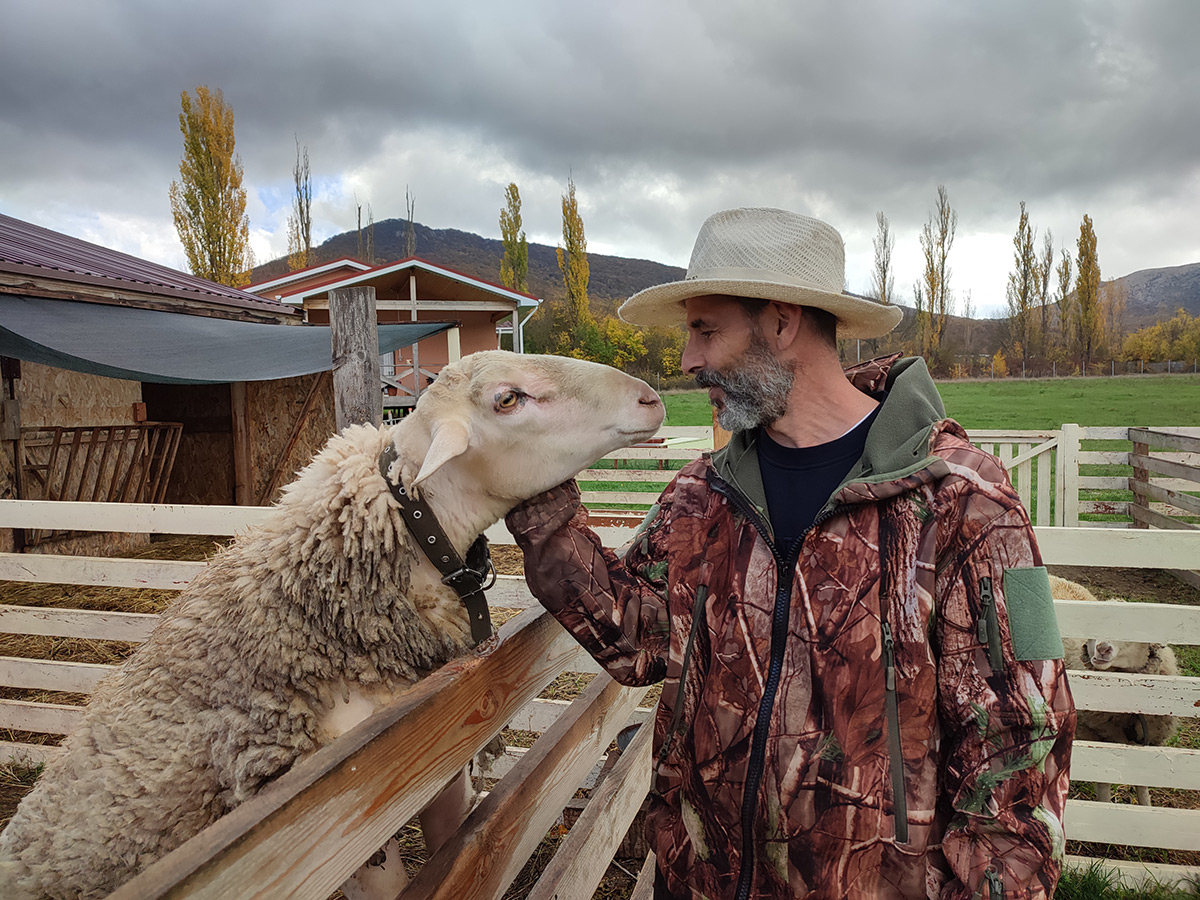
Alena says Russia has changed her husband. Now, he speaks his mind more openly and honestly, without hiding behind polite formalities.
Every winter, the family still travels to Switzerland. And when Alena asks Sandro if he regrets moving to Russia.
“No. Russia is a country that, no matter what happens in the world, can stand on its own. It has its own water, gas, oil. I want a good future for our children and that’s possible here,” the Swiss man replies confidently.
The full interview (in Russian) is available on the ‘Nation’ magazine website.