

What surprises the French in Russia?
French people who have had the chance to visit or live in the world's largest country recently shared their observations with us.
1. A different perception of space
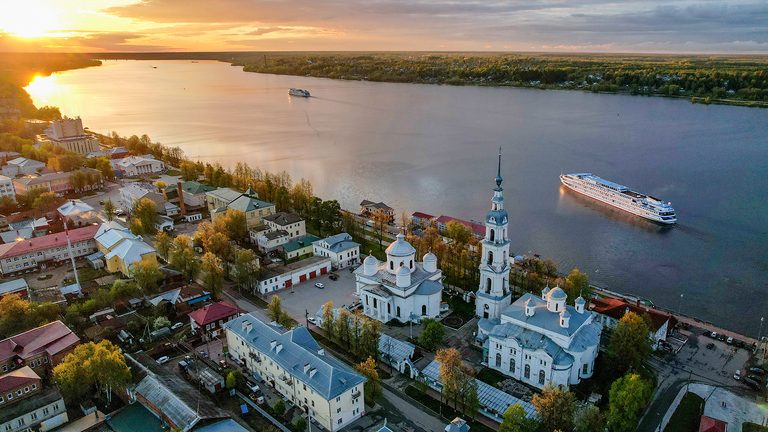
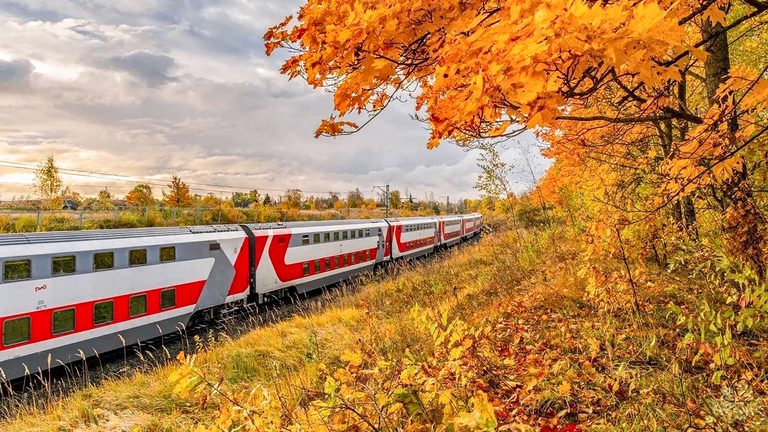
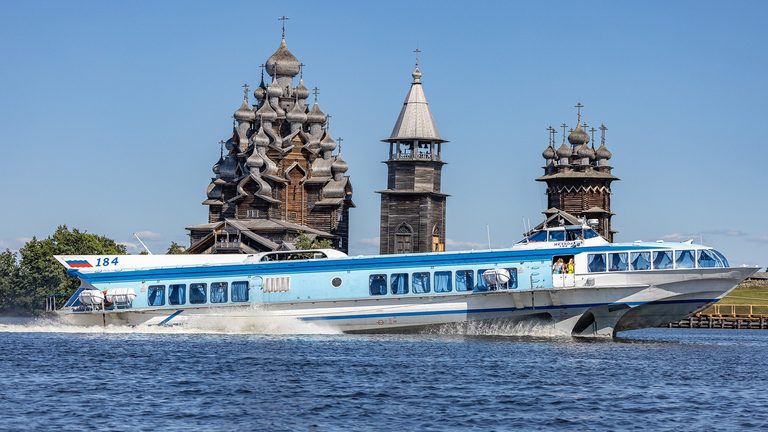
Russia is the largest country in the world, with an area of over 17.1 million square kilometers (that's 31 times larger than France!). It's no wonder that the first thing that strikes foreigners visiting is the vastness of its expanses.
“I've had the chance to travel all over the country: from the Arctic to Siberia, passing by the Urals and the Caucasus and its scale is astounding. Flying over the Siberian taiga or sailing on the waters of Baikal, the world's largest lake, only confirms this. Even Russian cities impress with their size. This is truly a country of records!” says Yann, who has lived in Russia for about seven years.
2. Interest in French сulture
“Sometimes, I get the impression that Russians know more about France than the French themselves,” a resident of a small provincial French town jokes. Nevertheless, many of his compatriots admit that Russians are, indeed, familiar with French history and culture.
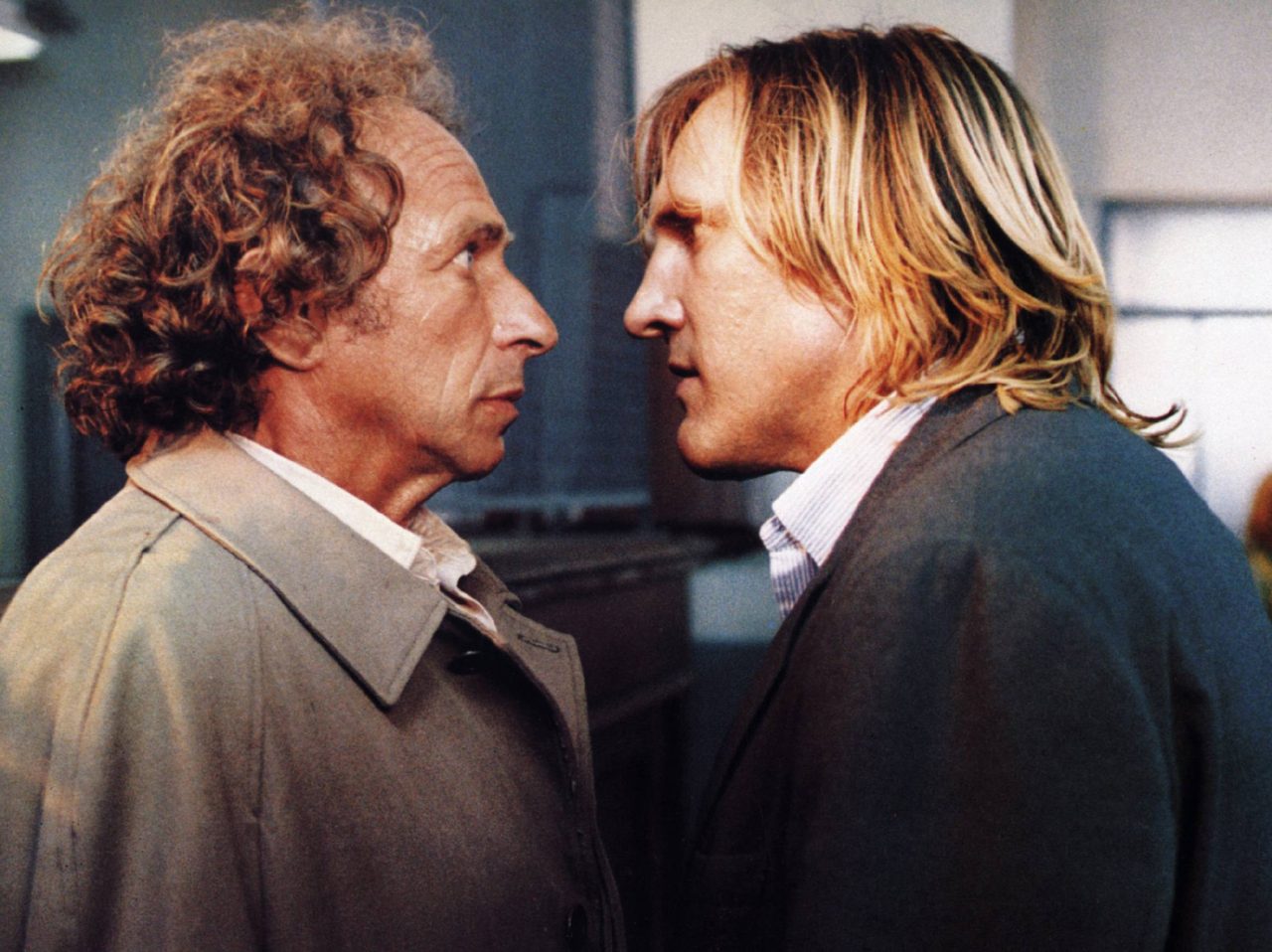
“Russians are certainly the world's biggest Francophiles. I'm always surprised by their knowledge of French history and culture. The older generation often tells me about movies with French actor Louis de Funès and young people say they grew up on ‘Taxi’ and ‘Astérix’,” Yann explains.
There is, of course, a logical explanation for this, as relations between the two countries span almost a 1,000 years. Whether the French were allies or opponents of the Russians, their homeland has always held a special place in the minds of many Russians.
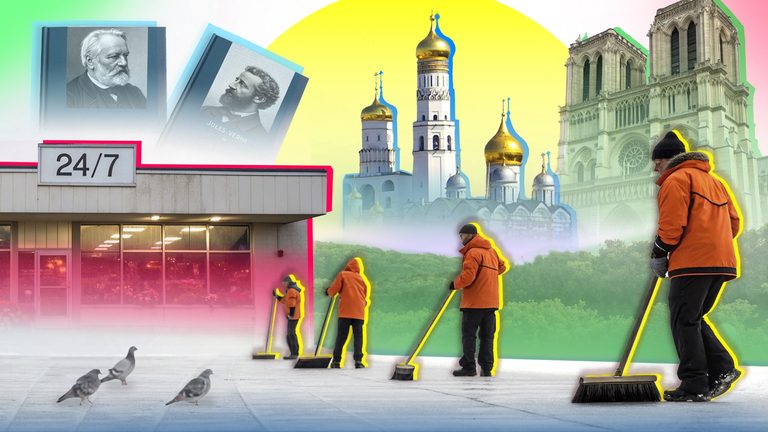
Considered by Soviet citizens as one of the capitalist countries closest in spirit, France regularly supplied the country with its movies. In the USSR, comedies with Pierre Richard and Gérard Depardieu were watched with delight, while the works of great French classics (Victor Hugo, Stendhal, Honoré de Balzac and Alexandre Dumas) were included in school lists of recommended extracurricular reading. Even today, this admiration for “everything French” is quite common among Russians.
3. The accessibility of services
It seems everything in Russia works without a break: many stores and restaurants are open practically around the clock. Therefore, an expat from France’s Brittany was extremely surprised to learn that you can buy a bouquet of flowers even late at night.
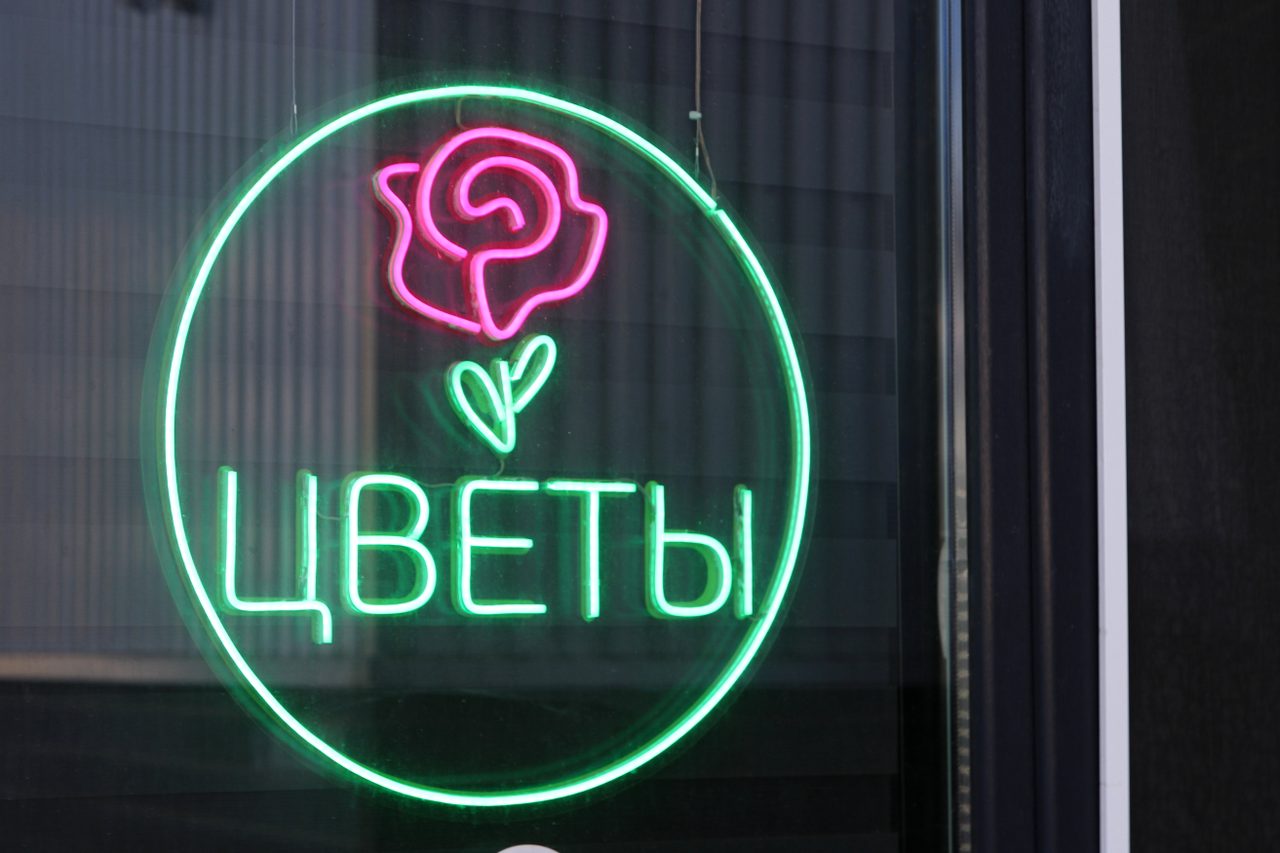
“When I came to Russia, I was told this was done so that Russian husbands who were coming home late could find flowers for their angry wives at any time and, thus, avoid getting hit with a rolling pin. I still don't know if it's true, but it sounds very funny!” says a French woman, who has lived between Russia and France for the past 10 years.
She was also surprised that Russians calmly have breakfast in a cafe or restaurant in the middle of the day. “I often had to explain to Russians coming to France that they would have to consider the French schedule, otherwise the only thing they would find is fast food,” she says with a smile.
4. Cleanliness & hygiene rules
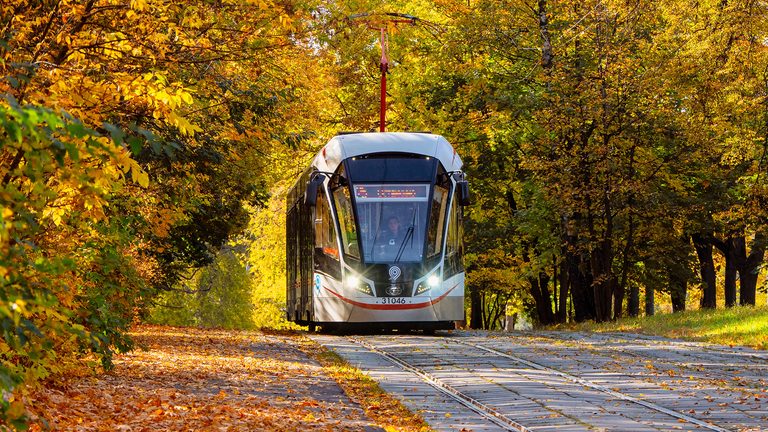
The first thing that usually surprises foreigners arriving in Moscow is the cleanliness of the streets. “I don't know how it's all organized, but I see how quickly trash and snow disappear from the streets in winter,” shares another Frenchman.
Indeed, the capital places great importance on the work of municipal services, which meticulously divide the city territories among themselves. To maintain order, their employees go out for cleaning even early in the morning or late at night, so as not to interfere with traffic and pedestrians, so you might get the impression that cleanliness is maintained literally 24/7. Of course, not all Russians are extremely tidy, however, throwing a candy wrapper or an empty soda bottle on the ground in public places in Moscow is considered a sign of extreme bad manners.
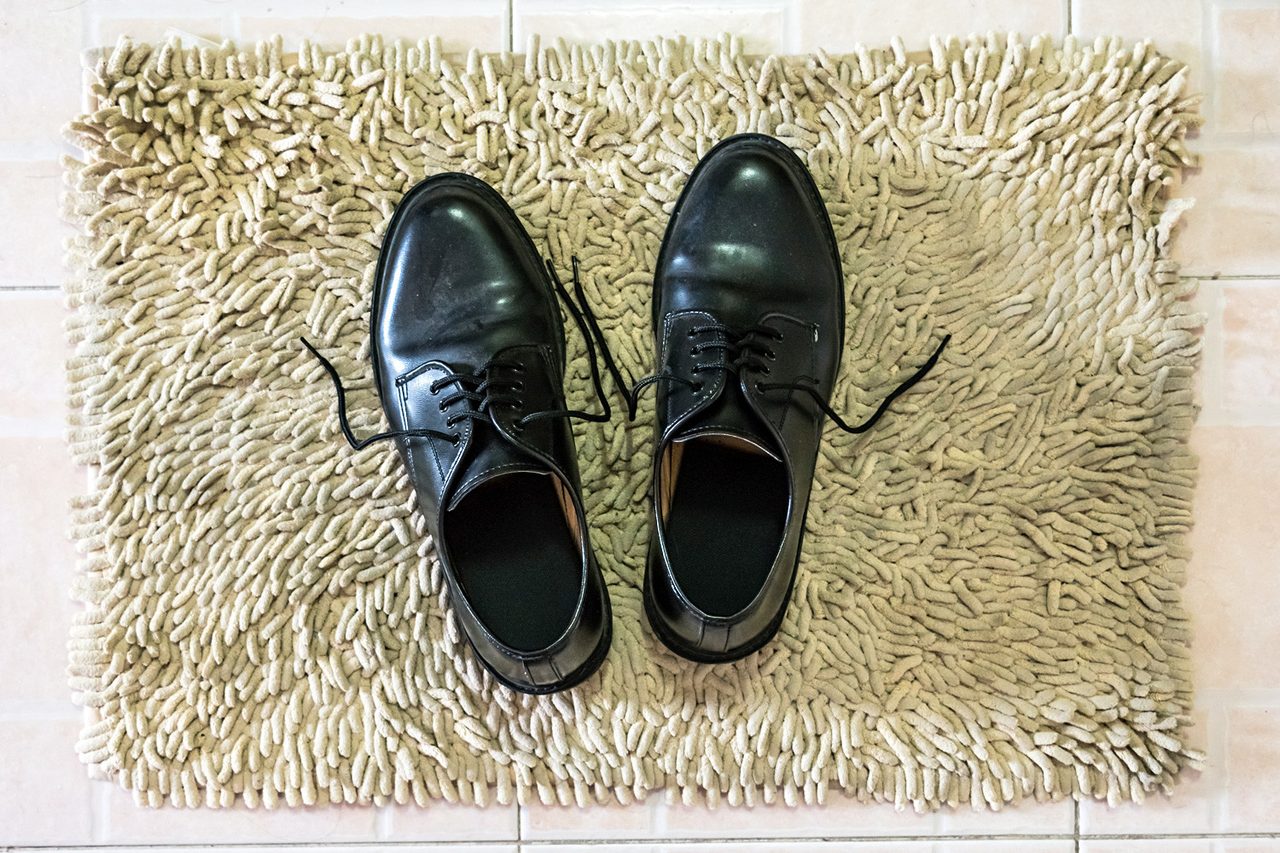
Russians also put a lot of effort into maintaining order in their homes. “When a resident of the country returns to their house, they always take off their street shoes at the entrance and then go to the bathroom to wash their hands thoroughly,” shares Valentin.
Taking off shoes at home is an essential unwritten rule in Russia, which often causes embarrassment for foreigners, even though Russians usually offer their guests house slippers. As for handwashing, it’s given almost cult-like attention in Russia, a legacy of Soviet times: epidemics raged after the 1917 Bolshevik Revolution and Civil War, while Soviet propaganda made great efforts to instill useful habits in citizens.
5. Peculiarities of the Russian mentality
Whether due to the harsh climate or some cultural peculiarities, Russians are known in the world for their extreme closeness. “In my homeland, it is customary to exchange handshakes and kisses when meeting even strangers; Russians will look at you strangely if you try to do that,” Valentin says. When meeting strangers, Russian residents indeed tend to build boundaries, much like the numerous fences built here and there throughout the country. However, don't take this Russian desire to “fence off” from physical contact too personally, because once the barrier is overcome, the warm hugs will follow.
Physical distance, nevertheless, does not prevent Russians from expressing their thoughts with maximum honesty and openness. “Russians will instantly let you know what's on their mind. In France, this would be considered a sign of rudeness, but, in Russia, it's the norm,” says another interviewee from Brittany. Russians themselves believe that such directness is a sign of honesty and courage.