
We asked 8 AI assistants to explain Russia to foreigners. The results are… weird!

The answers featured unsmiling Russians, Wi‑Fi in the subway and accepting suffering as a part of life.
We gave the most popular neural networks the same prompt: “What do you think a foreigner needs to know about Russia? Imagine they have never been there and have no idea about the country. Keep your answer brief.”
1. Almost all of them started with the same thing: Russia is the largest country in the world. “But, the distances are made bearable by long train rides,” reassures ‘Alisa’ from ‘Yandex’ (Russia). All the AIs also noted winter as an integral part of Russia’s image, with some going a little overboard: “The climate is harsh: long, cold winters almost everywhere, including the south.” (Claude, U.S.)
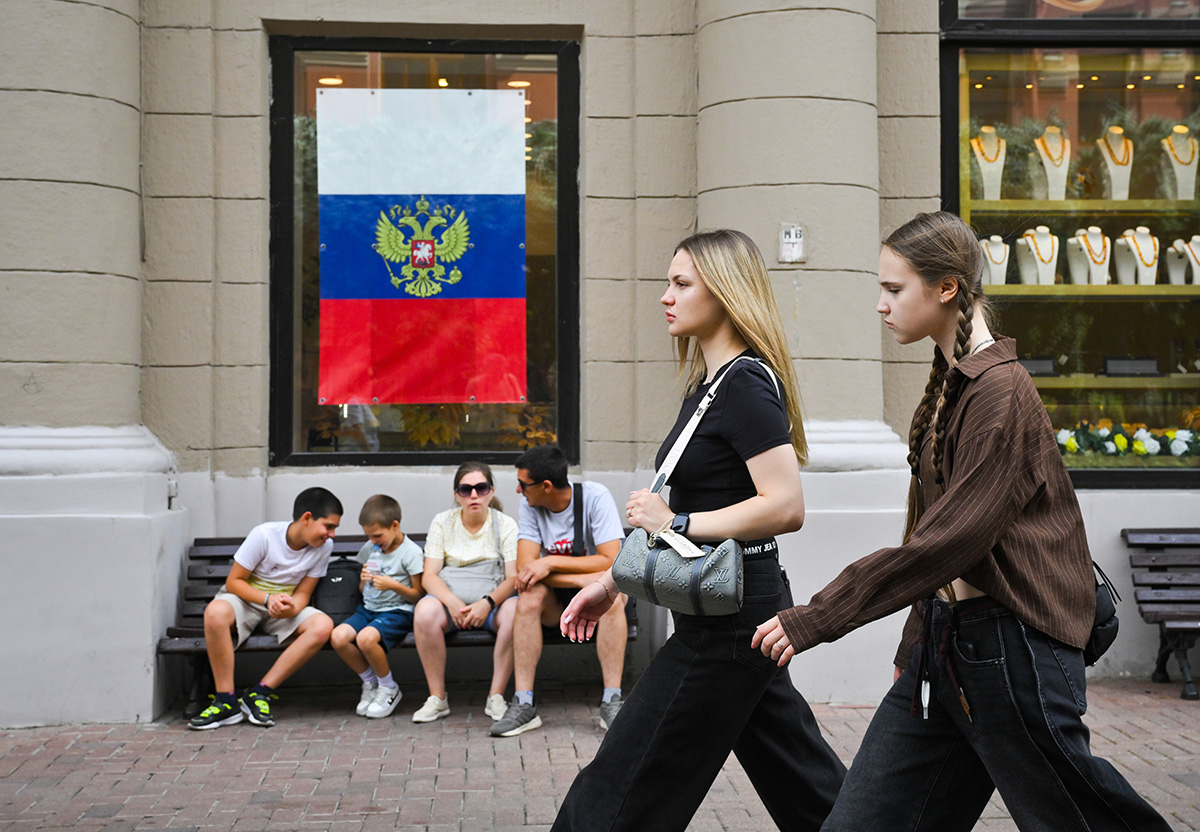
2. Almost all of them first notice that Russians rarely smile. But, they immediately add: you just need to get to know these Russians a little better and they’ll open right up! “Reserved with strangers, a smile is not for everyone, but friendship is deep and arises quickly,” says ‘DeepSeek’ (China). “The absence of a smile is considered a sign of sincerity, not politeness,” echoes ‘Qwen’ (China). And ‘Gemini’ (U.S.) offers a universal tip: “Once you understand this contrast between the outward appearance and inner warmth, a traveler will be able to truly discover this country for themselves.”
3. On politics, the neural networks advise caution & not to bring it up right away. “Don’t talk about politics right away,”states ‘DeepSeek’ categorically. ‘ChatGPT’ reminds users that “people’s attitudes towards the past and the government can vary greatly” and ‘Perplexity’ (U.S.) advises “avoiding hasty generalisations about politics and history”.
‘Alisa’ notes that Russia is a very diverse country: “What is customary in Moscow may be completely different from the customs in the Far East or the republics of the Caucasus.”
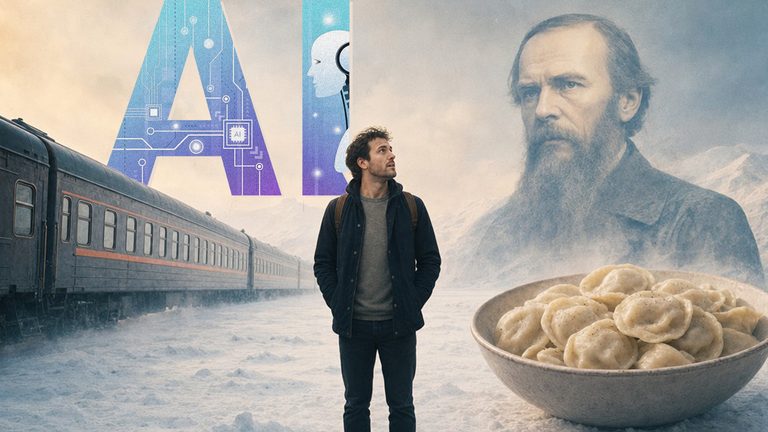
4. In the collective imagination of AI, Russia generally appears somewhat frozen in time. There’s Tolstoy and Dostoevsky, ballet, harsh winters, trains, ‘banya’ and ‘pelmeni’, while modern everyday life is almost eerily absent.
‘Claude’ described literature, ballet, music and theatrical traditions “a source of pride and part of everyday self‑awareness.” “Here, art is taken very seriously, as a way of comprehending the truth,” explains ‘Qwen’.
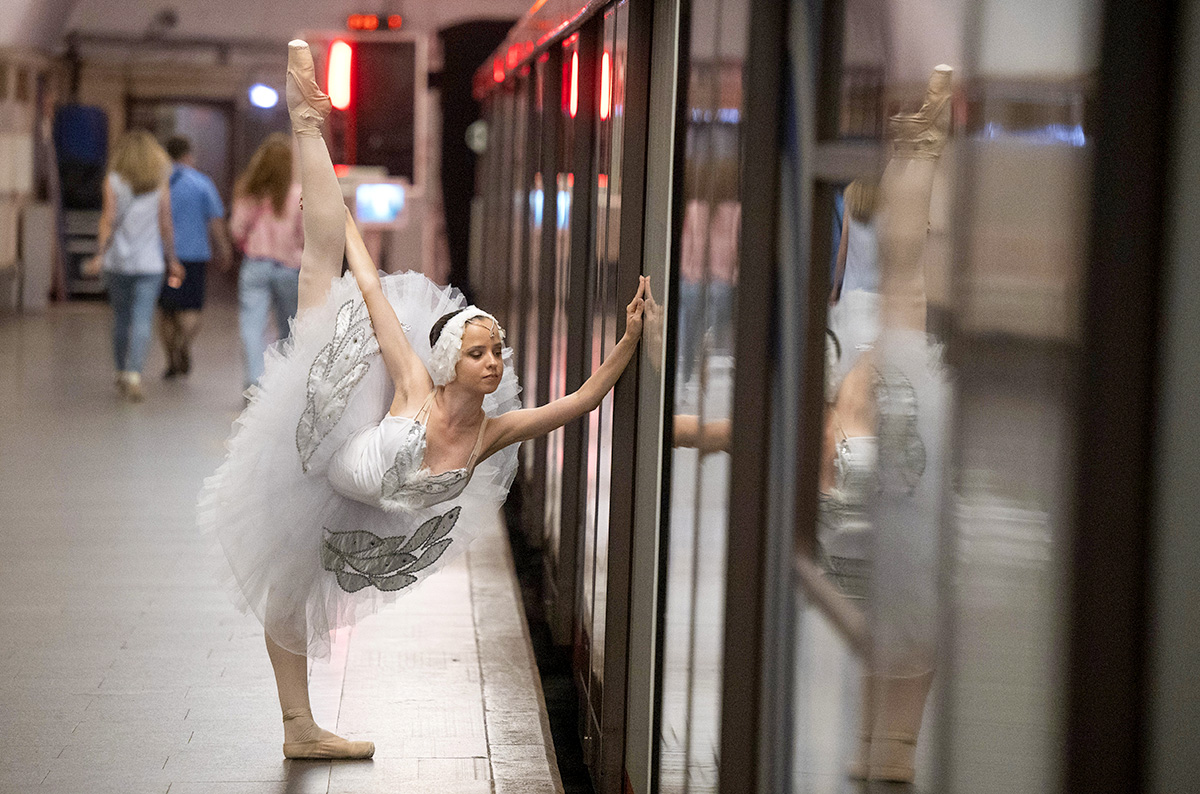
There are a couple of exceptions. ‘Perplexity’ says: “Moscow and St Petersburg are modern, fast-paced and expensive; in smaller towns, the pace is usually more relaxed and personal connections matter more.” It also warns that “not all foreign bank cards work”. Well, that’s actually too optimistic: foreign ‘Visa’ and ‘Mastercard’ do not work in Russia at all! And ‘Kimi’ from China, for some reason, decided to separately inform the foreigner that there’s Wi‑Fi in the Moscow Metro subway system.
5. The fun really begins when the AIs try to explain the mysterious “Russian soul”: “If a Russian person calls you a friend – it’s forever,” assures us ‘Qwen’. “Stereotypes about bears and vodka are exaggerated,” ‘Kimi’ reassures.
But, ‘DeepSeek’ goes the furthest: “Laws are flexible, informal concepts of justice are more important.” And then it even provided a ready-made guide to immersing yourself in Russia: “The key to the culture is the literature of Tolstoy and Dostoevsky and accepting suffering as part of life. In everyday life, cash and patience will come in handy; try a ‘banya’ and some ‘pelmeni’.”
So, let’s make a note of all this: Dostoevsky, suffering, cash, patience, ‘banya’, ‘pelmeni’!