
Ethnic groups of Russia: Nogais
More than 190 ethnic groups live in the Russian Federation. Today, we're highlighting the Nogais!
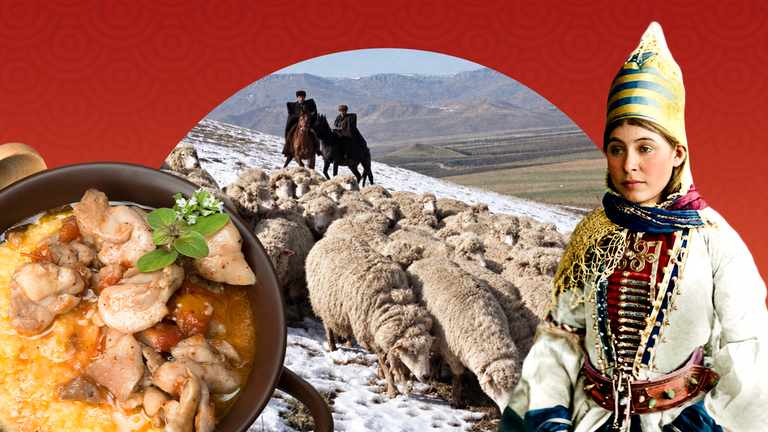
Medieval Turkic and Mongol nomadic tribes played a role in the ethnogenesis of this Turkic-speaking people. The basis for their consolidation was the Nogai Horde, a state that existed in the steppes between the Volga and Ural rivers from the late 15th to the early 17th century. Today, more than 109,000 Nogais live in Russia, primarily in the North Caucasus.
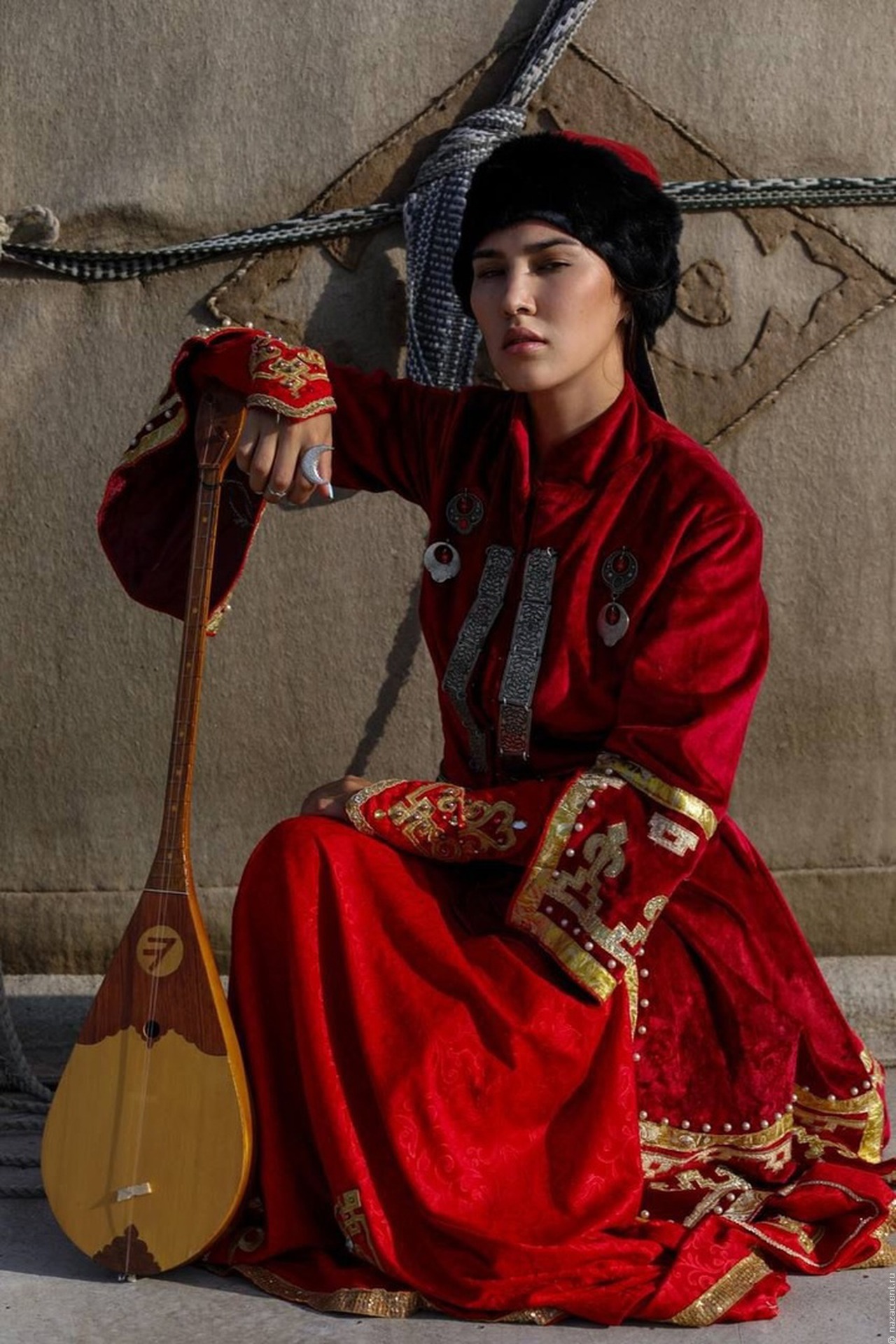
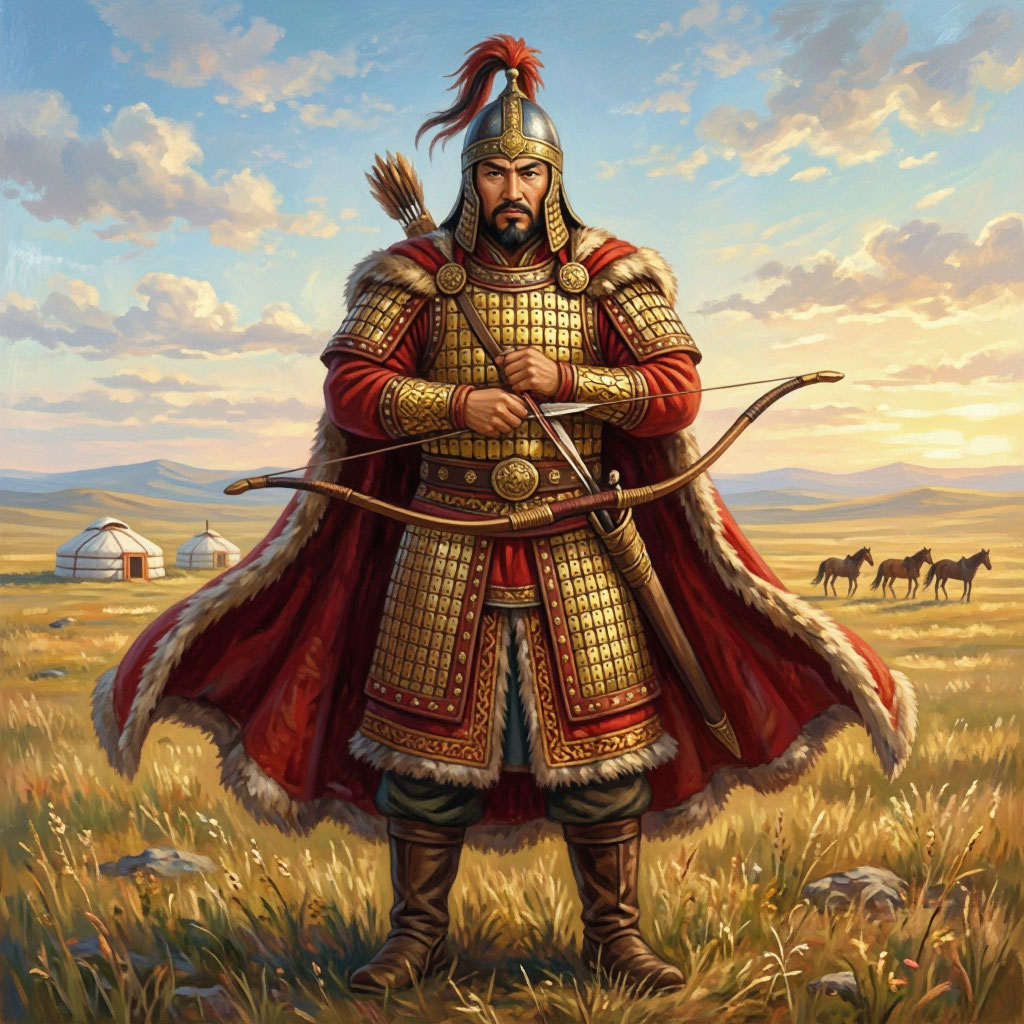
The ethnonym ‘Nogai’ may be of Mongolian origin and mean ‘dog’ or ‘wolf’. It’s also associated with the name of Nogai, a prominent 13th-century Mongol nobleman and military leader. According to another theory, the word derives from the Hungarian word ‘nagy’, which translates as ‘big’, as the ancestors of the Magyars lived alongside nomads for a long time.
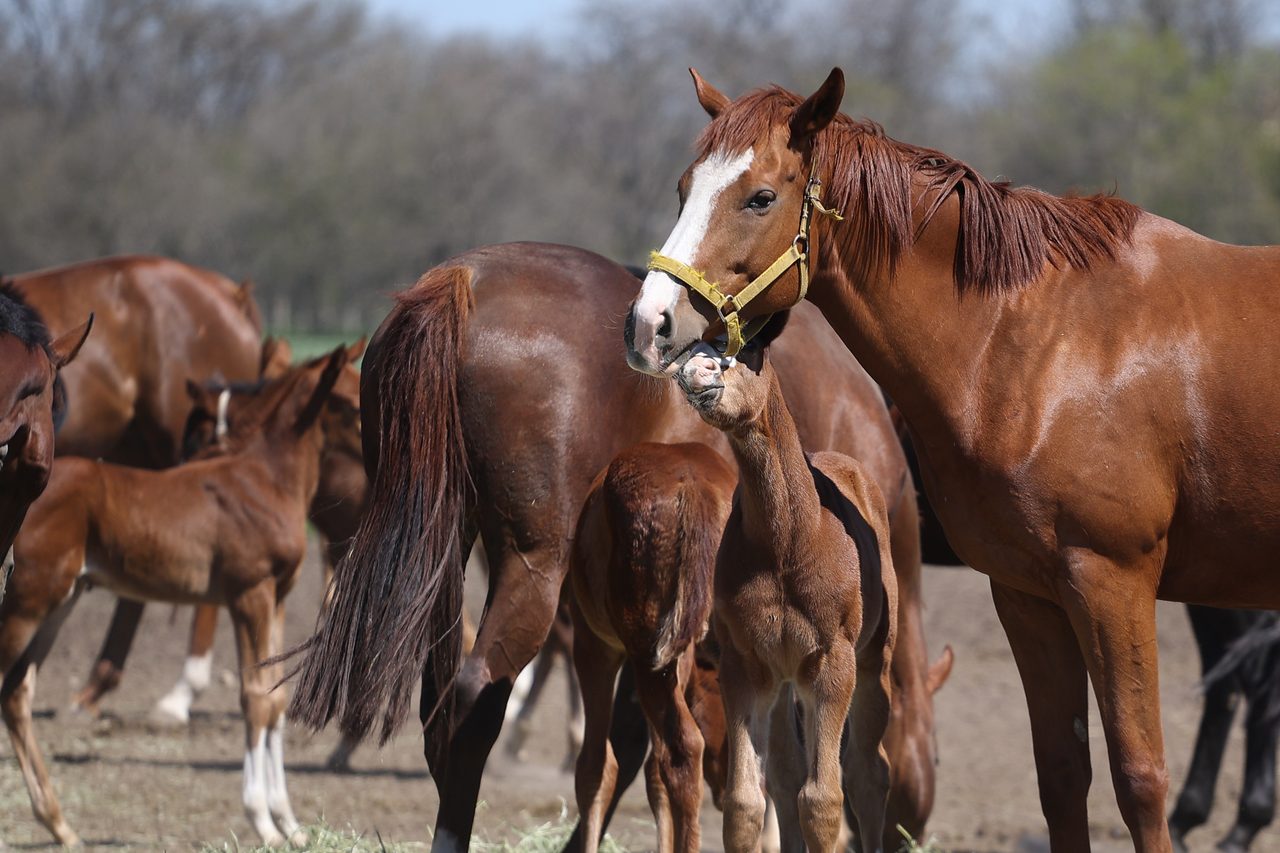
For centuries, horse breeding was the mainstay of Nogai life and formed the foundation of their nomadic culture. An old proverb says: “A Nogai without a horse is like a bird without wings.” Today, they enjoy horse racing in the steppe or practicing ‘audaryspak’, a horse wrestling sport where the goal is to pull an opponent off their horse’s back onto the ground.
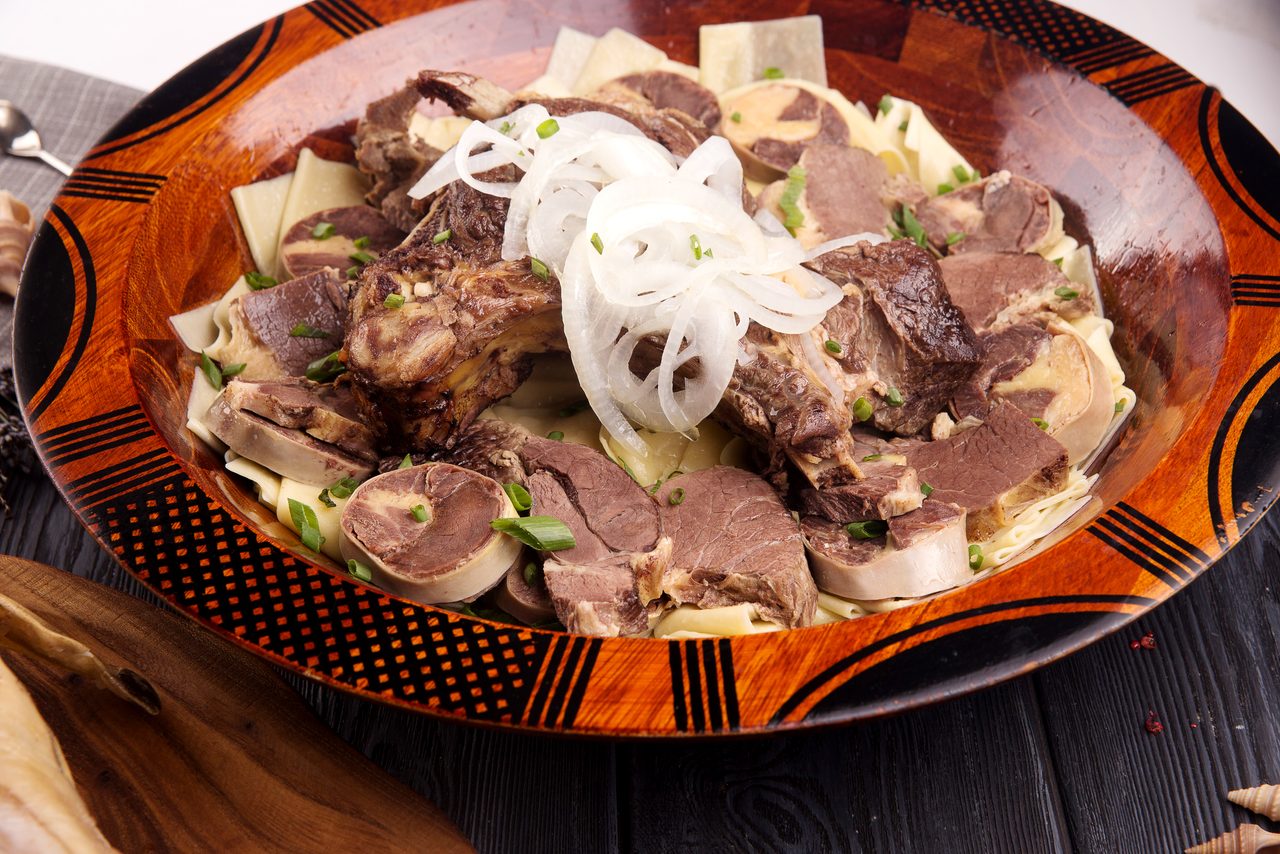
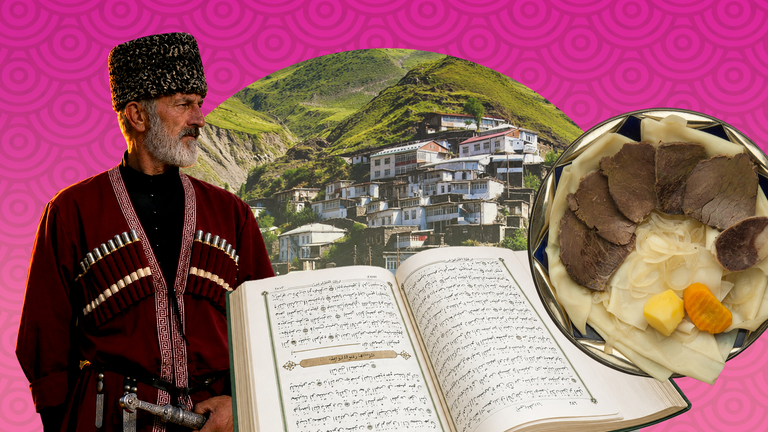
Popular dishes of Nogai cuisine include ‘inkal’ – thin slices of dough cooked in broth with meat; ‘tarama’ – horse meat boiled in a cauldron over an open fire; and ‘kurleme’ – lamb roasted over charcoal. ‘Mamirsa’ – a corn porridge with lamb and beans – is also popular.