What is a Cossack 5 o'clock?
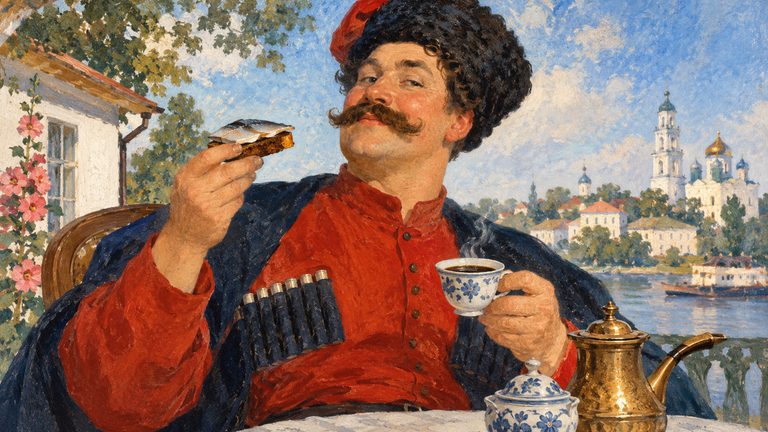
Coffee and herring. Wait, what?
This tradition arose in the 17th and 18th centuries. It combined the love of coffee, which the cossacks brought back from their Turkish campaigns, with the local ingredients of Don cuisine. Preparing this specialty was always a woman's task, with each housewife having her own recipe.
At exactly noon, ‘kokhviy’ (‘coffee’) with ‘oseledets’ (‘herring’) was served in сossack ‘kuren’ (‘houses’). The beans were ground in mortars – the sound of this could be used to tell the time. And also to judge wealth. Coffee was expensive, so, if there wasn't enough money to buy it, peas were ground in a mortar instead: the sound was roughly the same and the neighbors never suspected anything.
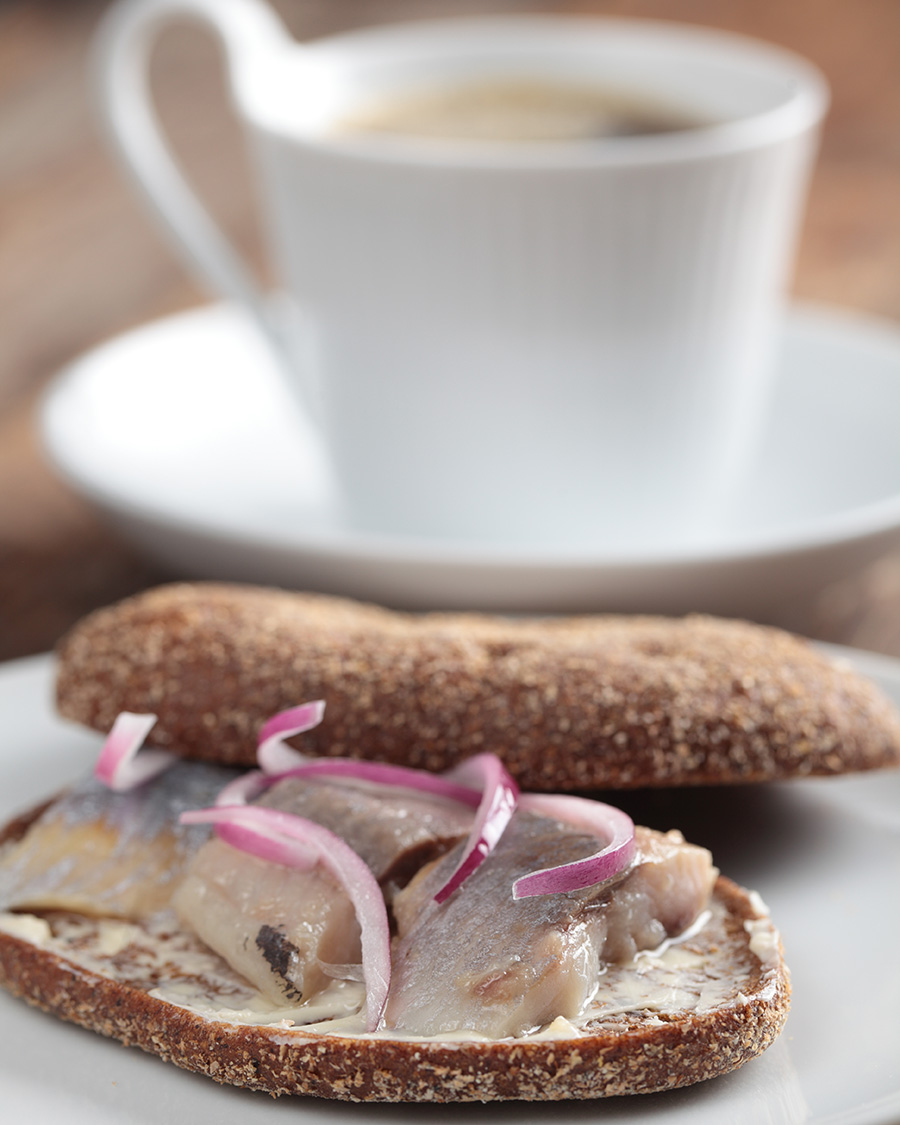
Strong black coffee, usually with sugar, was traditionally served with a sandwich made of black bread and local herring, known locally as ‘oseledets’. The combination of the sweet drink and the salty, fatty fish was unusual and, as eyewitnesses recalled, quite delicious. Coffee could also be served with other appetizers, such as ‘kaymak’ (a creamy dairy product), but the herring version was the most original.
You can still try ‘kokhviy’ with ‘oseledets’ in the Don River today – for example, in museums and restaurants in Rostov-on-Don and the ‘stanitsa’ (cossack village) of Starocherkasskaya.