

What eating out was like in the Russian Empire
Where did the nobles dine for lunch and dinner and where did people of modest means eat? Who ran pre-revolutionary drinking establishments and what dishes were on their menus?
Taverns
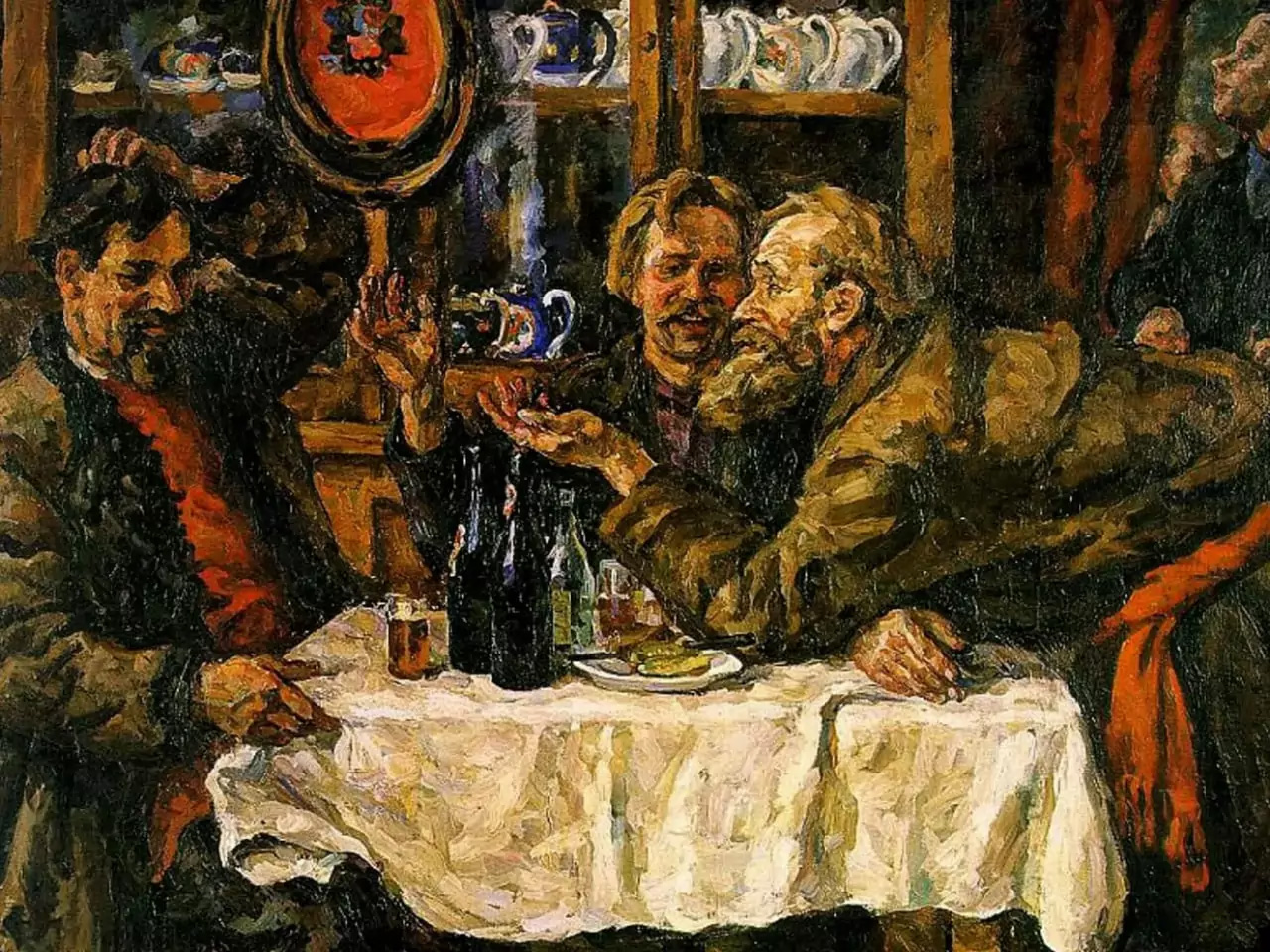
The first taverns were full-fledged restaurants. One such establishment, built in 1720 in St. Petersburg on Troitskaya (Trinity) Square, became famous, because Tsar Peter I was a regular patron. However, under his successors, taverns became more accessible establishments offering simple cuisine and cheaper wine.
Many taverns stayed open until 7 a.m., which attracted a crowd that could hardly be called respectable. These public catering establishments were not known for cleanliness, were always noisy and patrons who had had too much to drink often started brawls.
Restaurants
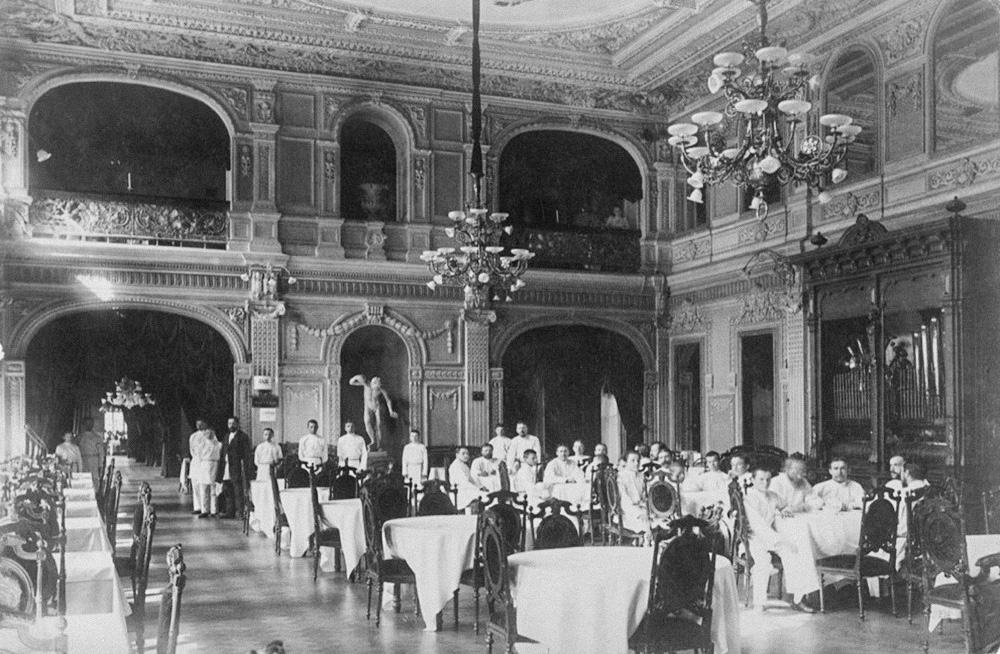
Restaurants began opening in the early 19th century. They were considered upper-class establishments. In their first years, restaurants operated exclusively as part of hotels, but, later, they became independent. Dandies and socialites would frequent these expensive restaurants.
In the pursuit of customers, restaurateurs tried to outdo their competitors with interior decoration: they built winter gardens and decorated their dining halls with exotic plants, fountains, balconies and mirrored walls. The menus also amazed with their variety and sophistication: one could sample the most expensive liqueurs and the rarest foreign wines; fruit was shipped directly from tropical countries; confectionery and pastries were brought from Belgium and Switzerland; foie gras (goose liver) and truffles came from France.
Coffeehouses & teahouses
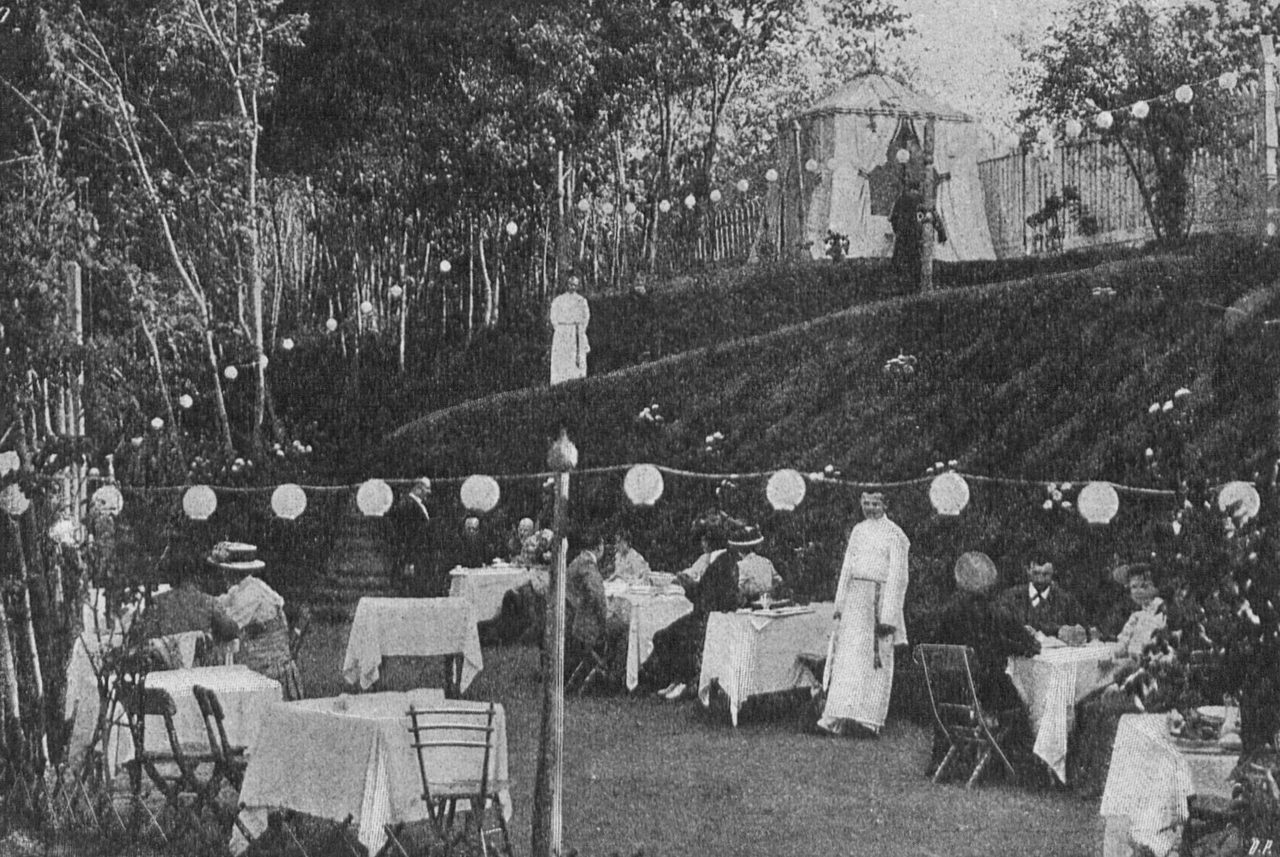
The first coffeehouses appeared back in the mid-18th century in St. Petersburg. Their menus, besides coffee, invariably included jams, ice cream, chocolate, fruit, lemonade and pastries. At the same time, coffeehouses were prohibited from serving hot dishes or alcoholic beverages and billiard tables could not be installed.
The fashion for all things foreign introduced Russian consumers to nougat, marzipan, ice cream, chocolate, candies and biscuits. As a result, by the end of the 18th century, confectioneries and pastry shops had emerged that specialized exclusively in desserts.
Creative intellectuals would gather there – over a cup of coffee and a pastry they would discuss literary trends, drafts of future works and plans for publishing journals.
Teahouses appeared in Russia relatively late – the first establishment of this kind opened only in 1882. But then, they became a widespread phenomenon – opening along highways, near postal stations and railway stations and next to markets and theaters. With tea they would offer freshly baked bread and churned butter, cream and sugar. ‘Samovar’ kettles polished to a shine were decorated with hot ‘bubliki’ and ‘baranki’ (two types of small, dry bread rings), while woven baskets always contained ‘rusks’ and ‘sushki’ (two types of small, dry bread strips).
Eateriess & canteens
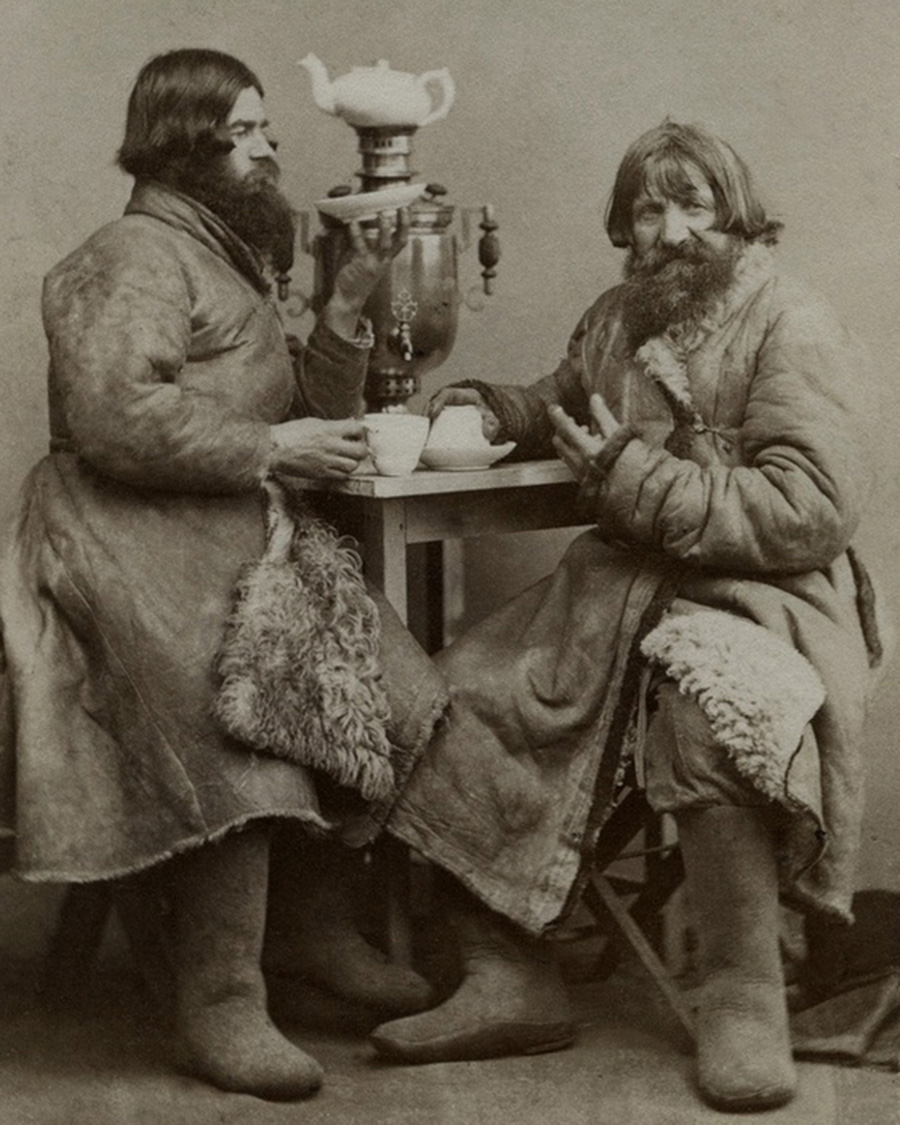
In the early 18th century, the first eateries, or ‘kukhmusterskayas’, appeared in St. Petersburg. These establishments were intended for people of modest means: artisans, minor officials and not-so-wealthy merchants.
Almost all eateries sold meals “for home delivery”. Ready meals were delivered to students, lodgers and bachelors: they didn’t have enough money to maintain their own kitchen and cook, but preferred to dine at home.
At the end of the 19th century, canteens replaced eateries, offering customers breakfast, lunch and dinner in individual portions.
Canteens were open every day from 12:00 noon to 4:00 p.m. Those visitors who had a monthly pass to a canteen were given a personal locker there, where they could keep a napkin, a newspaper or book to read while eating and, sometimes, even their own cutlery.
You can find the full version of this article (in Russian) on the Culture.ru website.