

Next-generation super-powerful synchrotron in Siberia: Why it matters

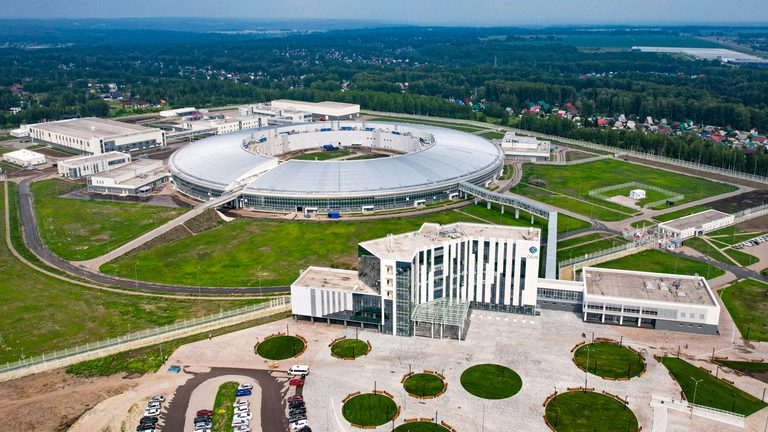
A grand scientific center has opened in Novosibirsk.
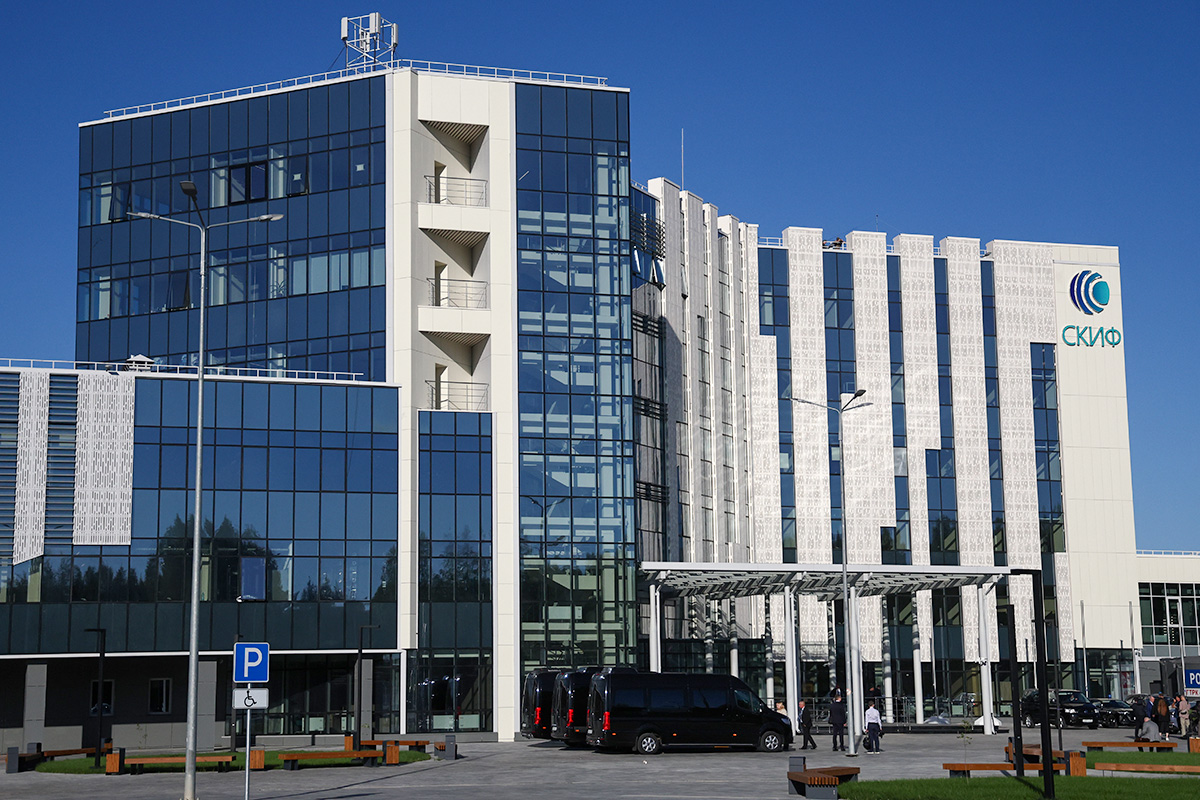
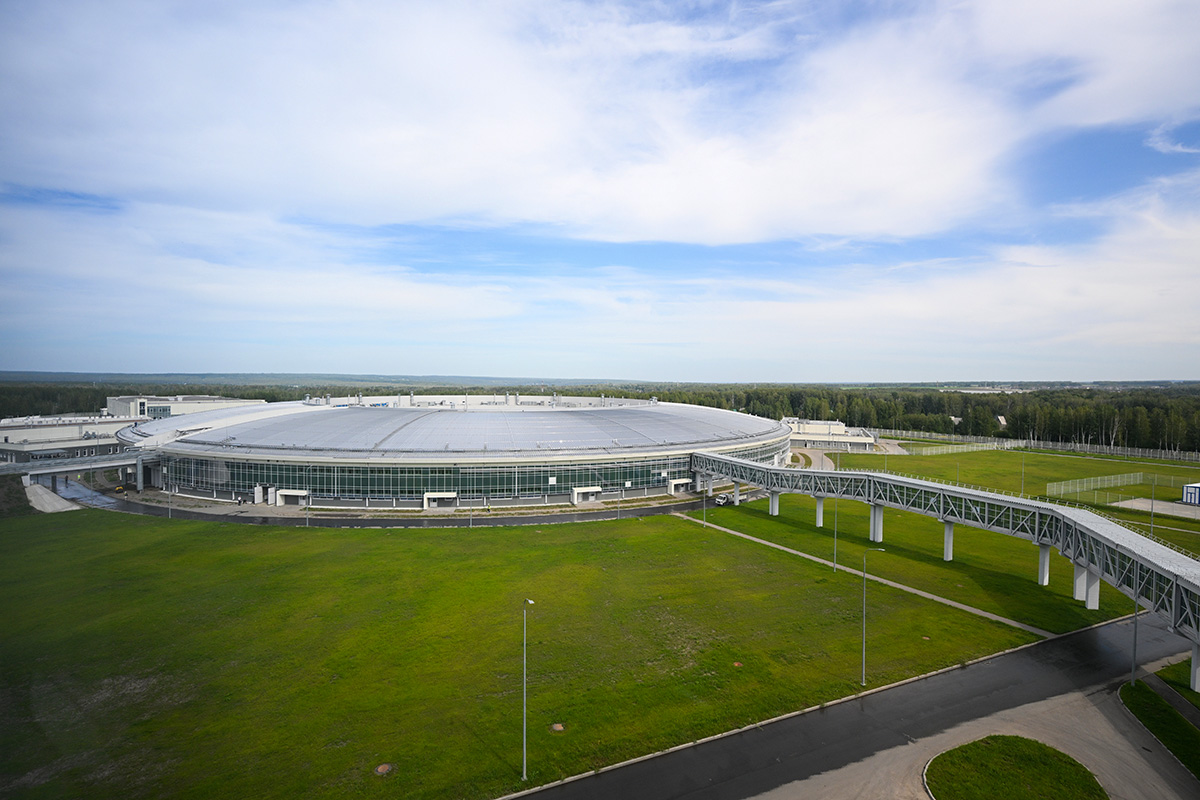
A new technological marvel has appeared near Novosibirsk - the Siberian Ring Photon Source (SKIF). It is referred to as a shared-research facility, where hundreds of scientists can work simultaneously and make discoveries. The vast complex contains 34 buildings covering 90,000 square meters.
The first experiments will begin as early as August 2026, and a full-power launch is planned for September.
How does SKIF work?
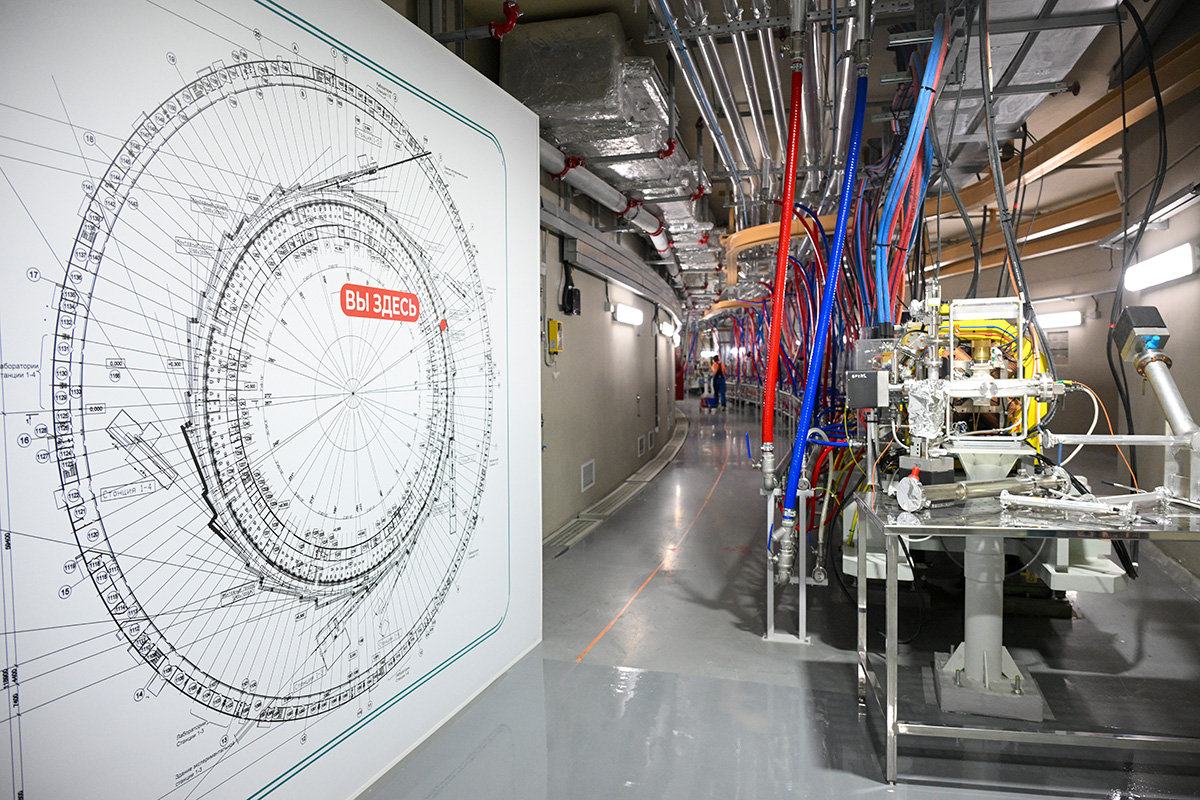
Simply put, SKIF is a synchrotron. And what is a synchrotron? It is a device for studying the structure and properties of matter. The one in Novosibirsk is a 476-meter ring-shaped accelerator that generates unique ‘synchrotron’ radiation across a broad spectrum.
(A bit more science FYI: charged particles move in a circle in an electromagnetic field at near-light speed, generating that very radiation.)
This synchrotron radiation is millions of times brighter than, say, conventional X-rays. This allows it to penetrate deep into any material and to places scientists have never been able to look before.
What makes the new Siberian synchrotron different?
Previously, Russia had two synchrotrons: the Kurchatov Institute synchrotron in Moscow and the accelerator complex at the Russian Academy of Sciences' Institute of Nuclear Physics in Novosibirsk.
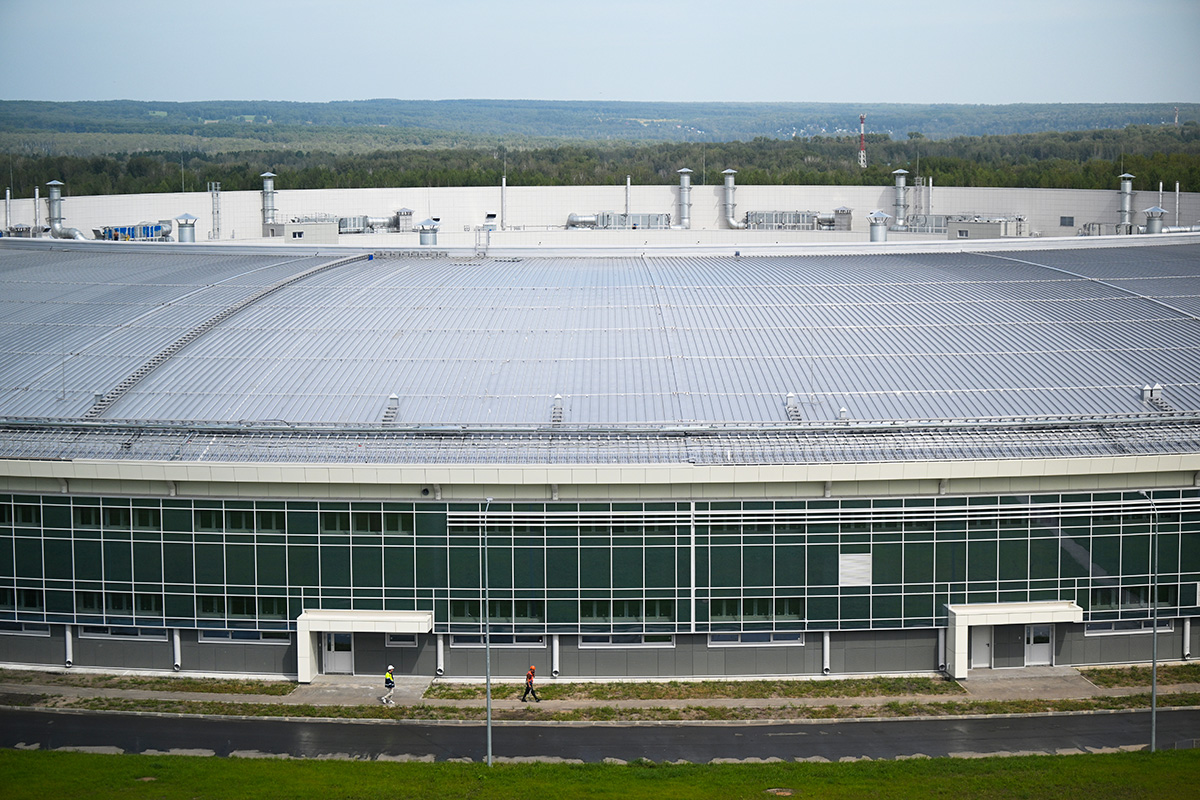
The new scientific center houses Russia's first 4+ generation synchrotron - one of the most powerful in the world. In older machines, the particle beam was somewhat scattered, but in the new one, it is tightly focused and compressed. In simple terms, it's like switching from a flashlight to a laser pointer, so the precision of the beam and the clarity of results are far superior.
What's the practical benefit?
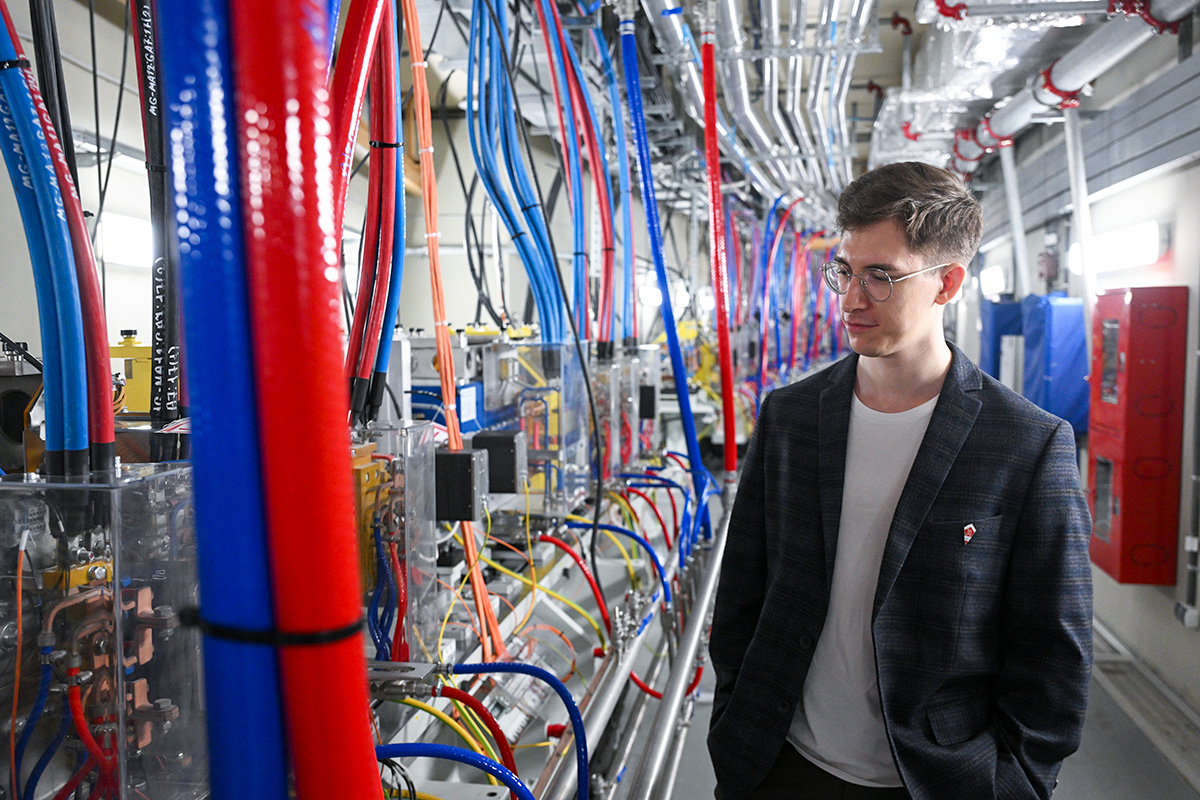
What will scientists point this ultra-precise super-light at and in which fields will it be useful?
- Archaeology, geology and life sciences
Scientists will be able to peer inside archaeological finds and paleontological fossils, gaining new insights into the origins of life on Earth and driving breakthroughs in life sciences and materials science. We could learn more about how our ancestors and even dinosaurs lived.
The synchrotron can also be used to study organic remains and analyze materials in artworks. For example, several years ago, scientists at the Kurchatov Institute used a synchrotron to reconstruct the appearance and illnesses of a person from an ancient Egyptian mummy.
- Industry, space and energy engineering
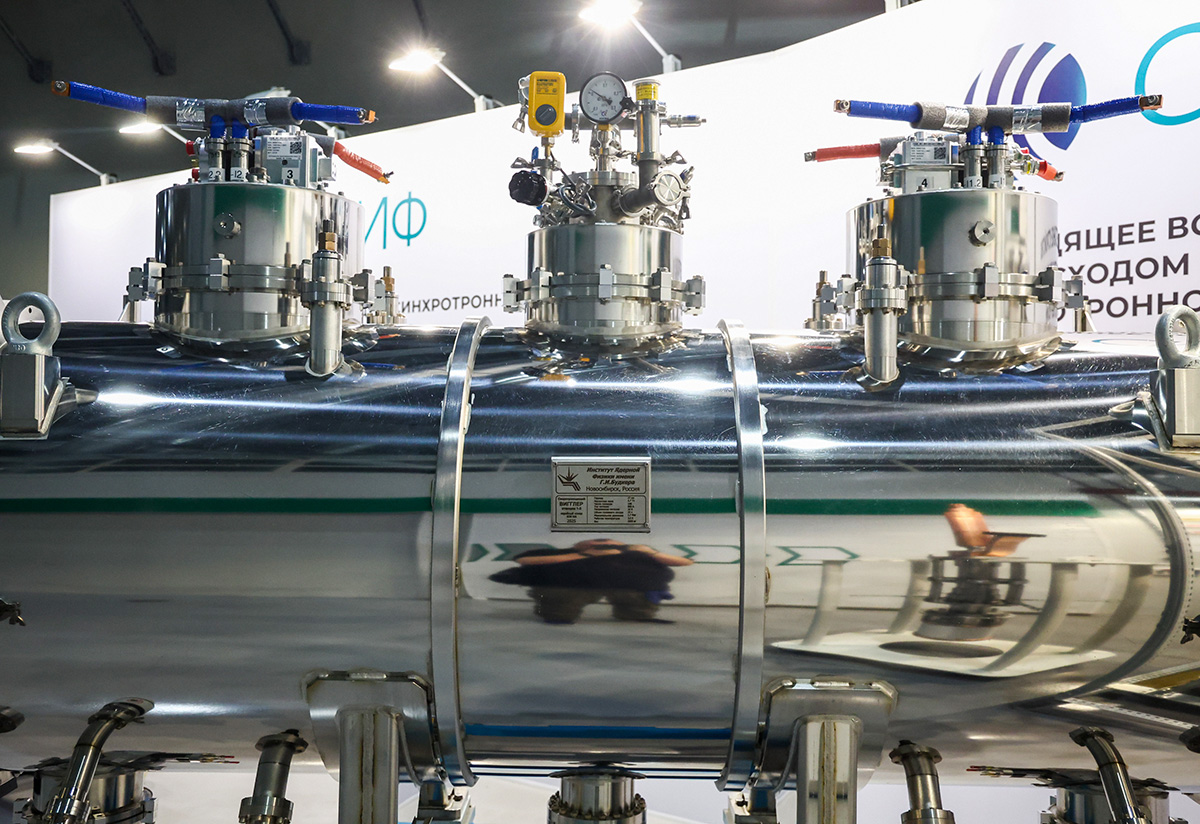
Researchers will be able to understand how materials behave in extreme conditions, e.g. under ultra-high pressures, temperatures and impact loads. This will accelerate the translation of scientific discoveries into industrial applications. According to the Russian Academy of Sciences, the synchrotron will enable the creation of tailored materials for aviation, space, and energy, as well as new catalysts for oil and gas production and cutting-edge technologies in microelectronics.
- Medicine
Most importantly, the synchrotron will advance medicine. Scientists will be able to study the properties and behavior of viruses in greater detail. This in-depth analysis will help develop targeted drugs and medicines that act on precise targets. It could also enable the design of new artificial organs and joints. Moreover, it may even help us unlock previously unknown properties of the brain.