
5 facts about the Novgorod Kremlin (PHOTOS)


Do you know why it was called ‘Detinets’?
1. One of the oldest in Russia
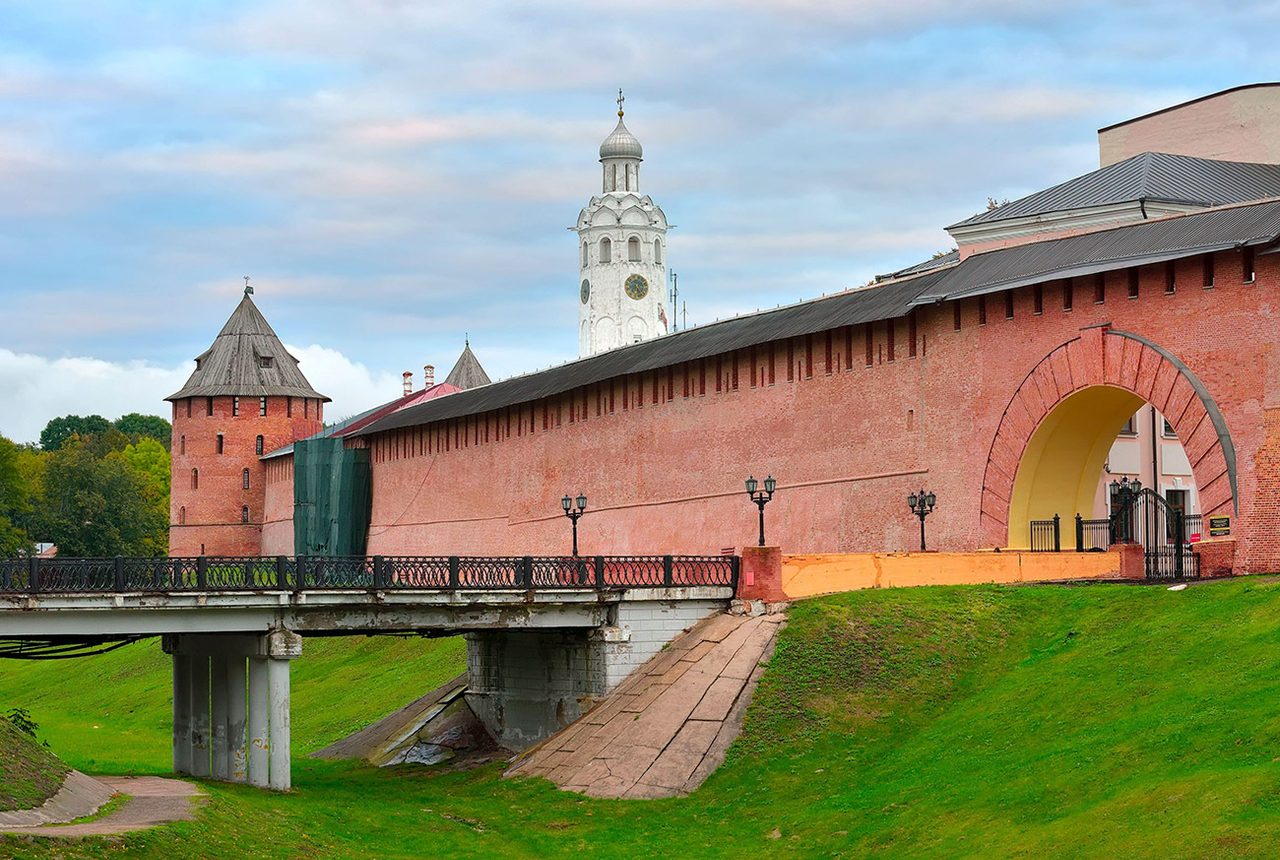
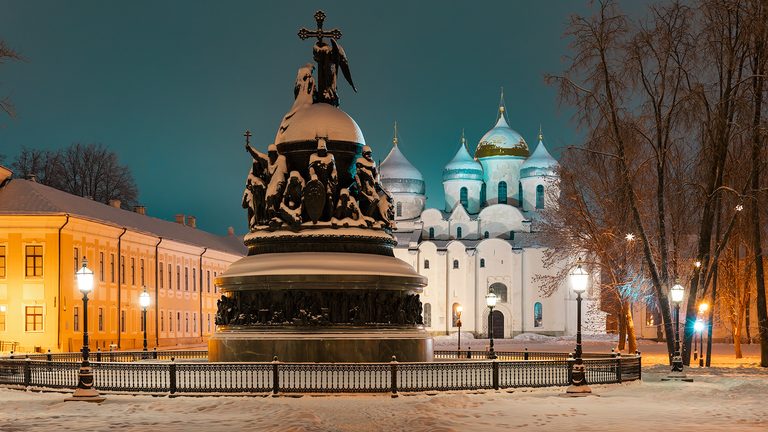
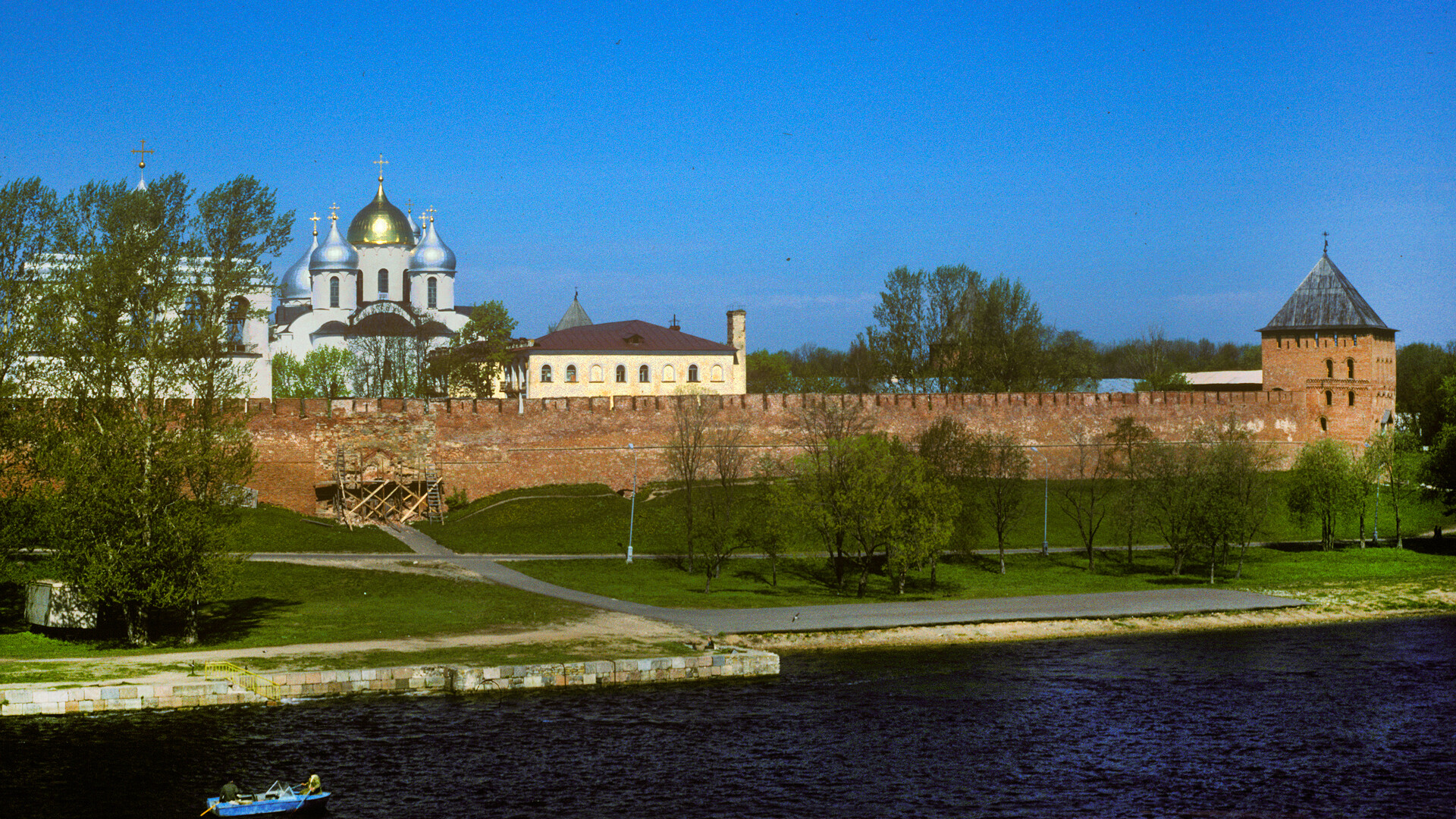
The kremlin in Veliky Novgorod is one of the oldest in Russia and is a UNESCO World Heritage Site.
2. The stone walls were built by order of Ivan III
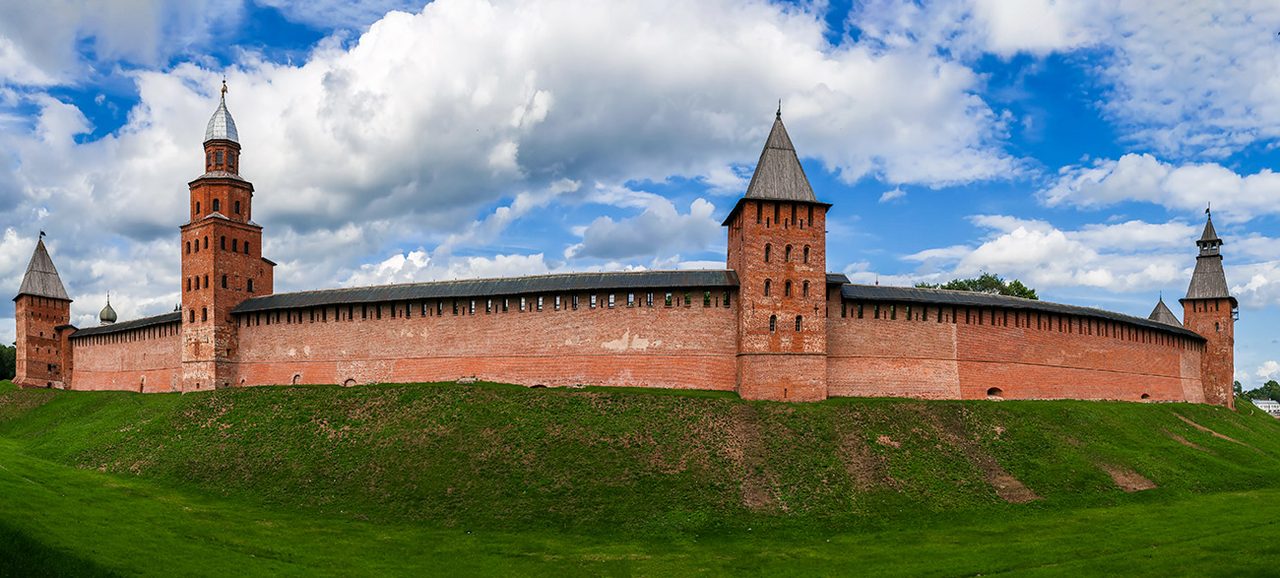
The first fortress was erected in the 11th century. The wooden kremlin was built during the reign of Vladimir, son of Yaroslav the Wise. However, neither the towers nor the walls of that structure have survived. Many facts about the ancient kremlin were drawn from chronicles. It was only in 2015 that archaeologists discovered massive oak logs near the northern wall – presumably the remains of that very first fortress of Novgorod. The stone walls of the kremlin we see today were built in the 15th century after Novgorod was annexed to Moscow, by order of Grand Prince Ivan III.
3. The Novgorod Kremlin was built by Italians
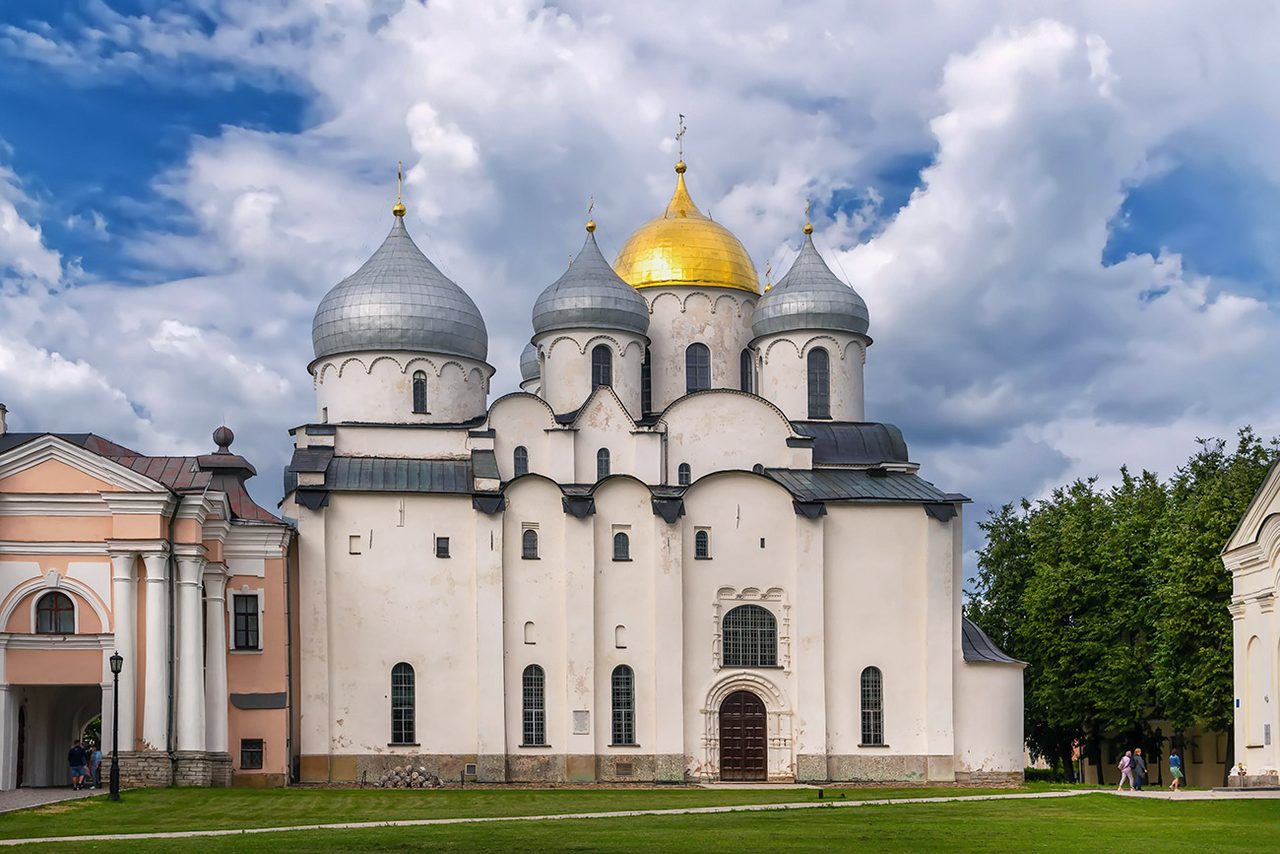
The construction of the Moscow and Novgorod kremlins took place simultaneously and was carried out by Italian architects. Historians believe that Aristotle Fioravanti, the architect of the Dormition Cathedral in the Moscow Kremlin, was also involved in the creation of the Novgorod Kremlin.
4. The fortress became a model for other kremlins
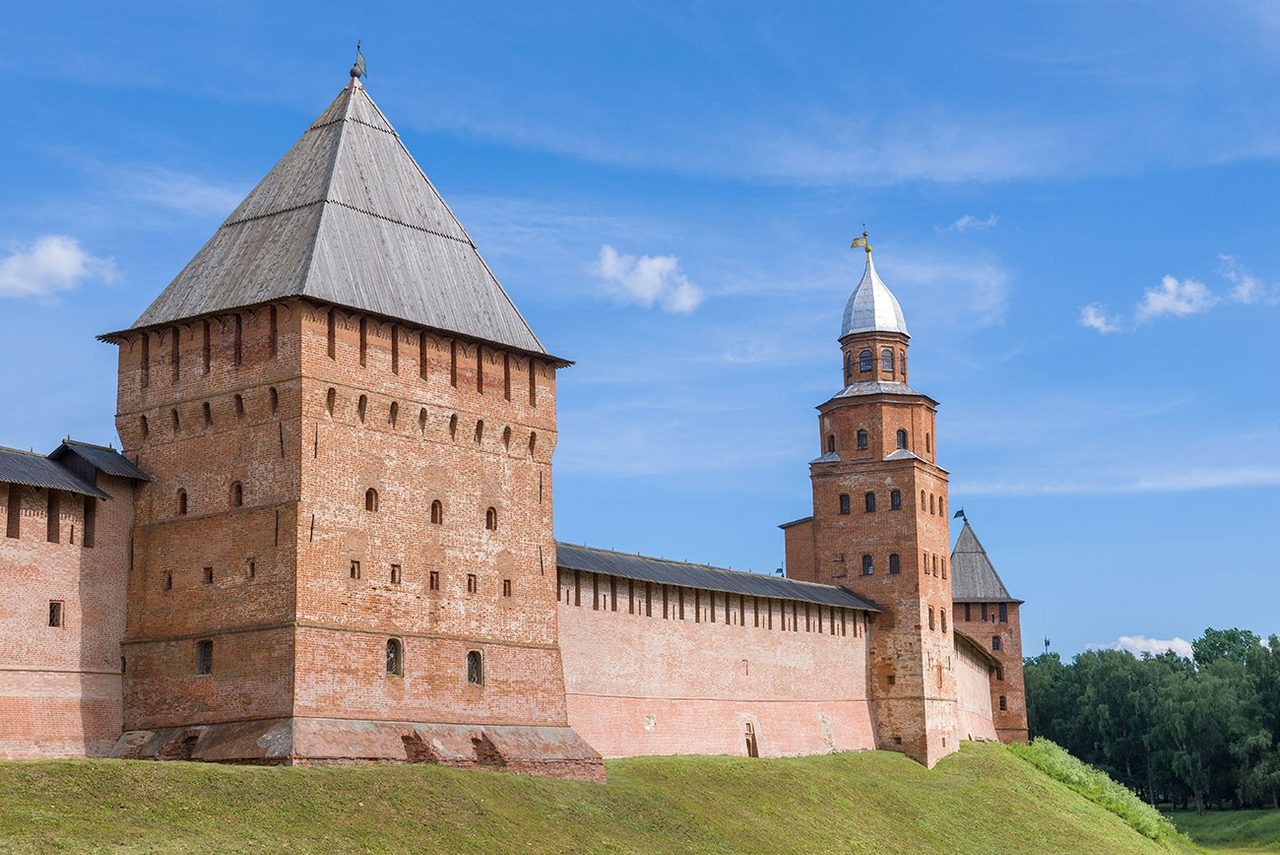
The Novgorod Kremlin became a model for other similar kremlins in Russia: For example, the Tula and Nizhny Novgorod kremlins, which were also built under Ivan III.
5. The Novgorod Kremlin is a ‘Detinets’
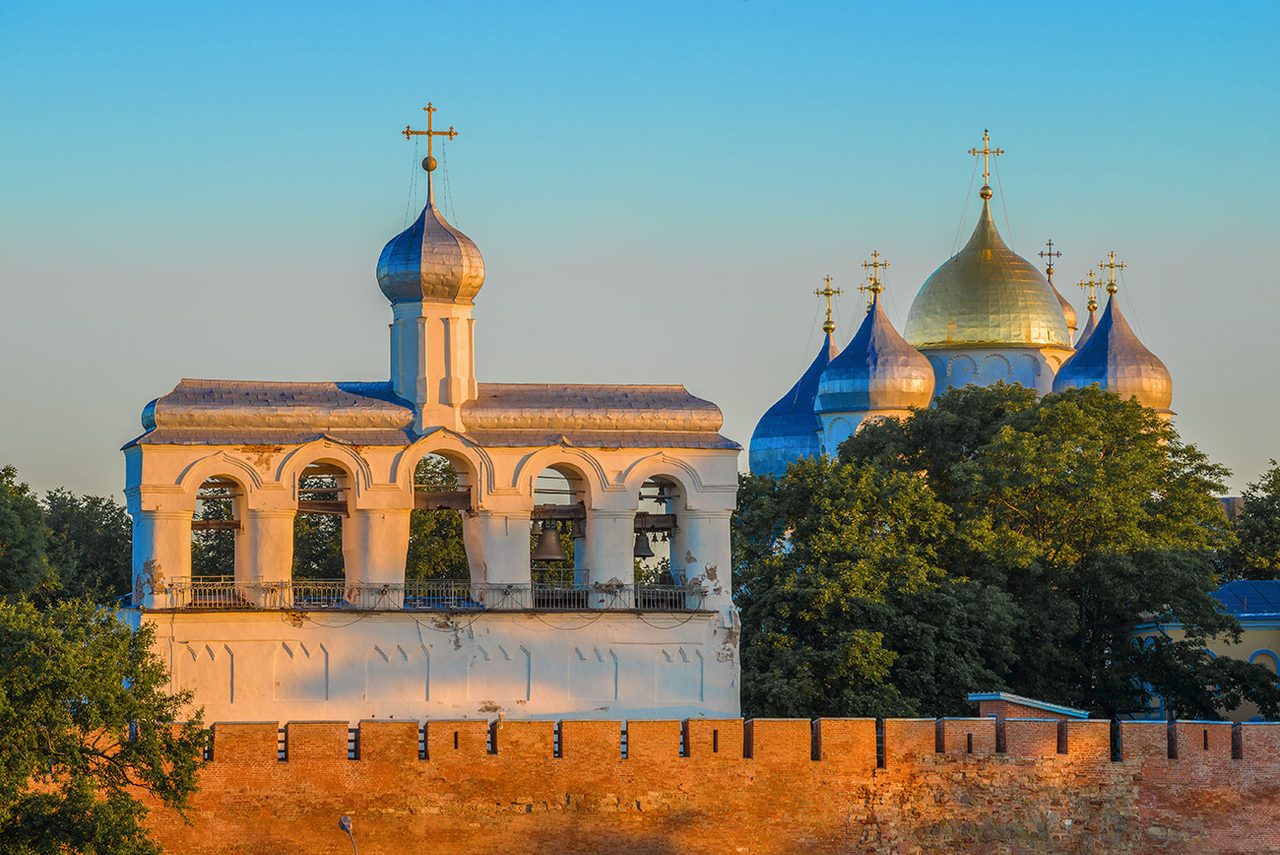
Interestingly, in Veliky Novgorod, the kremlin is called ‘Detinets’. This Novgorodian word shares common roots with the words ‘deti’ (children) or ‘det’ (to put in). There are several versions of the origin of this name. The two most famous ones are as follows: Back in ancient times, the prince's junior retinue, the "children" of the fortress and its defenders, were housed within the fortress. According to another version, it was the children of Novgorod boyars who actually lived within the kremlin walls.