

10 facts about famous jeweler Carl Fabergé

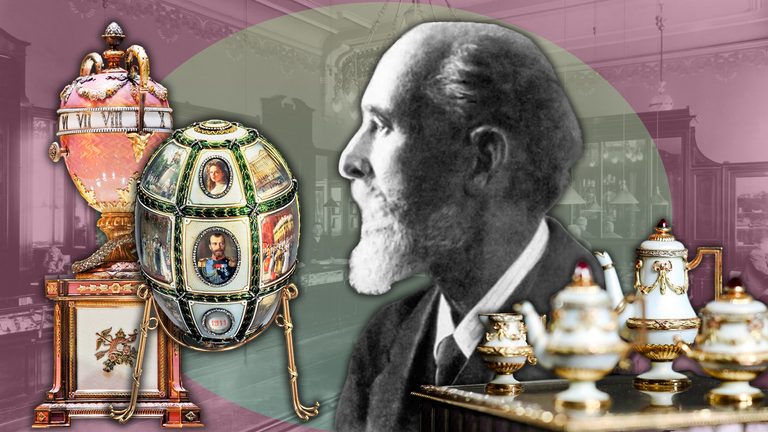
This genius of luxury jewelry captivated the Russian imperial court with his precious Easter eggs and made the family name famous throughout the world.
1. His ancestors fled Europe
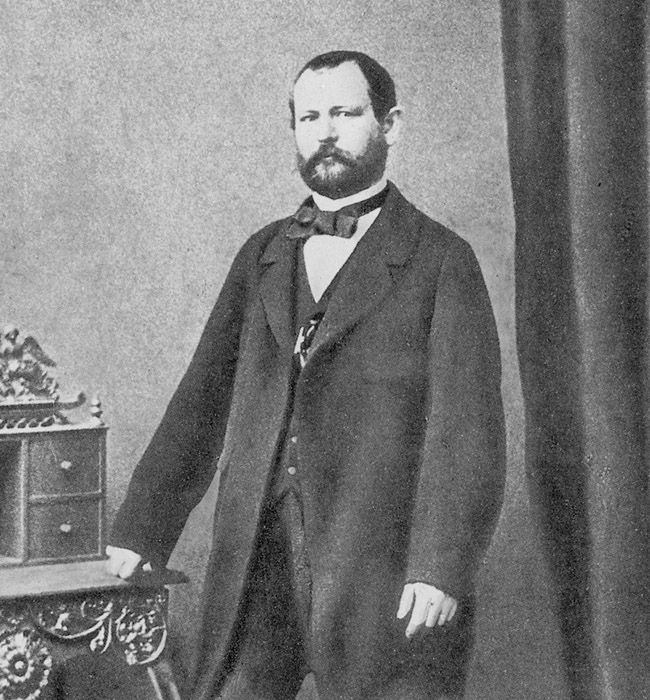 Gustav Fabergé (1814-1893)
Carl Fabergé was born on May 30, 1846, in St. Petersburg to the family of jeweler Gustav Fabergé. His ancestors were French, bearing the last name Favri, who were forced to leave their country in the 17th century, due to persecution of Protestants. They eventually settled in Germany and changed their surname. Carl's grandfather, Peter, moved to the Livonia Governorate of the Russian Empire in the 1790s and his son Gustav later settled in St. Petersburg, where he began learning the jeweler's trade.
And it was Gustav who founded the ‘House of Fabergé’ in 1842, which Carl later took over.
2. He worked as an unpaid restorer at the Hermitage
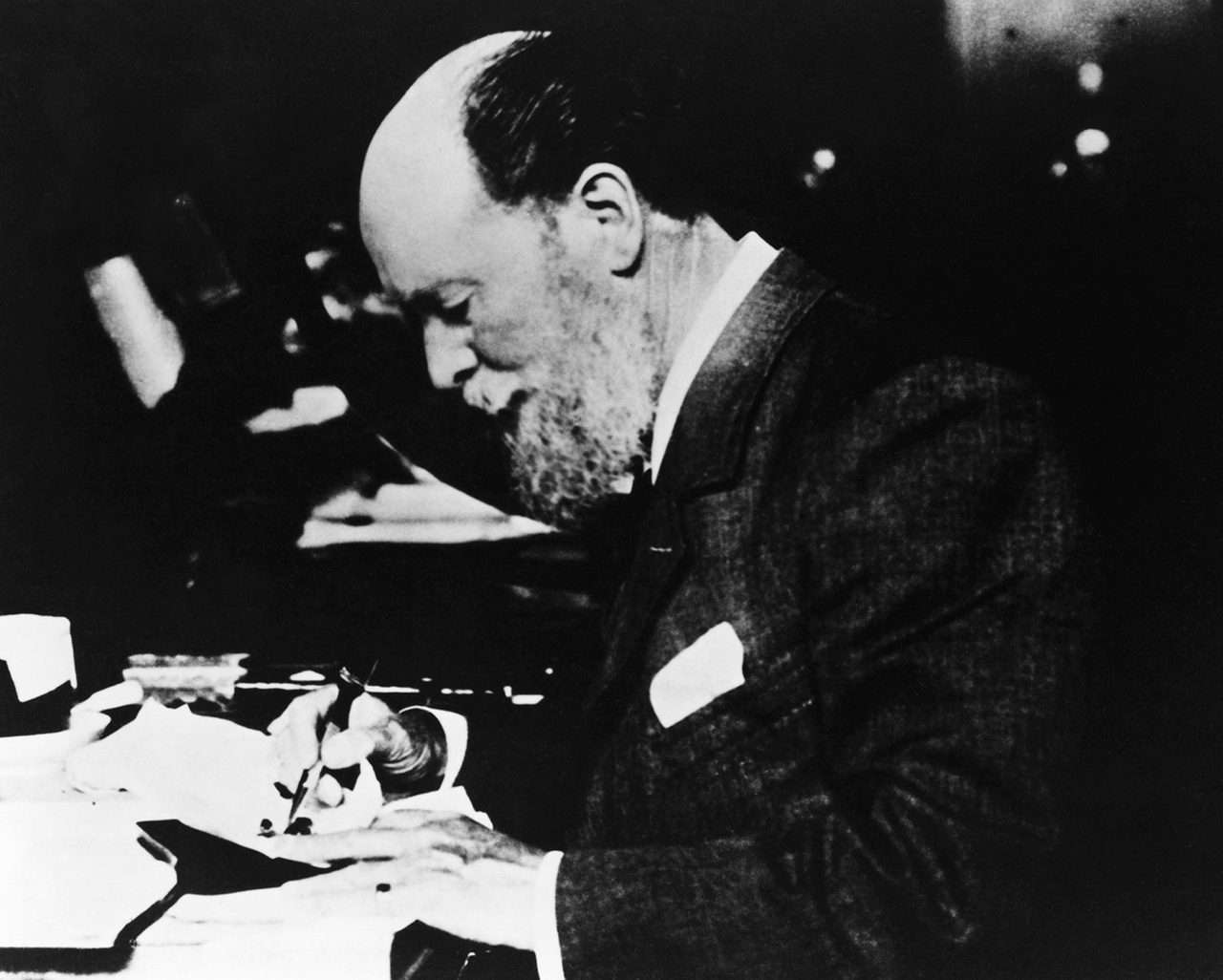 Peter Carl Faberge
As a young man, Carl received an excellent education: at the age of 18, he embarked on a "round-the-world trip" to the jewelry capitals of Europe. He studied under jewelers in Germany, France and Great Britain. He also studied the museum collections in Florence.
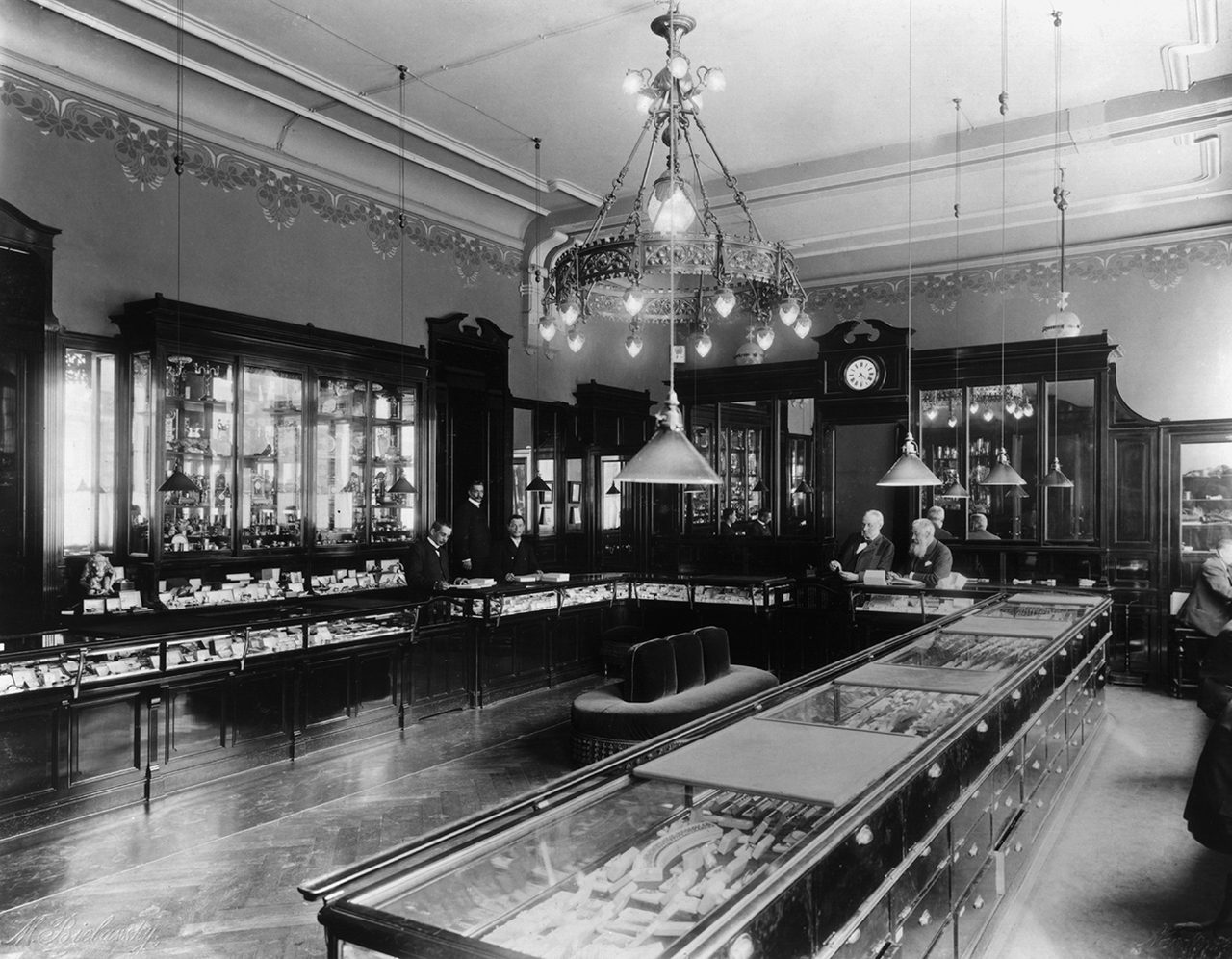 Shop in the House of Fabergé, St Petersburg, 1910
From 1867 to 1883 he worked at the Hermitage, repairing and restoring historical art objects – and he did it for free. The years spent immersed in art cultivated an impeccable taste that undoubtedly reflected in his jewelry work.
3. He made the first egg for the empress in 1885
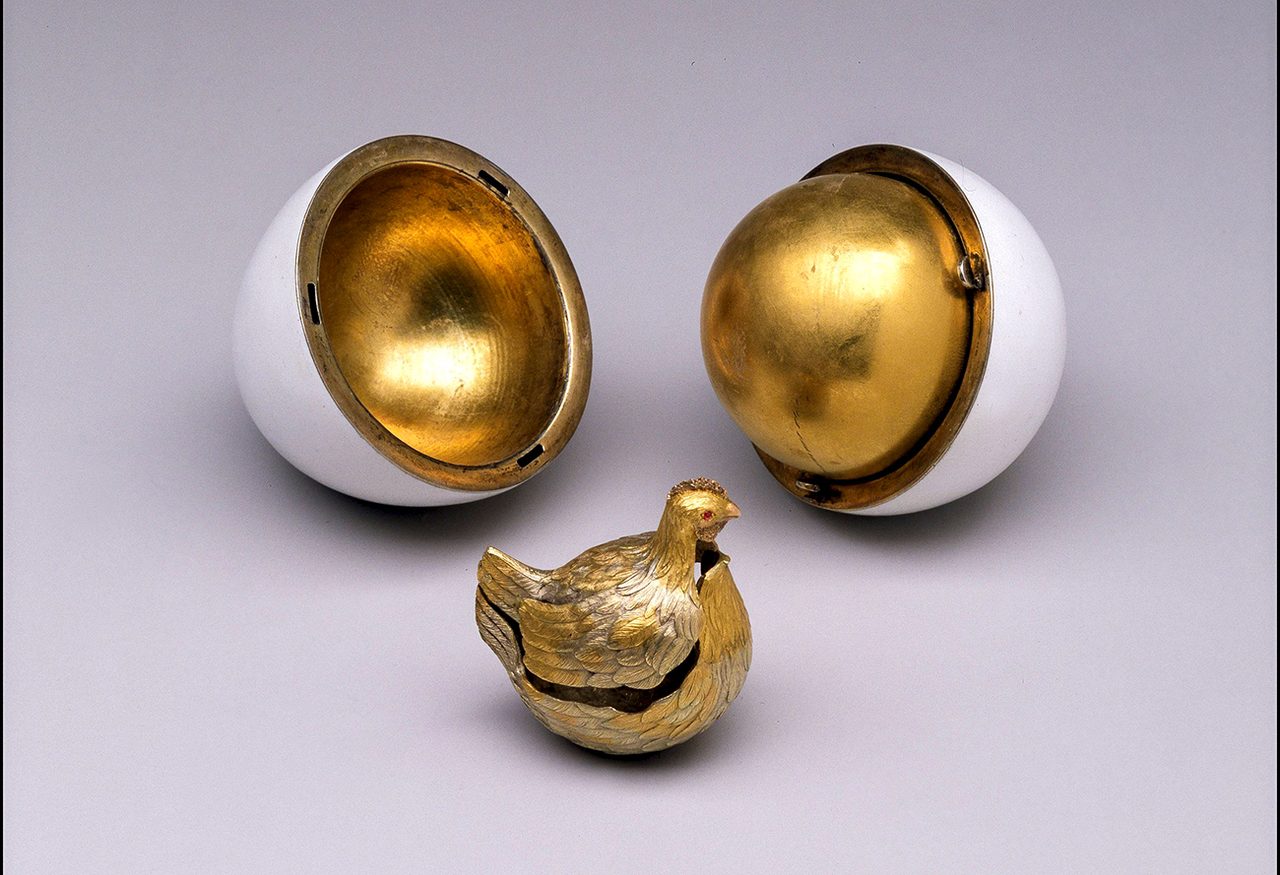 Imperial First Egg.
Carl Fabergé first came to the attention of the imperial family in 1882. The young jeweler had won a gold medal at the All-Russian Art and Industry Exhibition in Moscow, which was visited by Alexander III and his wife Maria Feodorovna.
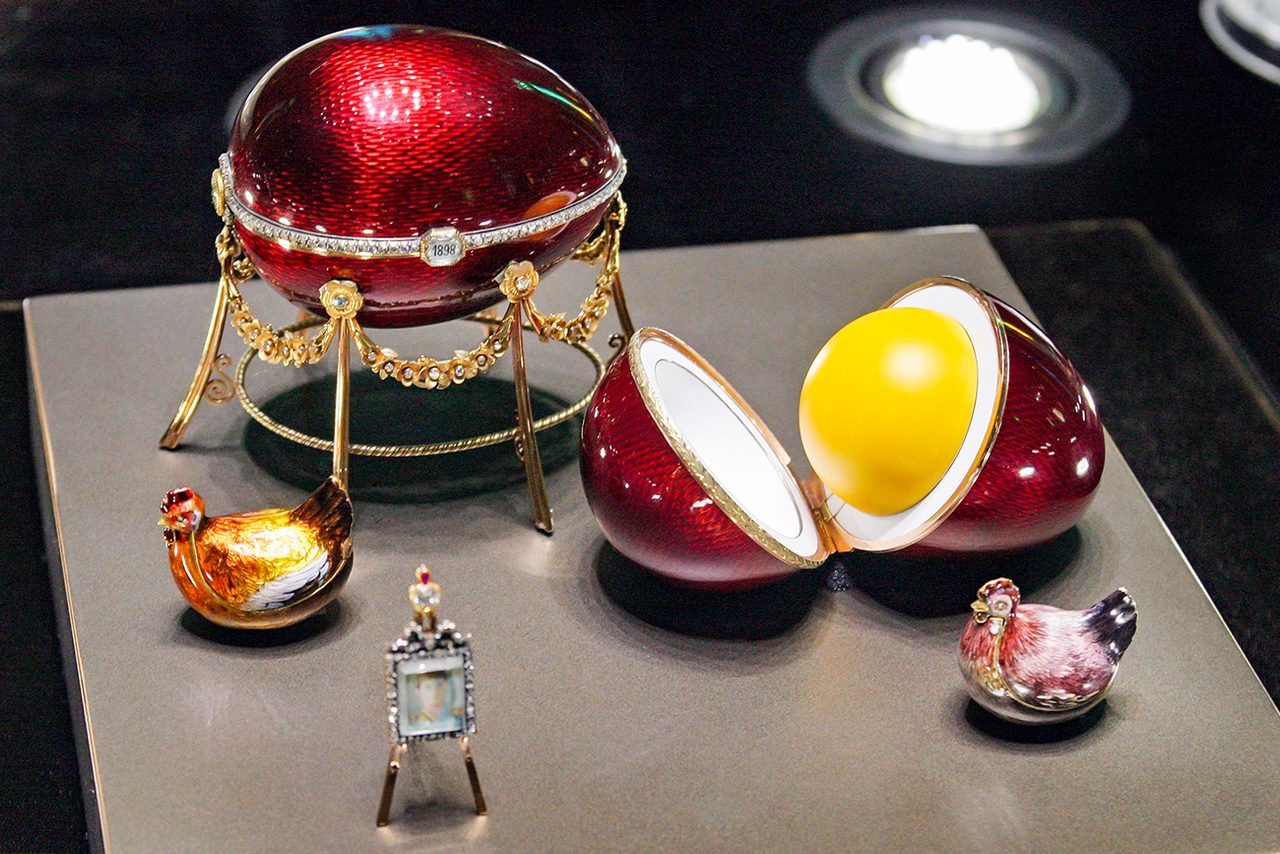 Faberge eggs, 1898.
In 1885, the emperor commissioned Fabergé to create an Easter egg with a surprise as a gift for his wife, one that would remind her of her childhood in Denmark. Carl crafted an egg from white enamel with a gold "yolk" and a golden hen with ruby eyes. The piece caused a sensation and, from then on, Fabergé made Easter eggs for the Romanovs every year.
4. There are 71 known Fabergé eggs
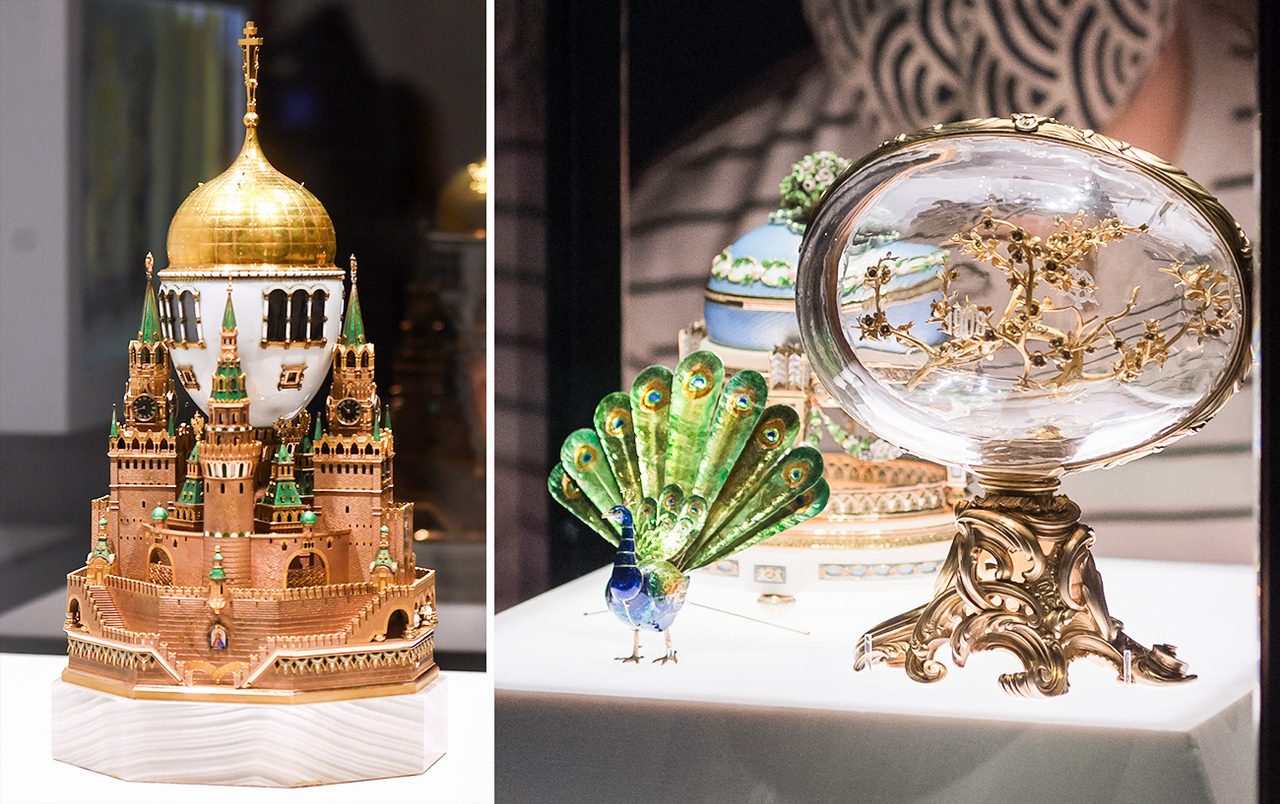 The Peacock Egg and the Cradle with Garlands Egg
The ‘House of Fabergé’ created eggs for both emperors and private individuals. Today, 71 of his eggs are accounted for, of which 52 (according to other sources, 54) were intended for the Russian emperors.
Each egg was a masterpiece: inside the ‘Peacock’ egg was a mechanical bird that fanned out its tail; the ‘Moscow Kremlin’ played an Easter hymn; the ‘Coronation’ egg contained an exact replica of Catherine the Great's carriage.
5. He used unexpected materials in jewelry making
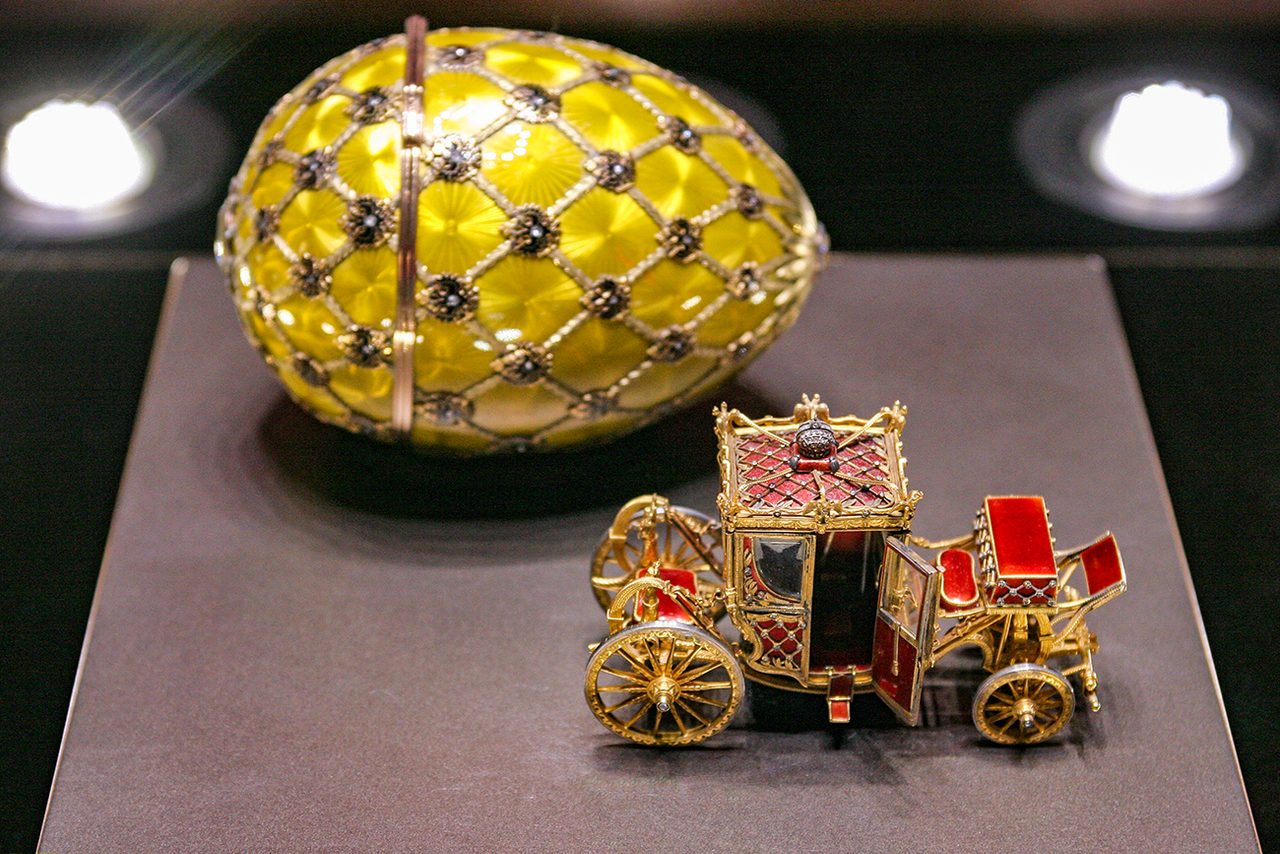 The egg made in 1897.
Original design and superior craftsmanship have always been at the heart of Fabergé’s creations.
He was one of the first to use steel, tin, Karelian birch and Ural gemstones to create jewelry masterpieces and precious objets de fantaisie – souvenirs that are precious in every sense of the word.
6. He achieved worldwide recognition
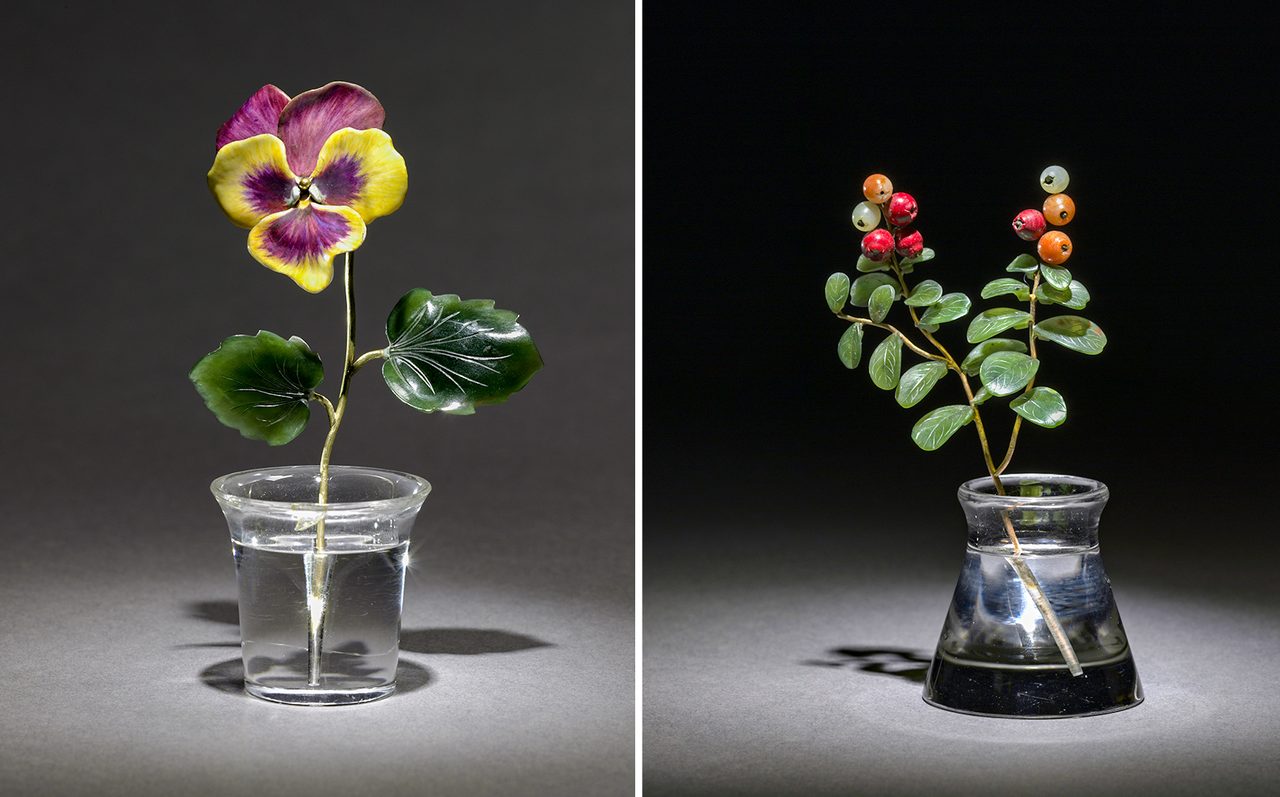 Pansy and cranberry by Faberge.
The fame of the ‘House of Fabergé’ spread far beyond Russia’s borders. He won another gold medal, this time at the Nordic Exhibition in Copenhagen in 1888 and was named purveyor to the Kings of Sweden and Norway in 1897; served as a member of the jury at the 1900 World's Fair in Paris and was awarded the ‘Legion of Honour’.
Moreover, the ‘House of Fabergé’ became the first Russian company to establish a representative office in Siam (Thailand).
7. At the height of his fame, Fabergé only managed the company
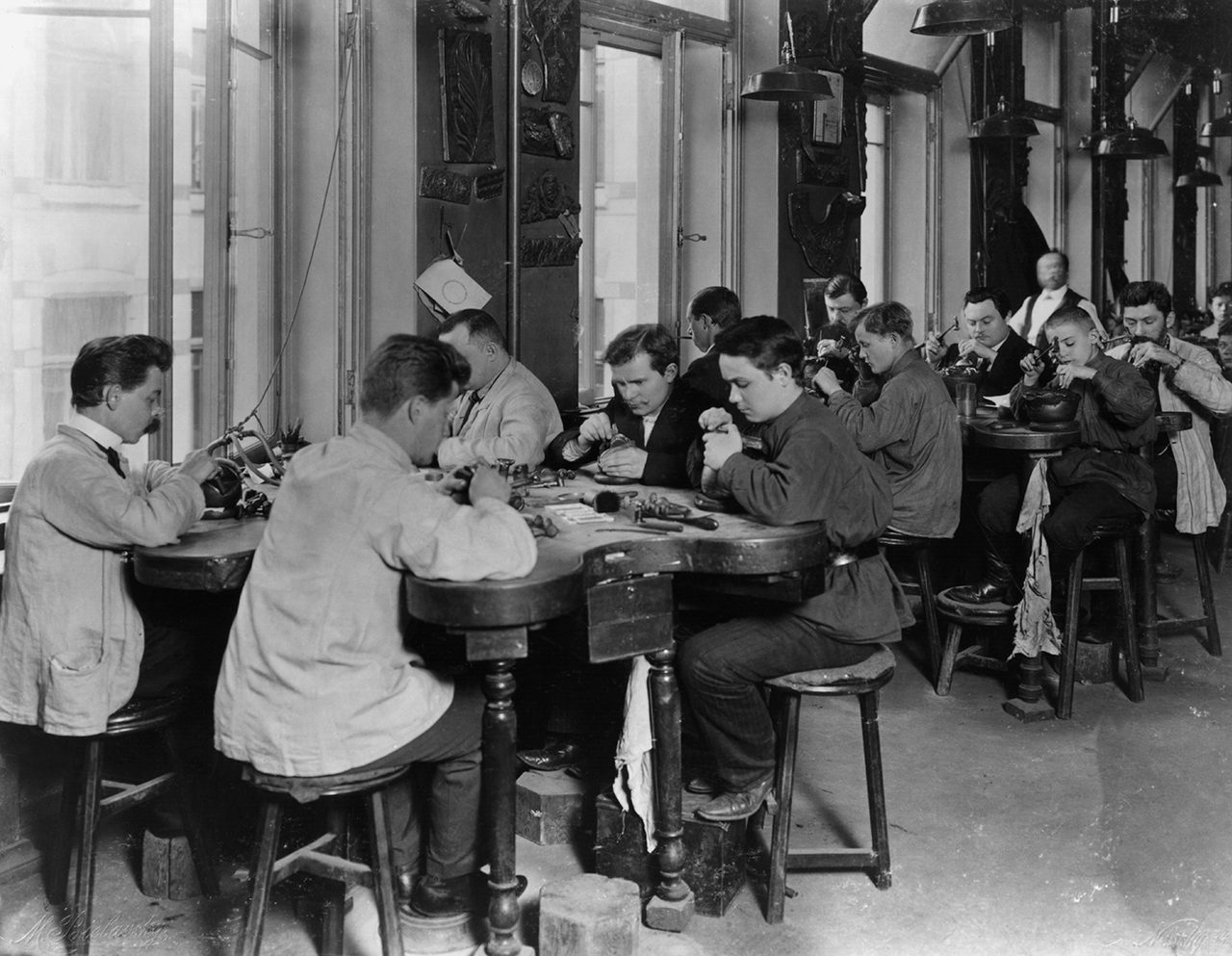 Workers in Carl Faberge's workshop.
The ‘House of Fabergé’ opened branches in Moscow, Kiev, Odessa and London.
Carl Fabergé himself effectively handled management, while the orders were executed by craftsmen – about 500 of them. Nevertheless, sketches by Carl himself, as well as masters' sketches with his comments, have survived to this day.
He was assisted in running the company by his four sons.
8. He made not only jewelry luxury
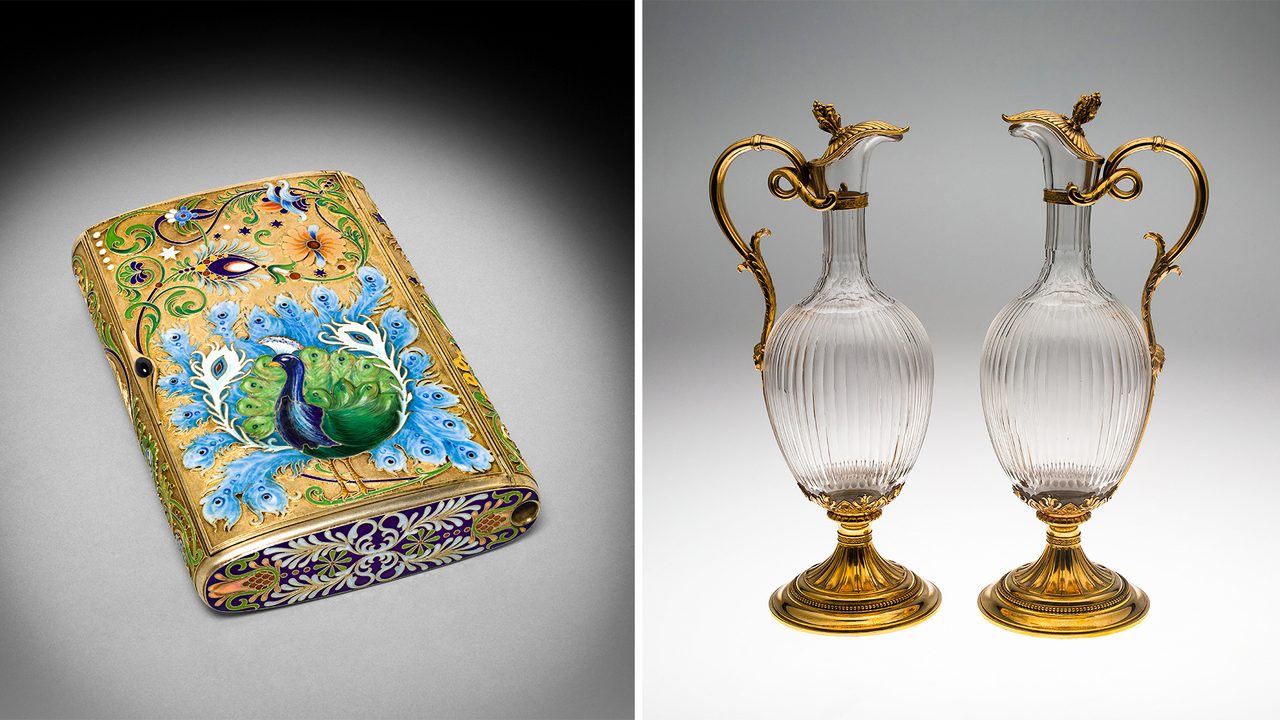 Cigar Box, c. 1986-1908. Pair of Ewers, 1896/1908.
Although Fabergé is associated with jewelry, the company also produced many items for the general public. These included silverware, tableware, souvenirs, cigarette cases and clocks. During World War I, the firm even manufactured supplies for the war effort – soldier's cups, buckles and medical supplies.
9. He ended his life in exile
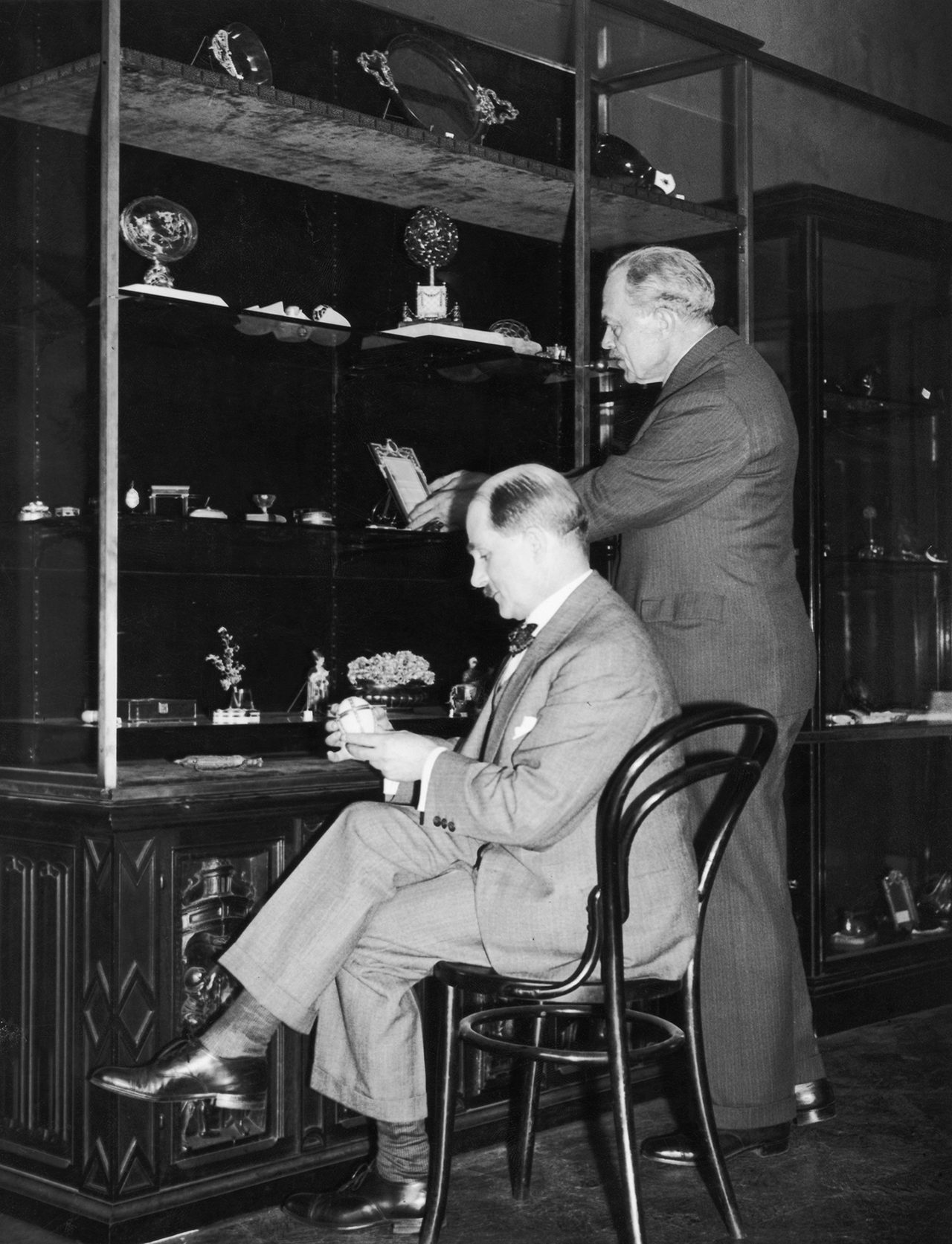 Russian court jeweller Agathon Faberge (1876 - 1951, seated), the son of Carl Faberge, arranges an exhibition of Russian art at Belgrave Square in London, June 1935
Fabergé did not accept the 1917 Bolshevik Revolution. At first, he tried to hand over his house to the Swiss diplomatic mission, hoping for diplomatic immunity, but this did not save his property from confiscation. Fabergé left Russia and died in 1920 in Lausanne, having lost almost everything.
His sons also left. They tried to revive the family jewelry business abroad.
10. The ‘House of Fabergé’ was given a new lease on life
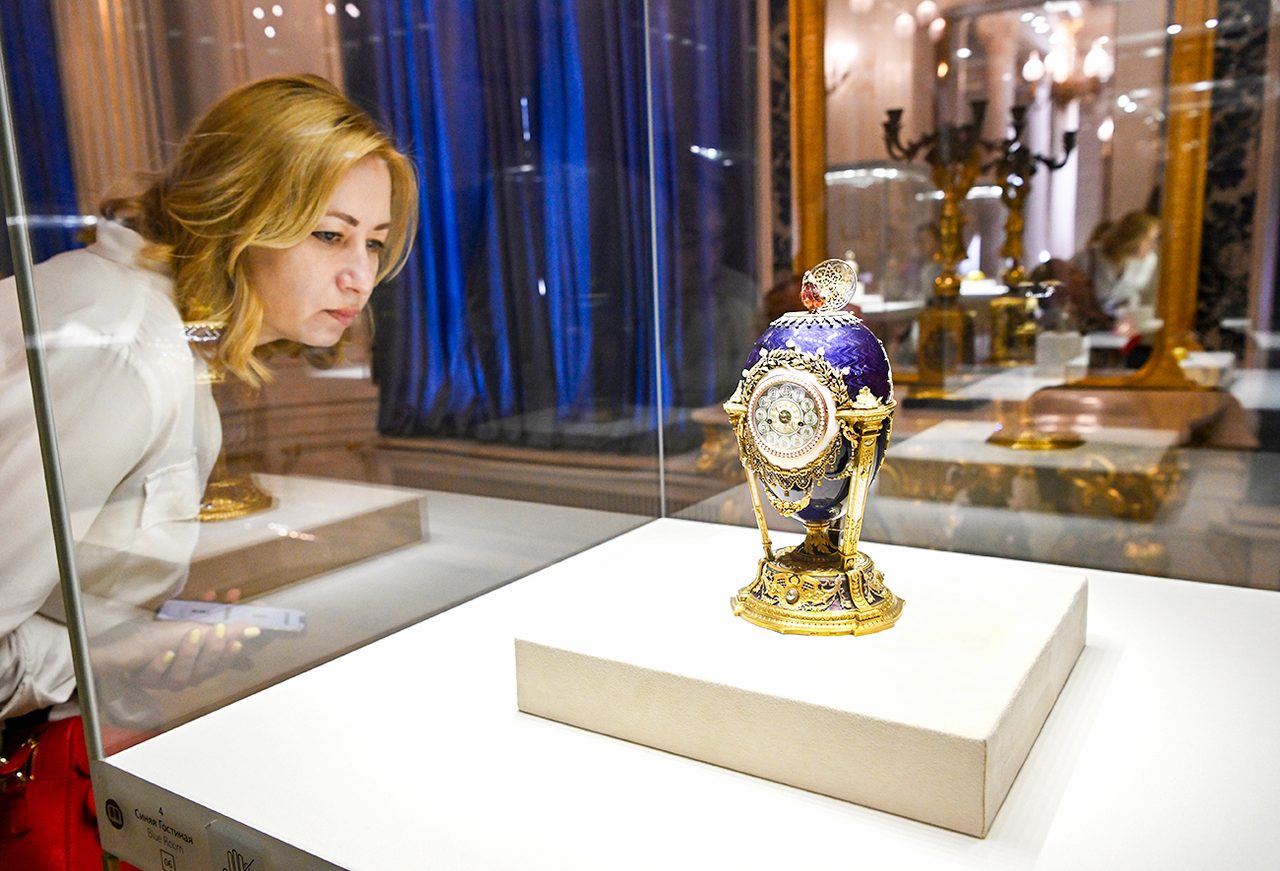 The Museum of Faberge, St. Petersburg
Carl's sons founded ‘Fabergé & Cie’, a firm that specialized in restoration and jewelry production. However, for many years, ‘Fabergé Inc’. operated in parallel—it was established in the United States and produced perfumes and household cleaning products. The legal rights to use the trademarks were not acquired until 2007, and the Fabergé company once again reestablished its connection with the Fabergé family.
In 2025, the ‘House of Fabergé’ was bought by U.S. investment firm SMG Capital, owned by Sergei Mosunov, an entrepreneur originally from Nizhny Novgorod.