

5 reasons to watch the legendary Soviet movie ‘The Cranes Are Flying’
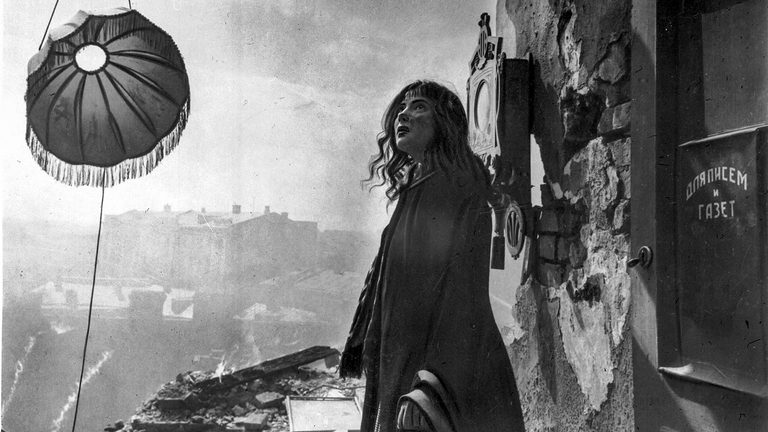
This black-and-white movie was one of the first signs of the ‘Krushchev Thaw’.
1. The movie won the ‘Palme d'Or’
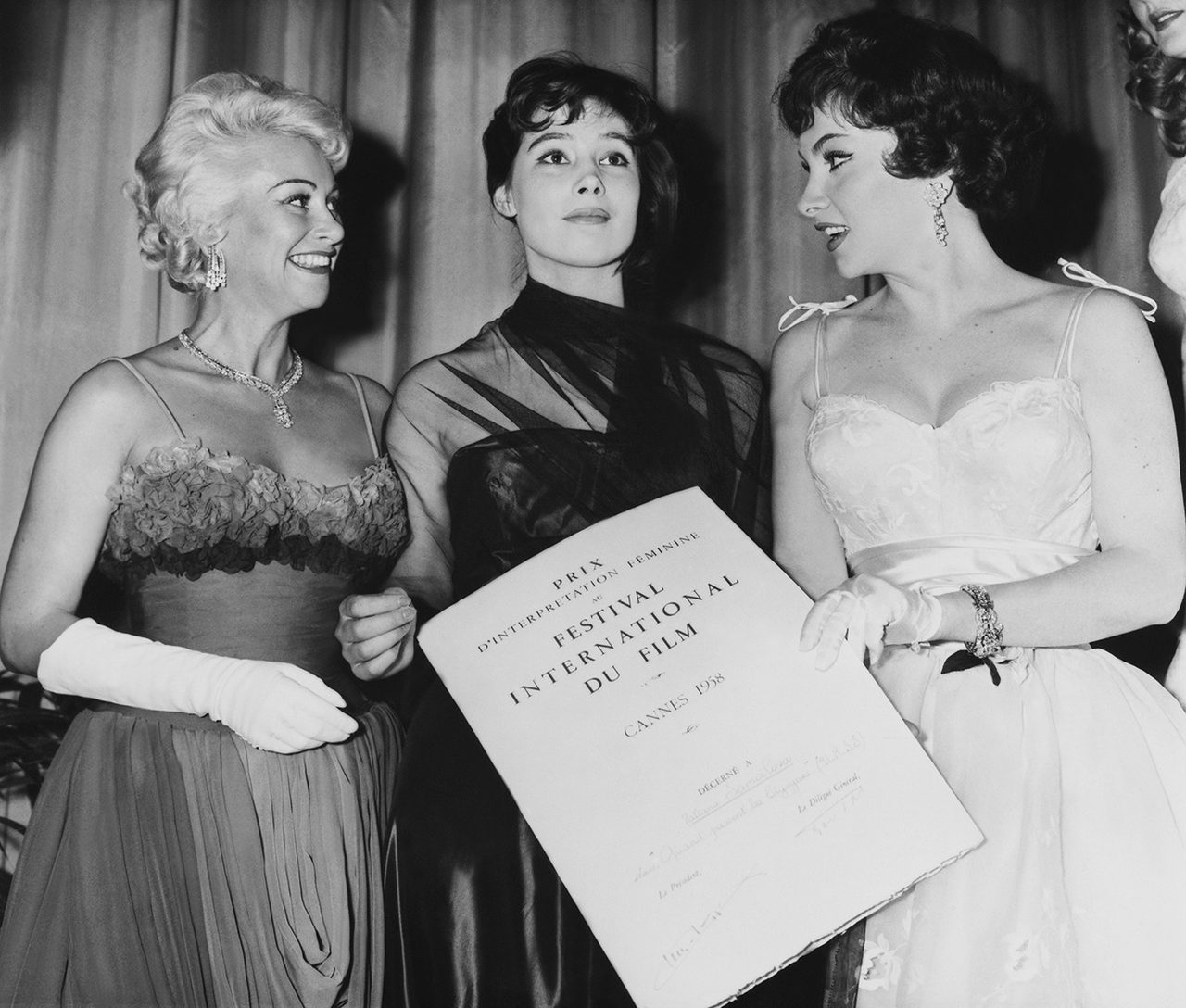
It’s the only Soviet movie to have won the main prize at the Cannes Film Festival, as well as an award for cinematography and a special diploma for the leading actress. The movie was hailed as a miracle: it depicted the war not on the front lines, but in the rear, telling a story not of military heroism, but of moral trials. According to the plot, the main heroine’s fiancé leaves for the front, so she ends up marrying his brother, despite not loving him and waiting for her first fiancé's return. After the Victory, she learns that her beloved has died…
2. Based on a play banned by censors
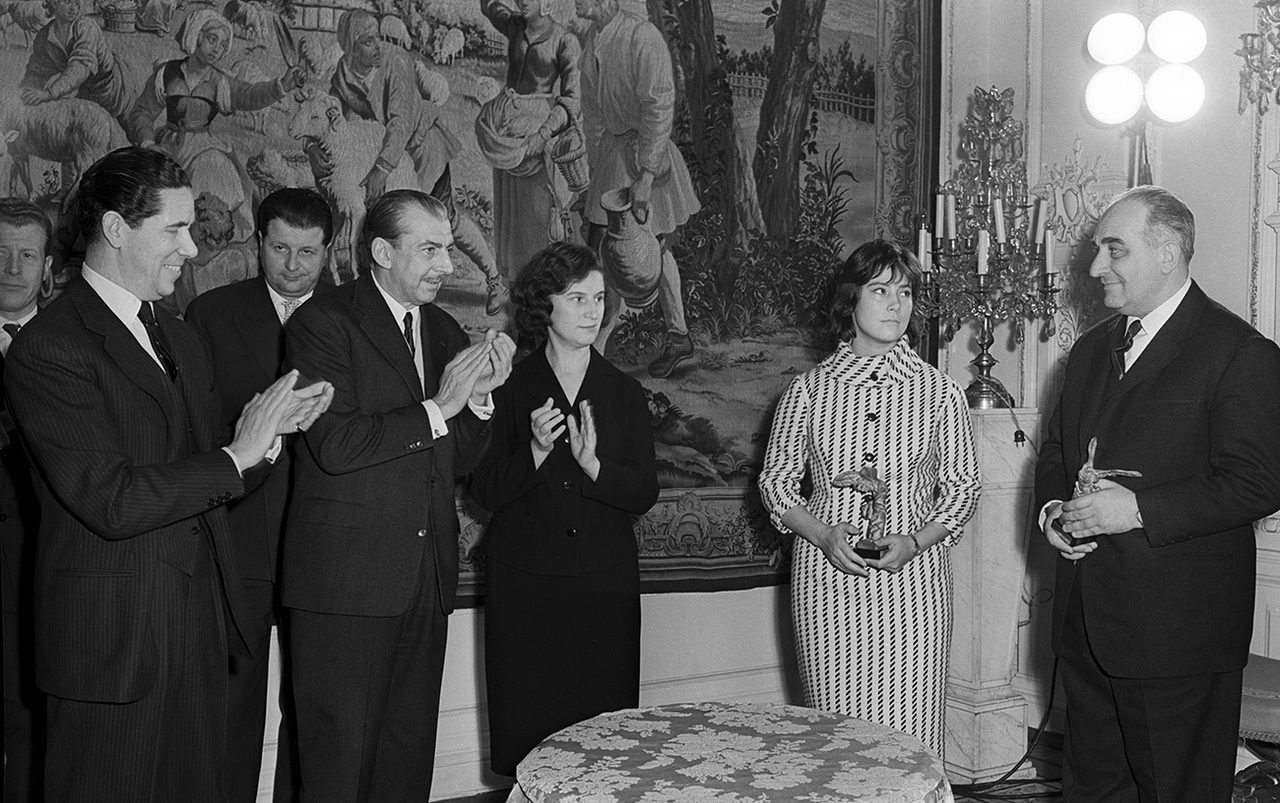
The movie is based on the play ‘Life Eternal’ by war veteran playwright Viktor Rozov. The Main directorate for Literature and Publishing refused to publish it. However, it became the talk of the town after Moscow’s ‘Sovremennik’ Theater opened its production of ‘Life Eternal’ in 1956. At the time, director Mikhail Kalatozov asked Rozov to write a screenplay based on the play.
3. One of the first movies of the Thaw
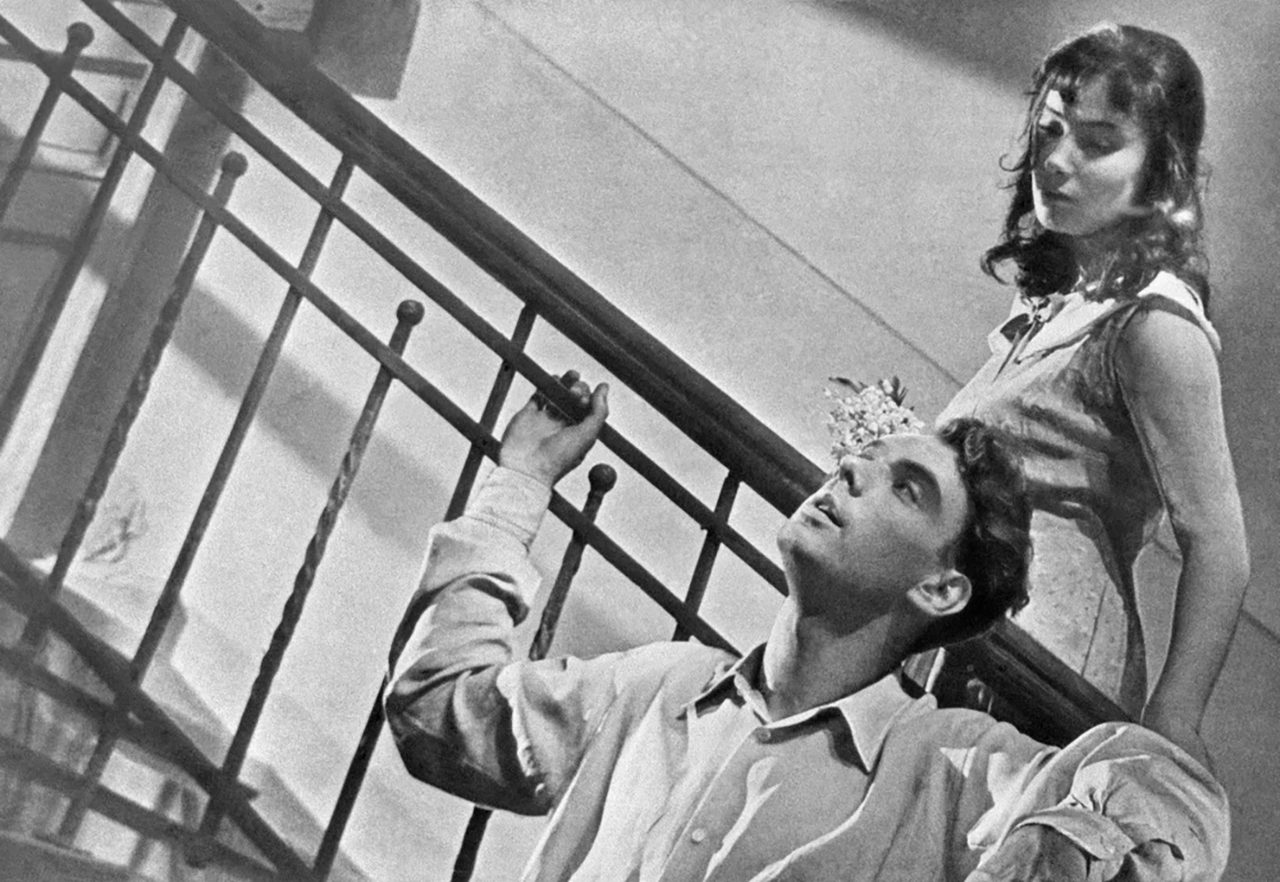
Critics were divided into two camps. Some accused the director of allowing his film, which dealt with the war years, to “lose its way and reduce the scale of major life issues to the trivialities of emotional turmoil and cinematic effects”. General Secretary Nikita Khrushchev was so outraged by the female lead, who had betrayed her love, that he called Veronika a fallen woman. Others believed that ‘Cranes’ opened a new chapter in cinema by showing a love story without the obligatory backdrop of construction sites, Stakhanovite records, etc.
Western critics were also delighted: "Russia has launched a cultural satellite here: it was a moving and eloquent movie about star-crossed lovers," wrote American newspapers after the movie's U.S. premiere.
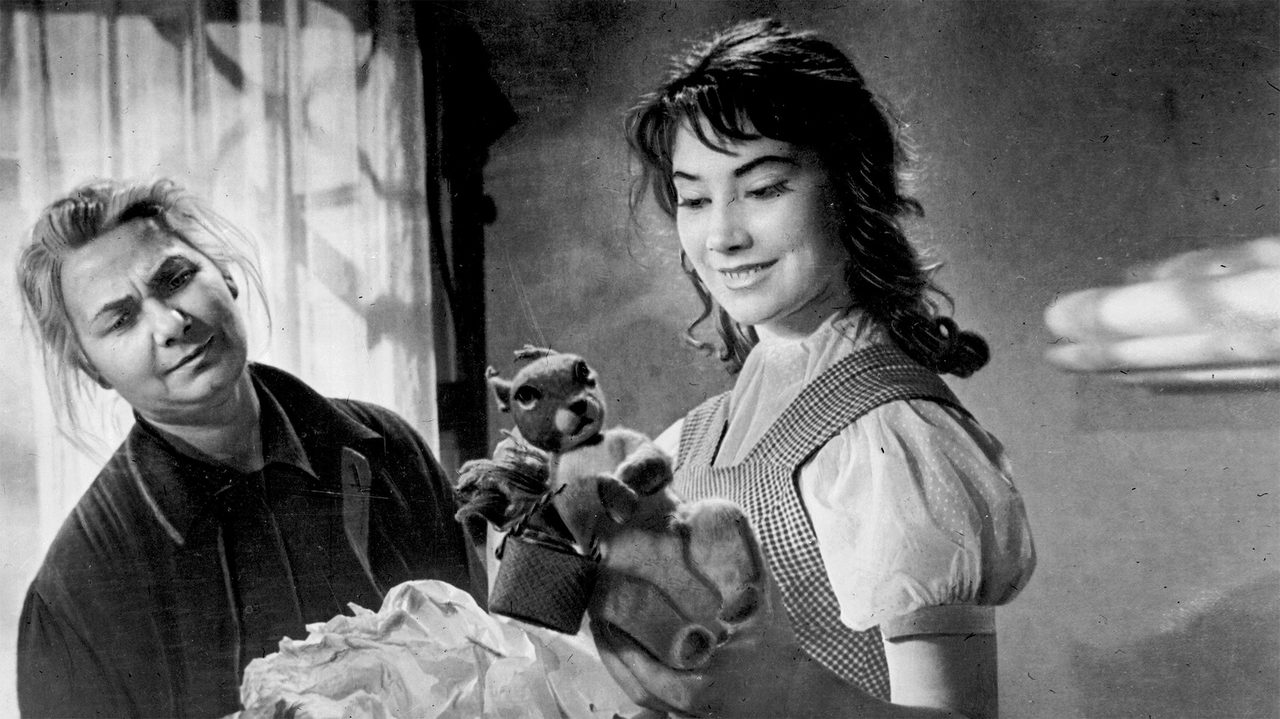
For actress Tatyana Samoylova, this role became a breakthrough. Artist Pablo Picasso called her "the Russian goddess". A Hollywood studio even invited her to play the lead role in an adaptation of ‘Anna Karenina’, starring Gerard Philipe as Vronsky. But, Soviet leadership categorically refused to let her travel abroad.
4. Superb cinematography
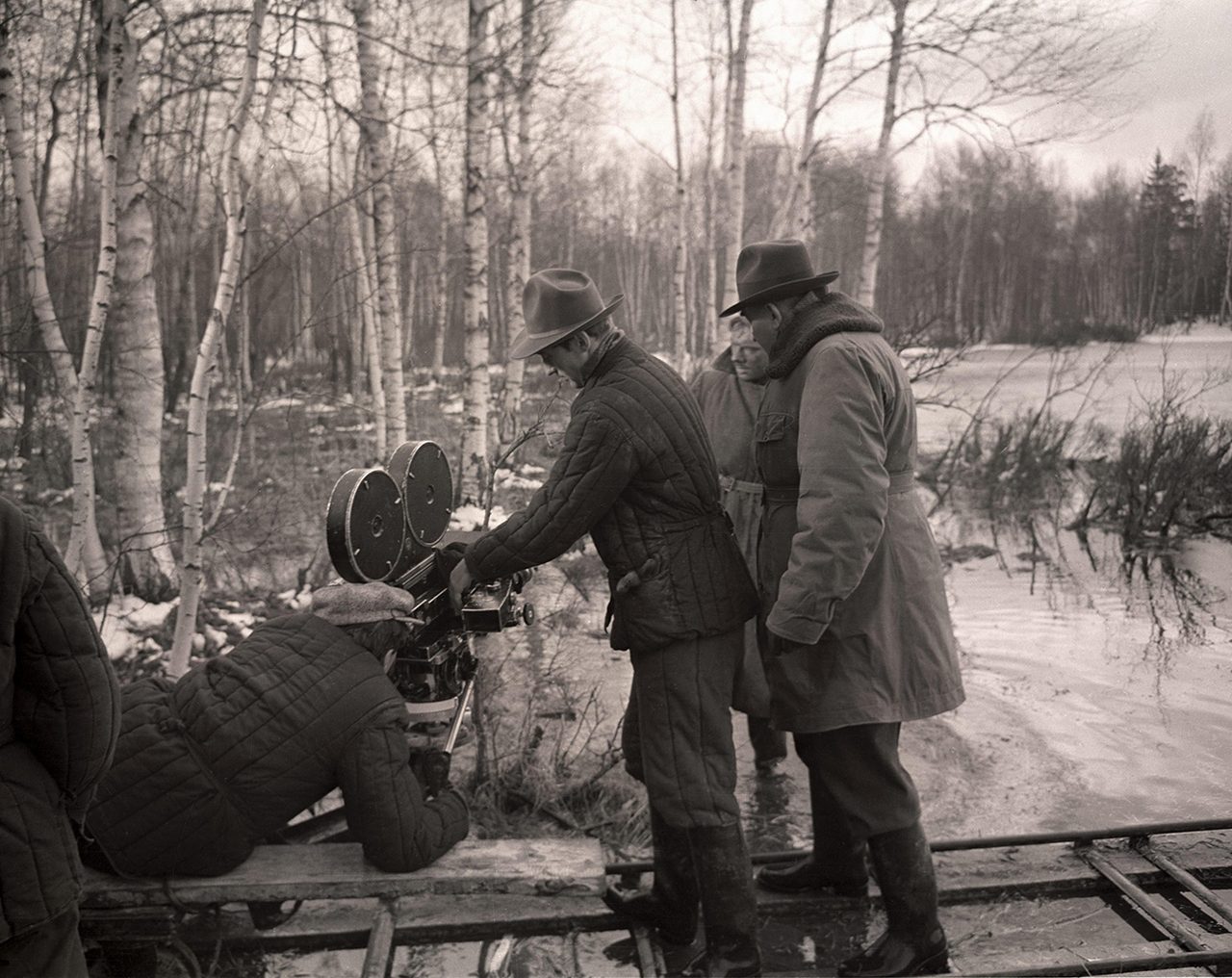
Mikhail Kalatozov began his career as a cinematographer. Perhaps that's why he and Sergei Urusevsky, the movie's cinematographer, formed a perfect partnership while working on ‘Cranes’. Thanks to him, the personal story told in the movie acquired a completely different scale, turning it into an epic. Director Gleb Panfilov marveled at the movie's free-flowing camera movement, as if it were floating in the air, and called the cinematography a miracle. Combined with the play of light and shadow, such expressive shots created an incredible effect.
5. Influenced many famous directors
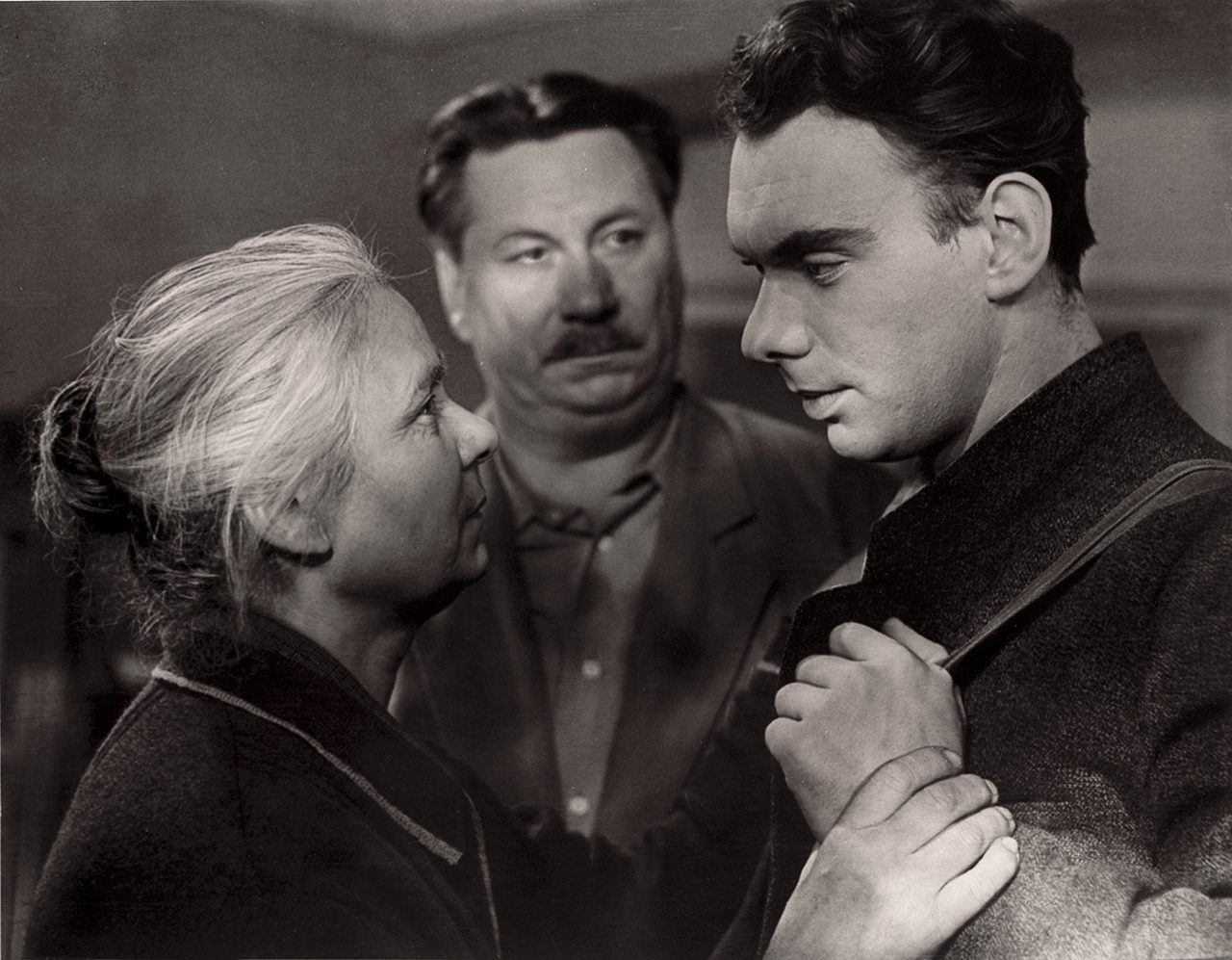
Russian masters Gleb Panfilov and Sergei Solovyov admitted that, after watching ‘The Cranes Are Flying’, they decided to become directors.
So did Claude Lelouch. In 1956, he came to Moscow as part of a group of French communists, planning to make a movie about the Soviet capital. He even managed to get into the ‘Mosfilm’ studios, where ‘The Cranes Are Flying’ was being filmed at the time. Kalatozov showed him the footage that had already been shot and even allowed him to work on the set. It was then that Lelouch decided to become a director. He later called ‘The Cranes are Flying’ one of the most perfect movies in the history of cinema.