
5 facts about Russian architect Fyodor Shekhtel
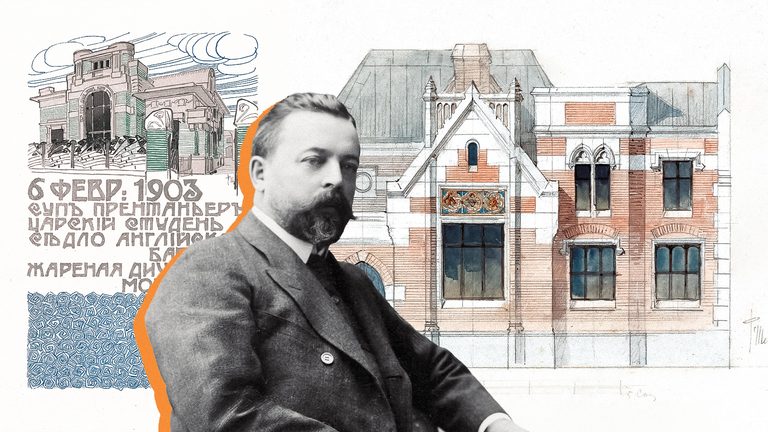
At one point, he was considered to be the most talented of all the architects in the world.
1. He had no formal education
In 1875, at the age of 16, the young man from a Saratov merchant family moved to Moscow, where he was introduced to the already famous architect Alexander Kaminsky. Working in his workshop proved to be a better education than the Moscow School of Painting, Sculpture and Architecture, from which he was expelled after three years for poor attendance.
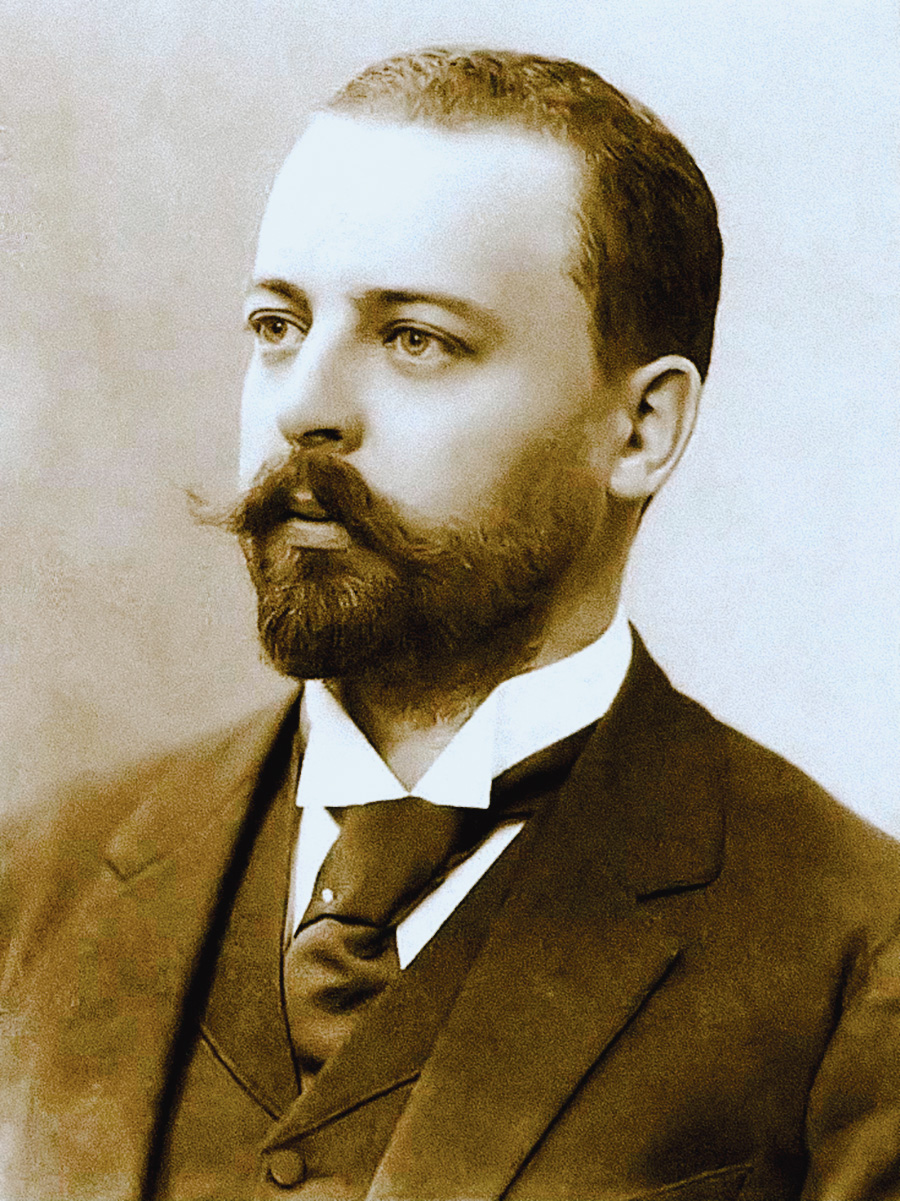
The lack of a diploma merely prevented him from obtaining a licence to work independently in Moscow. However, this did not bother him: his main commissions were outside the city. And, in 1894, having received a commission to build a mansion for entrepreneur and philanthropist Savva Morozov, he finally obtained the necessary paperwork.
2. Participated in the preparation of coronation celebrations
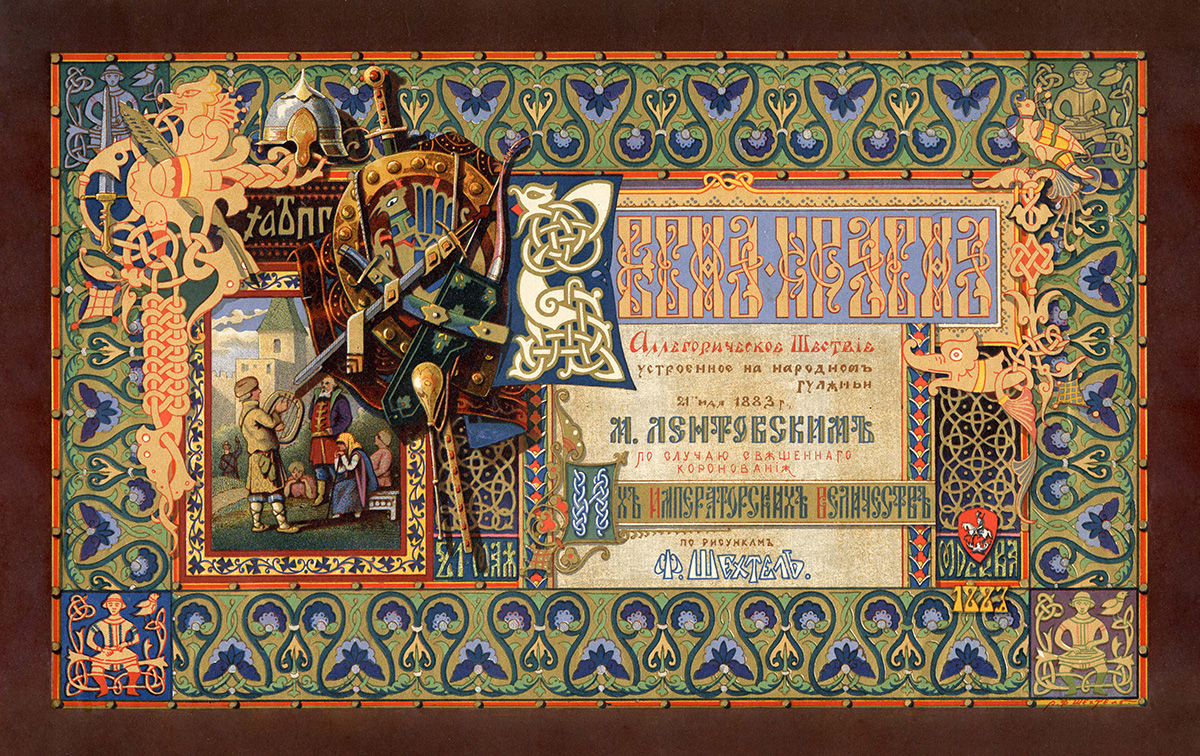
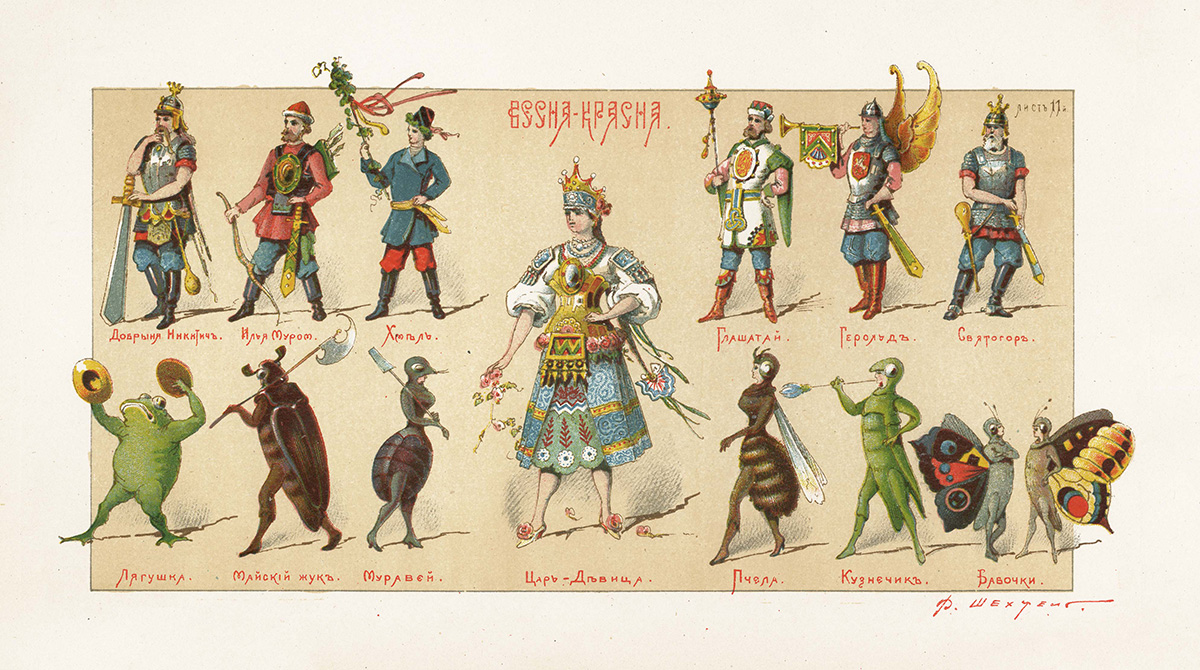
Shekhtel was not only an architect, but also a theatrical artist and set designer. For the coronation celebrations of Emperor Alexander III and his wife, Maria Feodorovna, in 1883, he created the set design and characters for the theatrical procession. The drawings were so beautiful that the album containing them was reprinted several times.
3. He thought through the house interiors in great detail
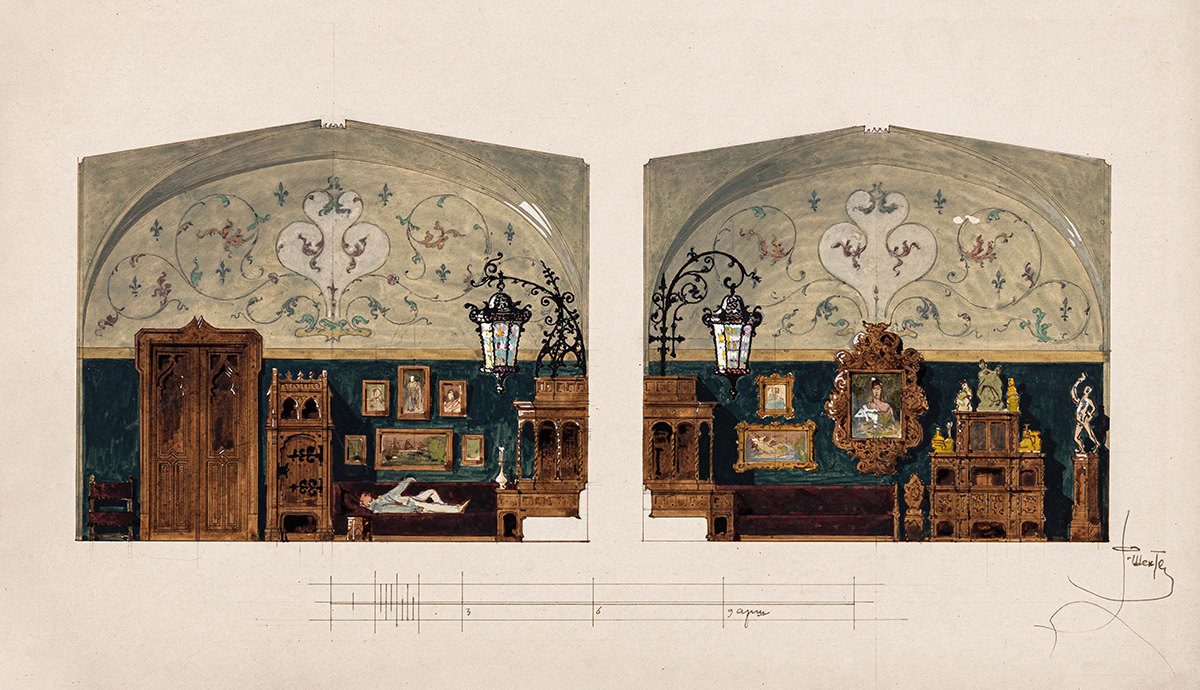
The architect had a unique perspective on house design. He didn't simply come up with walls and a roof. First, Shekhtel studied the intended use of the future rooms, planned them out and only then began working on the facades. He also believed that the style of the interior design style should precisely match the architecture of the house. For example, he created over 600 drawings for the Morozov Mansion. The furniture, decor and staircases – all in a unified neo-Gothic style.
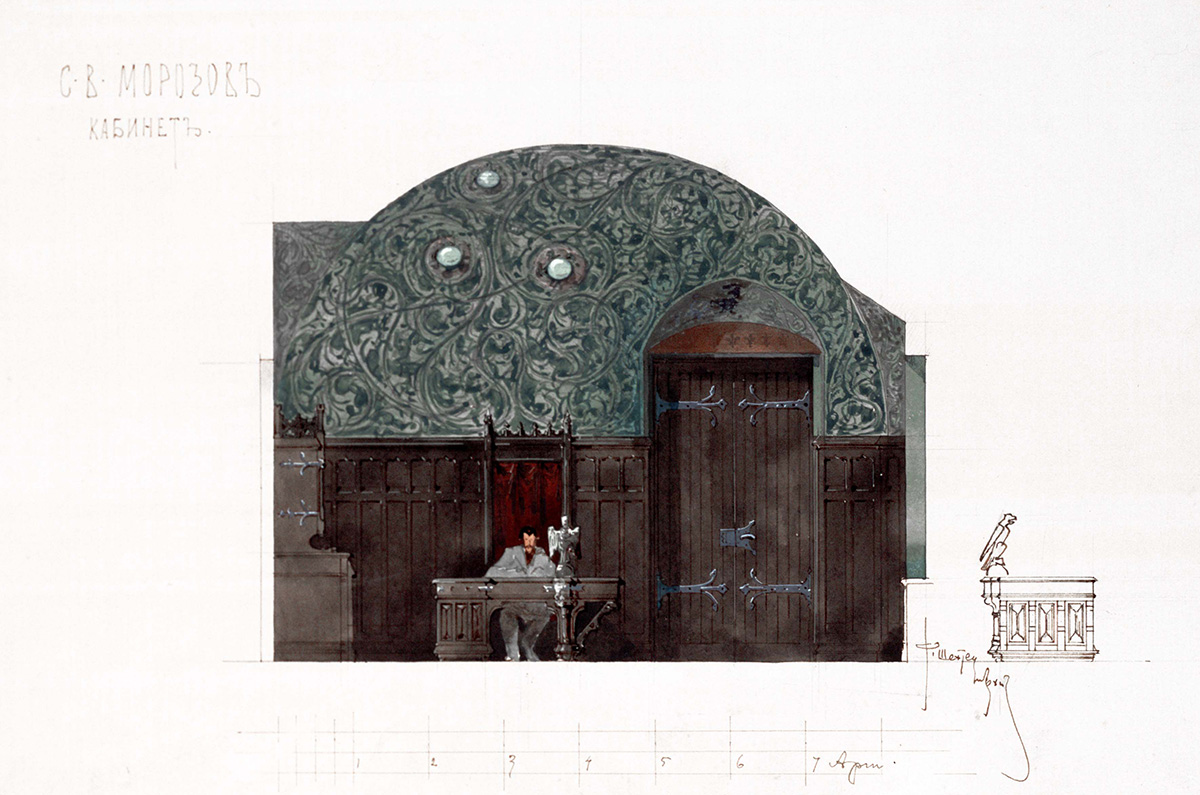
4. He built houses for famous industrialists & philanthropists
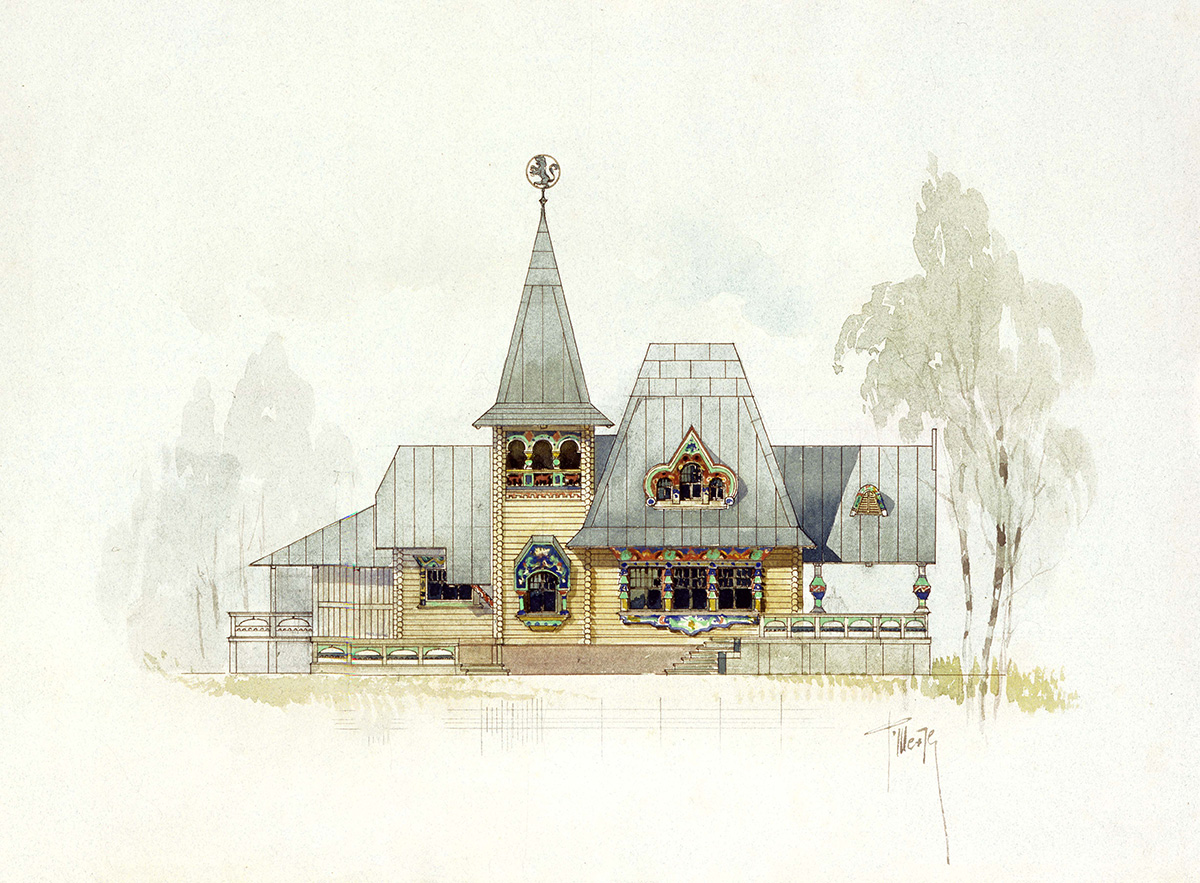
Schekhtel's clients included the most prominent entrepreneurs of his time. He built houses and dachas for the extensive Morozov family. For the railroad magnates von Derviz completely renovated estates in the Ryazan province.
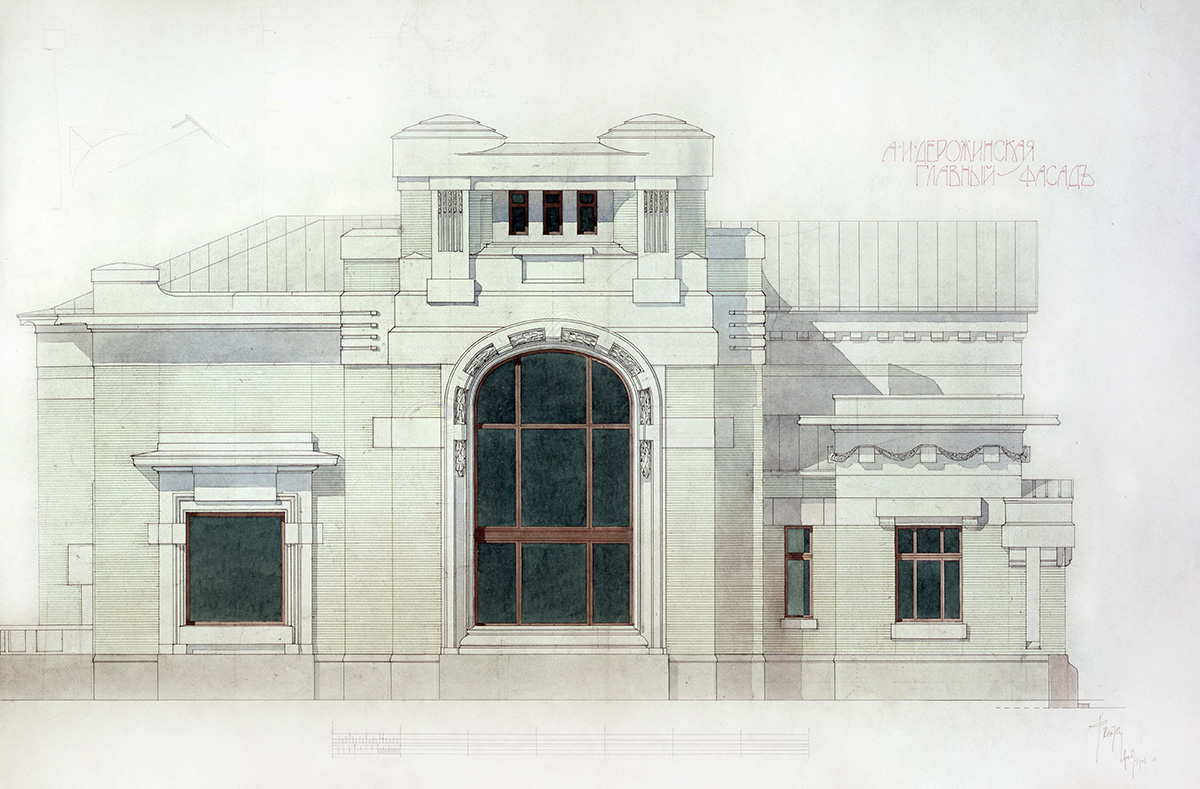
He built a Gothic mansion in Moscow for porcelain magnate Matvey Kuznetsov and created an Art Nouveau design for entrepreneur and philanthropist Stepan Ryabushinsky, featuring a magnificent grand staircase reminiscent of a wave. Guests entering the mansion embarked on a symbolic journey from the underwater world to the earthly and heavenly realms.
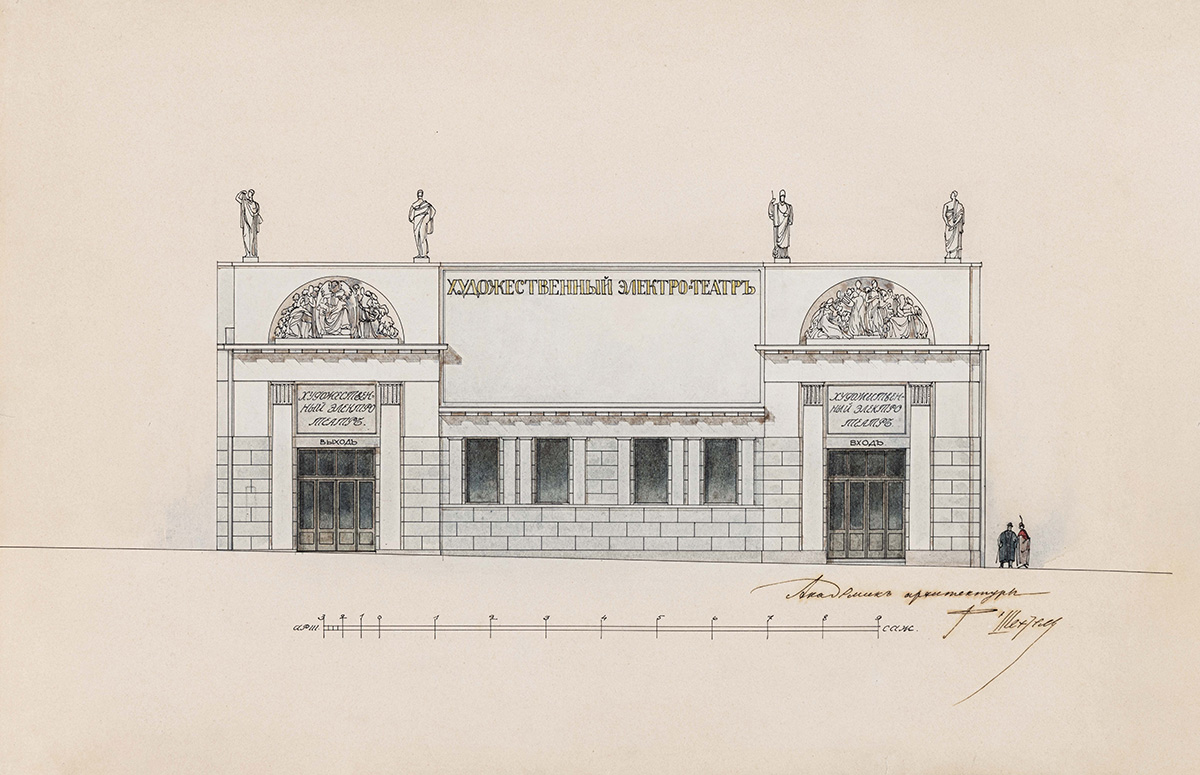
5. He designed projects after the revolution
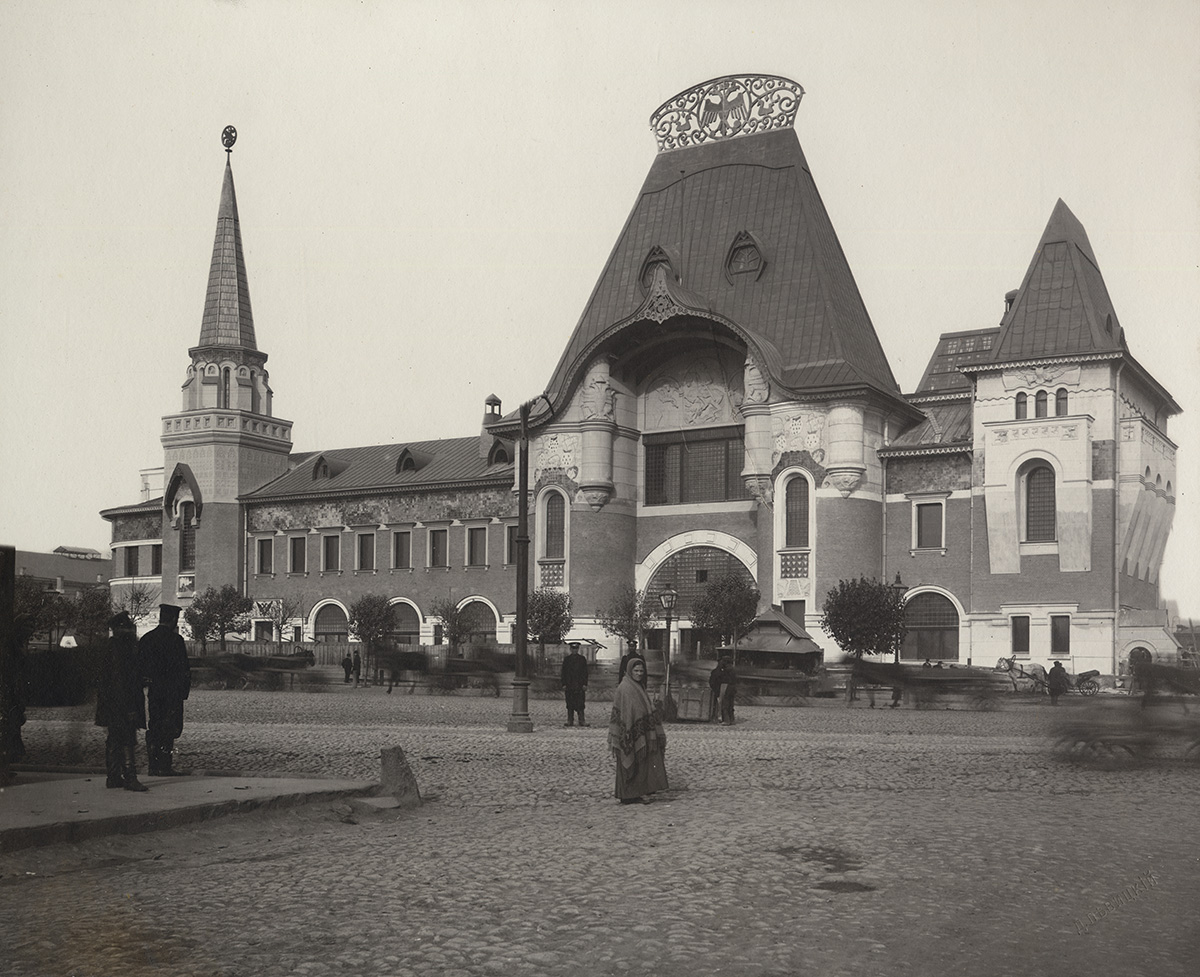
After 1917, private commissions dried up, but the architect continued to work. He designed projects for ‘Dnieprostroy’ and developed a large-scale project to irrigate the ‘Golodnaya (Hungry) Steppe’ in Turkestan, complete with dams, residential and administrative buildings. In 1923, visitors to the All-Russian Agricultural and Handicraft-Industrial Exhibition in Moscow's Neskuchny Garden were able to see two masterpieces of Russian architecture simultaneously.
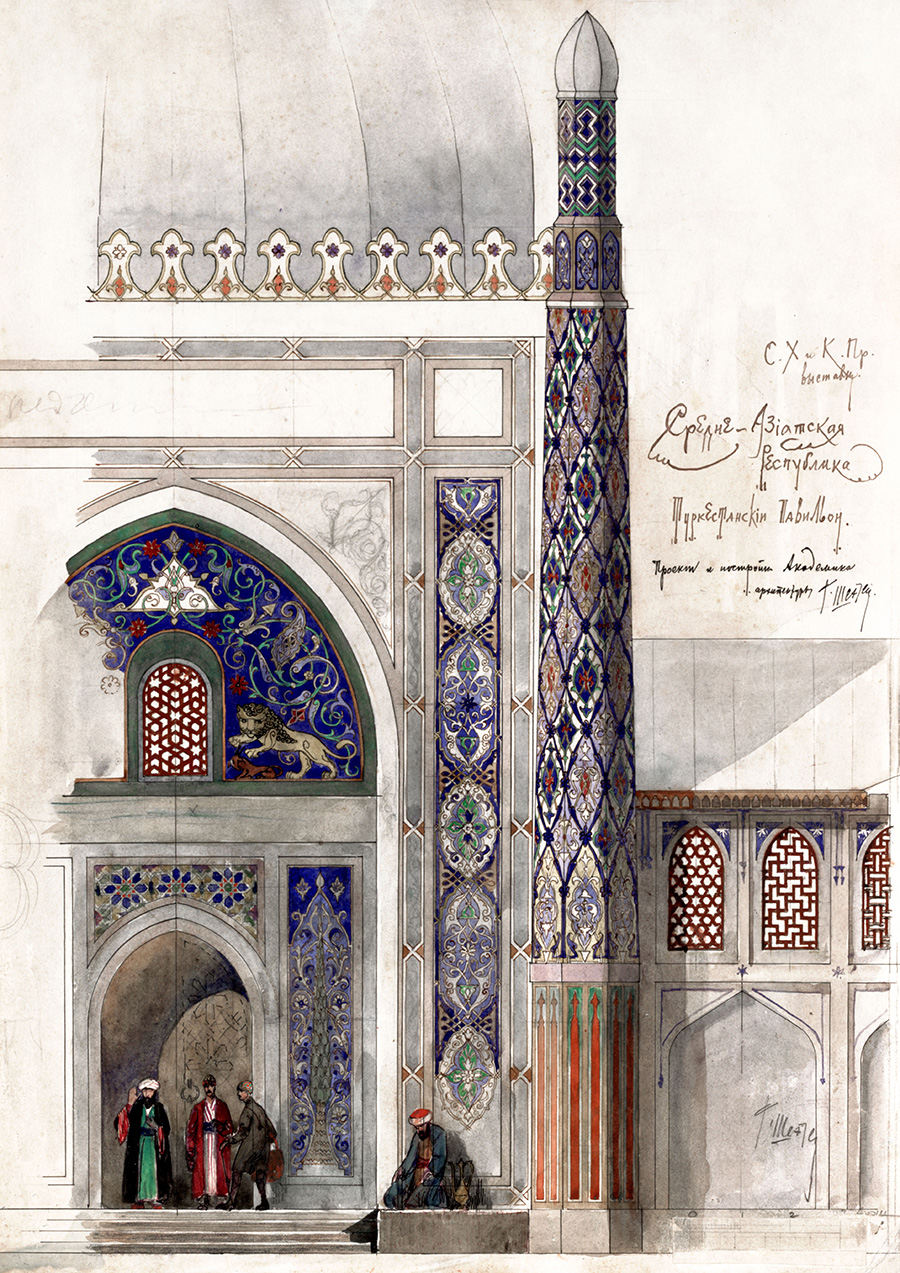
The elegant Turkestan Pavilion, inspired by the Sher-Dor Madrasah in Samarkand, was designed by the renowned Fyodor Shekhtel. The adjacent Makhorka Pavilion was designed by the constructivist Konstantin Melnikov.
*You can learn more about the architect's work in the ‘Fyodor Shekhtel: Dreams of Russian Art Nouveau’ exhibition at the Moscow Museum of Architecture, which runs until October 4, 2026.