
What attracted Russian artists to tiny Tarusa? (PICS)
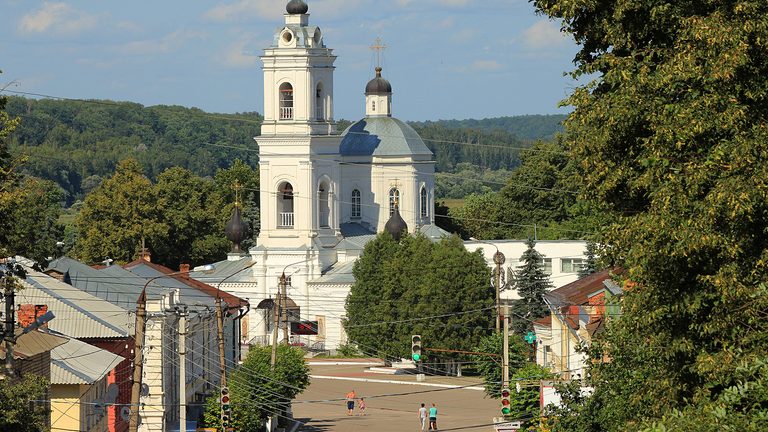
This small town on the high banks of the Oka River is also known as the "Russian Barbizon". Writers and artists have been going there for inspiration since the late 19th century.
"Nowhere near Moscow were there places with landscapes so typically and touchingly Russian," admitted writer Konstantin Paustovsky, who lived in Tarusa for many years.
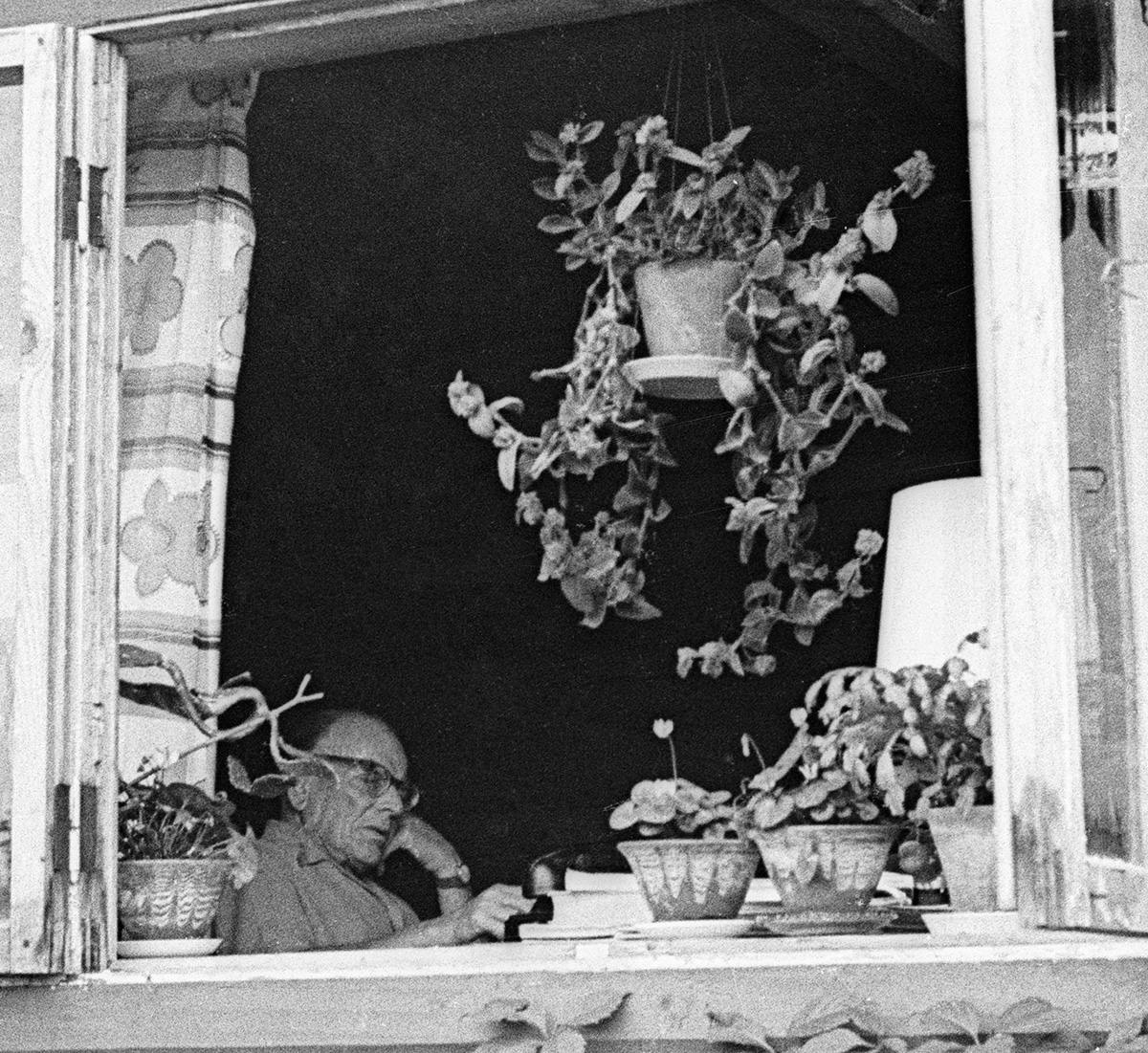
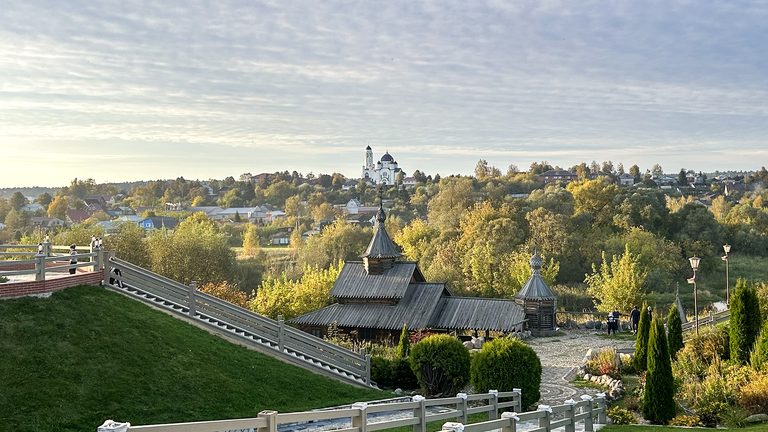
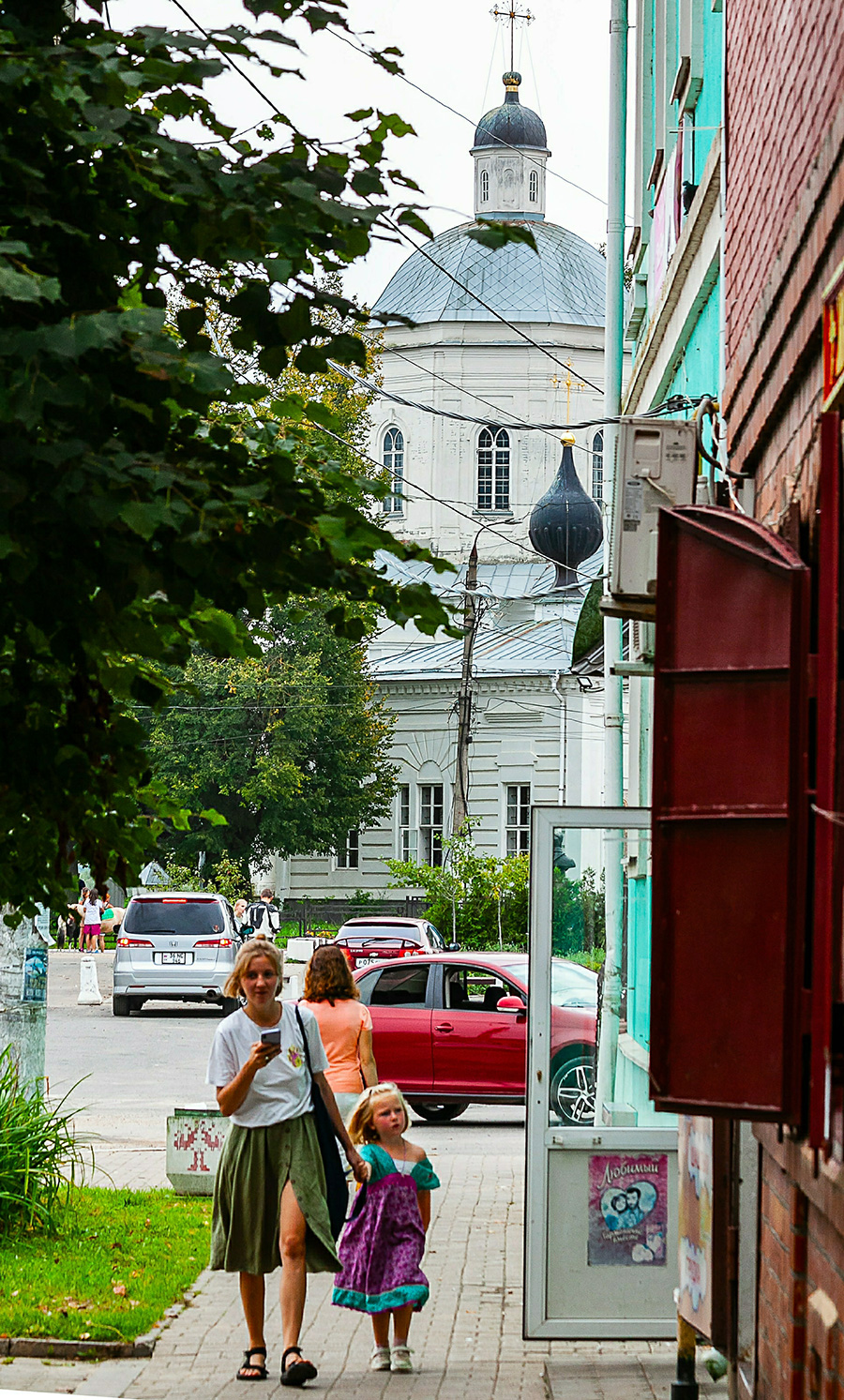
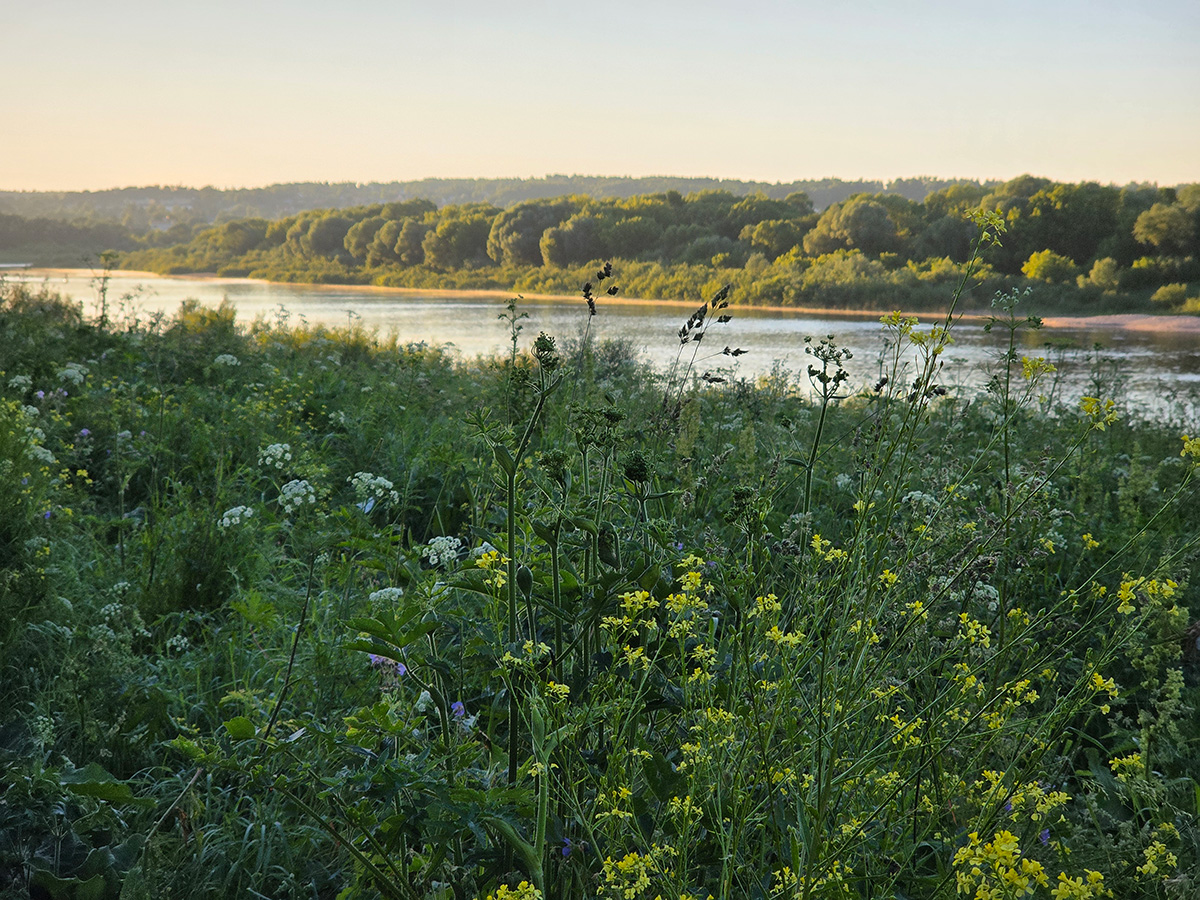
Just 130 km from the capital and the idyllic landscapes of the Oka River unfold before your eyes. The town seems to be made entirely of hills, terraces and steep paths that wind down to the river. A typical scene – neat, little wooden houses, roosters striding purposefully across the road, a couple of cats playing in the middle of the street – it’s as if time has stood still.
This idyllic spot became a favorite among artists in the late 19th century. Viktor Borisov-Musatov, Vasily Vatagin and Vasily Polenov all visited there. Ivan Tsvetaev, founder of the Museum of Fine Arts, spent the summer months there with his family.
Family nest
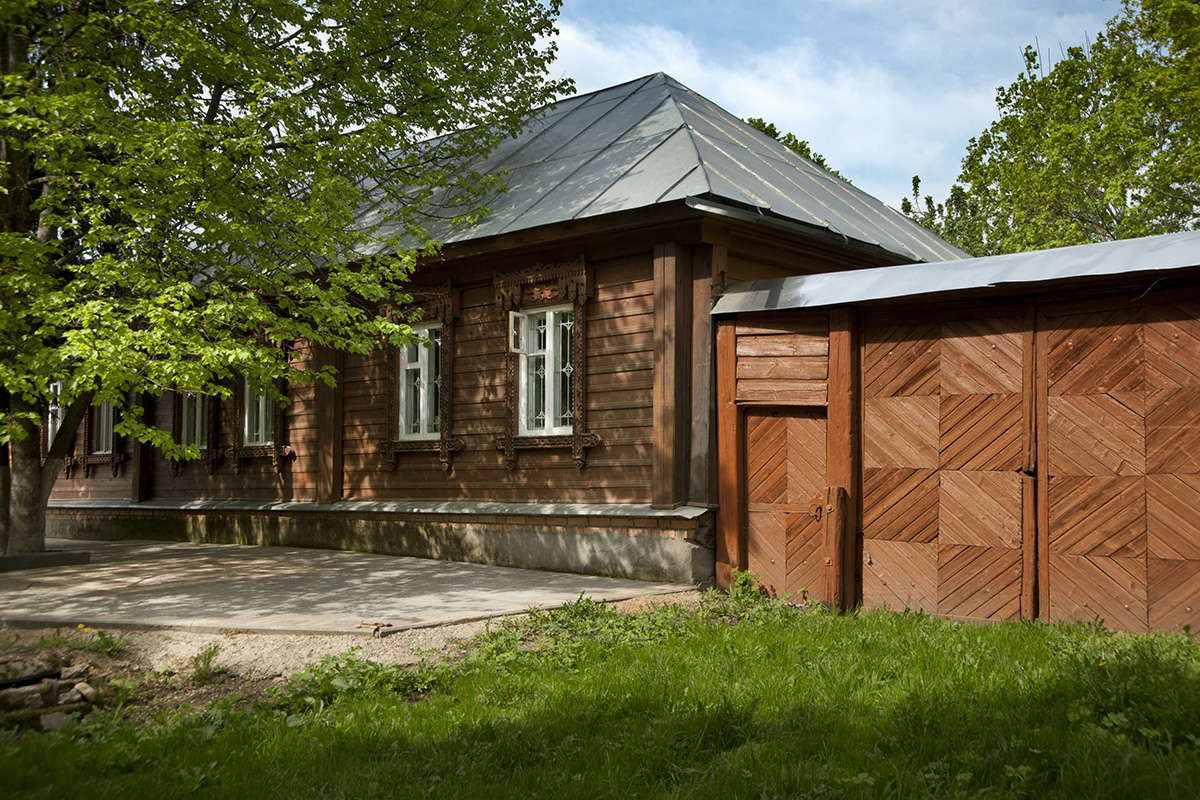
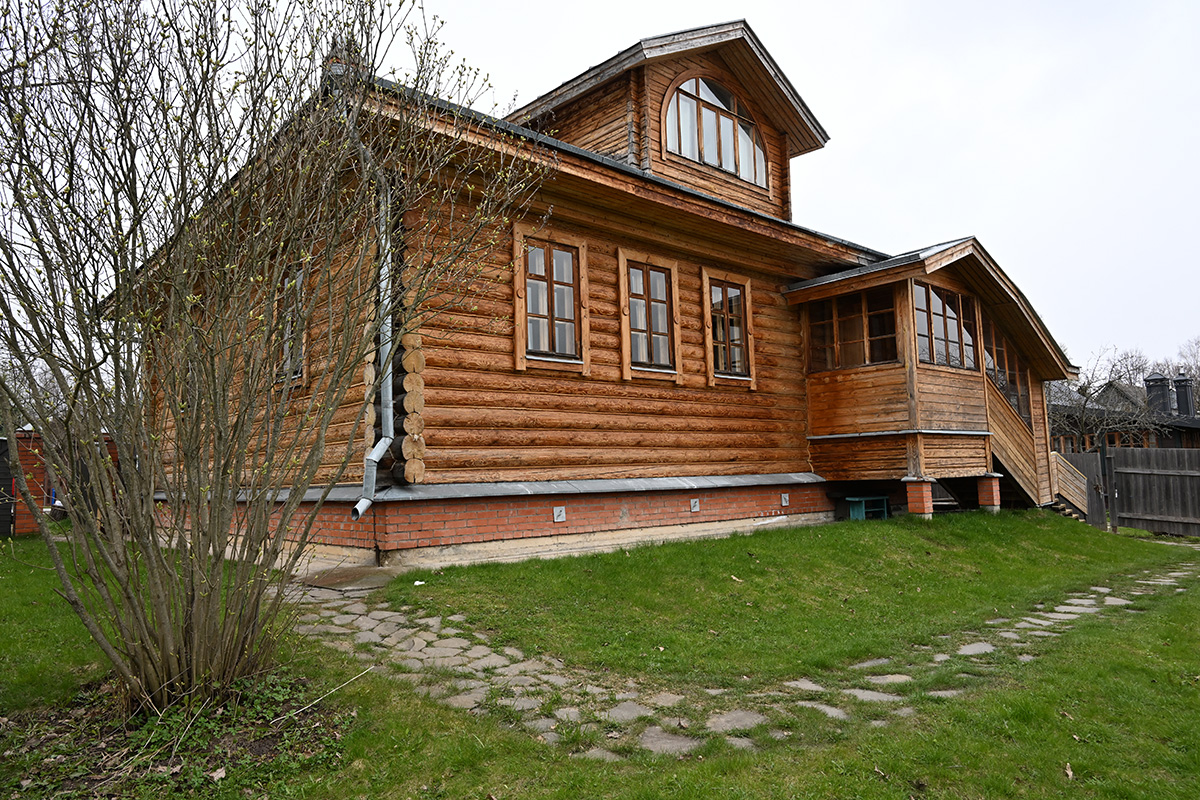
Many families have lived in Tarusa for decades. Animal painter Vasily Vatagin first visited the town in 1902: he liked it and its surroundings so much that he decided to settle there. In 1914, he designed a house and studio with a huge veranda on the second floor, offering a stunning view of the town, the Oka River and Polenovo, located on the opposite bank. Vatagin didn't see the house's construction – he had left for India – but he personally oversaw its design.
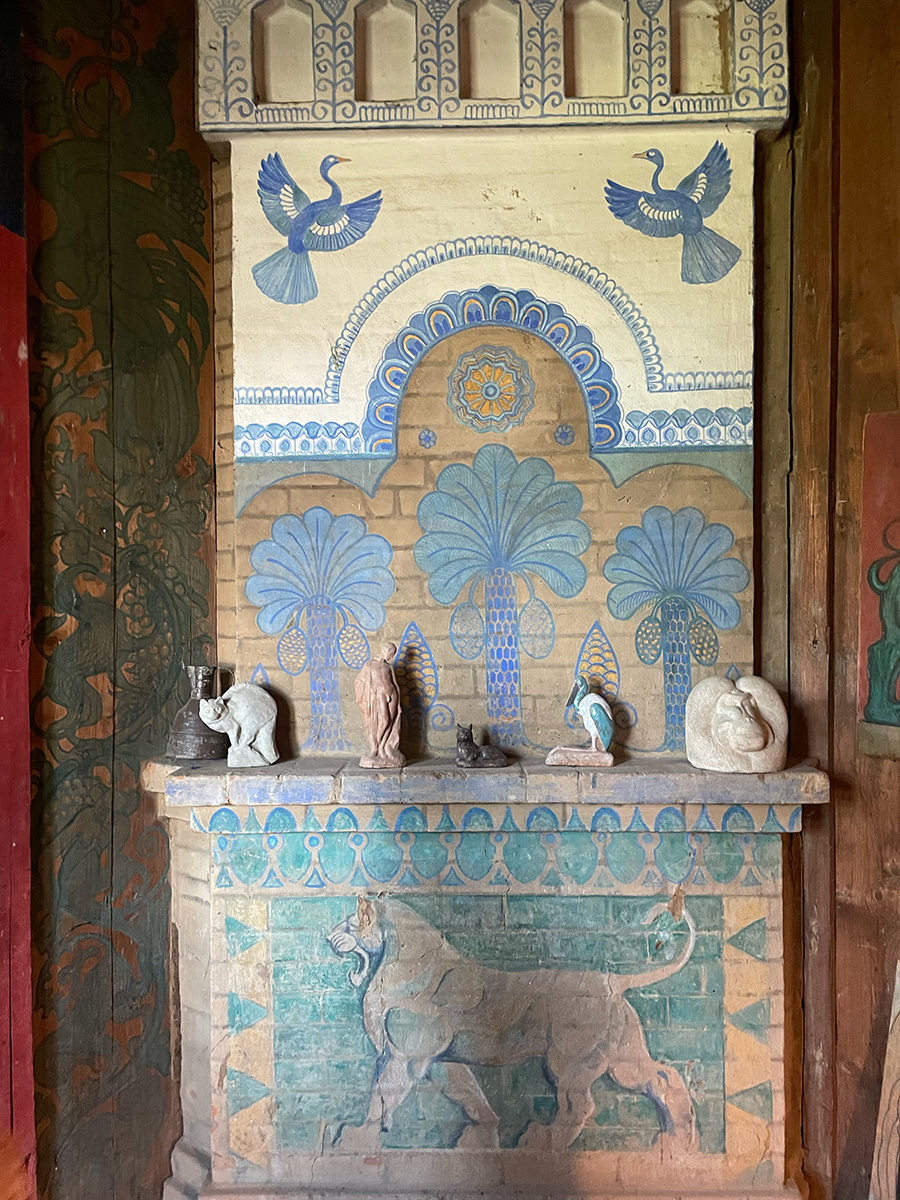
He decorated the stoves, created decorative panels in the style of Indian epics and carved animal figures. In total, he lived there for 55 years.
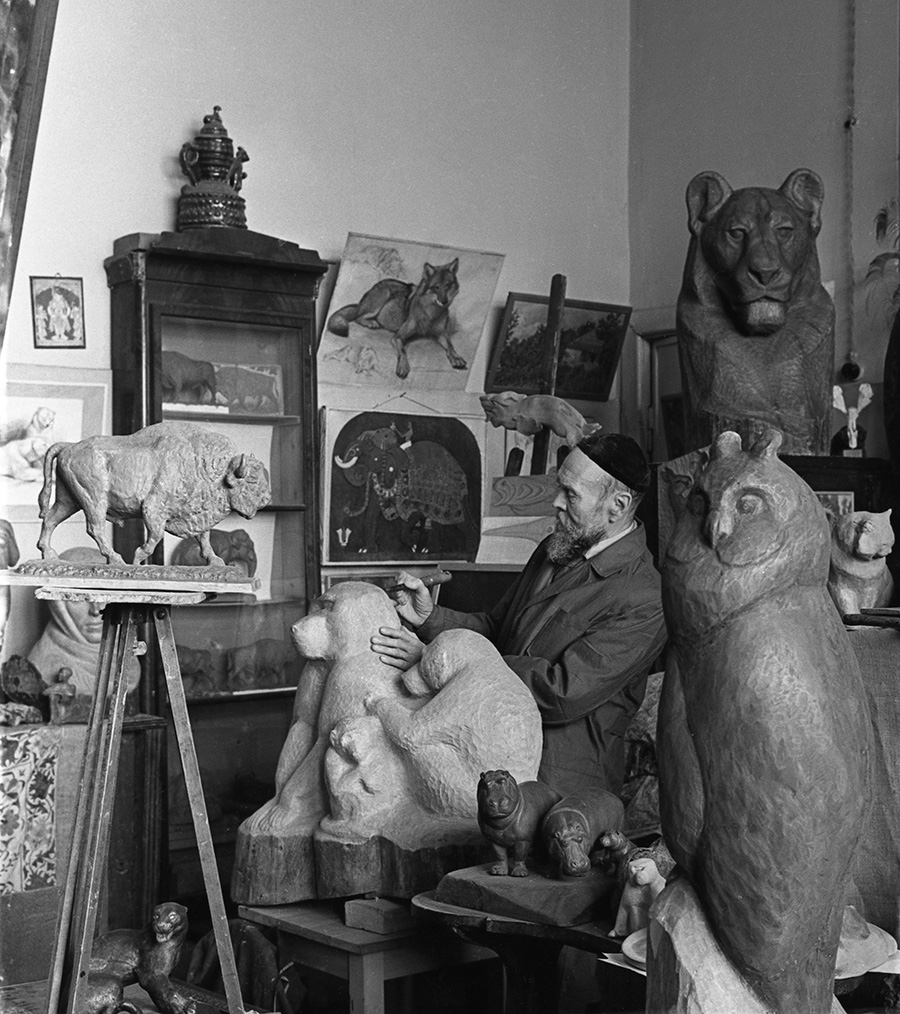
Much of the house remains unchanged today. It doesn't feel like a museum, but rather like a large workshop or studio, whose artifacts tell the story of the Vatagin family.
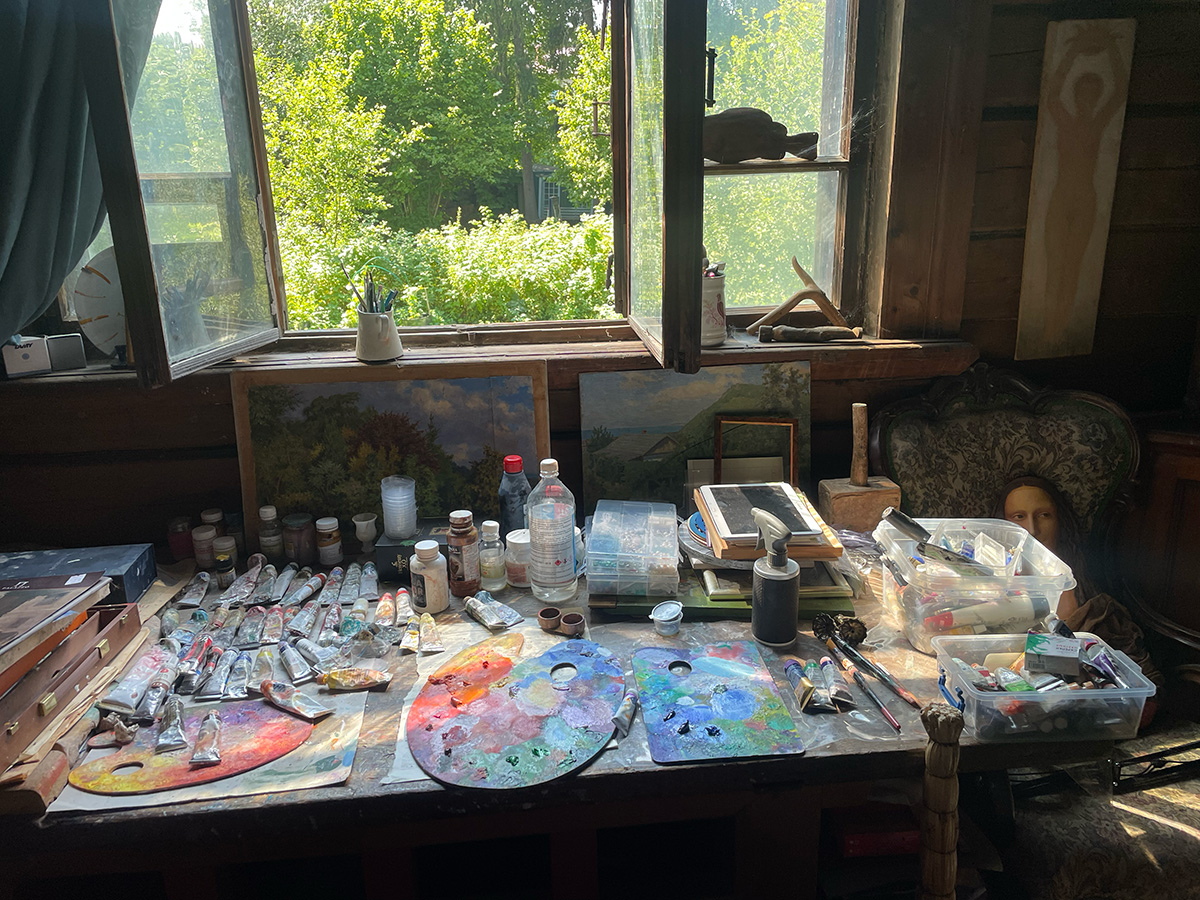
There's a table (designed by the artist himself) with neatly arranged brushes on it, at which he used to work; a portrait of Antonina Rzhevskaya, a member of the Peredvizhniki movement and the artist's mother-in-law, who visited Tarusa every summer; and a photograph of his daughter Irina, an artist and icon restorer, as well as paintings and sculptures by his grandson Nikolai, the current owner of the house. Five years ago, he moved there from Moscow to live permanently: he paints in the winter and works on sculptures in the summer.
City of exiles
In the 1950s and 1960s, Tarusa became a haven for nonconformists and dissidents – who sought to avoid detection by the authorities or, after being imprisoned for political reasons, were barred from settling closer to the capital or in major cities. Joseph Brodsky, on the advice of Anna Akhmatova, temporarily moved there to avoid arrest for parasitism.
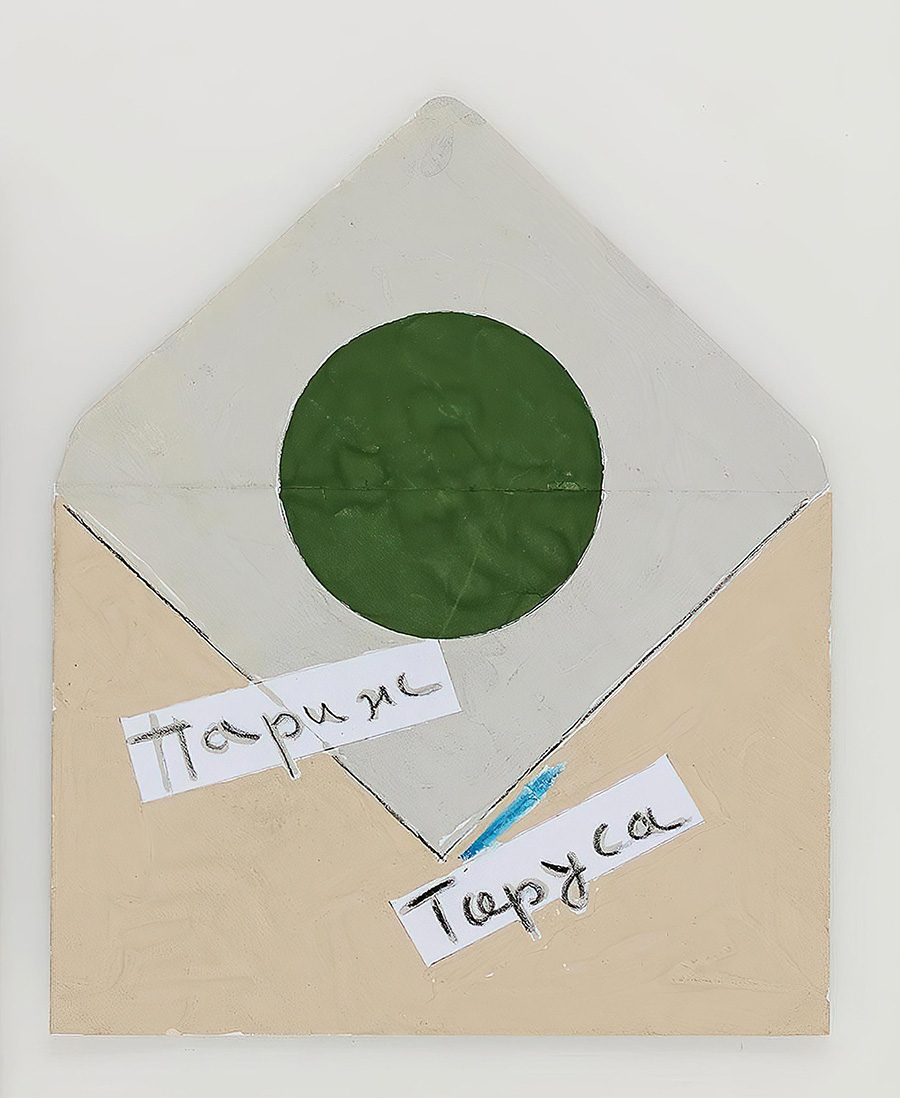
In 1961, the small town became the center of a major scandal: that summer, a nonconformist exhibition opened in the local House of Culture. It didn’t even last a week; after being branded as decadent, it was shut down. Among the exhibitors was Eduard Steinberg, whose life was closely tied to Tarusa. A self-taught artist, he took a keen interest in the legacy of the Russian avant-garde and, in the early 1960s, he turned to abstract painting. In 2016, his widow donated his studio in Tarusa to the state.
*You can learn more about Tarusa's resident artists during the ‘Tarusa Expeditions’, a guided tour project organized by the ‘Maslovka: Town of Artists’ museum center.