
How is the education system structured in Russia?

It’s considered to be one of the best and most accessible in the world.
You can send your child to a free kindergarten before school, a public school from grades 1 to 11 and then, through a competitive process, gain admission to the best universities in the country on a state-funded basis.
Besides the public system, there is also a private education system, from kindergartens to universities. So, parents always have a choice.
Preschool
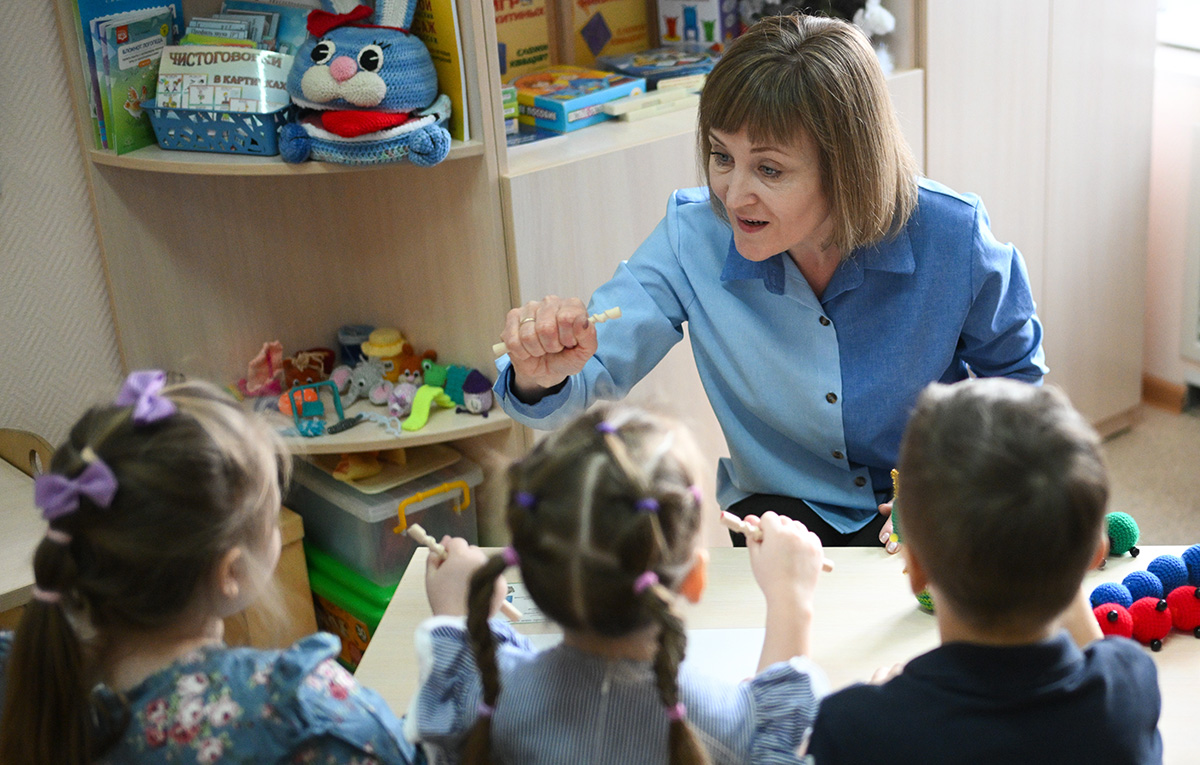
Preschool education is not compulsory. Children up until the age of seven can be raised entirely at home. However, most Russians prefer to send their children to kindergarten, usually starting from age three. There are also nursery groups, which children can attend starting at 18 months and sometimes even earlier.
However, public kindergartens remain the most popular. Children can attend these kindergartens from 7:30 a.m. until 7 p.m. They receive five meals a day, a variety of developmental activities appropriate to their age and the approved program, outdoor walks and an afternoon nap. Kindergarten is virtually free, with only a small meal fee. Unfortunately, public kindergartens cannot accommodate everyone. Admission is by waiting list, with some mothers enrolling their children from birth. Furthermore, groups can be quite large, reaching 30-35 children.
There are also a variety of private kindergartens. These have smaller groups and the range of activities and hours can vary greatly. The obvious drawback of a private kindergarten is always its cost.
School
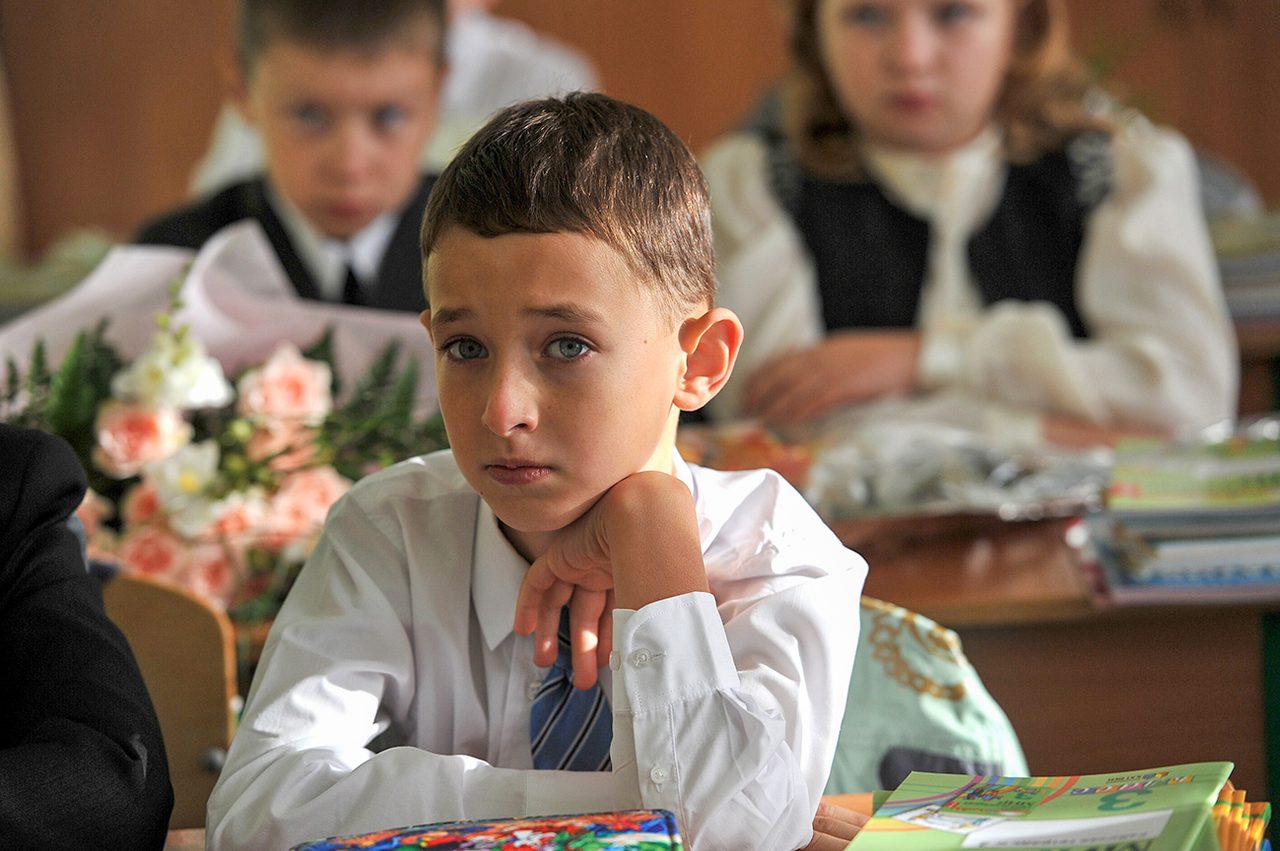
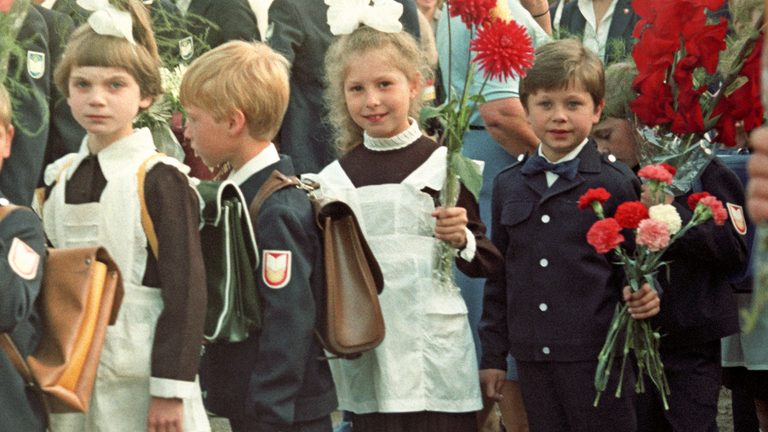
When a child turns seven, parents are required to send them to school. General secondary education in Russia is also free and compulsory. Although school can be completed after 9th grade, vocational schools continue to teach their students general subjects, so it's safe to say that every Russian today, in one way or another, completes the eleven-year secondary school curriculum.
Most schools in Russia are general education, but there are also specialized schools offering in-depth study of one or more subjects, such as foreign languages, mathematics or biology. Admission to these schools requires exams.
Russian schools predominantly offer full-time education, but there are also part-time and part-time options (where classes are attended selectively) and correspondence options (where students appear at school to take exams). Several remote learning options are also available: students in grades 1-9 can remain homeschooled, while in grades 10-11 they can devote time to self-study. For those who learn quickly and don't want to spend the required 10 years in school, there is the option of completing the curriculum externally.
In addition to public schools, there are also private schools in Russia. They are less common and are often a choice for children who have difficulty adapting to public school or who have special needs and interests.
In all schools, children typically learn to read, write and count, as well as become familiar with the world around them, from grades one through four. At the same time, they begin to learn the basics of subjects such as Russian and mathematics, although all classes are taught by the same teacher. Starting in fifth grade, schoolwork becomes more demanding. Russian and math are taught by separate teachers, and subjects such as a foreign language, biology, physics, chemistry, history, and so on are added to the curriculum.
At the end of grade nine, all students have to take the General State Exam (GSE) in mathematics and Russian. They then choose between continuing their studies in grades 10-11 (which provides the opportunity to continue their education at university) or enrolling in vocational schools.
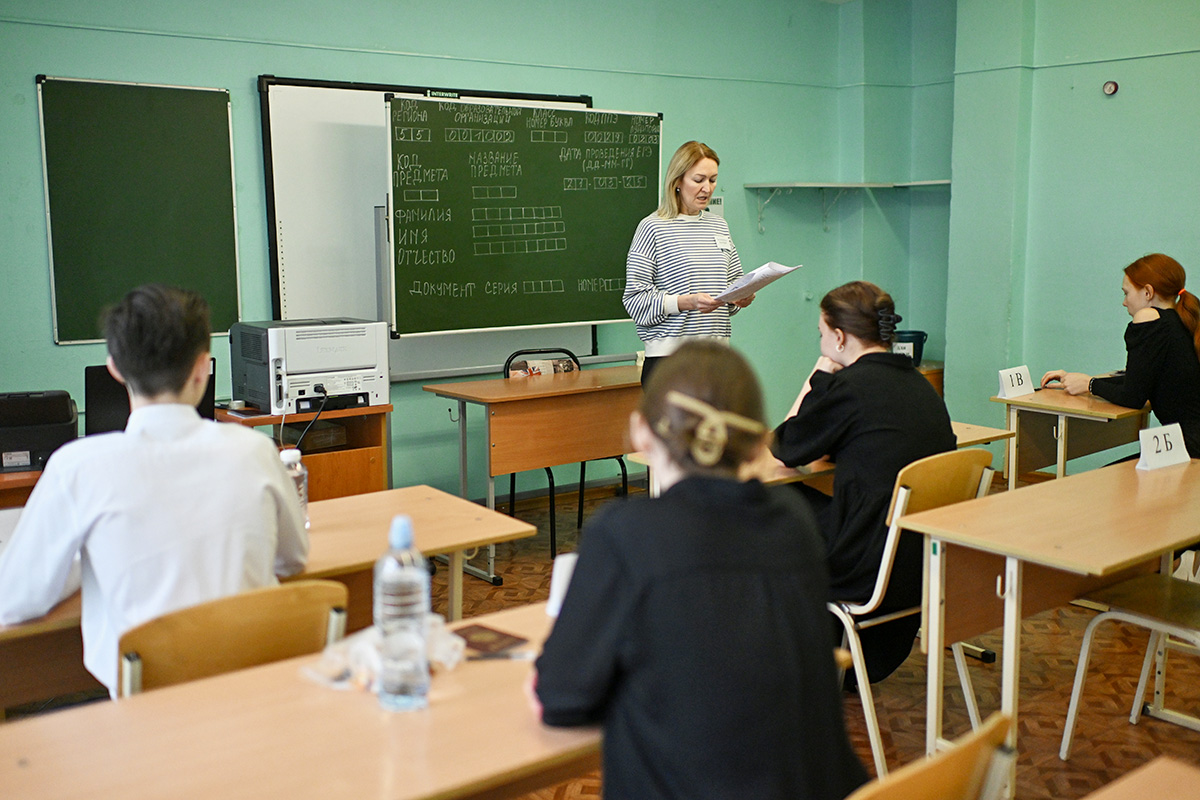
A distinctive feature of the Russian education system is its flexibility. After completing a vocational school, one can still enroll in a university and vice versa. After completing grades 10-11, one can enroll in a vocational school, but the course length is shorter. To enroll in universities after 11th grade, students must pass the Unified State Exam (USE). This typically consists of four subjects. Russian language and mathematics are mandatory for obtaining a certificate that allows students to pursue higher education; the remaining two are optional, depending on the chosen specialty. The maximum score for each exam is 100 points and the results are valid for two years. If you are not satisfied with your USE result, you can retake it later. This allows students to apply to several universities at once and see which one they can get into with their USE score.
Top Russian universities usually have their own entrance exam.
Secondary Vocational Education
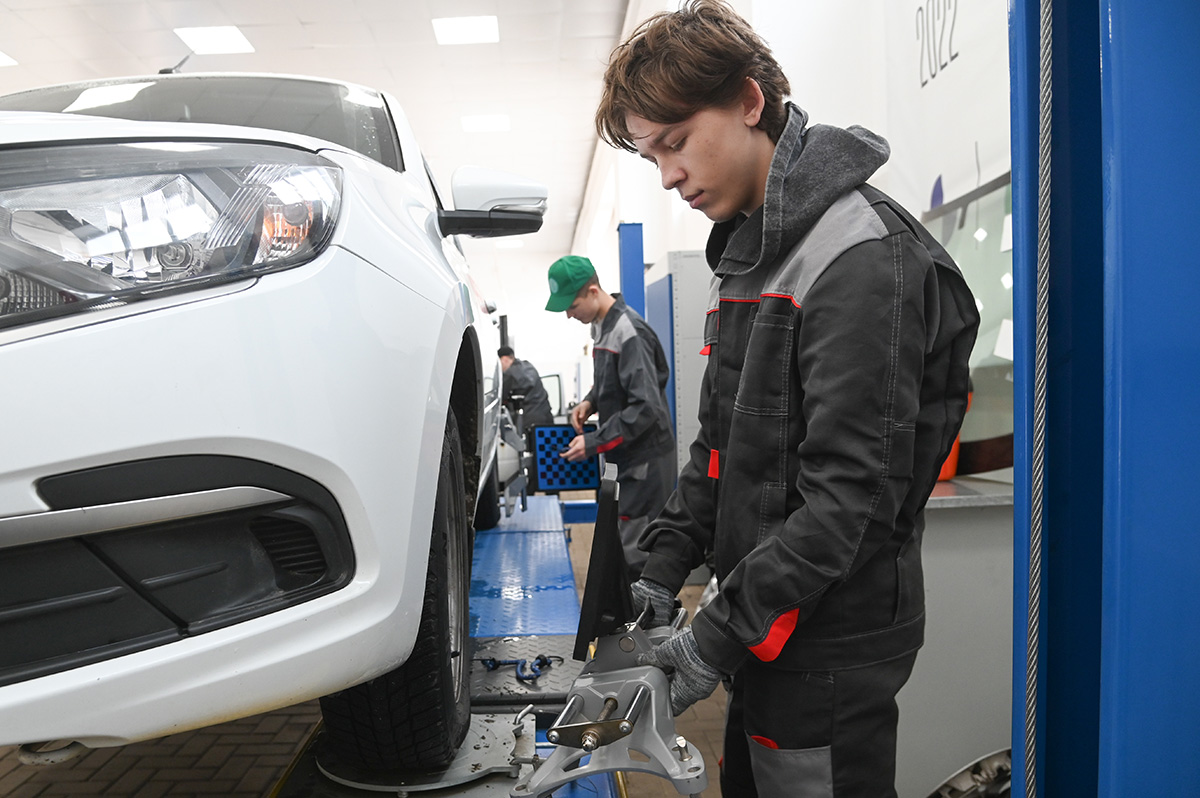
After 9th or 11th grade, you can enroll in a state vocational school (college) or technical school. Tuition is free for most Russian citizens, although admission to particularly popular programs for state-funded places may be competitive. Those who don’t qualify may have to pay for tuition.
Students typically study for 2-4 years and, after graduation, they can find employment or continue their studies at a university. If their chosen profession remains the same, they can take internal exams, rather than the Unified State Exam, to enter the university.
Higher Education
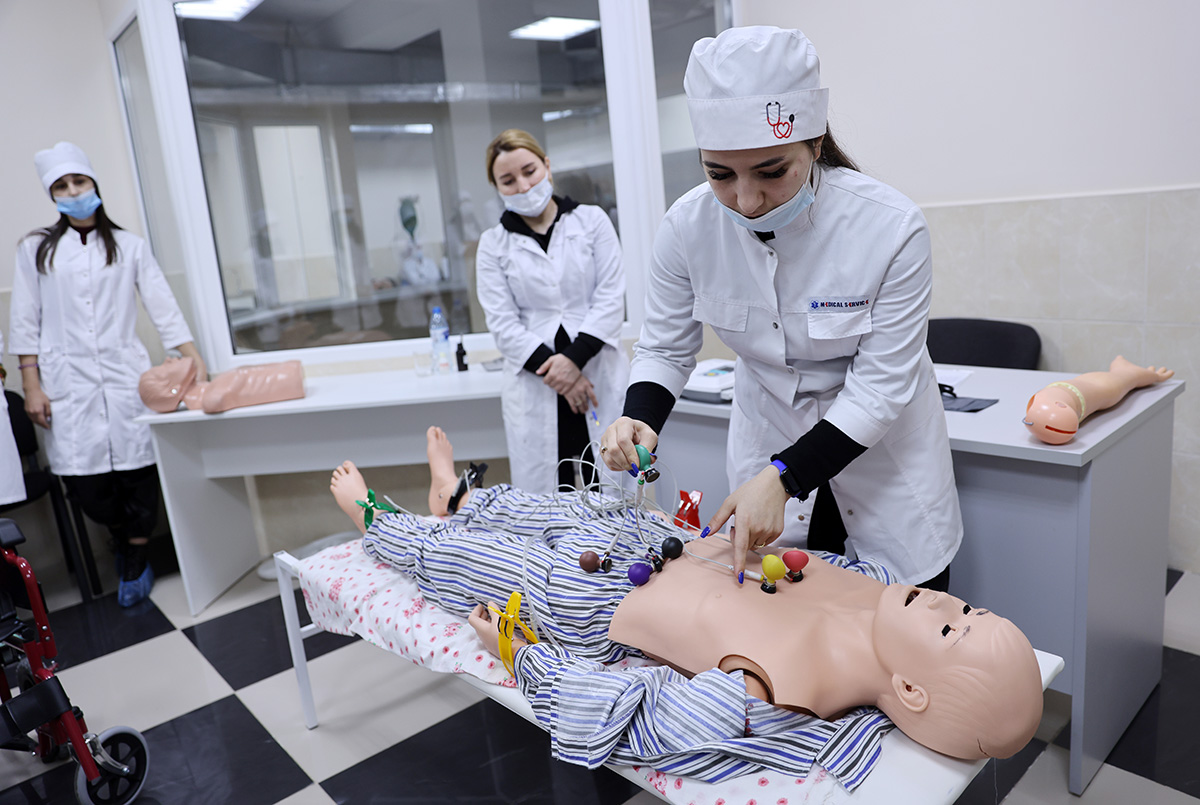
Russian citizens can also receive free higher education. To do so, they must enroll in a state-funded university program through a competitive process. Those who fail to achieve the required scores may still have the option of studying on a fee-paying basis.
University admission is based on the results of the Unified State Exam, although top Russian universities may also conduct their own exams.
The passing score for state-funded places at the most prestigious universities can be very high. For example, to study free at MGIMO, students often need not only a 100-point average for each of the four exams, but also to have achievements in their background that earn additional points, such as winning national Olympiads, a gold medal, volunteer work in high school and so on. Universities offer full-time, part-time (while working during the day) or even distance learning programs. However, most prestigious universities and many majors require full-time study. Part-time and part-time students do not receive stipends, are not provided with dormitory accommodation and cannot defer military service.
There are many higher education institutions in Russia (approximately 900 public and 300 private), so obtaining a higher education, including a free one, is quite feasible.
Some time ago, Russia attempted to introduce the Bologna system of higher education (undergraduate and graduate degrees), but it was deemed ineffective in the Russian context and universities are gradually returning to their traditional curricula.
Additional Education
In addition to school and university curricula, there are also optional and supplementary classes in clubs, clubs, music schools and art schools for children and adults of varying degrees of seriousness. Lifelong learning in Russia is possible, including obtaining a second or third higher education degree. However, you can only get the first one for free.