

How a foreigner can study for FREE at a Russian university in 2026

Russia has quotas for students from different countries. We explain how to choose a field of study and apply to a university.
What is a student quota?
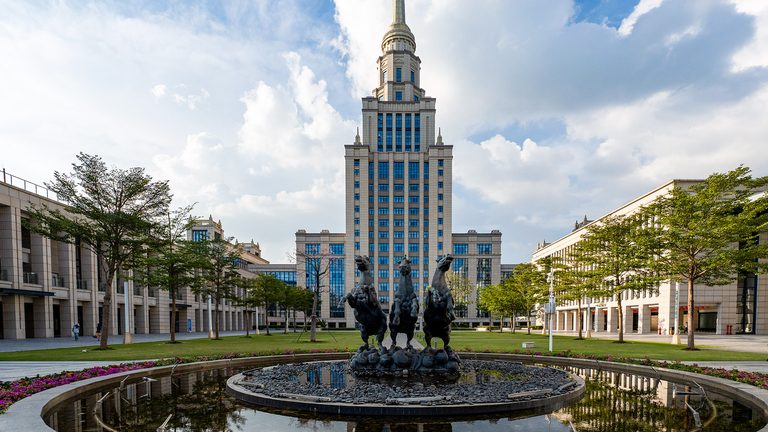
In Russia, over 500 universities are ready to accept and educate foreign citizens under the government quota, which amounts to 30,000 places annually.
Foreigners can apply to various levels of higher education: not only undergraduate and specialist programs (4 and 5 years, respectively), but also master's and postgraduate programs (2 and 3 years).
To qualify for the quota, you need to submit documents on the Education in Russia website and successfully pass the entrance exams of your chosen university.
You can view the list of universities and learn more about each one on the Ministry of Education and Science website, as well as on the Education in Russia website. Meanwhile, we’ve highlighted the 10 most popular ones here.
Application submission begins almost a year before the start of studies: In September 2026, you can already apply for the 2027/2028 academic year. The application deadline for the quota is in January-February.
How to apply

1. First, register on the Education in Russia website and create an account under your real name.
The system will prompt you to fill out a form, where you will need to provide your first name, last name, place of birth and so on.
2. The next step is to apply for studies. You need to choose six universities where you would like to study. Be sure to rank them in order of priority, with 1 being your most desired choice.
Please note that a foreign student can choose no more than two universities in Moscow, two in St. Petersburg and no more than three in a single federal district of Russia.
3. Be sure to indicate your level of Russian language proficiency.
4. Describe your achievements: language skills, wins in olympiads, sports awards, etc. You can attach links to your portfolio and other files confirming your achievements.
5. Now attach the documents: a completed application form, a scan of your passport, a scan of your education documents, as well as a completed consent form for the processing of personal data. Then, you will need to review the application again, print it, sign it and upload a scanned copy. Feel free to submit it and monitor the status of your application.
How the selection process works

The exams for each specialty are, of course, different. Generally, you can take them online or at a Russian embassy or a ‘Russian House’ (these are organizations of ‘Rossotrudnichestvo’ – the Russian state agency responsible for non-military foreign aid and cultural exchange).
However, not all universities conduct tests remotely – you may have to fly to Russia and take them together with all other students.
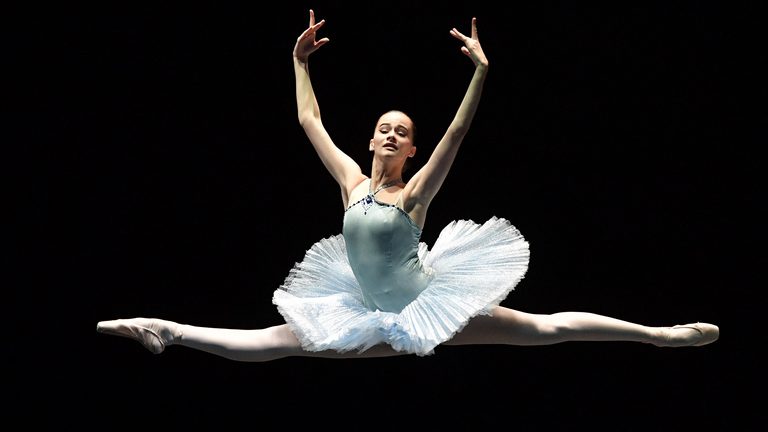
Additionally, there are additional competitions for creative specialties (for example, if you want to become a ballet dancer or an actor).
If you need to come to Russia, don't forget to apply for a one-month study visa.
You will receive the results in your personal account.
How the study process works

After this, you receive an invitation to study and can apply for a study visa for the duration of your studies and then, once in Russia, for a temporary residence permit for education (TRP). The university will assist you with all of this.
If you don't speak Russian at all, you will need to complete a preparatory course before starting your main specialty program. If you have a good level of the language, your studies will begin the same year you apply.
Students studying under the quota receive a small stipend – about 1,600 rubles (~$20) per month. This is roughly the cost of a university dormitory (accommodation is provided if available). The stipend is paid onto a Russian ‘MIR’ bank card in rubles (you can get one directly at the university or a local bank office).
You can increase the payments by participating in various university projects and events. In general, you need to be active and study well.
By the way, with a student visa, you also have the right to work part-time in Russia during your free time. If you have a year of relevant work experience by the time you graduate or if you graduate with honors, you can later apply for a residence permit in Russia through a simplified process.