

How can a foreigner enroll their child in a municipal kindergarten (preschool) in Russia?
What steps are required?
In Russia, children of foreign nationals are also eligible for a place in a municipal kindergarten (or preschool), provided they have registration and documents confirming their legal residence in the country (temporary residence permit, permanent residence permit and/or other documents).
Most municipal kindergartens in Russia operate from 7:00 am to 7:00 pm, Monday through Friday. The children’s daily schedule includes activities designed to develop their intellectual and creative abilities, as well as walks, physical activity, nap time and meals.
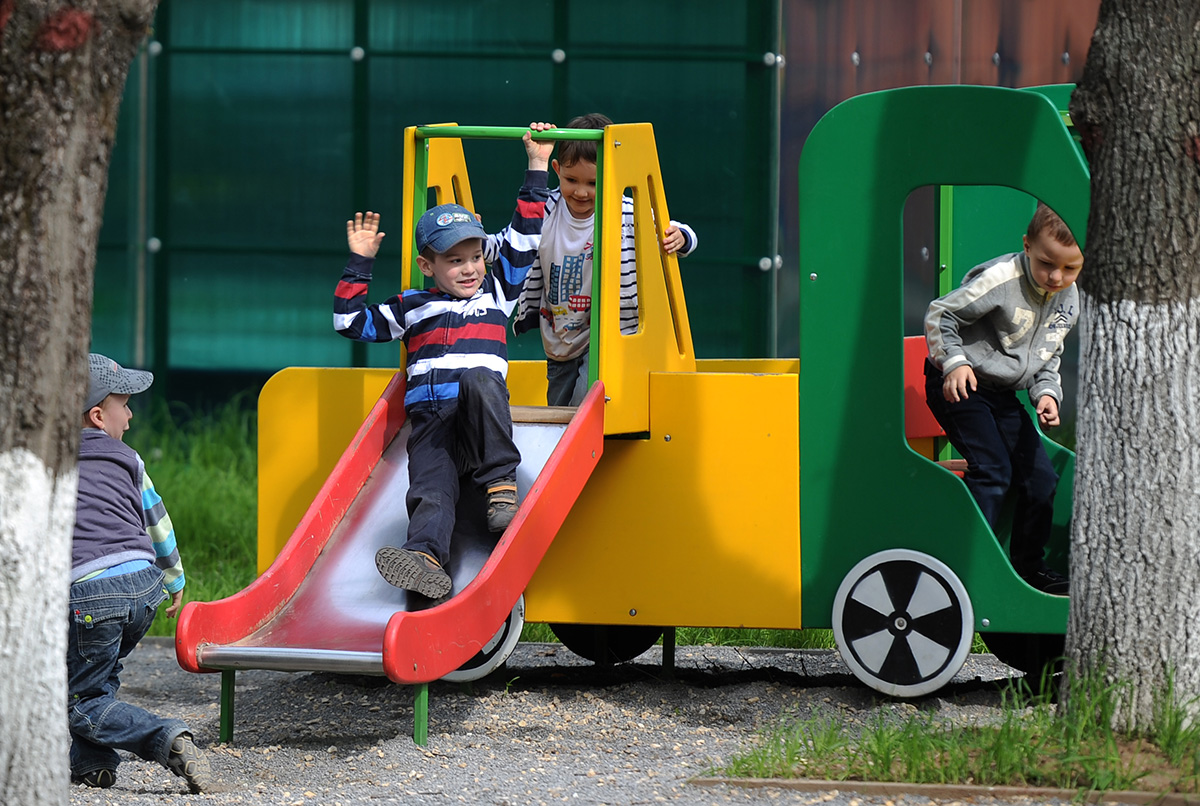
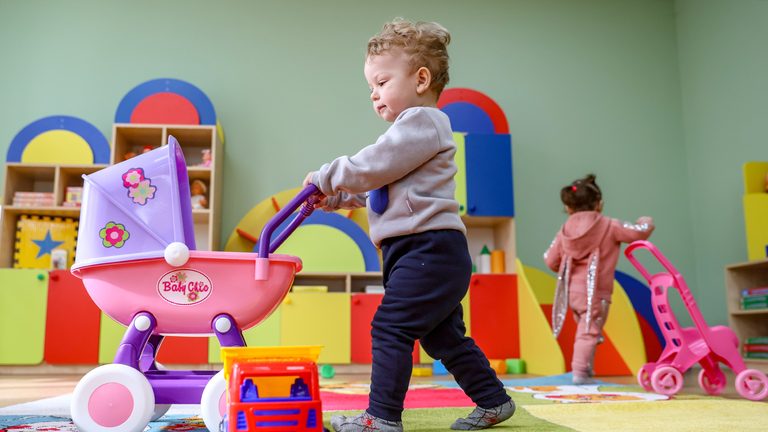
Kindergartens are typically divided into groups – separate spaces for children of a certain age, each with its own changing room, playroom, bedroom, bathroom and kitchen. Children spend most of their time in the group with a teacher and an assistant, except during music, physical education and extracurricular activities.
The program and duration of activities depend on the children’s age and comply with ‘SanPiN’ (Sanitary Rules and Regulations). Classes focus on cognitive and artistic development (sculpting, drawing, construction, etc.), while children are introduced to letters as part of their speech development.
A mandatory two-hour nap is provided during the day, preceded by a walk in fresh air in a separate area designated for each group. The content and types of activities may vary depending on the specific kindergarten.
When planning their menus, kindergartens also follow ‘SanPiN’ guidelines: the menu must be balanced, take into account the age-specific needs of the children and include cereals, soups, meat, as well as fresh vegetables and fruits every day.
During the summer, kindergartens typically switch to a health-improving regimen – children spend more time outdoors and classes take on a more relaxed format, with the focus shifting to active play and creativity.
Types of enrollment
Preschools and kindergartens offer various enrollment options, depending on the child's age.
Nurseries (2 months-3 years) are full-day groups with developmental activities aimed at developing speech, refine motor skills and self-care skills. However, not all kindergartens offer nursery groups and groups for children aged one or one and a half years are typically more common.
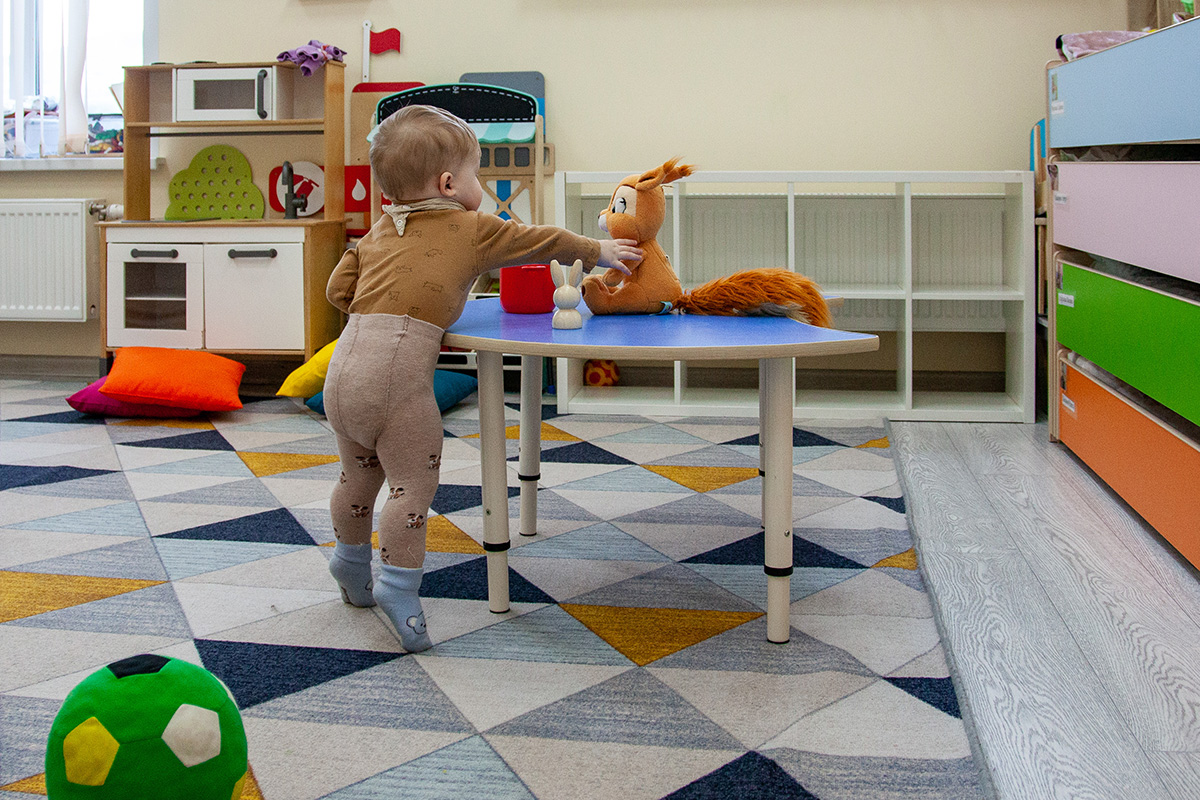
Kindergarten (preschool groups, ages 3-8) is the primary care format for children. Children attend the facility full-time, receive five meals a day and participate in educational activities, including optional classes.
Short-term care group (ages 1.5-3/4 years) is a short-term attendance format designed primarily to help children adapt to kindergarten. Children stay at the facility for a few hours a day without a full meal plan. Such groups are also not available at all preschools.
How to enroll in a municipal kindergarten or preschool
To enroll a child in a kindergarten or preschool, a foreign citizen must submit an application to be placed on a waiting list. There is no deadline for submission. This can be done:
- Online via the ‘Gosuslugi’ portal (a verified account is required)
- On the regional government services portal. For example, Moscow residents can register their child at mos.ru, while residents in Moscow Region can register their child on uslugi.mosreg.ru.
- At any ‘MFC’ (the service is free; registration is completed via the ‘Gosuslugi’ portal or regional websites. ‘MFC’ staff will assist with the registration and provide advice if necessary).
- In person at the education department of the local administration.
When submitting your application, you must provide your child's information, select up to three kindergartens (or preschools), specify the group's focus and attendance schedule, as well as indicate the desired enrollment date (the child must be at least two months and no more than seven years old at the time of enrollment).
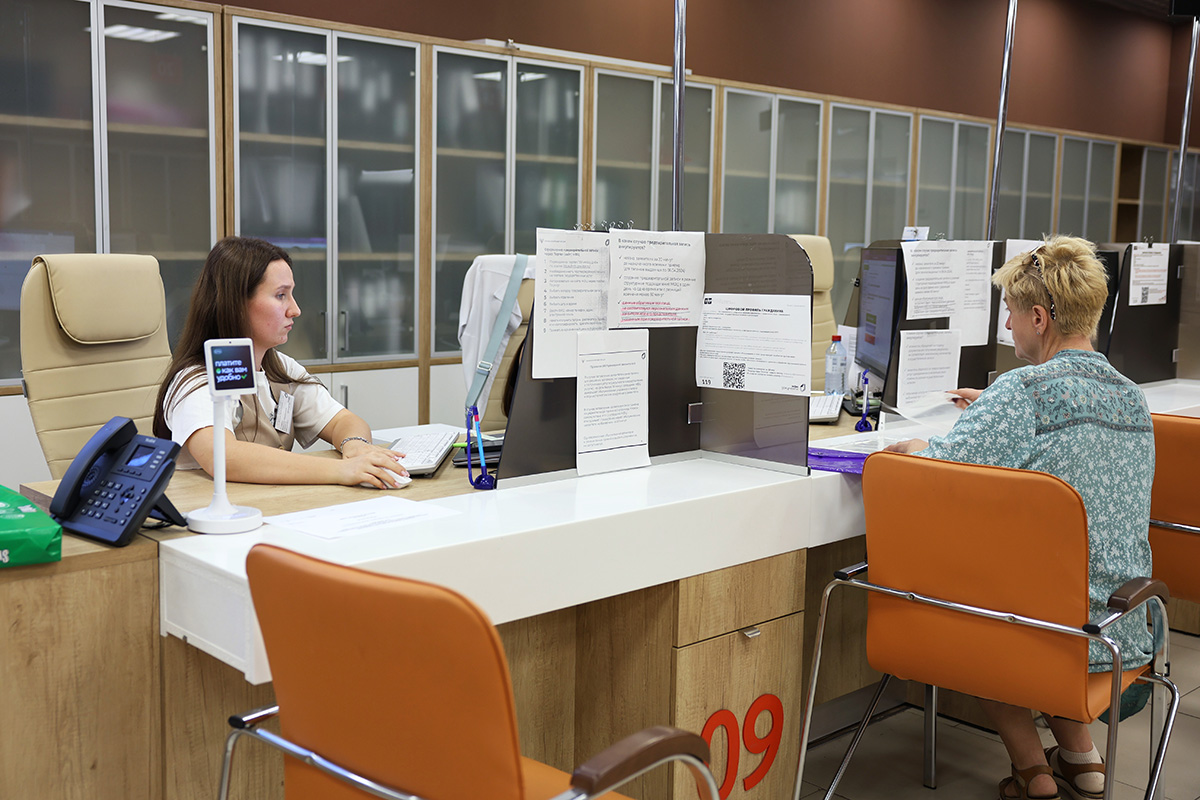
You will need to provide the following documents (scanned copies if applying online):
- Parent's or other legal guardian's international passport
- A document confirming the parent and child's right to reside in Russia (residence permit, temporary residence permit, refugee certificate, etc.)
- Your child's birth certificate
- ‘SNILS’ (parent and child)
- A document confirming the child's place of residence (e.g., temporary registration)
All foreign documents, including the birth certificate, must be accompanied by a notarized translation in Russian.
If your child requires a place in a health group, you must provide a doctor's recommendation. If you qualify for benefits that entitle you to priority enrollment (for example, for large families), you will also need the supporting documents.
The waiting period for a place may vary, depending on the region's workload. If you need to urgently enroll your child in a kindergarten or preschool, you can submit an application to the District Department of Public Education – each application is reviewed individually. If there are no available spots at the selected kindergartens, the department may offer spots at other preschools in the district.
You can track the status of your application in your personal account.
A spot has been provided, now what?
When your enrollment date comes up, you will receive a notification and the preschool administration will usually contact you.
You must submit a written application for admission within the specified timeframe and provide the kindergarten with a medical record (form 026u; this can be obtained at a local clinic or a private clinic) containing the results of medical examinations, test results and vaccination records, as well as a set of documents, including a compulsory medical insurance policy. The list may vary slightly depending on the institution, but, generally, includes the documents submitted when joining the waiting list.
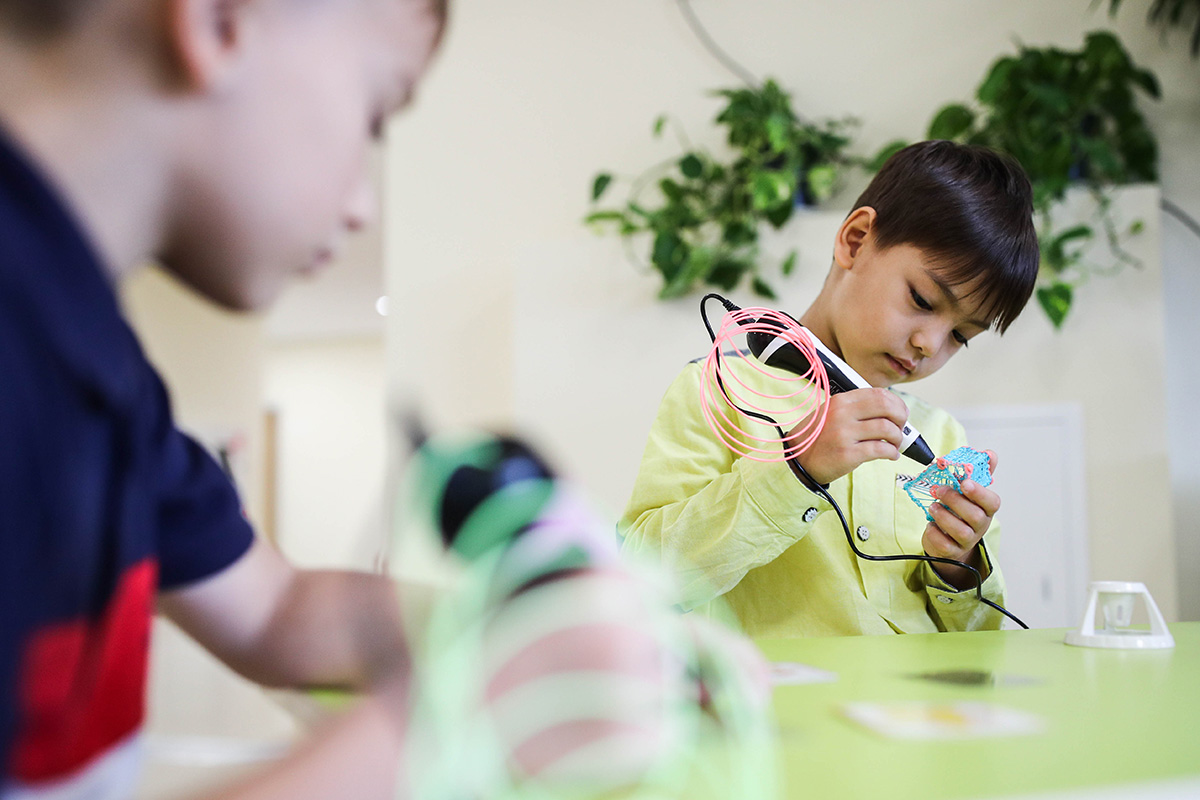
In addition to core classes, kindergartens may also offer paid services, such as sports clubs, drawing, dance classes and other activities. The decision to attend these activities is up to the parents.
How much does kindergarten/preschool cost?
The cost of attending municipal kindergartens in Russia varies by region. For example, in Moscow, as of January 1, 2025, the parental fee for 12 hours of attendance is approximately 4,620 rubles per month (approx. $61.50), while, in St. Petersburg, the parental fee has been abolished since 2024.
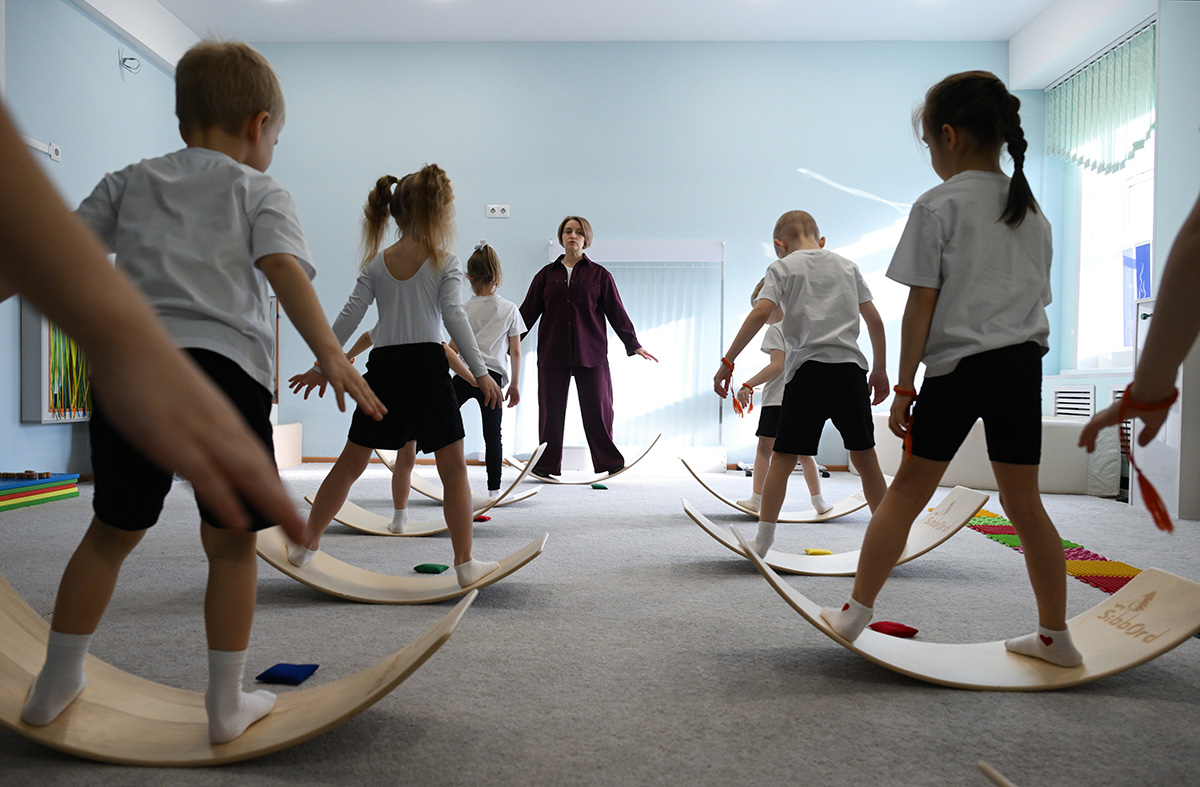
The cost of additional activities in kindergartens varies depending on the program and region and is paid for on-site. However, these fees are generally modest.
Kindergartens may also offer paid cultural and leisure activities, such as traveling theater and circus performances, trips to planetariums and other extracurricular events. Parents decide whether their child will participate in these activities.