

Personal experience: How much does it cost to study & live in Russia for an int’l student?
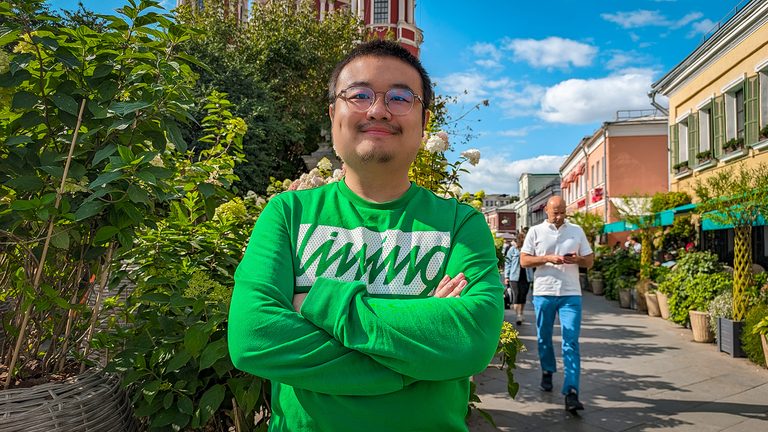
Our Chinese editor shares his story.
When I was packing my bags in Harbin, my family and friends slipped a pack of instant noodles and an envelope into my backpack. The envelope read: "For your studies. And don't you dare go hungry!" Now, almost a year into my Master's program at the Faculty of Journalism at Lomonosov Moscow State University, I understand: you really won't go hungry in Russia if you figure out where the money goes right away. I'll try to avoid boring tables, but instead provide some concrete figures.
The geography of the ruble: How much does it cost to study at university?
In this sense, Russia seems like Chinese cuisine: In Beijing, duck costs one price, but, in a small Sichuan eatery, it's quite another. It's the same in Russia. It all depends on whether you see yourself against the backdrop of the Kremlin or the Ural Mountains.
If you go to Tomsk or Nizhny Novgorod, a year at university will cost approximately 210,000-500,000 rubles (approx. US$2,800-US$6,700). A pittance compared to a college in the United States. If your goal is a degree from Moscow State University, MGIMO or the HSE in St. Petersburg, be prepared to part with between 540,000 and 1.25 million rubles (approx. US$7,200-US$16,700) per year and if you're also pursuing English-language programs, it could be up to one and a half million rubles (approx. US$21,000). Yes, a Moscow "brand" is expensive. But, such a degree is also held in higher esteem in the labor market, especially in Asia.
A special life hack for the most discerning: there are regional branches of top universities. The same HSE in Perm costs almost half as much as in Moscow and everyone receives the same diploma!
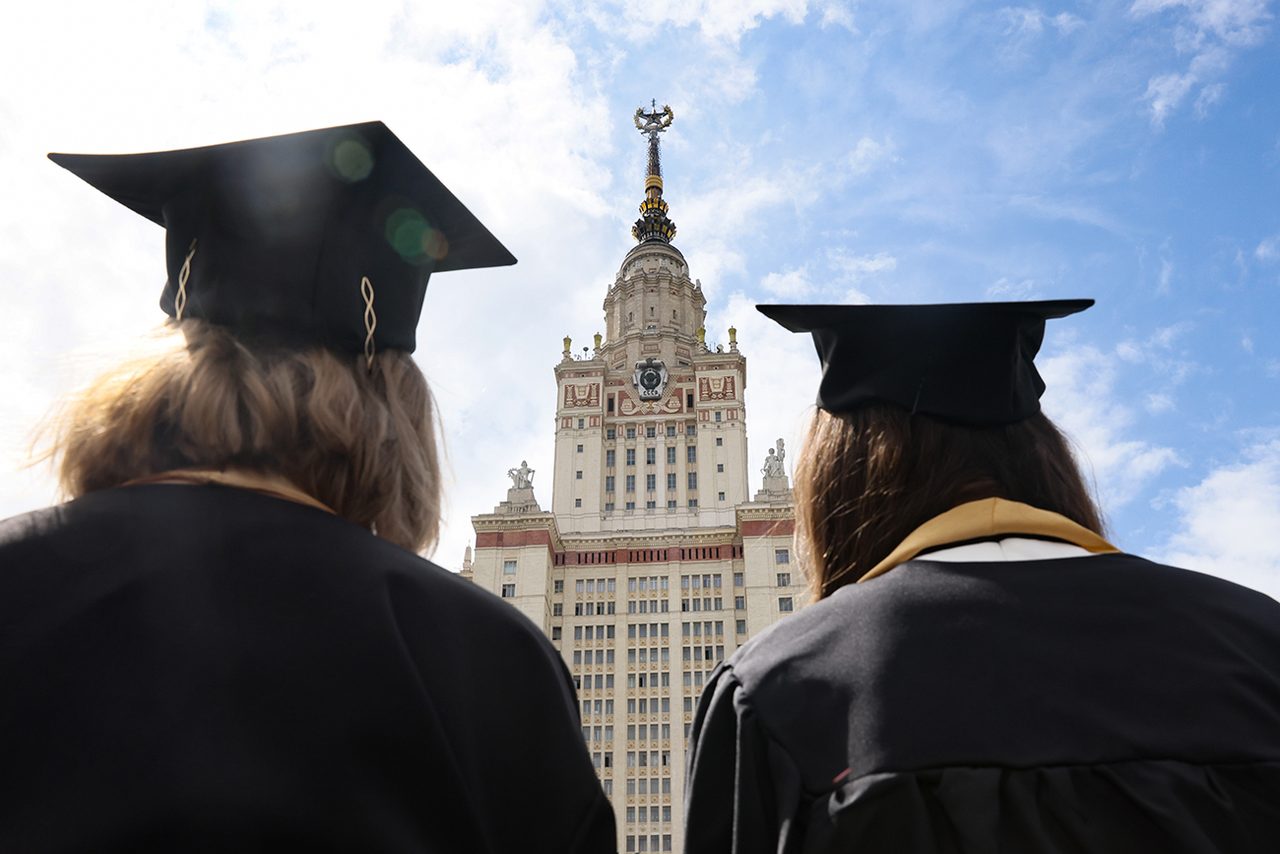
To give you a better idea of the difference, here are some benchmarks for international students for the 2025/2026 academic year:
- Moscow: Moscow State University (humanities) – from 540,000 rubles (~US$7,220)
- Law School - from 720,000 rubles ($9,624), HSE – from 560,000 rubles (~US$7,485)
- St. Petersburg: Saint Petersburg State University – from 307,300 rubles (~US$4,107), HSE-SPb – from 450,000 rubles (~US$6,015)
- Kazan: Kazan Federal University – from 175,920 to 439,980 rubles (~US$2,351 to US$5,882), depending on the program
- Novosibirsk: NSU – from 450,000 rubles (~US$6,015).
- Tomsk: TSU – from 216,300 to 427,400 rubles (~US$2,890 to US$5,715).
As you can see, the difference between the capitals and the regions is two or even three times. And that's just the beginning.
Where to live: from the ‘DAS’ to a communal apartment
This is the biggest headache after the Russian language exam.
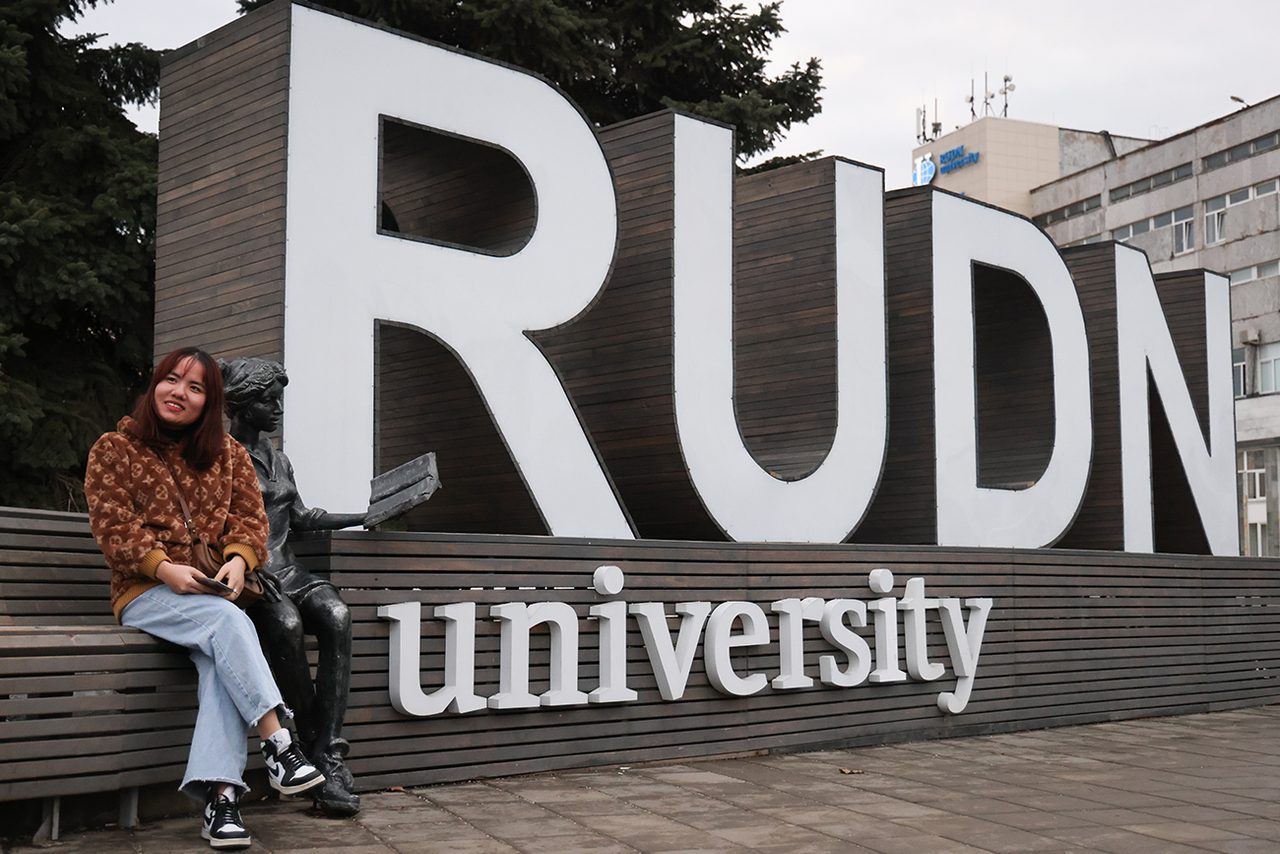
Scenario one, budget. A dormitory. In the regions, a bed in a triple room costs 1,630-2,060 rubles (~US$22-US$28) per month. In Moscow, for example, at the legendary DAS (Graduate Student and Intern House) of Moscow State University, the price for a shared bathroom is 120 rubles (~US$2), while at the FDS (Branch of the Students' House) it's 7,140 rubles (~$96). It's cheap, cheerful, and fun. In the kitchen, you'll teach your Arab neighbors how to fry dumplings, and they'll teach you how to make cardamom coffee. A cultural exchange on a budget.
Scenario two, the "adult" variant. Renting an apartment. This is where the real Moscow blues begin. For a one-room apartment in a residential area, a 40-minute subway ride from the university, you'll pay between 47,000 and 87,700 rubles (~US$629-US$1,172) per month. In St. Petersburg, the same apartment would cost 15,000-60,000 rubles (~US$200-US$800). In Kazan, you can find a similar apartment for 18,000–65,000 rubles (~US$240-US$870) and, in Tomsk, it's as low as 15,000–54,600 rubles (~$200-US$730).
My advice: don't rent alone. Find a roommate among Russian senior students. You'll give them peace of mind and they'll give you help with the contract and help you understand why your hot water was turned off.
Food: Buckwheat, shawarma and the rice crisis
The first thing I did in Moscow was find a "Chinese Food" store on Profsoyuznaya Street. Life was bland without soy sauce. But, if you stick to local fare, Russia is a paradise for the frugal.
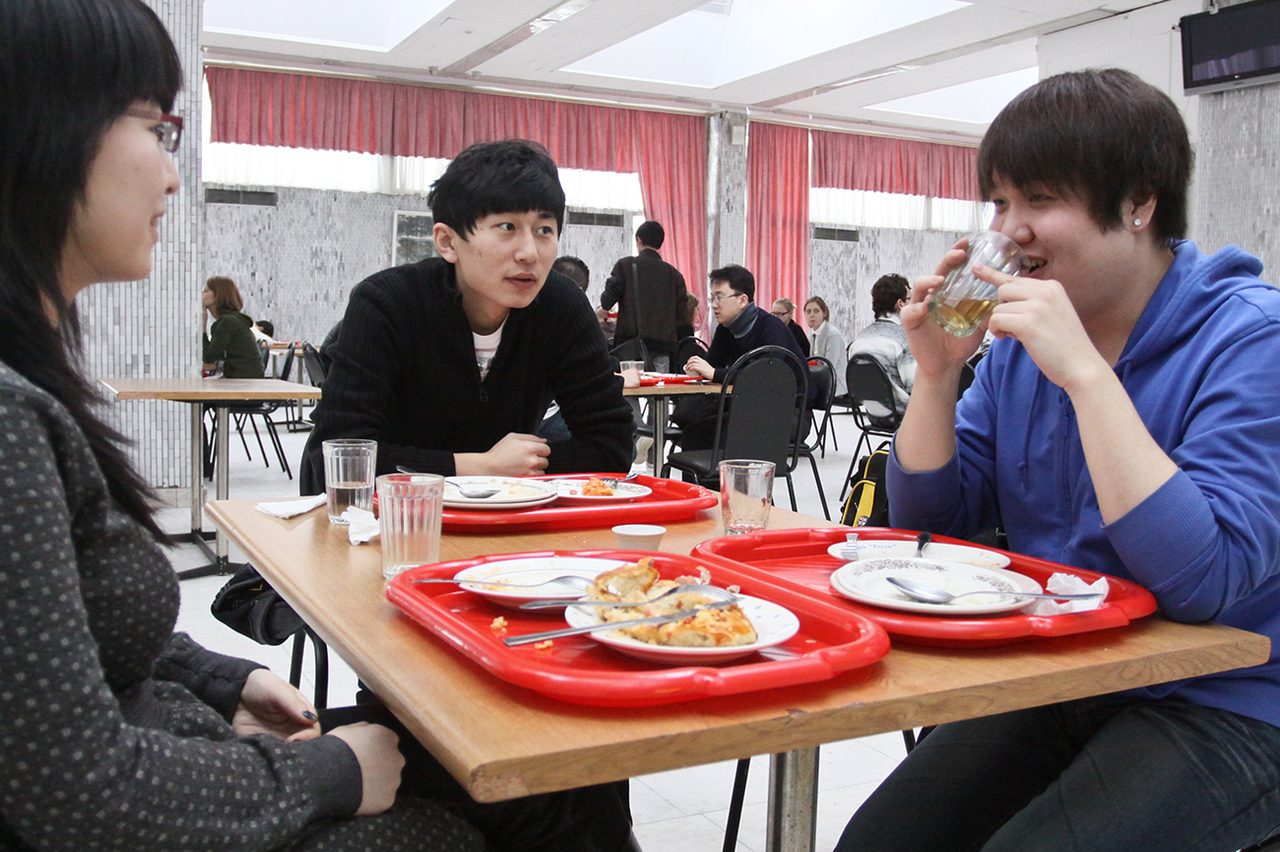
Cooking for yourself is ridiculously affordable. If you stick to a diet of "vegetables, chicken and grains," your monthly bill at ‘Pyaterochka’ (a chain of budget grocery supermarkets) or at the market will be 8,000-12,000 rubles (~US$107-US$160). If you eat at the Moscow State University student cafeteria (the food there is delicious and the portions are huge), lunch will cost you 250-350 rubles (~US$3.50-US$4.70). And, if you're feeling down and lazy, the 24-hour shawarma bar is a lifesaver for 250 rubles (~US$3.50). It'll feed you and remind you that you're still a student!
Transportation: Why take a taxi when the subway feels like a palace?
I love the Moscow Metro subway system. No, really! Trains run every 90 seconds and the stations are like museums. A monthly student pass costs 985 rubles (~US$14) and, if you need to travel around Moscow Region, 1,390 rubles (~US$19). That's endless travel around this huge city. In China, in large cities like Beijing or Shanghai, a monthly student pass costs about the same or a little more, but the Moscow Metro is, subjectively, cleaner and faster.
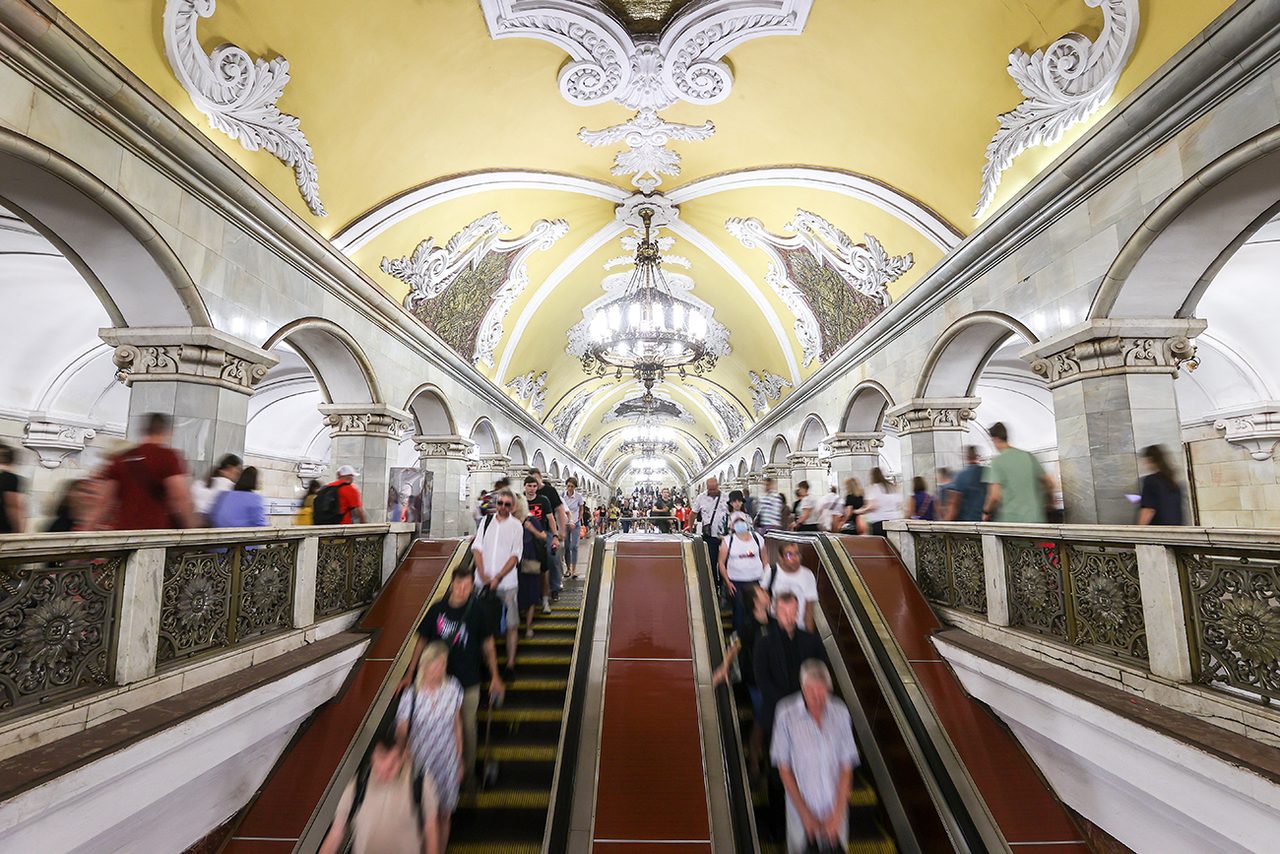
In the regions, if the city is compact (like Tomsk or Yaroslavl), you can generally get by on a bus or minibus – about 40 rubles (~US$0.54) per ride.
Medicine: Voluntary health insurance as a passport to a world of healthy nerves
For us foreigners, Russian medicine operates on the principle of "Pay for insurance and sleep soundly". It's inexpensive, but essential. Voluntary health insurance (VHI) costs around 5,000-12,000 rubles (~US$67-US$160) per year. It protects you from annoying things like colds, the flu and sudden sore throats.
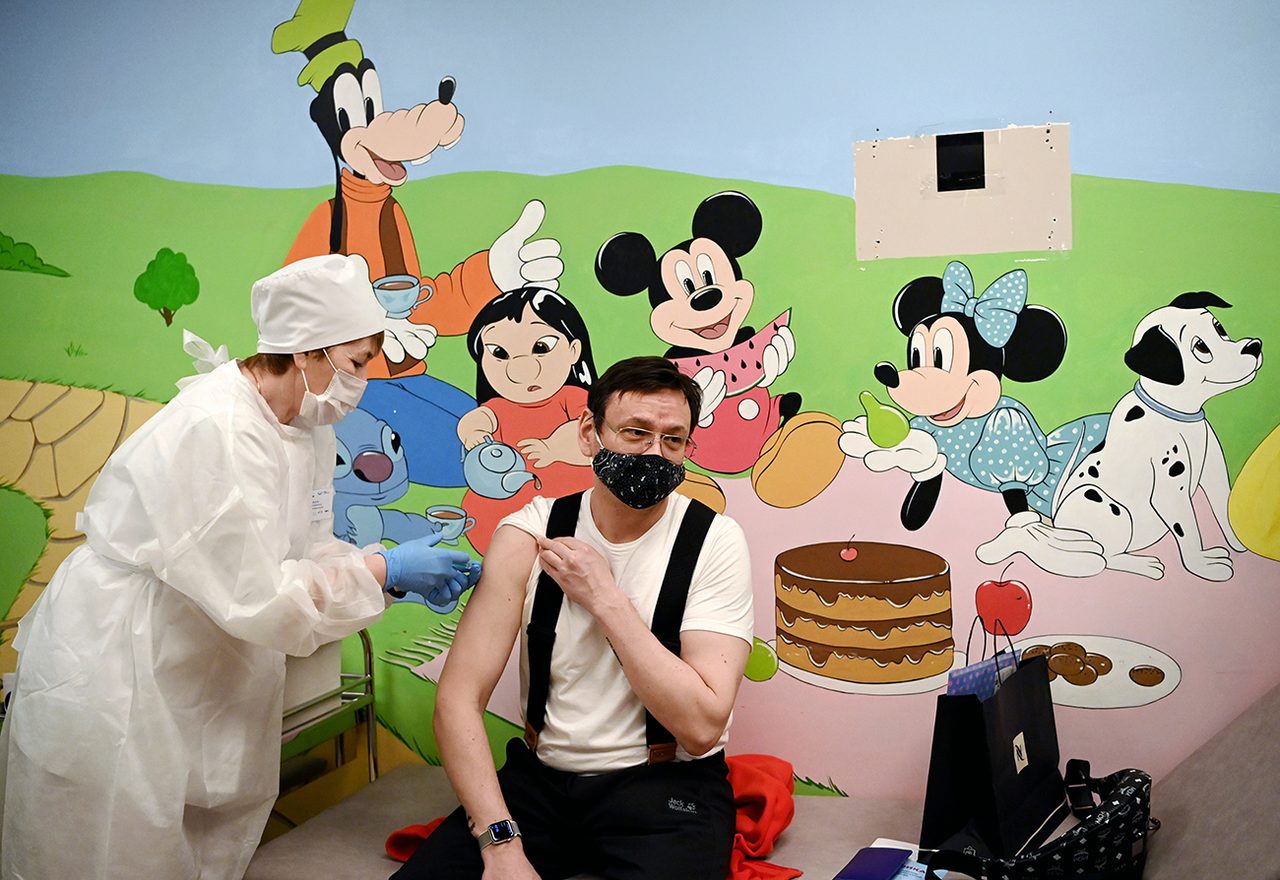
What's included? A doctor's home visit, a clinic appointment (yes, you'll have to wait in line, but it's free!) and basic dental care. What can you expect from Russian medicine? Strictness. The doctor won't coddle you, but he'll give you the right diagnosis. A friend of mine from India was hospitalized with a fever. She was shocked that they gave her an IV and ran all the tests without asking for cash "straight into her pocket".
Russia vs. the world: Where's the wallet crying louder?
I’ll be honest. Europe is tempting, but the price is naturally different. Germany: Tuition is relatively free, but, for the semester fee plus accommodation, insurance and food, expect to spend at least US$4,000 per month (for comparison, approx. 300,000 rubles). Over the course of a year, this amounts to a similar amount to a fee-paying Moscow university and apartment rent, but, in Russia, you at least have the chance to get a discount on dorms and save money.
France (Paris): Rent for a tiny studio apartment in the 15th arrondissement will cost €700-€900 (~US$820-US$1,100 USD or ~61,350-82,300 rubles). The monthly budget approaches €1,300-€1,500 (~US$1,520-US$1,750 USD or ~114,000-130,000 rubles). This is already significantly more expensive than living in the average Russian city with a population of over a million.
Asia (China/Japan/Korea): If you're going to Seoul or Tokyo, housing prices will be comparable to Moscow and sometimes higher. Tuition at a good private university in Japan ranges from 1.3-2.1 million yen (~US$$8,140-US$13,149 or ~609,570-984,690 rubles) per year.
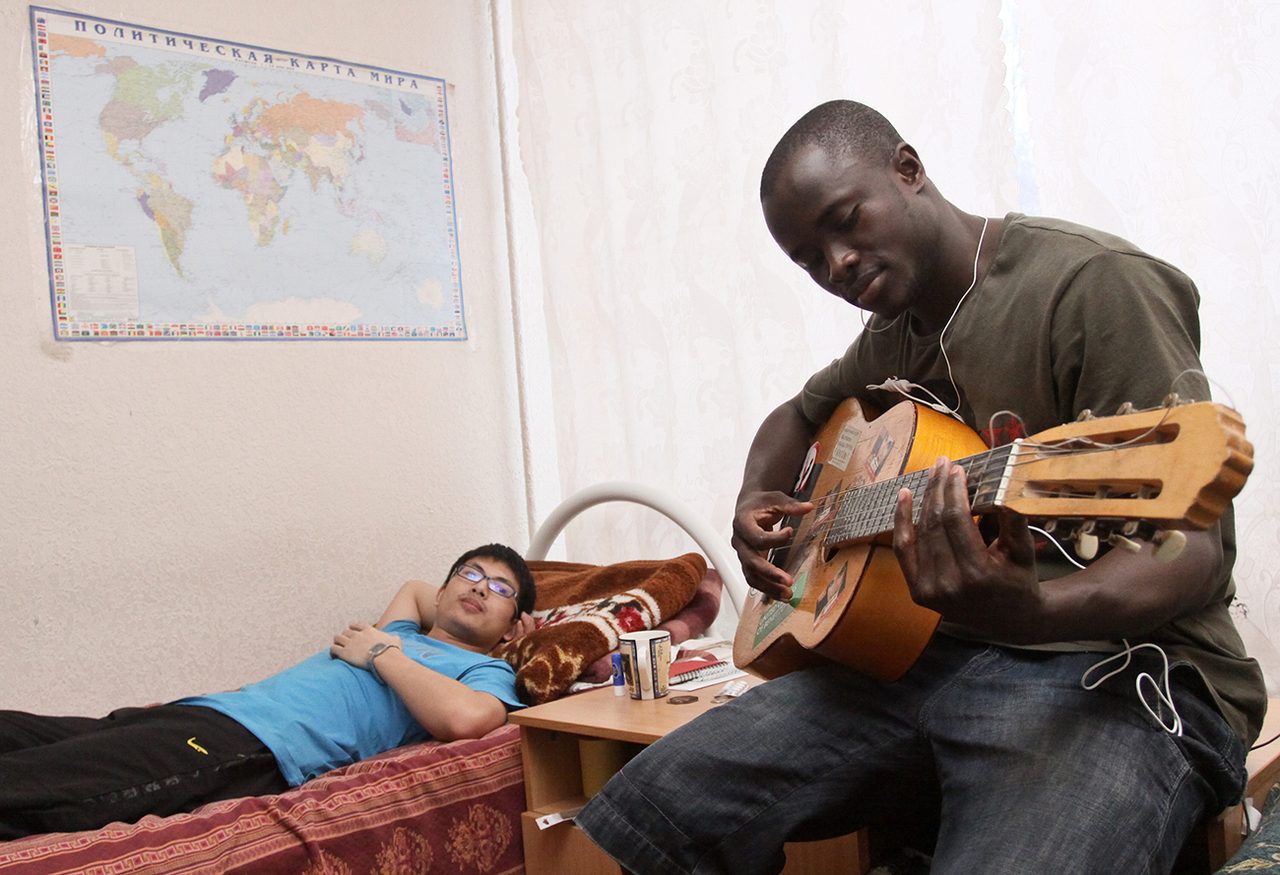
Bottom line: A year in Moscow, studying at a top university and living in a dorm, will cost you approximately 600,000-800,000 rubles (~50,000-65,000 yuan or ~€8,000-€11,000). This is 2-3 times cheaper than a year in London and roughly comparable to a year at a good regional university in China for a foreigner.
Instead of accounting
I came here with an envelope from my relatives and the hope that I would master the Russian language. Almost a year has passed. The envelope is empty, my tongue still struggles with the cases, but when I walk down Mokhovaya Street and see the Moscow Kremlin, I realize: it was worth it. Russia isn't about "cheap and cheerful". It's about "affordable and high-quality", if you're willing to understand the rules.
And they're not that complicated: live in a dorm, learn Russian like a mantra, don't get sick without insurance and don't go to restaurants on Arbat Street – they're tourist traps. And then, maybe, you'll even have money left over for a ticket home for the summer holidays.
Your correspondent, who's about to go to ‘Magnit’ (another, along with ‘Pyaterochka’, the largest chain of convenience stores in the low-price segment) for buckwheat, because his experiment with Italian pasta failed – it turned out expensive and tasteless!