

Who are candidates of sciences & doctors of sciences in Russia?
Russia's two-tier system of academic degrees is not always clear to foreign researchers. If a candidate of science is roughly equivalent to a PhD, then who is a doctor of science? And is there an equivalent abroad?
An academic degree is an official status that confirms a researcher's high level of qualification and their contribution to science. The degree is awarded after a public defense of a research thesis. In Russia, there is a two-tier degree system: Candidate of Sciences (the first tier) and Doctor of Sciences (the highest tier). It’s important to distinguish between an academic degree and an academic title: a degree reflects scientific competence, while a title (associate professor or professor) indicates a scientist's teaching status.
Who is a Candidate of Sciences and how to become one
A Candidate of Sciences is the first postgraduate academic degree. According to the UNESCO International Standard Classification of Education (ISCED), it corresponds to level 8 (doctoral or equivalent) and is recognized as equivalent to a PhD in international education statistics.
Preparing and defending a candidate's dissertation in Russia is a strictly regulated process. The process typically takes several years.
To defend a candidate's dissertation, one must already have a master's or specialist's degree. In rare cases, a student's thesis may be recommended for recognition as a candidate's dissertation. However, after graduating, a professional who has decided to pursue a career in science typically enrolls in full-time or part-time graduate school or chooses the PhD path (without pursuing a PhD).
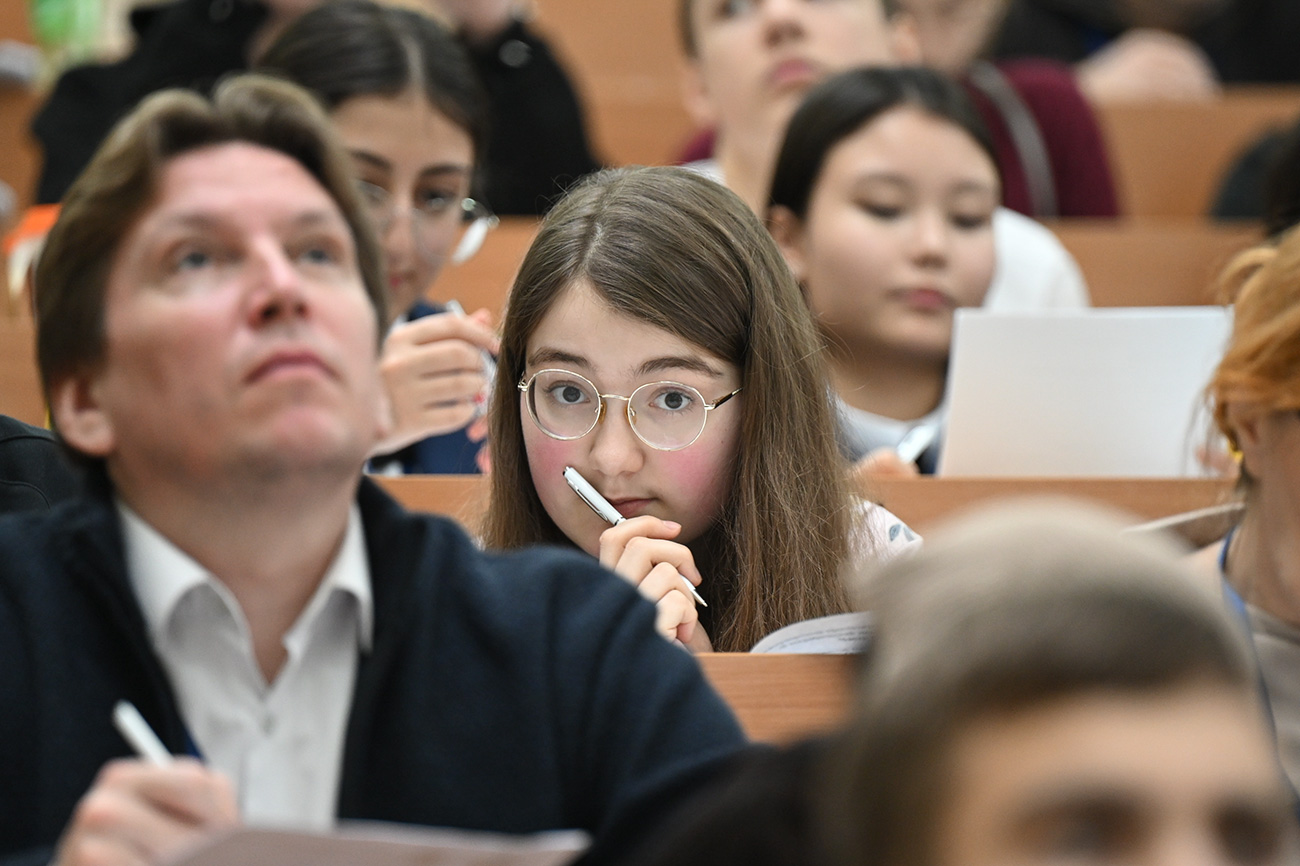
To be admitted to defend a candidate's dissertation, a graduate student or candidate must pass the candidate's minimum requirements (exams in their specialty, foreign language and history and philosophy of science); publish articles in scientific journals recommended by the Higher Attestation Commission (VAK); and, finally, write a dissertation – an original work of high scientific merit. Submit the dissertation to the dissertation council with a complete set of documents.
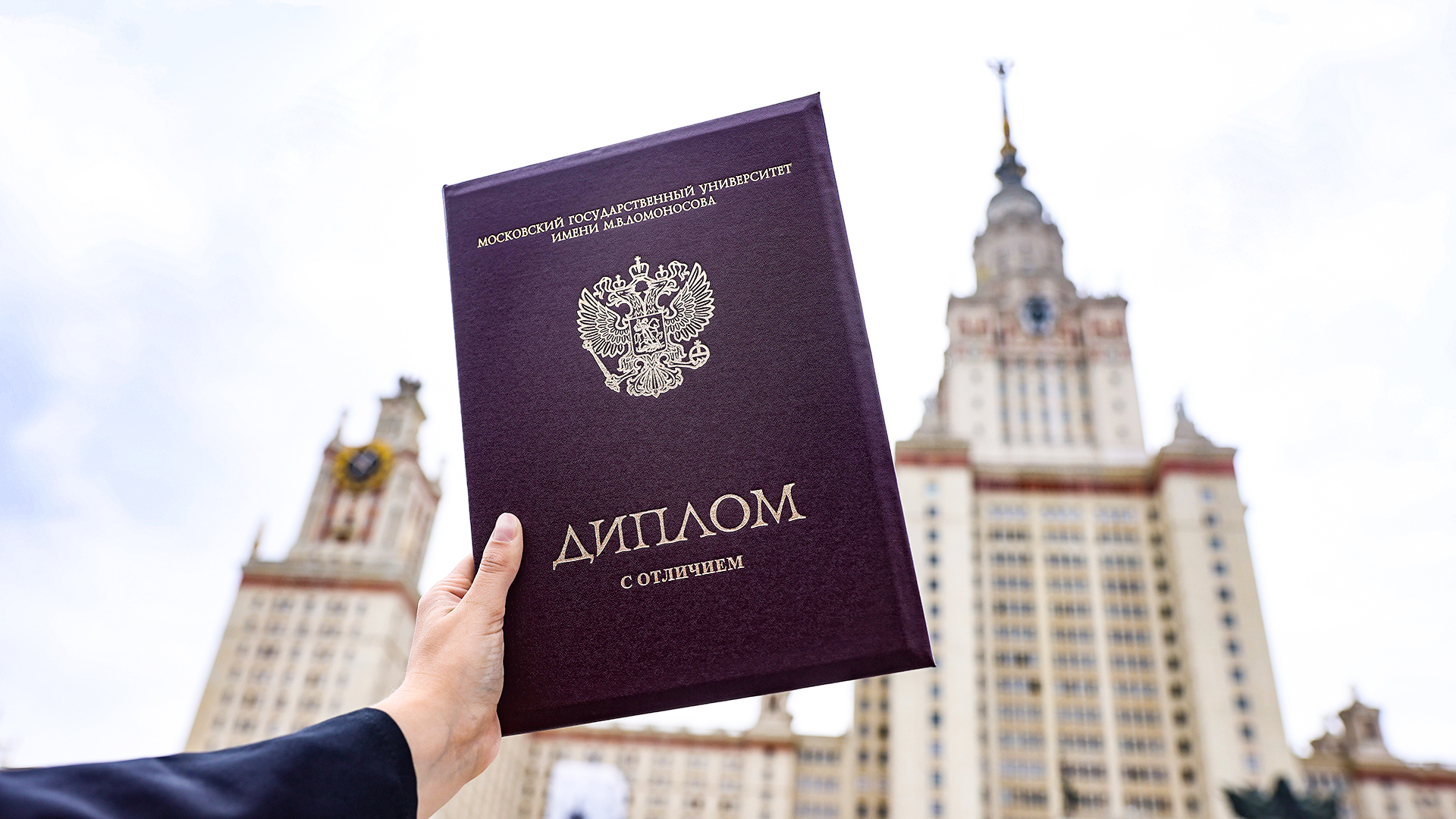
Next comes a public defense before a council. If successful, the dissertation is submitted to the Higher Attestation Commission (HAC) for approval. In Russia, academic degrees are not awarded by the university, but by the federal Higher Attestation Commission, which approves all dissertations. If approved, it also awards the Candidate of Sciences diploma.
Doctor of Sciences
Doctor of Sciences is the highest academic degree in Russia. It’s the so-called higher doctorate, which has no direct equivalent in most Western countries (for example, the U.S.). In terms of level, it is comparable to the German Habilitation or the "second doctorate" in countries with a two-tier system—for example, the Higher Doctorate in the UK.
This is the highest academic qualification in a number of European (eg. Austria, Poland, France) and Asian countries, following the Doctor of Philosophy (PhD). It confirms a scholar's ability to teach independently at a professorial level (facultas docendi).
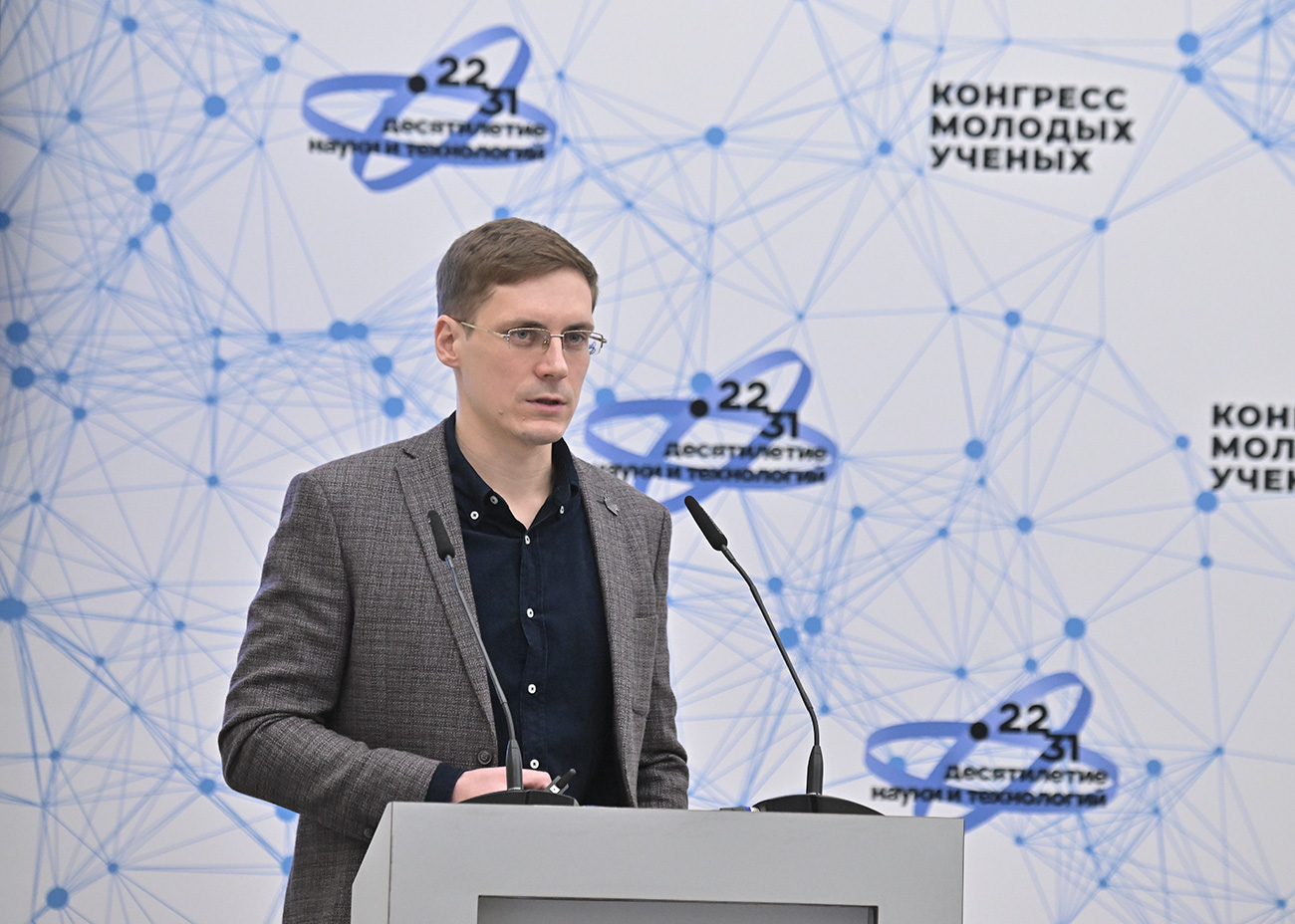 Doctor of Physical and Mathematical Sciences, Professor, Head of the Department of Mathematical Theory of Economic Decisions, Faculty of Applied Mathematics of Control Processes, St. Petersburg State University, Alexander Krylatov
In Russia, a doctorate can only be obtained after obtaining a Candidate of Sciences degree. It requires an even more outstanding contribution to the scientific field than the candidate's thesis. However, while in most countries, a PhD holder must submit published scientific articles to obtain a second doctorate, in Russia (as often in Germany) a doctorate is based on a second dissertation, summarizing years of research. Numerous publications, including monographs are also required.
As with a Candidate of Sciences degree, a public defense and approval by the Higher Attestation Commission (HAC) are required.
In Russia, an academic degree is directly linked to an academic rank. Only Doctors of Sciences can receive the academic title of ‘professor’, awarded by the Higher Attestation Commission (HAC).
Privileges
Possessing a Candidate of Sciences or Doctor of Sciences degree opens important doors in the Russian academic system. Only a Candidate of Sciences can teach master's courses and/or supervise postgraduate students. Only Doctors of Sciences can receive the academic title of professor.
Degrees are also necessary for obtaining grants, participating in major projects, receiving invitations to international conferences and training future researchers.
Financial benefits & perks
Recently, financial incentives for degree holders have become more widespread. Some universities are introducing one-time payments. For example, Tomsk Polytechnic University pays out 400,000 rubles (approx. $5,323) for defending a candidate's dissertation and 700,000 rubles (approx. $ 9,315) for a doctoral dissertation.
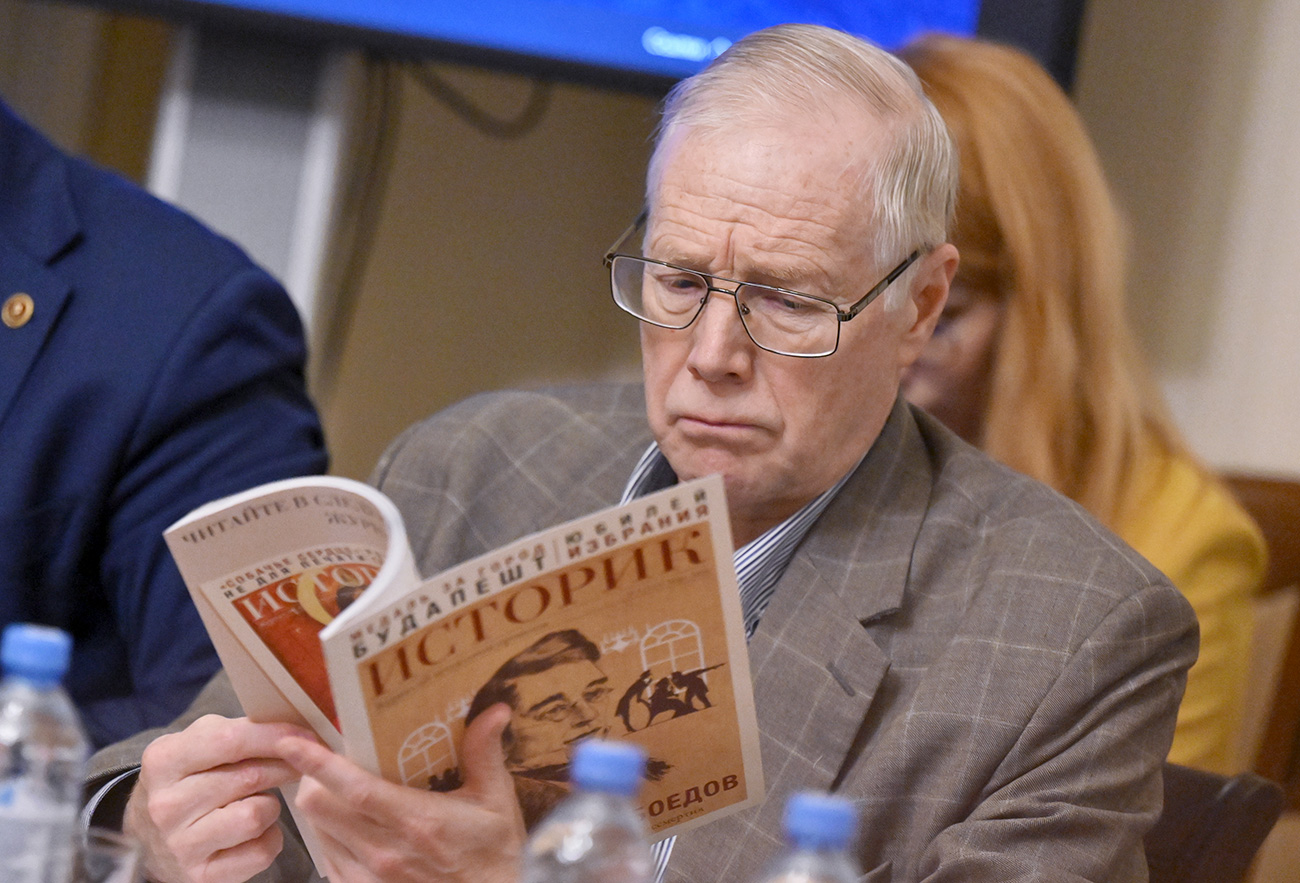 Member of the Scientific Council of the Russian Military Historical Society, Doctor of Historical Sciences Alexey Plotnikov
Scientists working in the academic system receive monthly salary supplements, as well as extended paid vacation (42 days for candidates at RAS institutes versus 28 days for those without a degree), the possibility of receiving a military deferment, as well as the right to housing certificates.
Recognition of Russian Diplomas Abroad
According to current equivalence criteria, a PhD is recognized as equivalent to a Candidate of Sciences (Kandidat Nauk). UNESCO ISECD officially classifies it as a doctoral degree. In the United States, a Candidate of Sciences in physics, chemistry, biology and other natural sciences is recognized as equivalent to a PhD. In Sweden, it’s considered comparable to a Swedish doctorate.
The Doctor of Sciences (Doktor Nauk) degree has no direct equivalent outside the Russian-speaking world. In countries with a two-tier doctoral degree system, a Doctor of Sciences (Doktor Nauk) should be recognized at the level of a second doctorate (equivalent to a Habilitation). In countries with a single doctorate, it may be recognized at the level of that single degree.
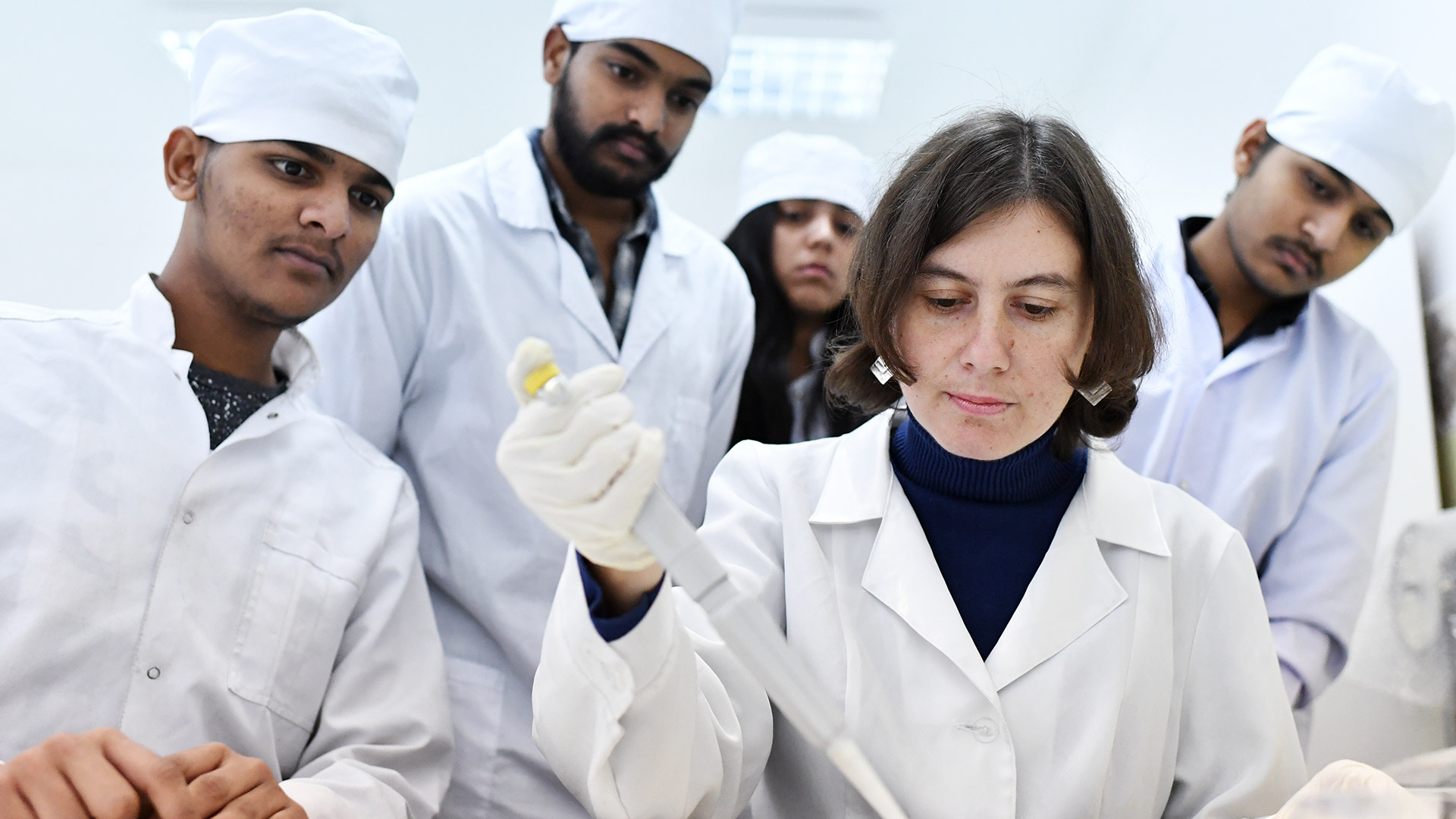
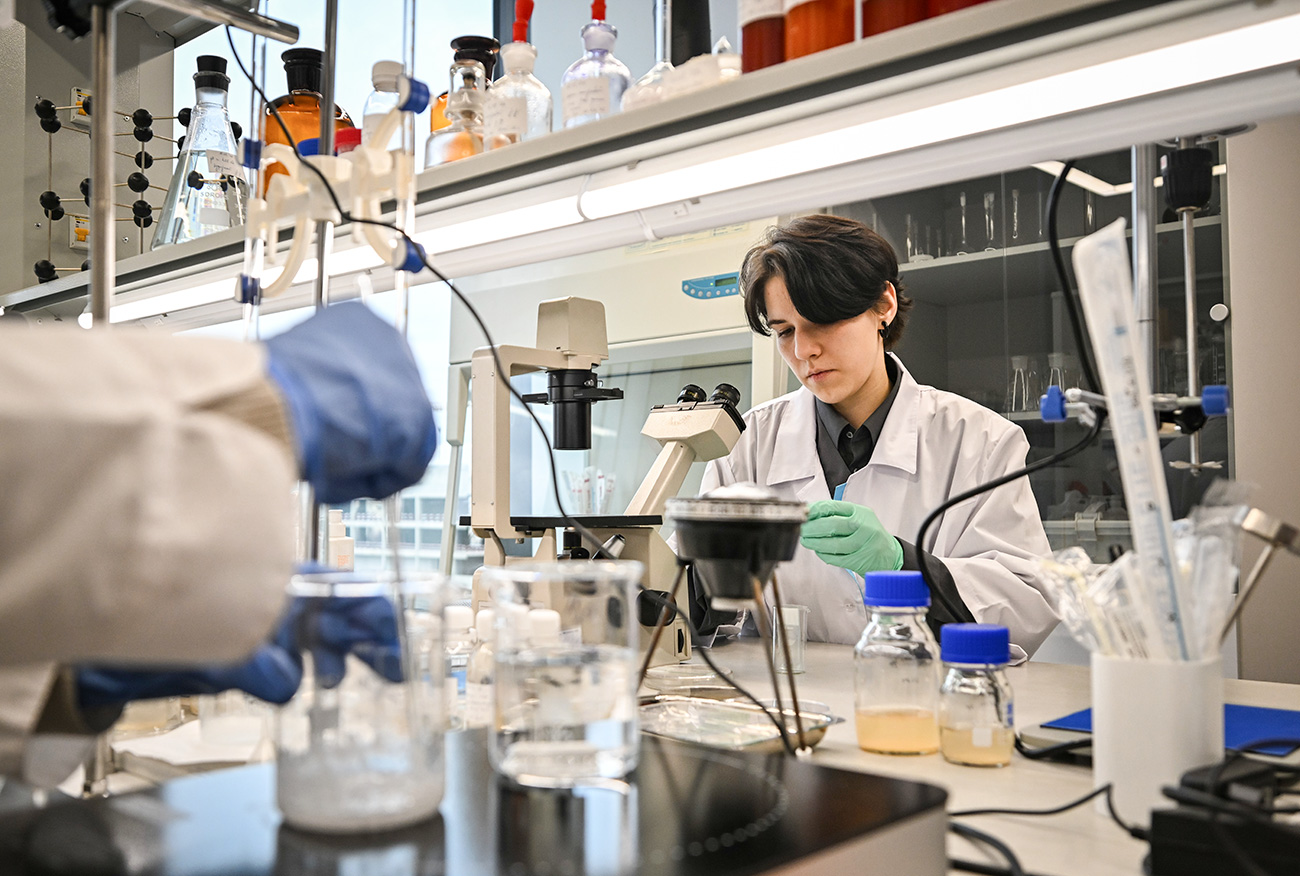 An employee of the NPO Intersen-Plus laboratory at the Lomonosov Moscow Innovation Cluster of the Lomonosov Moscow State University Science and Technology Center
Holders of Russian degrees who wish to work or study abroad may require nostrification – a procedure for recognizing foreign diplomas. This is mandatory in the Czech Republic, Austria and many other countries.
Some countries only nostrify candidate degrees in certain specialties (for example, technical ones). In some countries, candidate degrees in medicine, education and the humanities may not be accepted for recognition, as the legal framework only provides for a section-by-section comparison of curricula, which does not apply to postgraduate studies. Typically, the full text of the dissertation (not just the abstract) is required in the language of the country or in English.
However, Russia is a party to the Lisbon Recognition Convention, which facilitates the recognition of qualifications in more than 50 countries. Furthermore, within the Eurasian Economic Union (EAEU), citizens of member states generally do not require recognition for employment, with the exception of regulated professions (medicine, pharmaceuticals).