

‘On one’s own manner’: The unknown history of a Russian idiom


“Делать все на свой манер” or “Delat vse na svoi maner” (“Do everything in one’s own manner”). This expression is still used quite often today. It means to do something “in one's own way”, but it has a surprising meaning connected with old textile production.
The word ‘манер’ (manner) or ‘манера’ came into Russian from French in the 18th century. ‘Manière’ means a ‘way’ or ‘method’ (of doing something); in English, it’s the same as ‘manners’. In Russian, people say ‘хорошие манеры’ (good manners), meaning the ability to conduct oneself in society, following etiquette and being well brought up. But “делать на свой манер” means to do everything in one's own personal way.
There’s also another interesting story associated with this expression. In regions where weaving was practiced, the word ‘манер’ was used to refer to carved wooden blocks that were used to apply patterns to fabric. Each craftsman had his own ‘манер’ with a unique design.
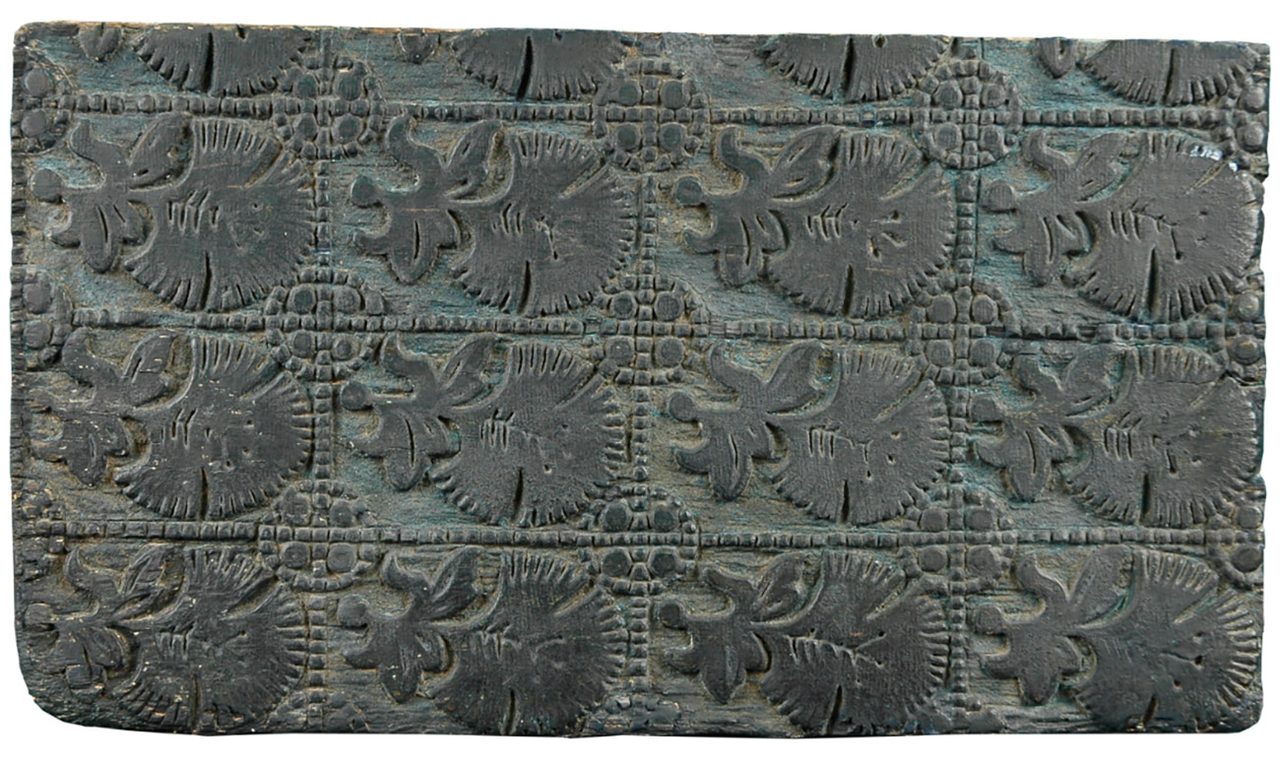 'Maner' printed board
By the way, this craft required considerable skill – after all, the pattern was applied by hand using these blocks and it had to be done in such a way that no seams were visible and the design didn't smear or lose its alignment.
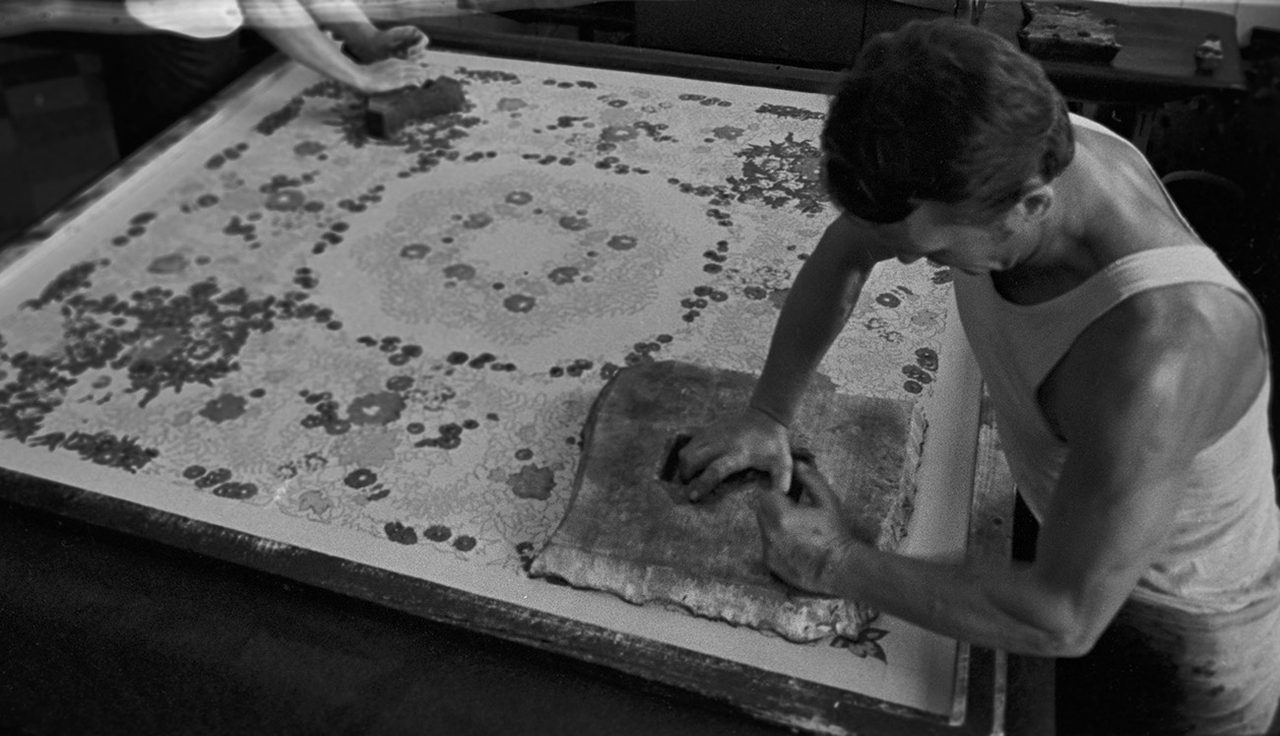 Manual printing of colored patterns on fabric