
The worst tragedy in the Soviet Navy since World War II
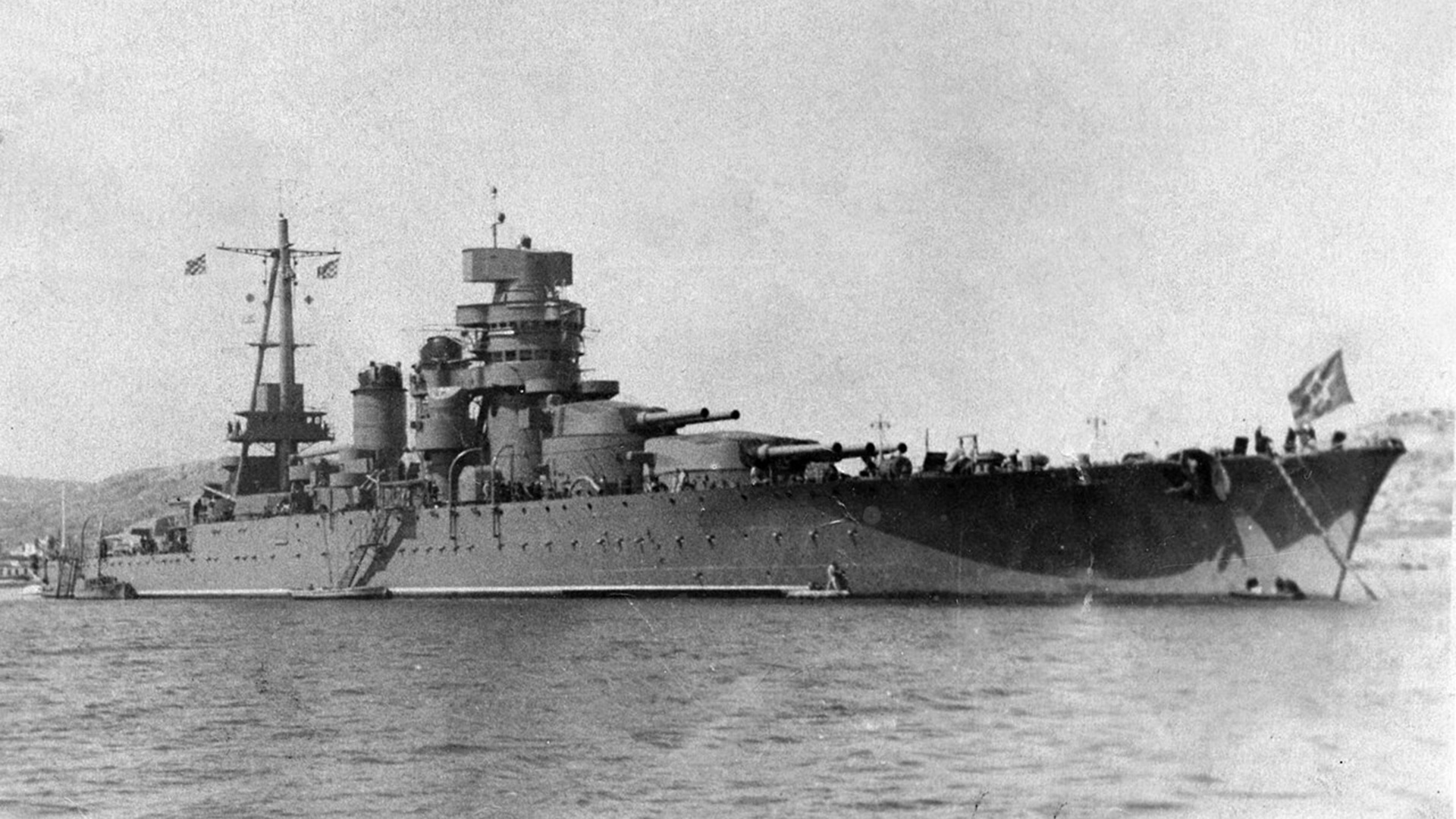
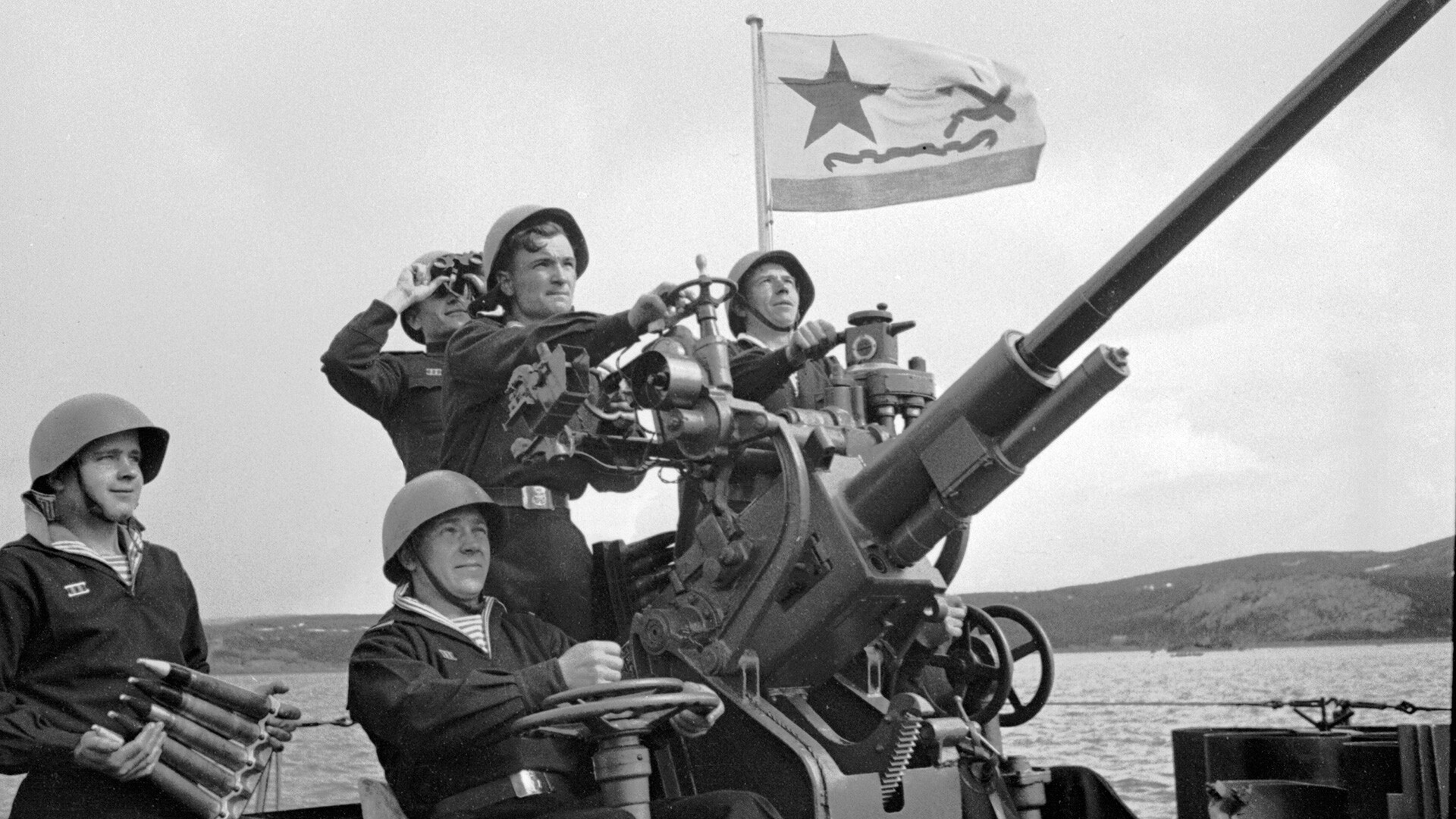
The sinking of the ‘Novorossiysk’, the USSR’s last battleship, in 1955 claimed the lives of 617 people. It’s still not known exactly why it happened.
At 1:30 am on October 29, 1955, a powerful explosion rocked the hull of battleship ‘Novorossiysk’ in Sevastopol Bay. Water immediately burst through the breach, instantly flooding the lower compartments. About 200 sailors died immediately.
While the remaining crew struggled to save the ship, Vice-Admiral Viktor Parkhomenko, commander of the Black Sea Fleet, arrived. He rejected the offer to evacuate, believing the situation was under control. This fateful decision would cost him his job.
By 4:00 am, the list to port became critical and the ship began to capsize. Hundreds of sailors slid overboard, while others were trapped in the inner compartments.
Many rescuers who rushed to the scene also perished in the icy water, along with the sailors. And, just after 5 am, the ship capsized completely and divers had to be called in. However, only a handful of people were recovered; the last trapped people inside ceased to show signs of life on November 1 and the rescue was called off.
The tragedy claimed the lives of 557 of the 1,500 on board, as well as 60 rescuers. In 1956, the ship was raised from the seabed and, later, dismantled for scrap.
Various causes for the disaster have been proposed: the detonation of a German seabed mine from World War II, a torpedo attack by an unknown submarine or even the work of Italian saboteurs.
The latter theory arose, because the ship had previously belonged to the Royal Italian Navy and was named ‘Giulio Cesare’. After its transfer to the USSR as reparations in 1948, Italy's anti-communist Junio Borghese, a leading wartime saboteur, allegedly vowed revenge on the Russians for this humiliation.
However, none of these versions is considered completely reliable.