
What was going on in Russia when Joan of Arc was being burned at the stake in France?
While the Hundred Years' War between England and France raged in Western Europe, the once-mighty Mongol Empire was slowly disintegrating in the East.
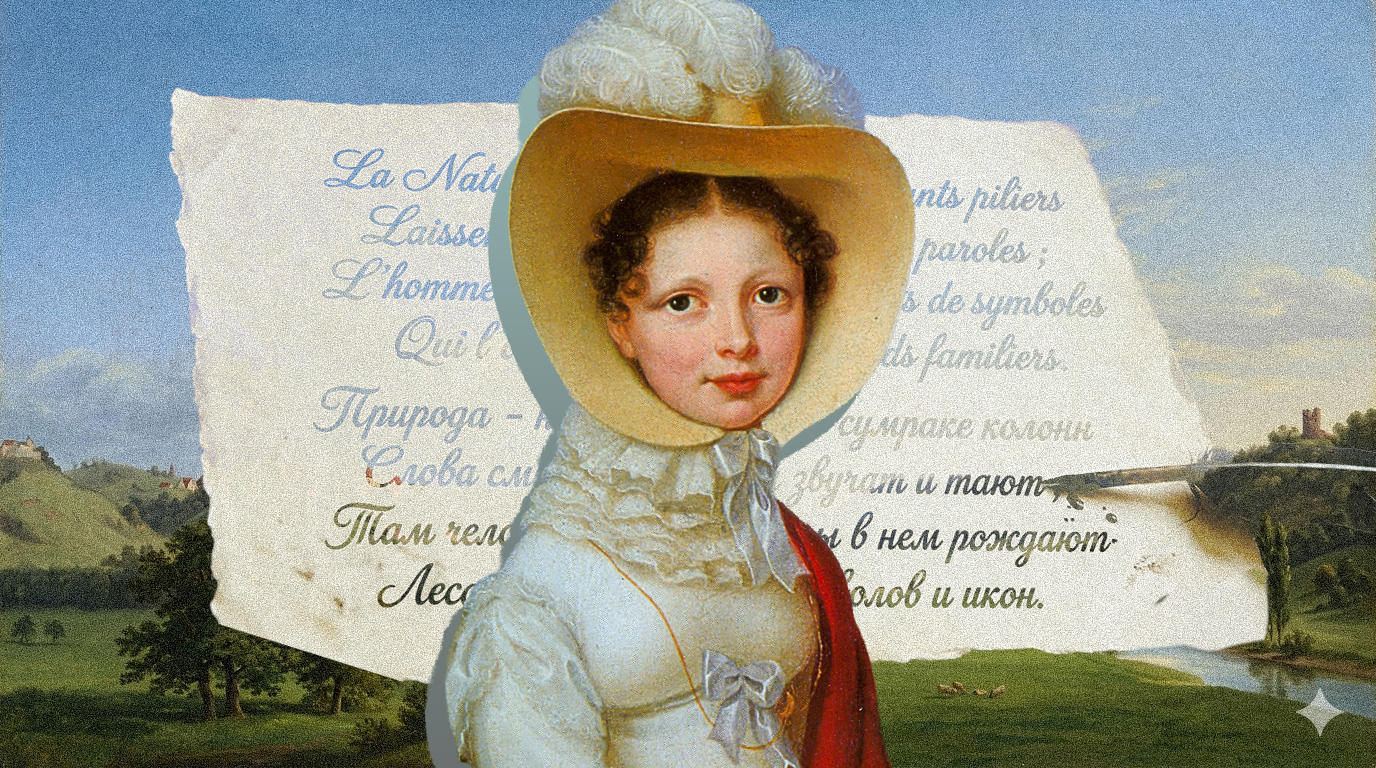
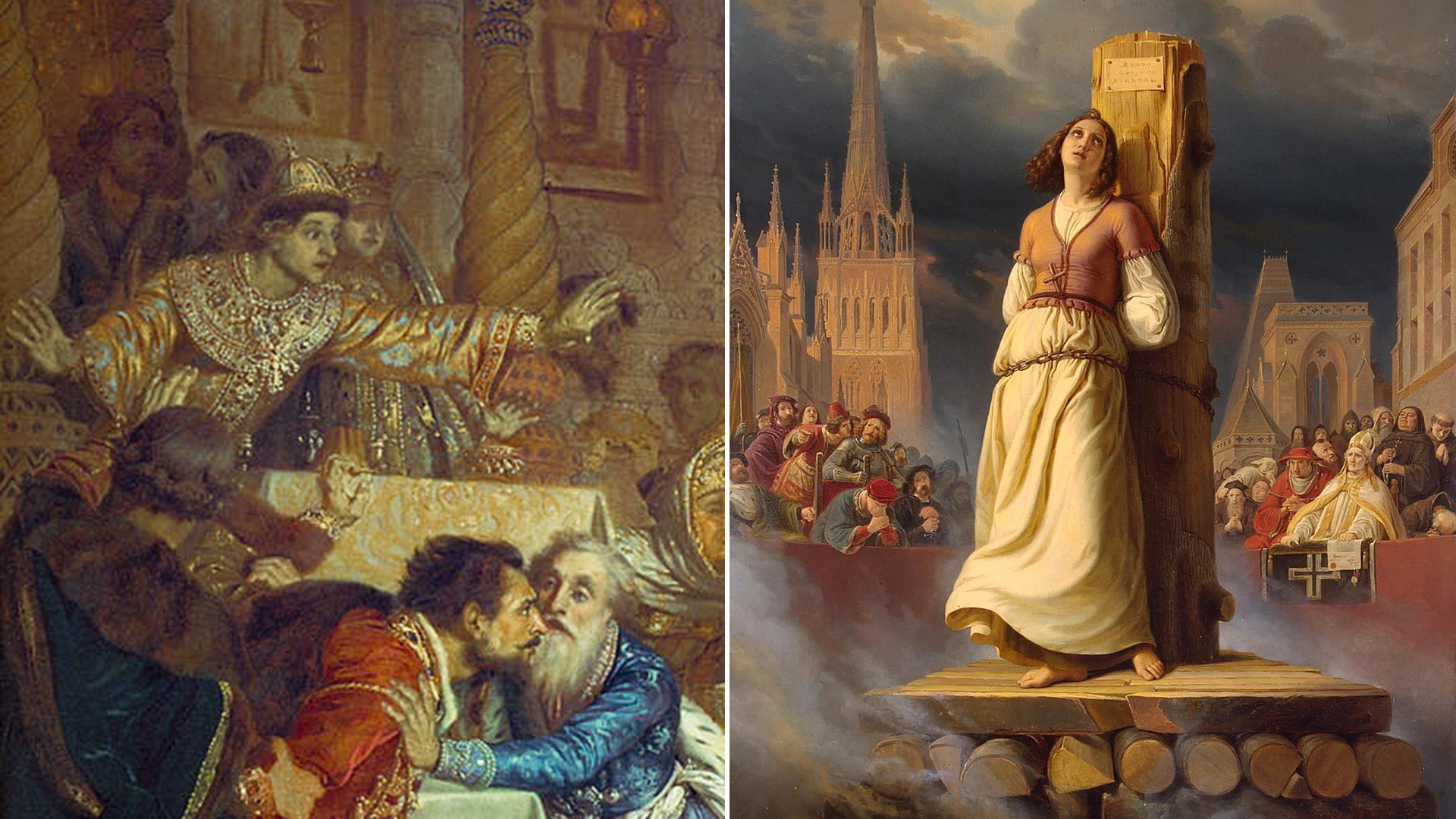
On May 30, 1431, the ‘Maid of Orleans’, aka Joan of Arc – one of the commanders of the French troops in the Hundred Years' War and a symbol of national resistance to the English – was burned alive in the Place du Vieux Market in Rouen. She was executed on charges of heresy.
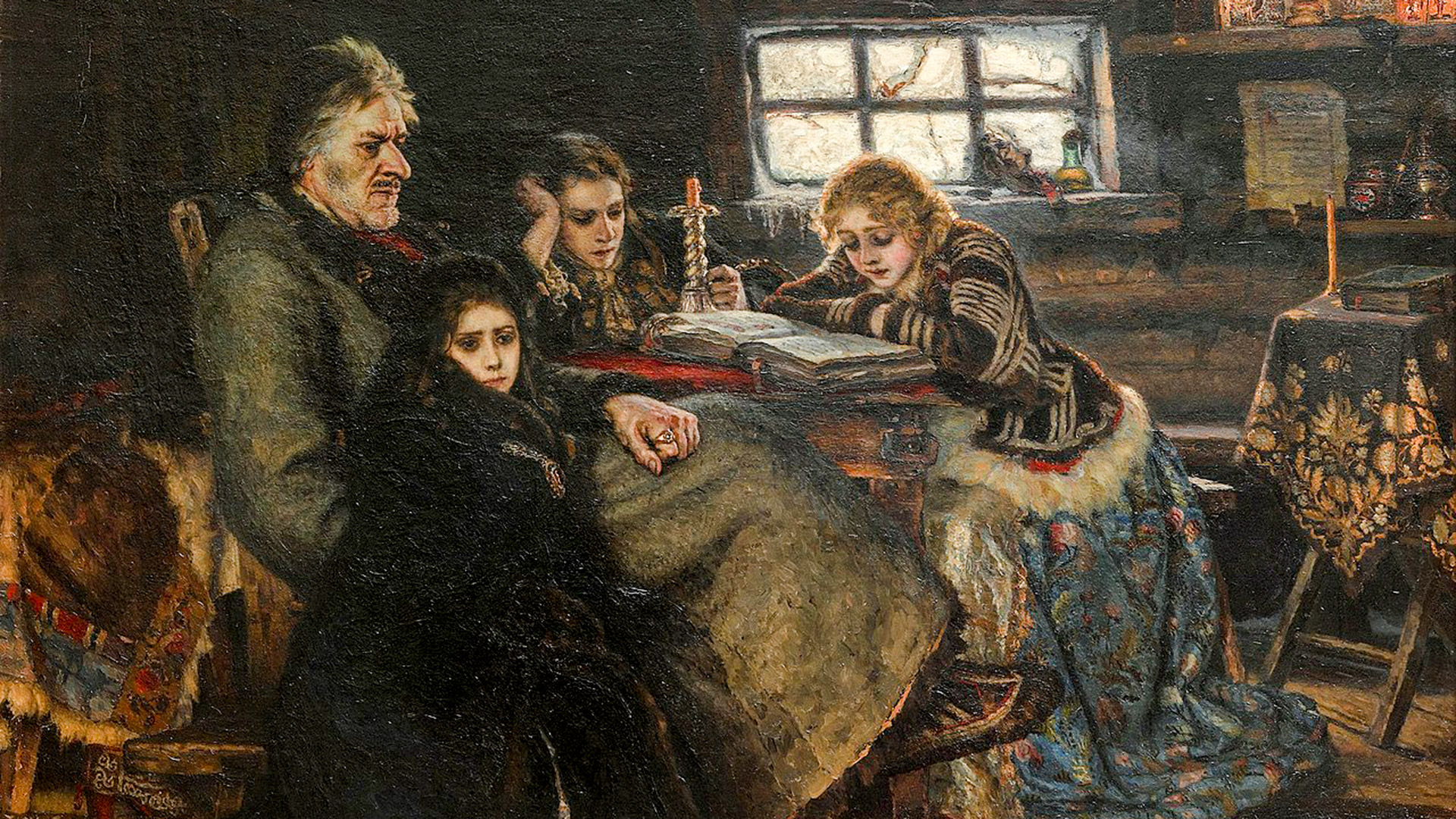
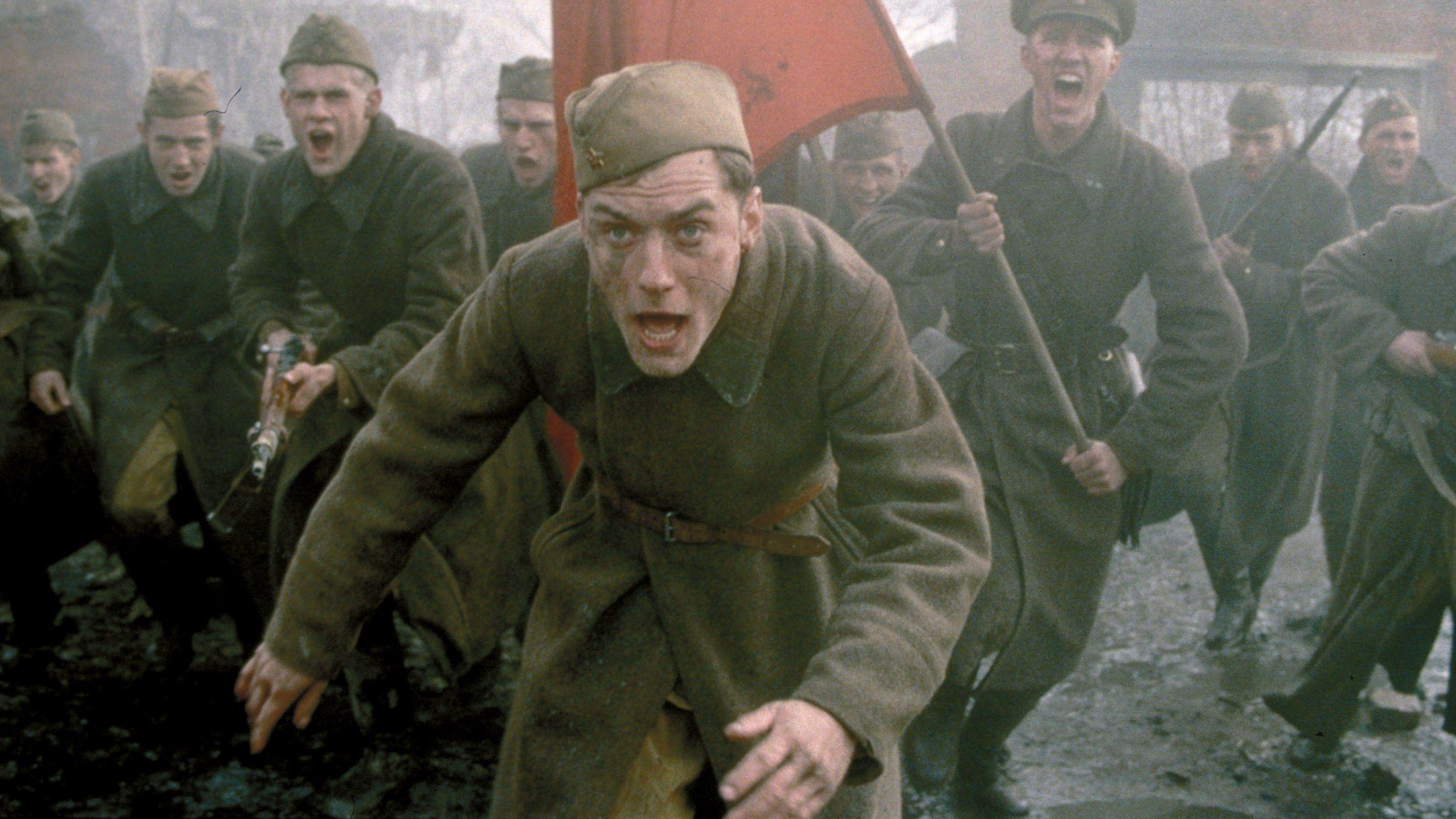
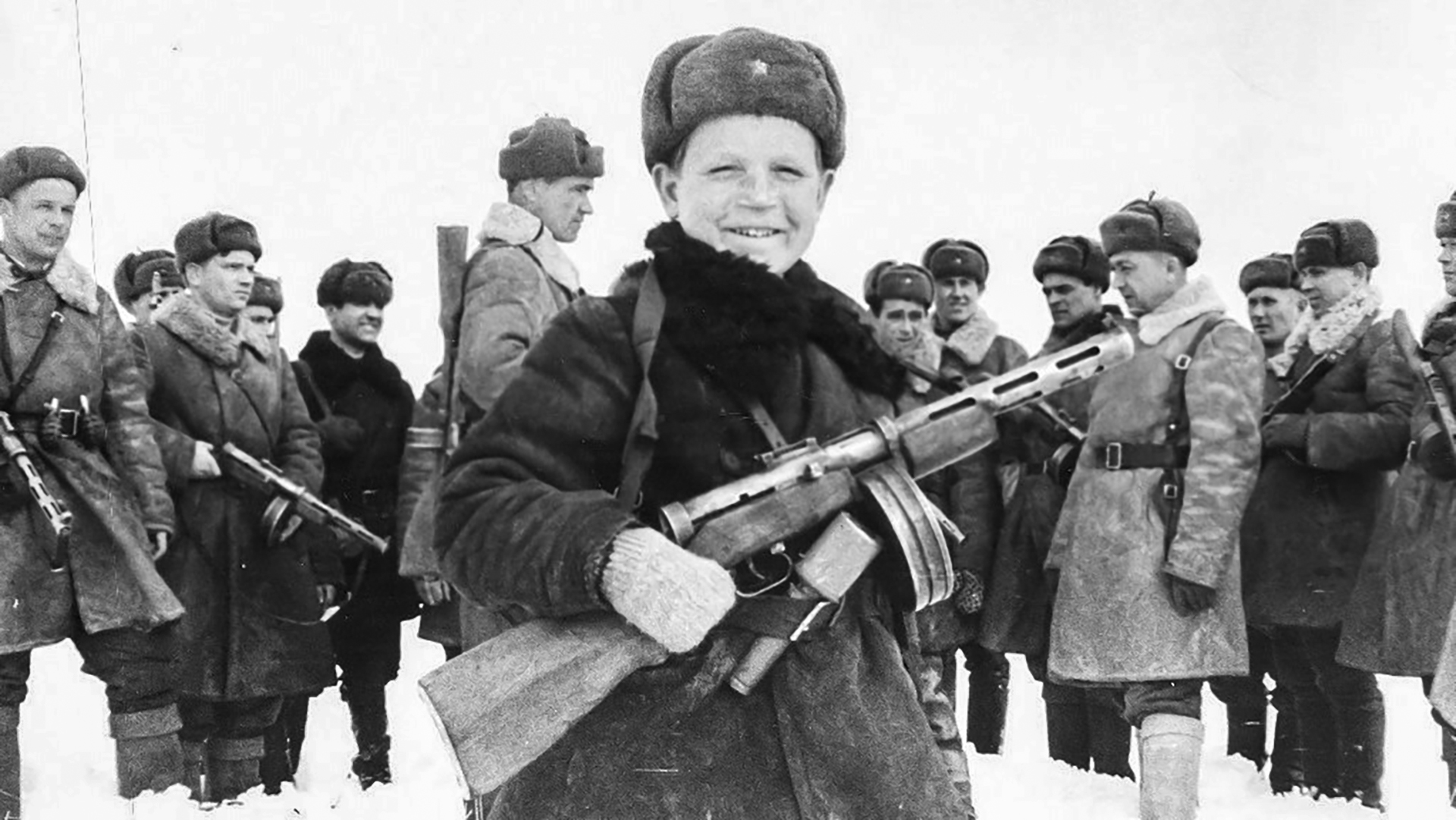
At the same time, the Grand Duchy of Moscow was engulfed in a civil war between Grand Duke Vasily II and his uncle, Yuri Dmitrievich. Some participants in this brutal power struggle were literally blinded, including Vasily himself, earning himself the nickname the ‘Dark One’ because of this.
In 1431, both rivals visited Ulugh Muhammad, Khan of the Golden Horde, to decide which of them would sit on the throne in Moscow. The Mongols continued to collect tribute from the Russians and grant princes ‘yarlyks’ (charters) for their reigns.
However, the Golden Horde was rapidly declining and the khans' power was weakening. Therefore, Ulugh Muhammad's decision to grant the ‘yarlyk’ for the Grand Duchy to Vasily did not end the conflict.
Similarly, the Mongols were powerless to stop the war betwen the Grand Duchy of Moscow and the Bulgarian Ulus, which was formally still part of their empire. In that same year of 1431, Russian troops swept through it with impunity, avenging the raids of the previous years.