What languages were spoken in the Russian Empire?
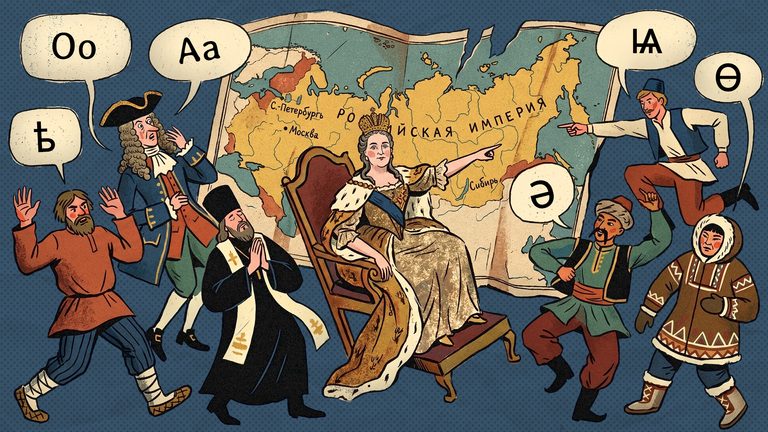
The main language of the vast multinational empire was, of course, Russian. But, what status did other languages have? Did authorities try to force everyone to speak Russian?
Class boundaries in language use
In everyday life, the noble elite in the 18th – first half of the 19th century preferred to use French more often than Russian. This is well depicted in Leo Tolstoy's novel ‘War and Peace’.
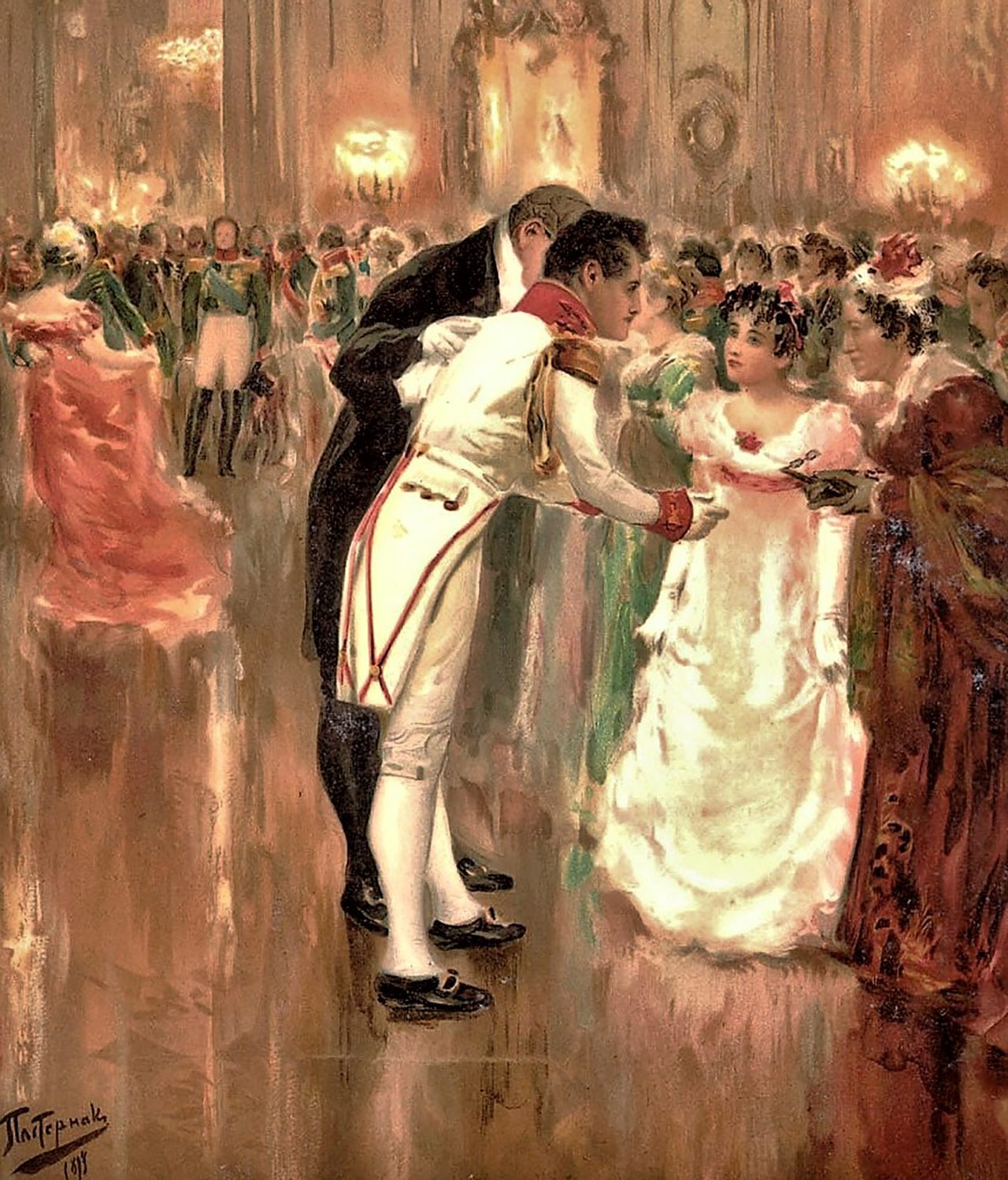 Natasha Rostova's first ball. Illustration for 'War and Peace'
The war with Napoleon led to the fact that after 1812, the prestige of the Russian language among noble families began to rise and, by the end of the 19th century, many nobles had begun to use Russian in their daily lives.
Other social classes, such as the clergy, townspeople, merchants and the most numerous class, the peasantry, spoke Russian or, more precisely, various regional dialects and variants of it (urban vernacular, professional jargons).
In the 18th century, most peasants were illiterate, but, in the 19th century, after the reforms of Emperor Alexander II, primary education began to spread rapidly.
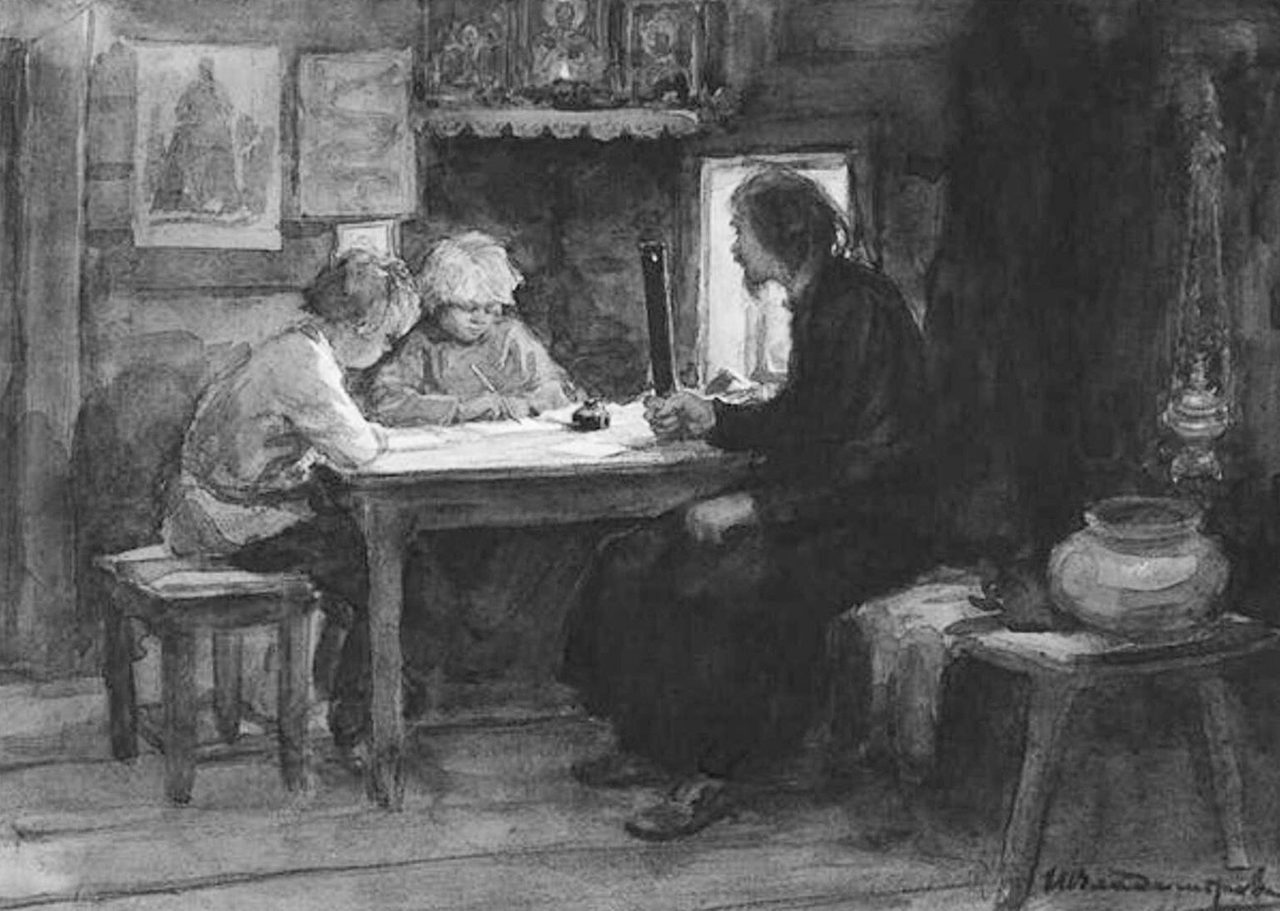 Ivan Vladimirov. In a lesson of credence with the sexton, 1913
According to the 1897 census, literate people (those who could read) made up about 20% of the population (about 17% were literate among the rural population and over 80% among nobility).
Which language groups were present?
The inhabitants of the Russian Empire spoke dozens of different languages (about 150 in total), representing all major language families.
The largest language family was Indo-European:
- Slavic languages were spoken by the majority: Russians, Ukrainians, Byelorussians, Poles and Bulgarians
- Baltic languages by Lithuanians and Latvians
- Germanic languages by Germans, Swedes, Jews (Yiddish)
- Romance languages by Moldovans and Romanians
- Iranian languages by Ossetians, Tajiks, Kurds and Tats
Indo-European languages also included Armenian, Romani and Greek.
Another major family was the Altaic family, which included the Turkic, Mongolian and Tungus-Manchu languages.
The Uralic family, meanwhile, was represented by Finno-Ugric and Samoyedic groups.
There were also rare languages and isolated groups spoken by the indigenous peoples of the Caucasus, the Far North and the Far East.
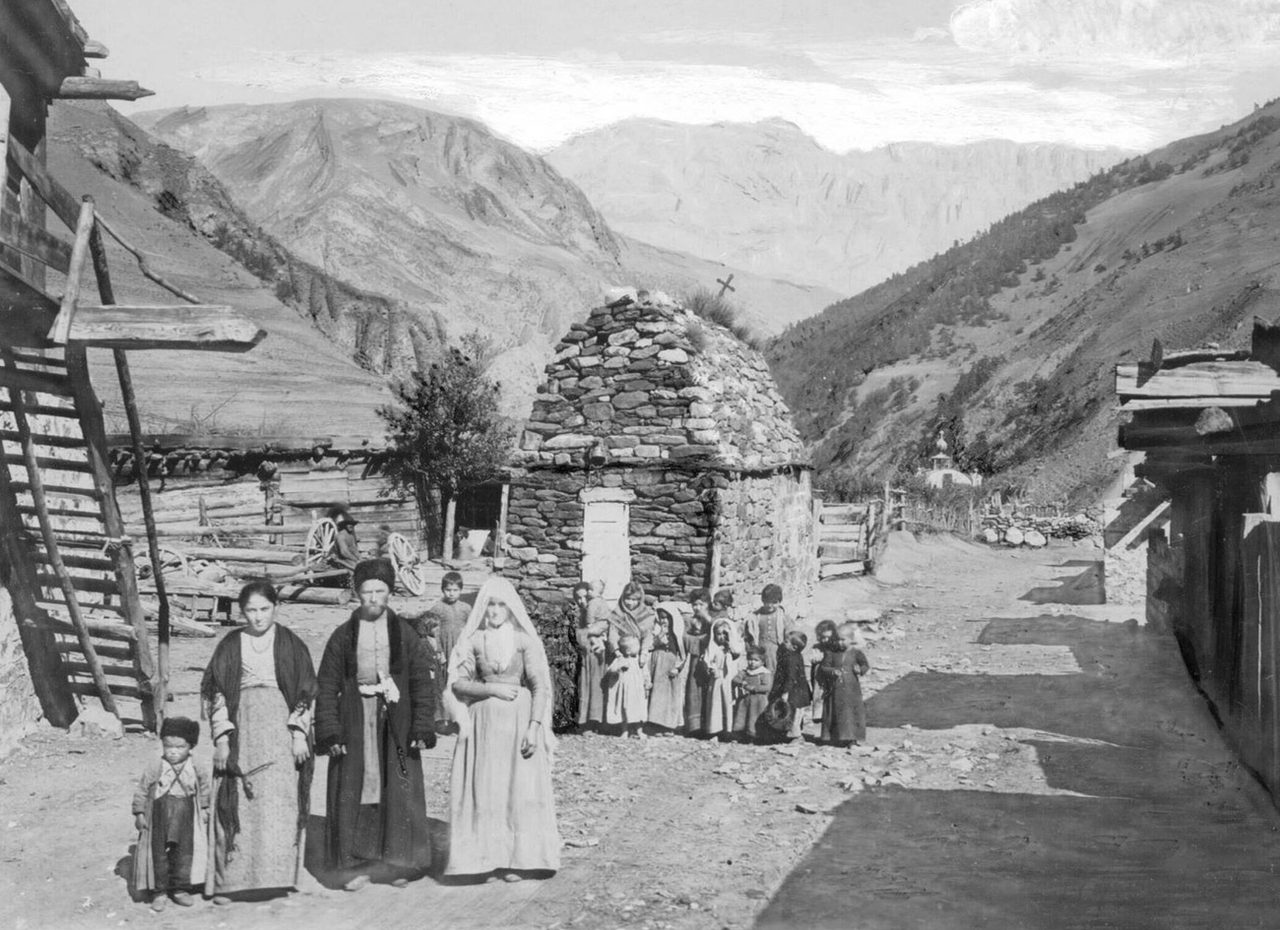 North Ossetia
Local languages were used in family life, trade, singing songs and telling fairy tales. They were also employed in such spheres as religion, education and the press.
For example, Muslim peoples used their national languages in religious schools and during sermons in mosques, but, for reading the Quran and performing prayer (namaz), they exclusively spoke Arabic.
The language policy of the Russian emperors
The imperial government repeatedly changed its language policy: at times, it was tolerant toward the languages of national minorities and, at other times, it insisted on strengthening the position of the Russian language.
Catherine the Great was the first to take a serious interest in the languages of her subjects. The empress even commissioned Peter Simon Pallas, a scholar of German origin, to collect material on all languages. His ‘Comparative Dictionary of All Languages and Dialects’ is now available online.
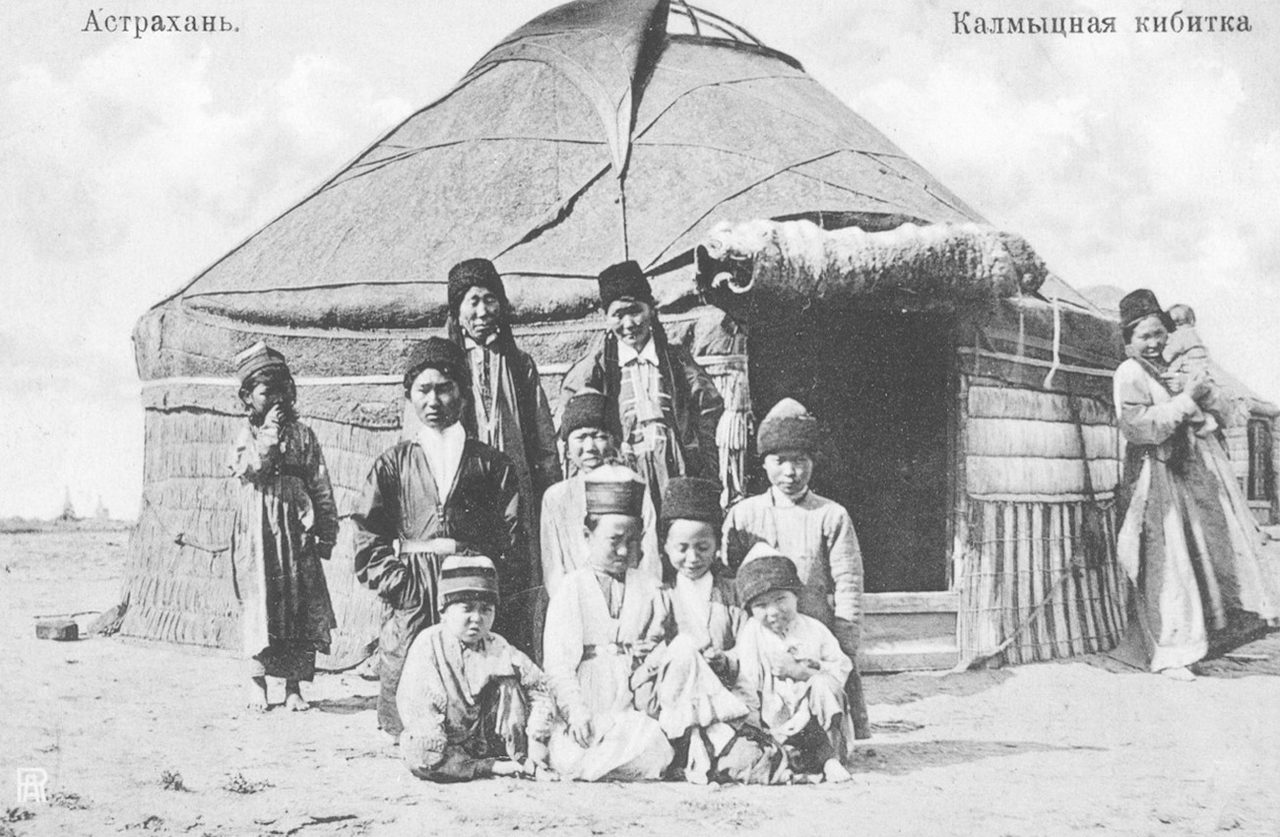 Kalmyk family in the city of Astrakhan
On the whole, in the 18th century, authorities were still tolerant of linguistic diversity. Russian was the sole official language of the state, although, in some regions, it had limited functionality. This applied to the Baltic provinces, the Kingdom of Poland and the Grand Duchy of Finland, where German, Swedish and Polish dominated, respectively.
Forced Russification
Alexander II then began active Russification in the Russian Empire. The government saw it as a measure to fight the danger of separatism. In particular, the Latin alphabet was considered an instrument of influence of the Catholic Church and severely restricted. For example, in 1859, censorship banned the printing of Ukrainian literature in the Latin alphabet.
Later, printing and teaching in Ukrainian, Byelorussian and Moldovan languages were restricted.
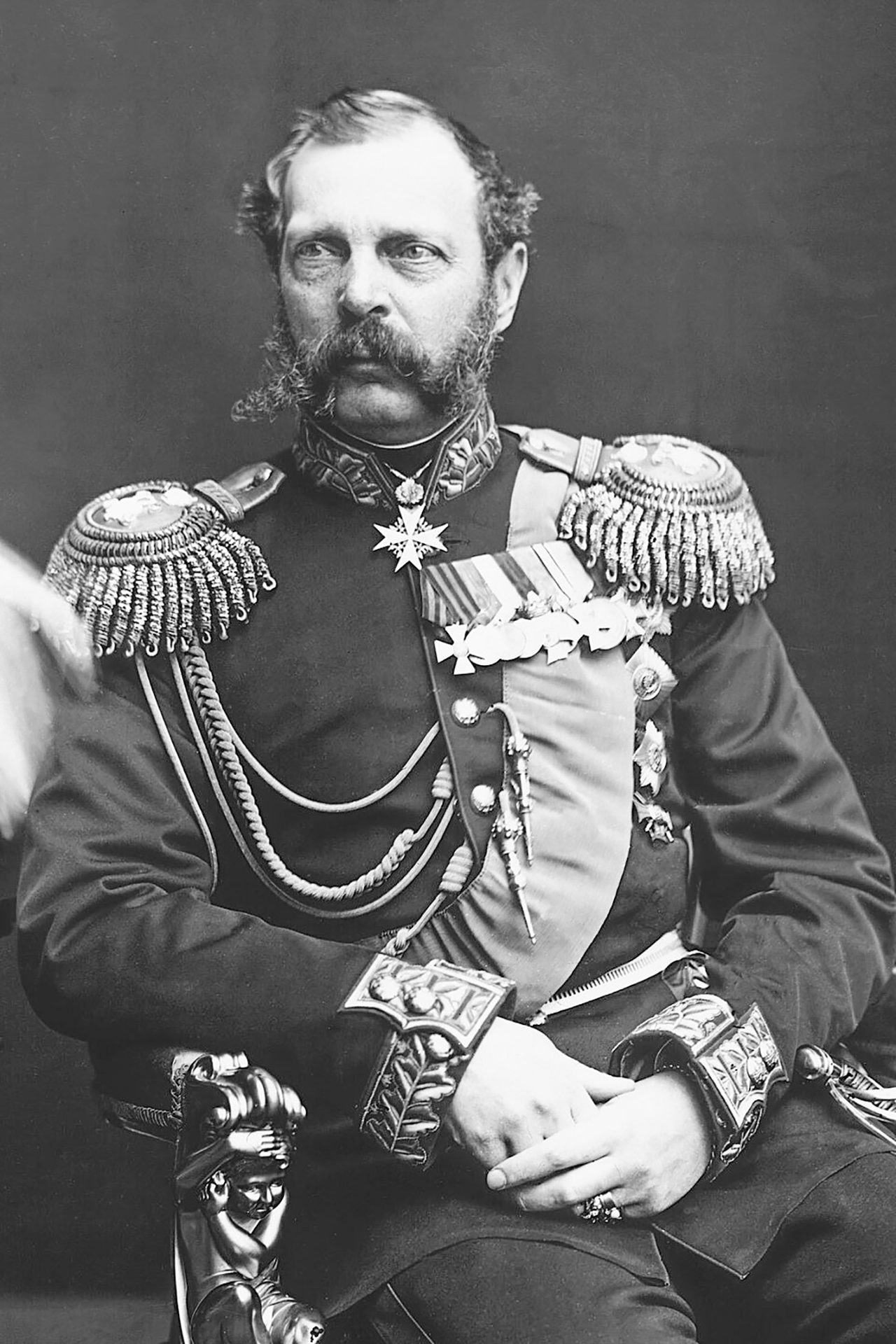 Tsar Alexander II
Russian became the mandatory language of instruction in all educational institutions in the last decades of the 19th century. Then, under Alexander III, the Russification of the Baltic States took place: Russian became the mandatory language of instruction in all educational institutions and the main language of office work.
Nicholas II had already imposed the same restrictions on the Finnish Senate in 1900, but, later, bills were allowed to be drafted in three languages: Russian, Finnish and Swedish.
At the end of the 19th century, secondary and higher education was possible only in Russian.
Despite all this, Russian has not become an integral part of education in a number of Muslim regions: in the Turkestan region, the mullahs opposed the study of the Russian language.
However, for all Orthodox Christians, regardless of ethnicity, it was mandatory to study the Church Slavonic language, which was used for church services.
Liberation of languages & creation of writing systems
In the 19th century, the Orthodox Missionary Society engaged scholars to develop Cyrillic-based alphabets for non-Russian peoples. This was done with the aim of spreading Christianity among them and, eventually, translating the Holy Scriptures into unwritten languages.
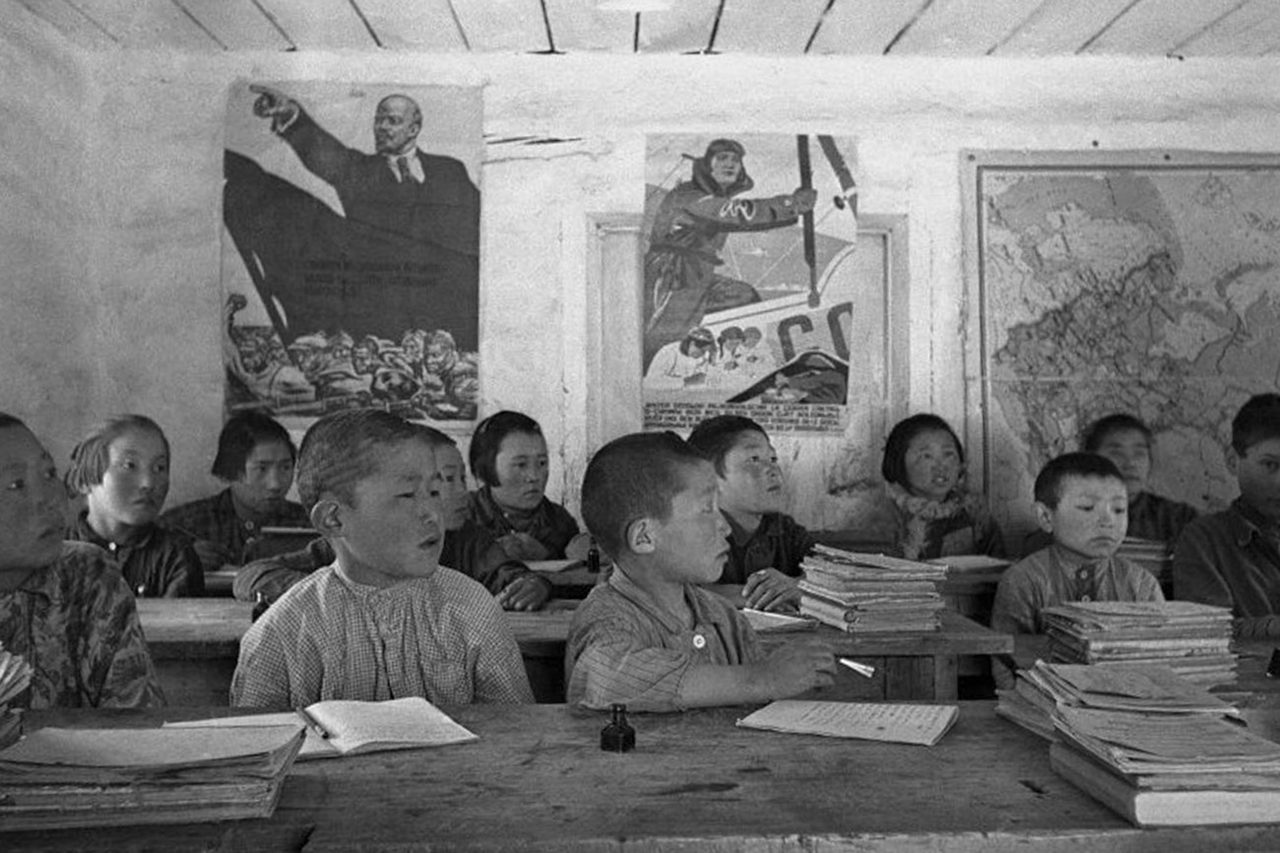 A school in Altai
Cyrillic writing systems were created for dozens of languages (e.g., Aleut, Chuvash, Mordvin). For those that already had a written tradition, grammars were compiled for the first time (e.g., Chechen, Yakut).
After the first Russian revolution of 1905, all formal restrictions on the use of languages in the Russian Empire were lifted. Many parties in the Duma advocated for linguistic freedoms for all inhabitants of the empire, while monarchist and nationalist parties insisted on a single official language for everyone – Russian.
The full version of this article can be found (in Russian) on the Gramota.ru (Грамота.ру) website.