
How a Russian scientist fought racism
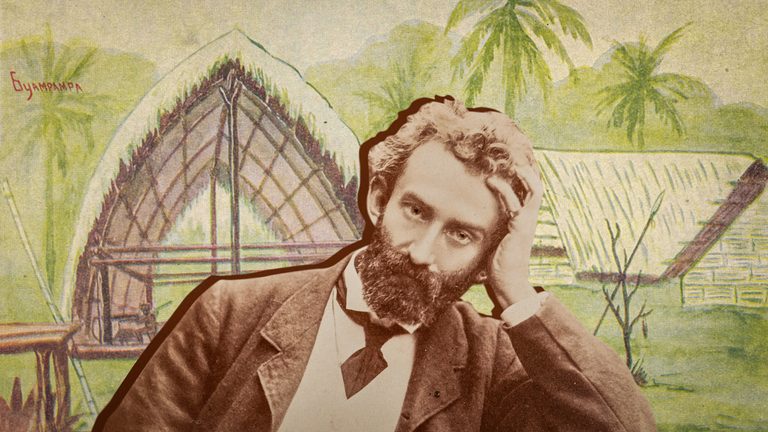
Miklouho-Maclay categorically opposed the theory of the inequality of human races, which was popular in the second half of the 19th century.
The distinguished Russian ethnographer, anthropologist and explorer Nicholas Miklouho-Maclay dedicated his life to studying the indigenous populations of Australia and Oceania, paying particular attention to the Papuans of New Guinea. He described their customs, traditions and material culture in detail, revealing an island that was virtually unknown to Europeans.
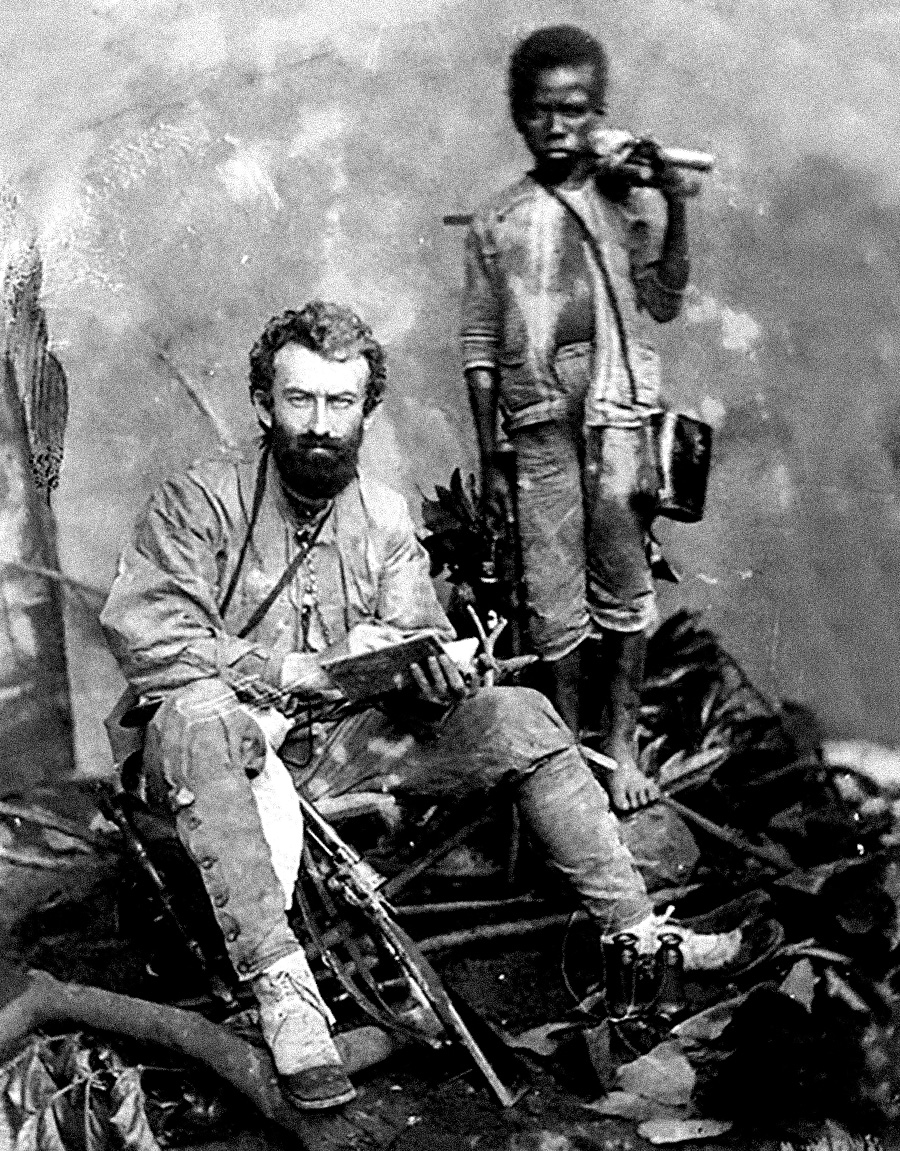
"I had the rare good fortune of observing a population completely isolated from contact with other peoples and, moreover, living at a stage of cultural development when all tools and weapons were made of stone, bone, and wood," the scientist noted.
Miklouho-Maclay categorically opposed the theory of the inequality of human races, which was popular in the second half of the 19th century. According to this theory, Australian Aborigines and Papuans were regarded as inferior, transitional biological species between apes and Homo sapiens. The scientist consistently refuted hypotheses about the presence of any "ape-like" traits among the inhabitants of Oceania, such as "rough skin" or "tufted hair" and emphasized the great similarities between the mental characteristics between Papuans and Europeans.
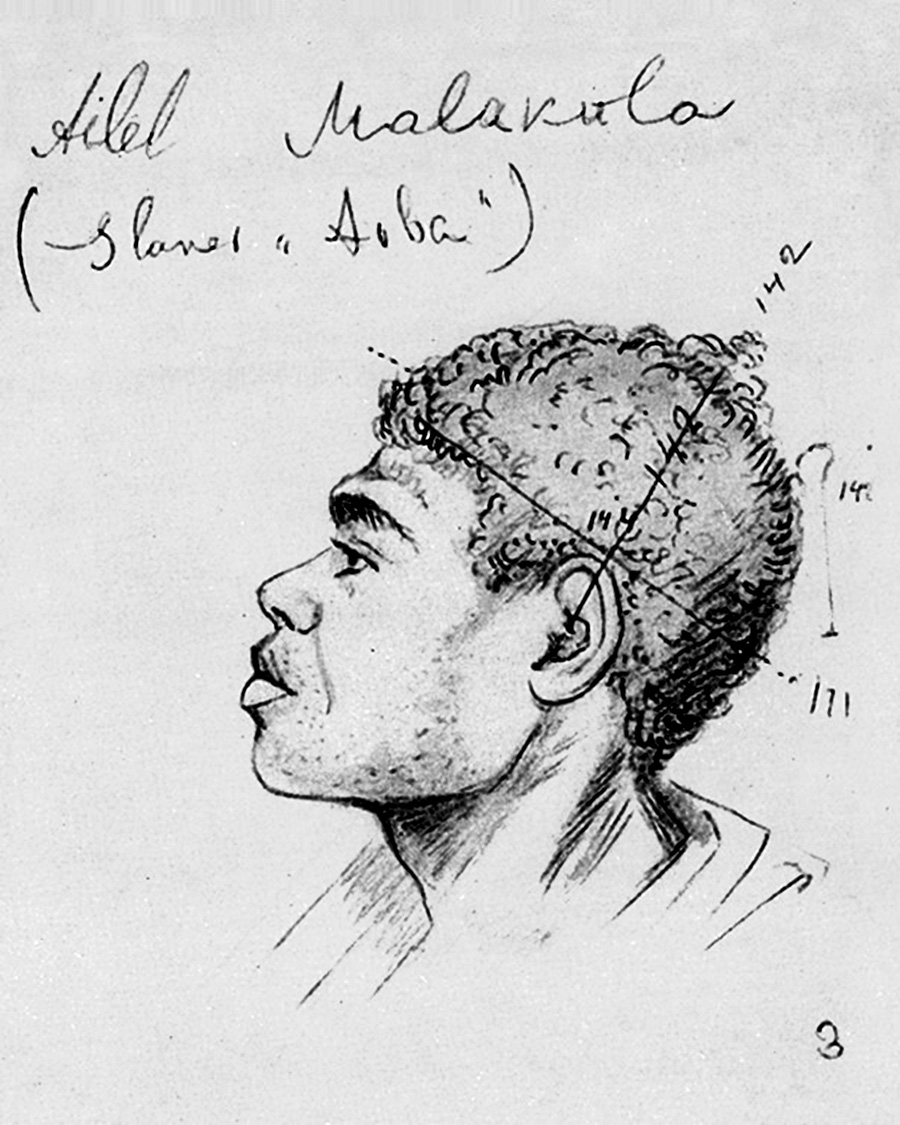
The explorer dreamed of establishing a strong independent state on the island that could resist European colonization. Another of the scientist's ideas was to establish a "common European protectorate" over New Guinea, without interference from other powers in its internal affairs. He wanted to turn the northeastern part of the island, which Miklouho-Maclay discovered, explored and named the ‘Maclay Coast’, into a Russian colony, but Alexander III was not interested. The Germans soon established themselves there.
There are streets named after Miklouho-Maclay in both Russia and Papua New Guinea. An asteroid, a bay off the coast of Antarctica and a genus of insects from Indonesia also bear his name. In 1996, UNESCO declared the scientist a ‘Citizen of the World’.