

5 facts about the SECOND man in SPACE (PHOTOS)
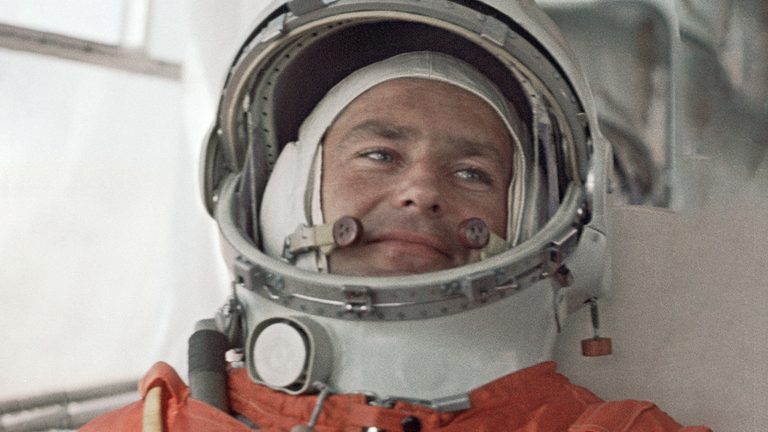
Gherman Stepanovich Titov's (1935-2000) flight took place on August 6, 1961, just over three months after Yuri Gagarin's. While one paved the way for humanity to enter space, the other proved that humans could live comfortably there for an extended period of time.
1. Could have been the first man in space
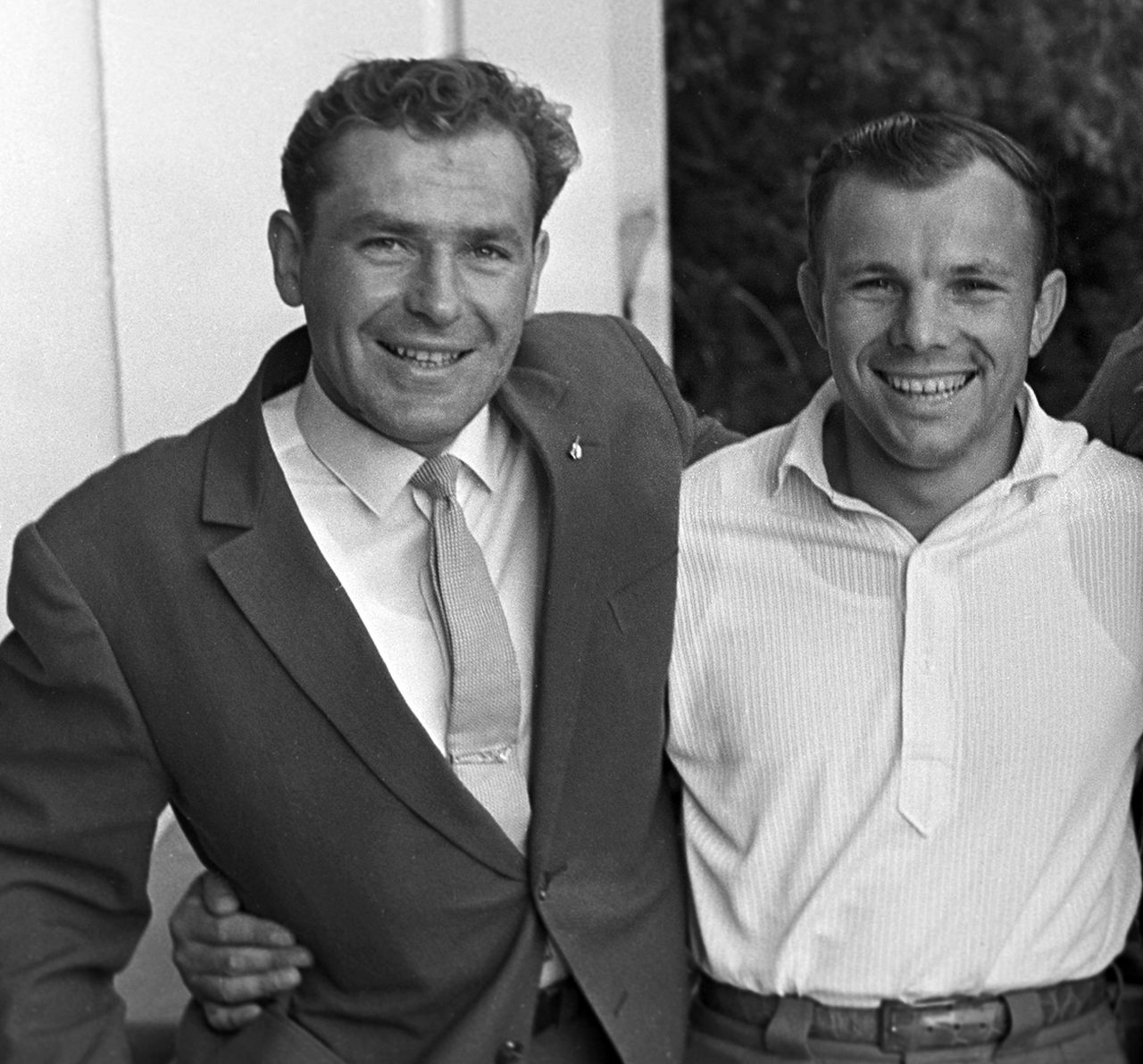 Gherman Titov and Yuri Gagarin.
Titov lost out to Gagarin in the race to be the first man to fly into space and became his backup. The cosmonaut claimed he was bitter about his loss. But he added, "I can say with absolute certainty that simply by his character, his disposition and his interactions with people, Yuri was, after all, better suited for the first flight."
2. Spent more than a day in space
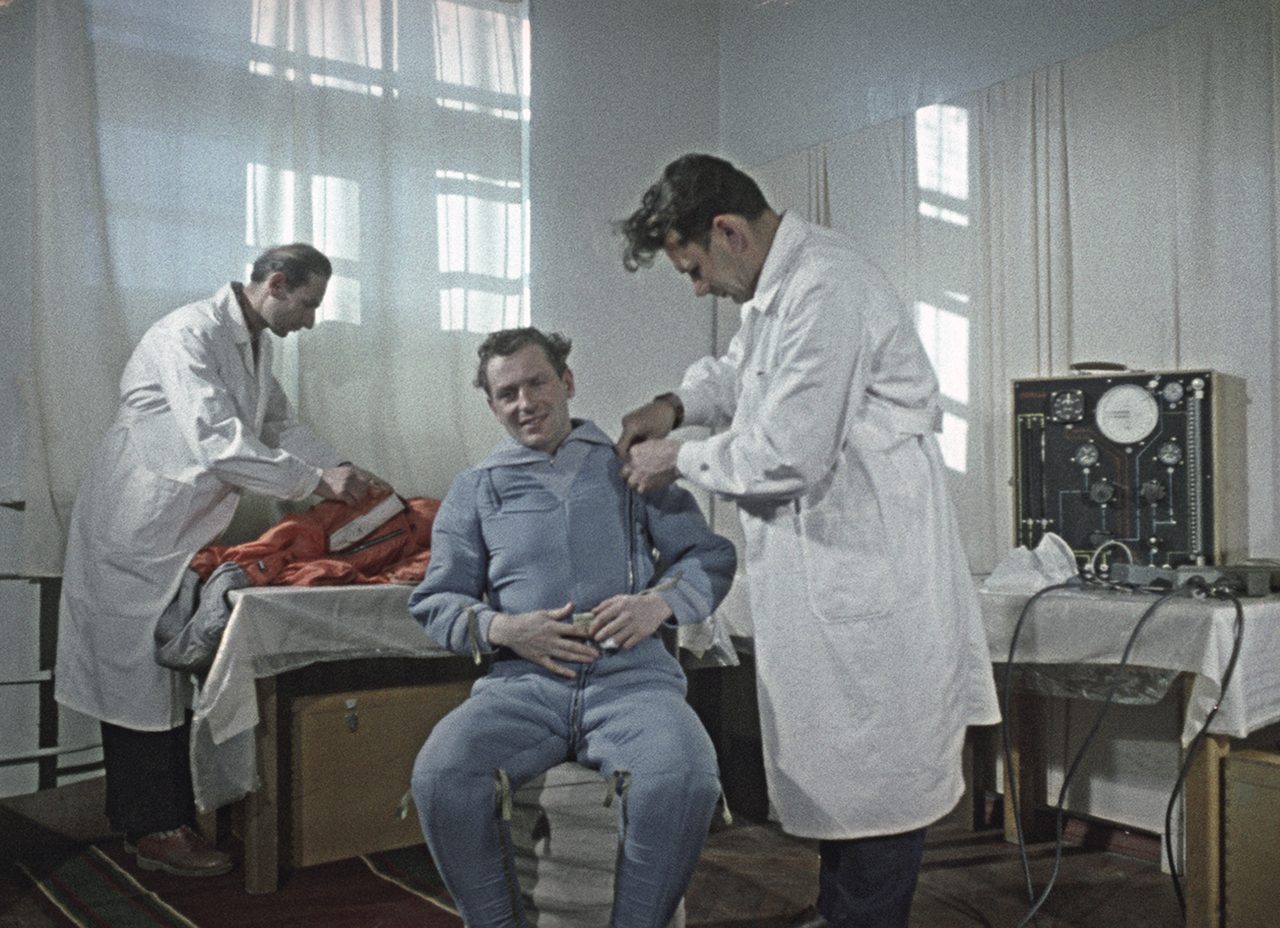
Gagarin's flight lasted 108 minutes, during which time he completed one orbit around Earth. According to the doctors’ assessment, Titov was supposed to complete three orbits. However, he insisted on spending a full day in space, though it turned out to be 25 hours and 18 minutes. His ‘Vostok-2’ spacecraft orbited the Earth 17 times, traveling over 700,000 km.
3. In space, he ate, slept, went to the toilet & exercised
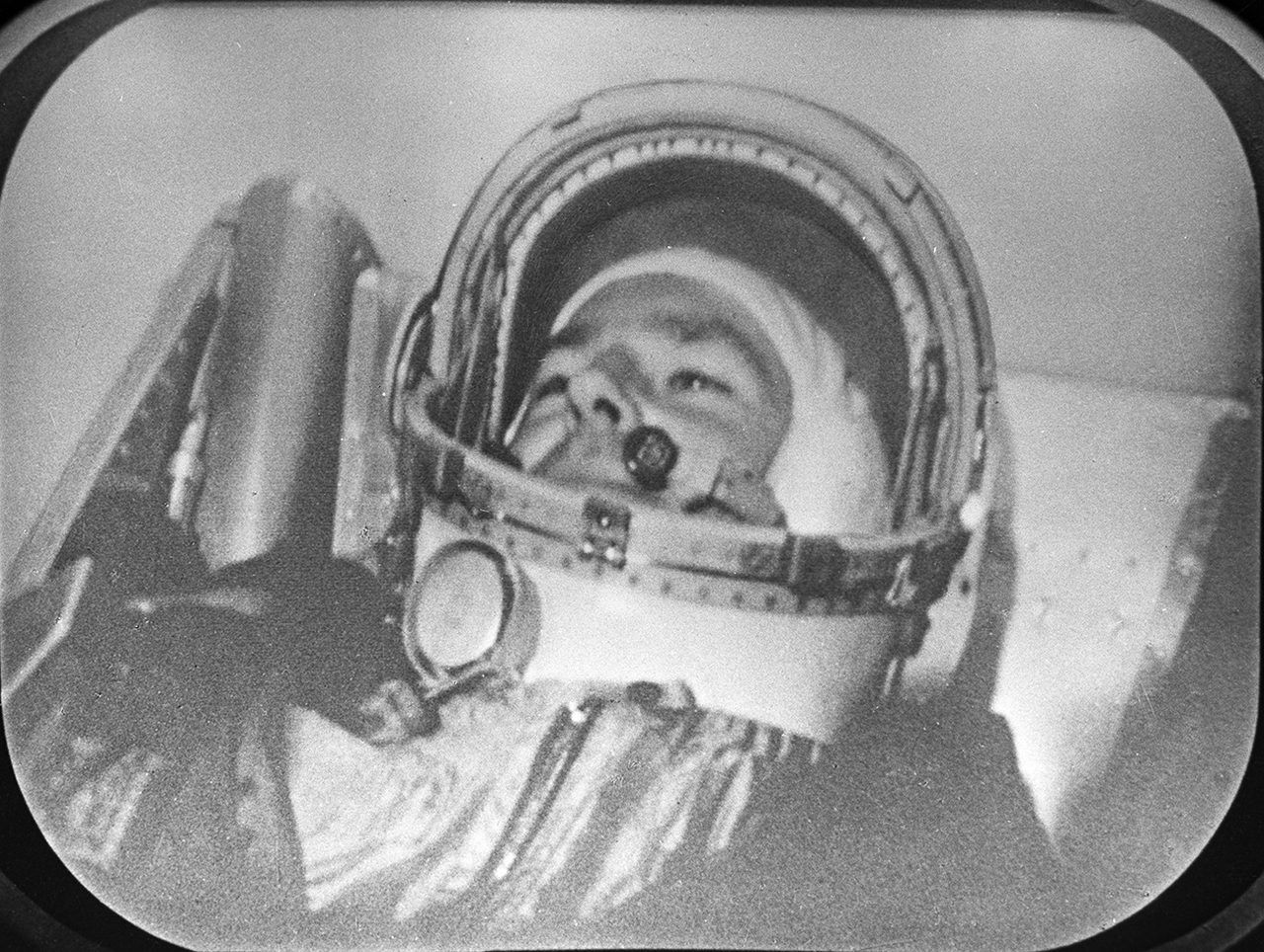
He became the first person to eat in zero gravity and try out a special space toilet. "When I returned to Earth, I told them that, in space, I'd been craving something salty; not chocolate, but herring and a sour lemon," Titov recalled. He also managed to do some physical exercise, but, at first, he had trouble sleeping. As soon as he began to doze off, his arms would rise and float in the air. He had to tuck them under the seat belts. He even slept through one communication session.
4. Despite feeling unwell, he did not abort the flight
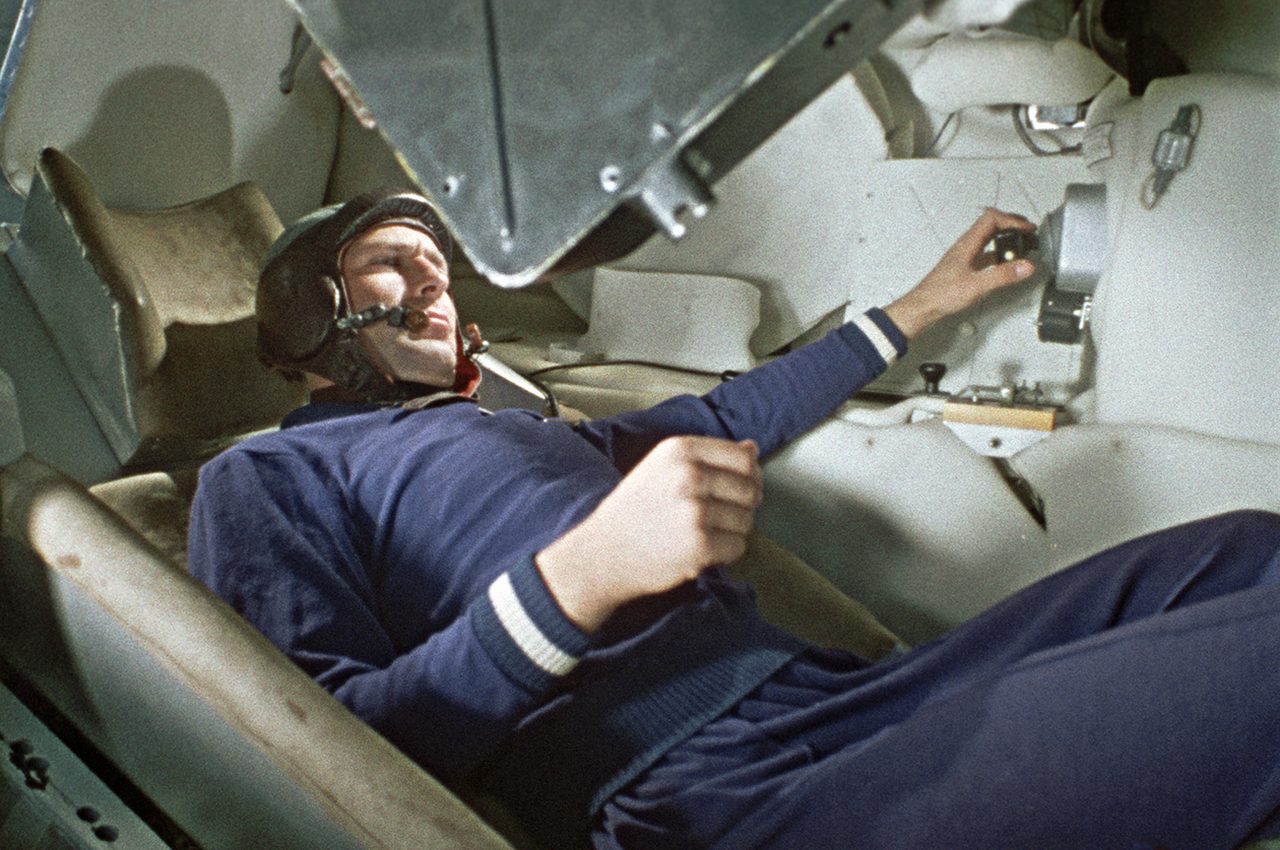
A few hours after launch, Titov was overcome by "space sickness" or space adaptation syndrome, with nausea and dizziness. At one point, he felt so ill that he could only respond to questions from Earth with very brief, one-word answers. However, the cosmonaut categorically refused to abort the flight and, after some time, his condition returned to normal.
5. He nearly got hit by a train during landing
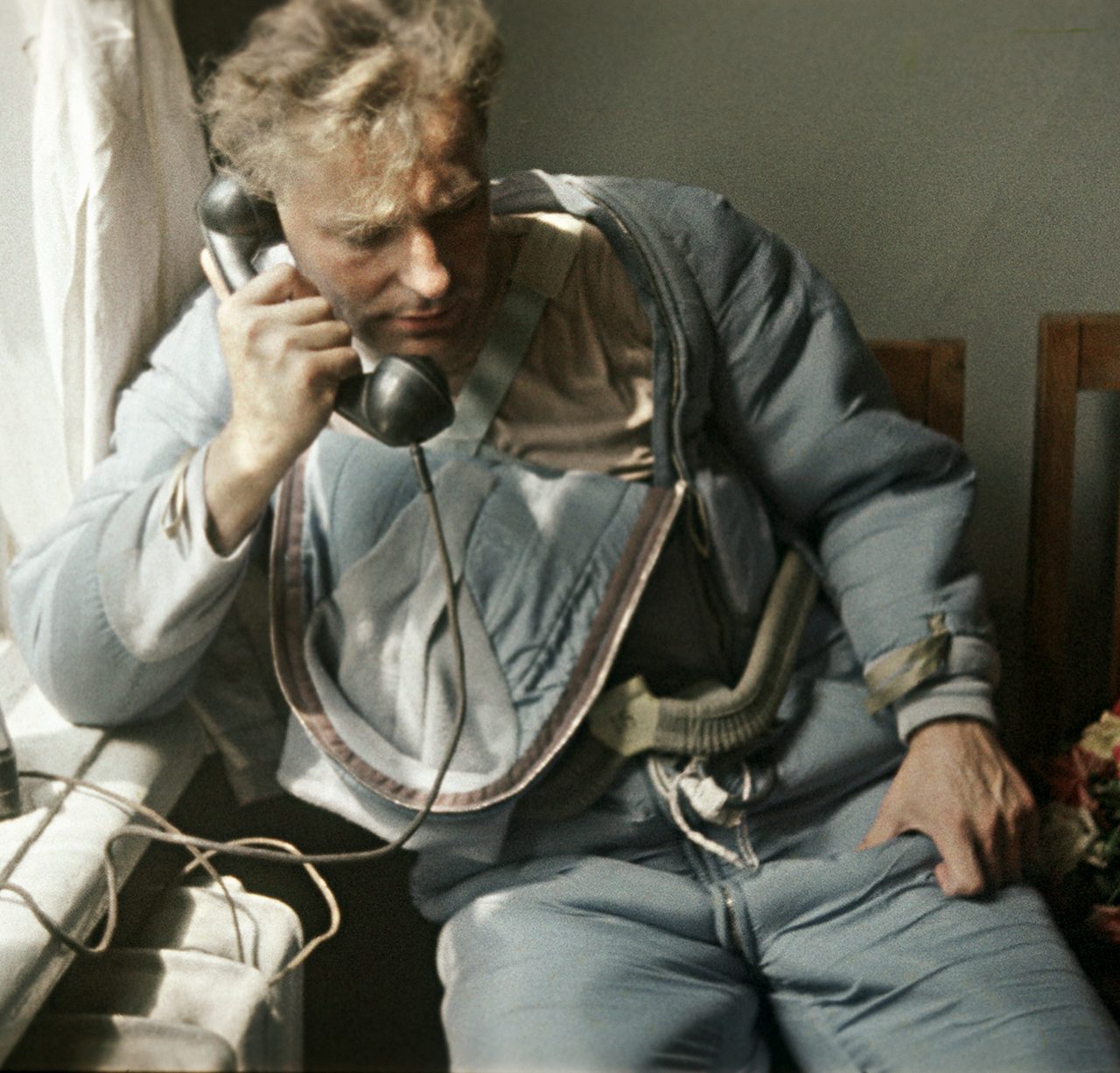
At an altitude of seven kilometers above Earth, the descent module’s hatch jettisoned, the ejection mechanism activated and the cosmonaut’s parachute deployed. The wind was carrying him toward railroad tracks, where a freight train was traveling at full speed. "I don't know whether the engineer noticed me and accelerated or whether I had enough altitude, but the train passed a little earlier and I landed in a stubbled wheat field a few dozen meters from the railroad," recounted Titov.