

Should the Orthodox Church be wealthy or poor?
How the major medieval debate over the Orthodox Church’s role in society and the state was resolved.
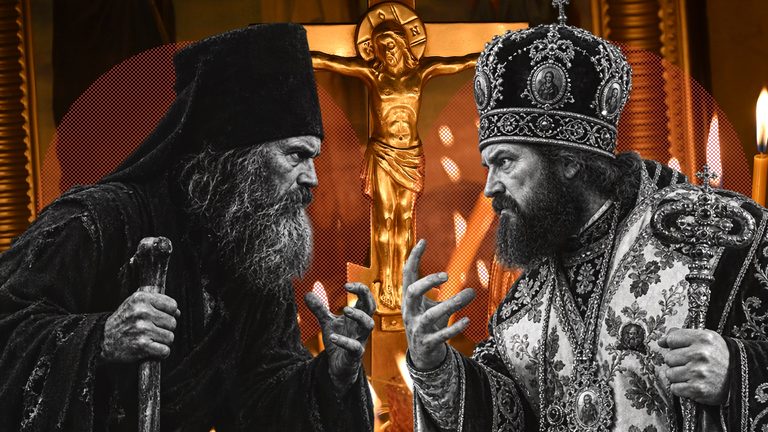
By the end of the 15th century, the unification of the scattered Russian lands around Moscow was nearly complete. In the new Muscovite state, the Orthodox Church was one of the largest landowners. As a result, its political influence was significant. However, at the beginning of the 16th century, an ideological conflict arose within the Orthodox Church – what historians refer to as the "dispute between the Josephites and the Non-Possessors". While formally a theological conflict, it was essentially secular in nature; the debate centered on the place and role of the Orthodox Church in society.
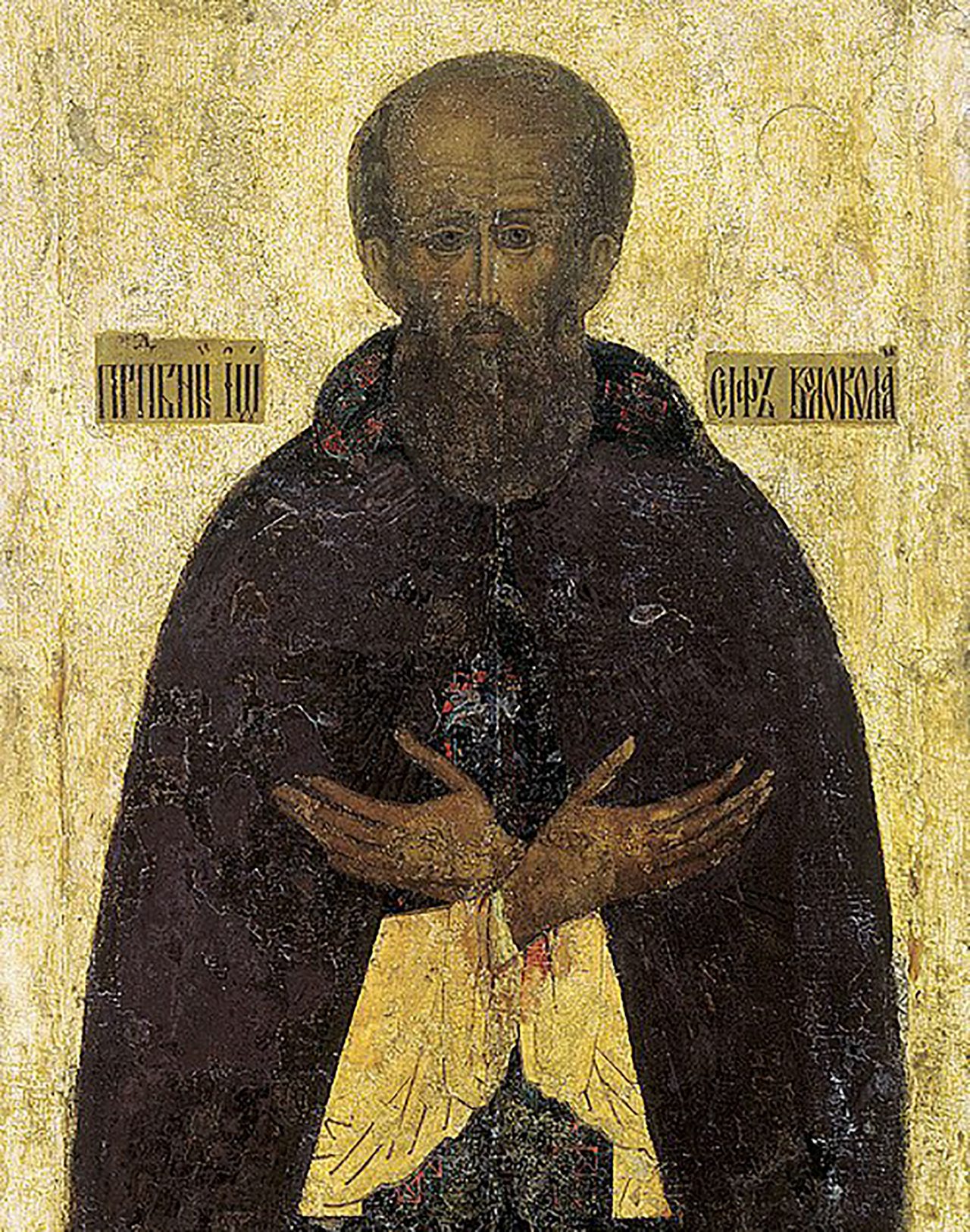 Joseph Volotsky
Who were the Josephites and the Non-Possessors?
The main point of contention between the two sides was the issue of Orthodox Church land ownership.
The Josephites were followers of Joseph of Volotsk (1439–1515), the abbot of the Volokolamsk Monastery. They defended the right of monasteries to own land, villages and other property. In their view, wealth was not intended for luxury, but to enable the Orthodox Church to conduct extensive charitable, educational and social work – such as maintaining hospitals, shelters and schools. The Josephites also advocated for a close alliance between the Orthodox Church and the grand prince’s authority, as well as for harsh measures to be taken against heretics.
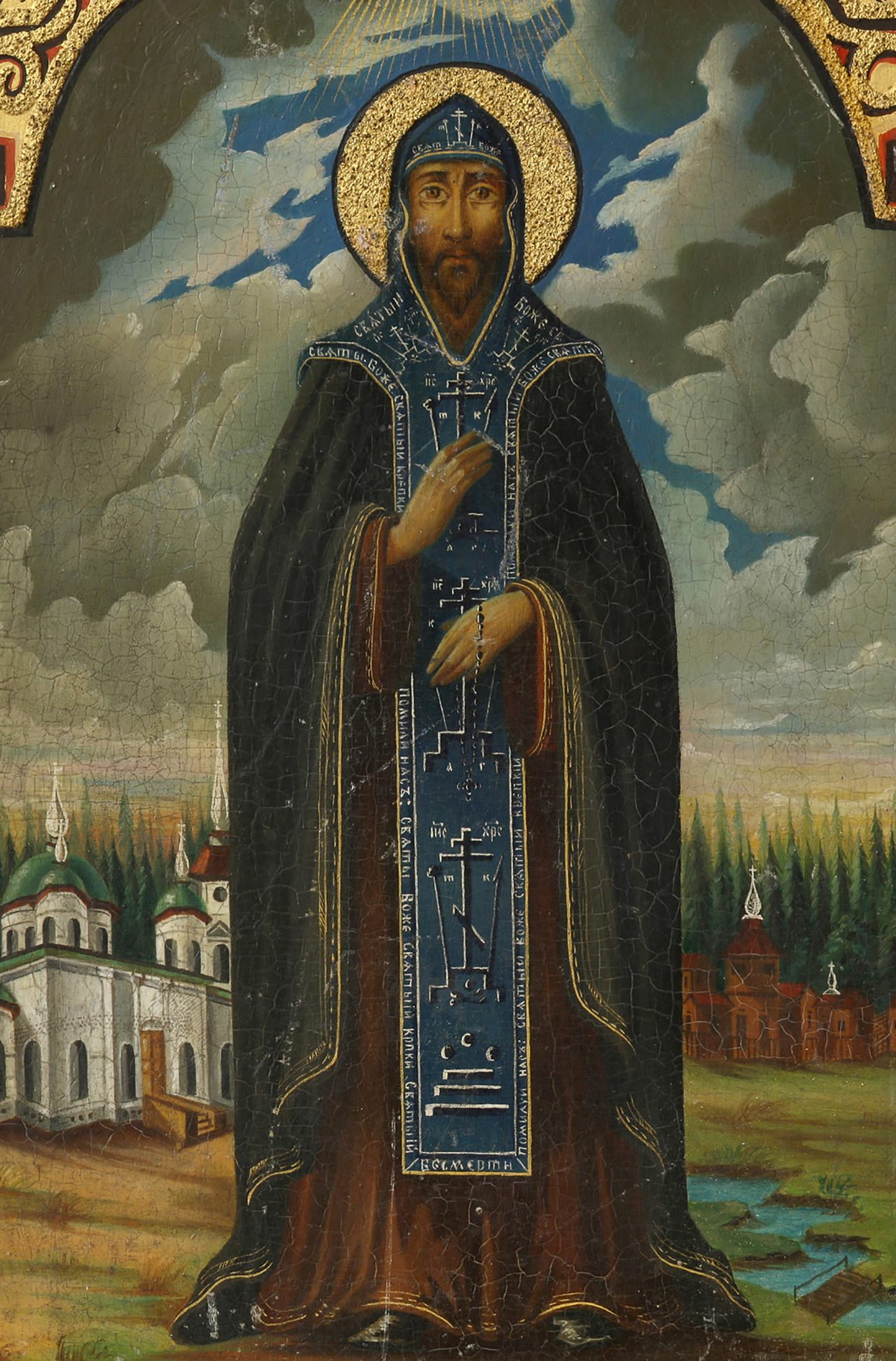 Icon of St. Nil Sorsky
The Non-Possessors, meanwhile, were followers of Nil Sorsky (c. 1433–1508), a monk from the Kirillo-Belozersky Monastery, and his disciples, who were known as the ‘Elders of the Volga Region’. They taught that monks should live by the labor of their own hands, renounce property ownership and refuse alms payments. For them, the priority was inner spiritual life, prayer and personal moral improvement, rather than external wealth and ritualism. Nil Sorsky believed that excessive luxury in churches was harmful and led believers astray from the true path. Regarding heretics, the Non-Possessors advocated for gentleness and forgiveness.
As a result, the Non-Possessors valued their independence from secular authority, whereas the Josephites actively supported the strengthening of the autocracy.
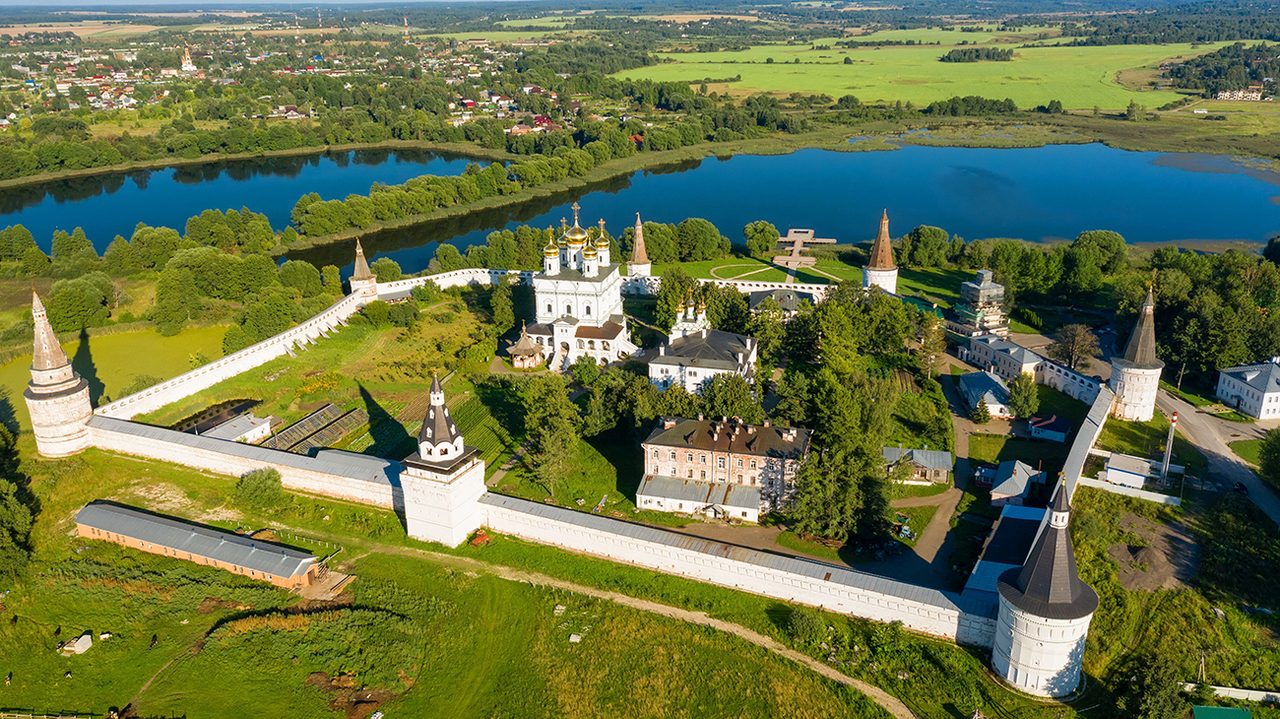 Aerial drone view of Joseph Volokolamsk lavra near Volokolamsk, Moscow Region, Russia
How it all ended
The first open conflict occurred at the Russian Orthodox Church Council of 1503, where Grand Prince Ivan III attempted to raise the issue of the secularization (confiscation) of Orthodox Church lands. The Josephites vehemently opposed this and succeeded in defending monastic land ownership.
The Non-Possessors were defeated. In 1531, prominent theologian and translator Maxim the Greek and the publicist Vassian Patrikeev – Nil Sorsky’s closest ally – were condemned. The Josephites emerged victorious. This had significant consequences for the Russian Orthodox Church.
It became even more closely tied to the state. Monasteries retained their wealth and landholdings, while the Orthodox Church's ritual and social roles expanded and strengthened.