

10 culinary tips from the most popular book of Tsarist Russia (PHOTOS)

Elena Molokhovets's book ‘Gift to Young Housewives’ went through 29 editions from 1861 until the 1917 Bolshevik Revolution.
The "culinary bible" of the Russian Empire taught women left without servants the art of managing a household. We’ve selected some tips from it that are still relevant today.
1. How to choose poultry
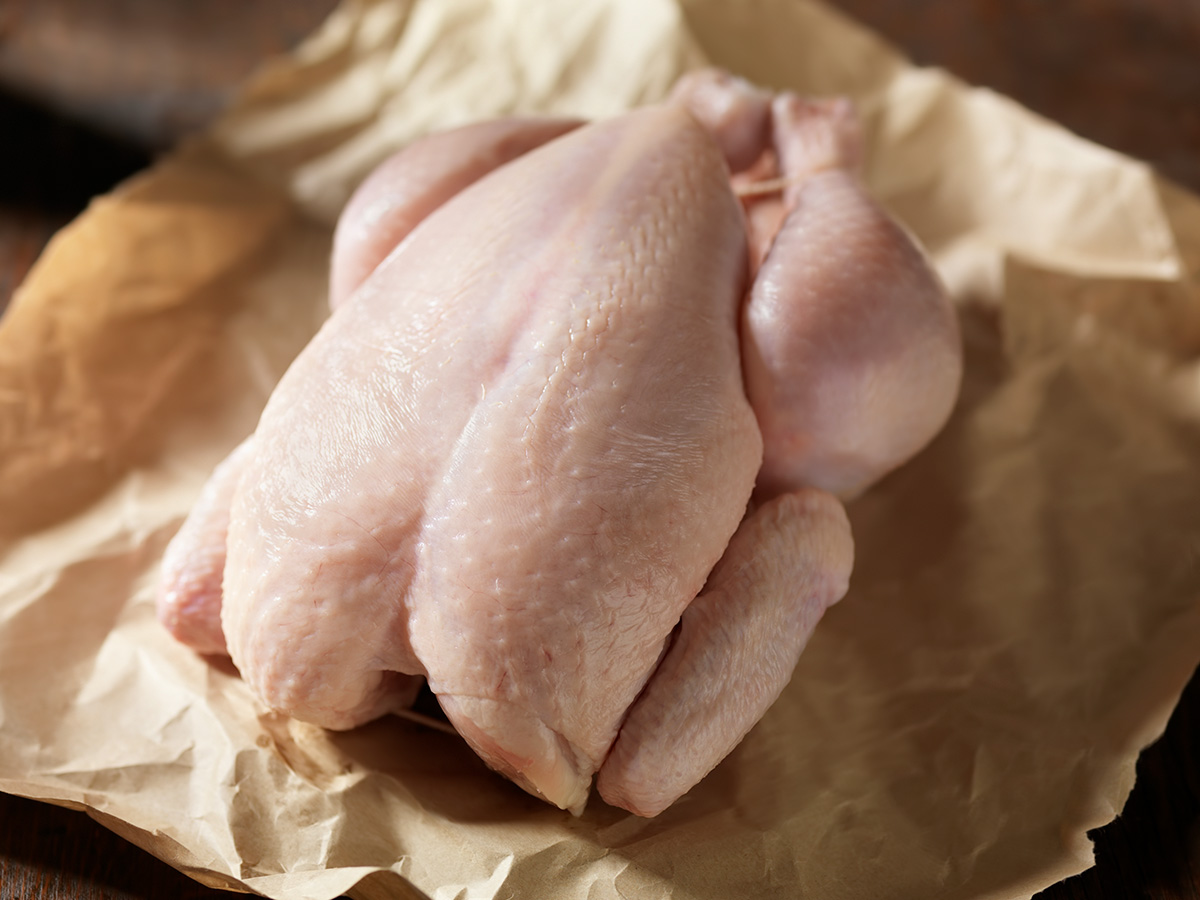
“A fresh bird has full, bright eyes, a flexible breastbone and white skin; the fat is white, not yellow; an old rooster has a dark red comb, an old goose has red feet and a young one is black or gray. Generally, young birds are preferred over old ones and a female over a male.”
2. How to butcher fish
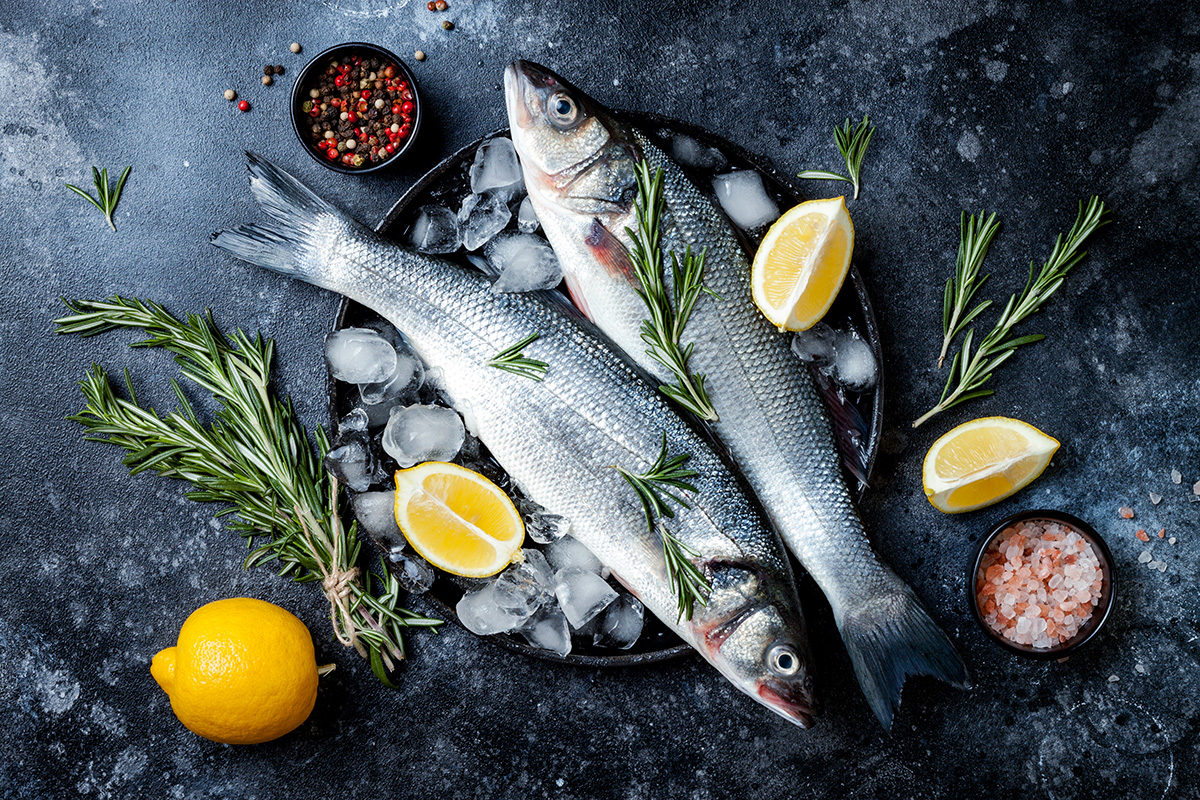
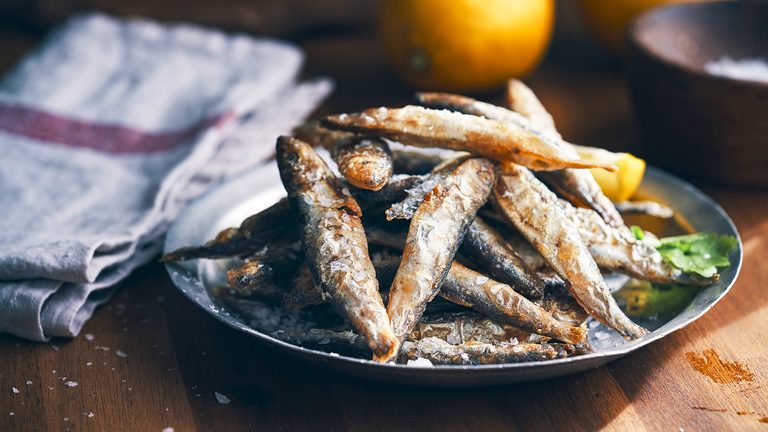
“The tastiest fish is alive, freshly killed. The best way to butcher fish is to make a cut with a sharp knife just behind the head, separating the brain from the spinal column. Sleeping fish is much worse than fresh fish. Frozen fish is worse and significantly cheaper than fresh, sleepy fish.”
3. How to buy veal
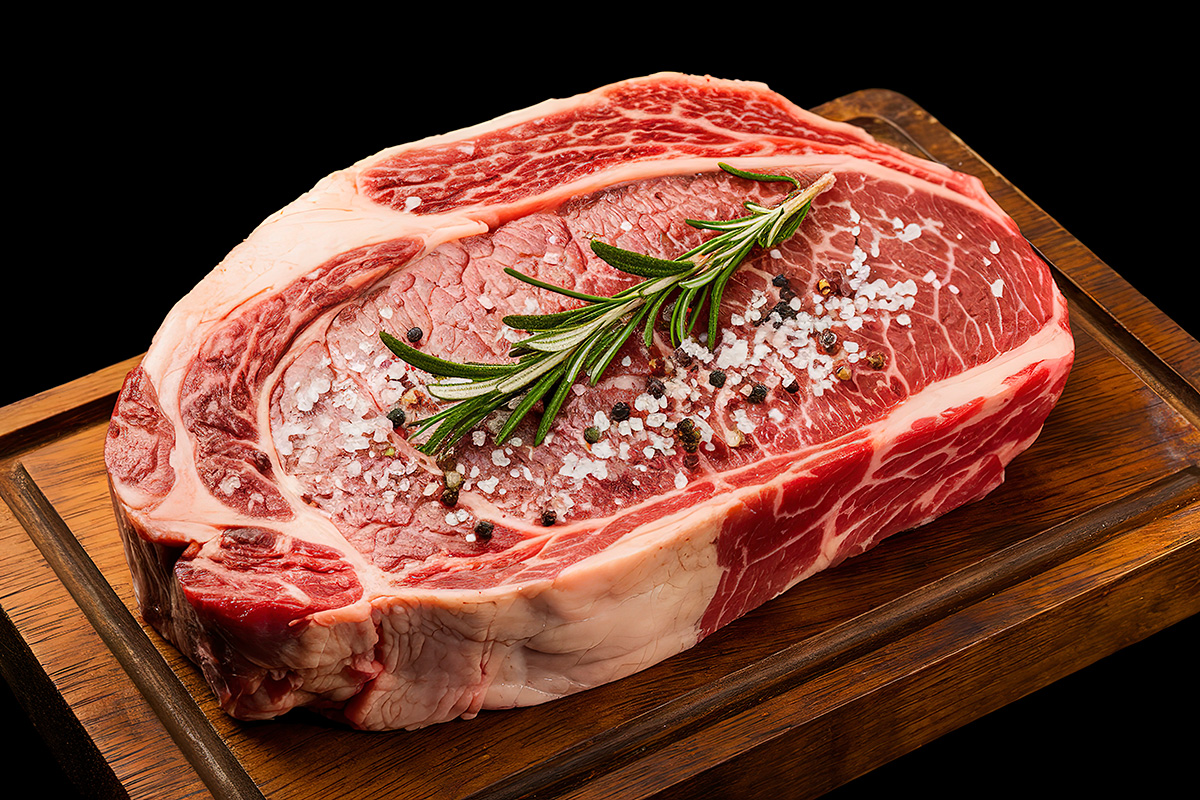
“The meatier, whiter and fattier the veal, the better. The kidneys should be covered with a large amount of fat, which is used in all ground meats. But, often, for appearance's sake, sellers inflate it, like piglets, with air, which can be identified by a cut in the skin. If a cut is found, it's inflated.”
4. How to choose lamb
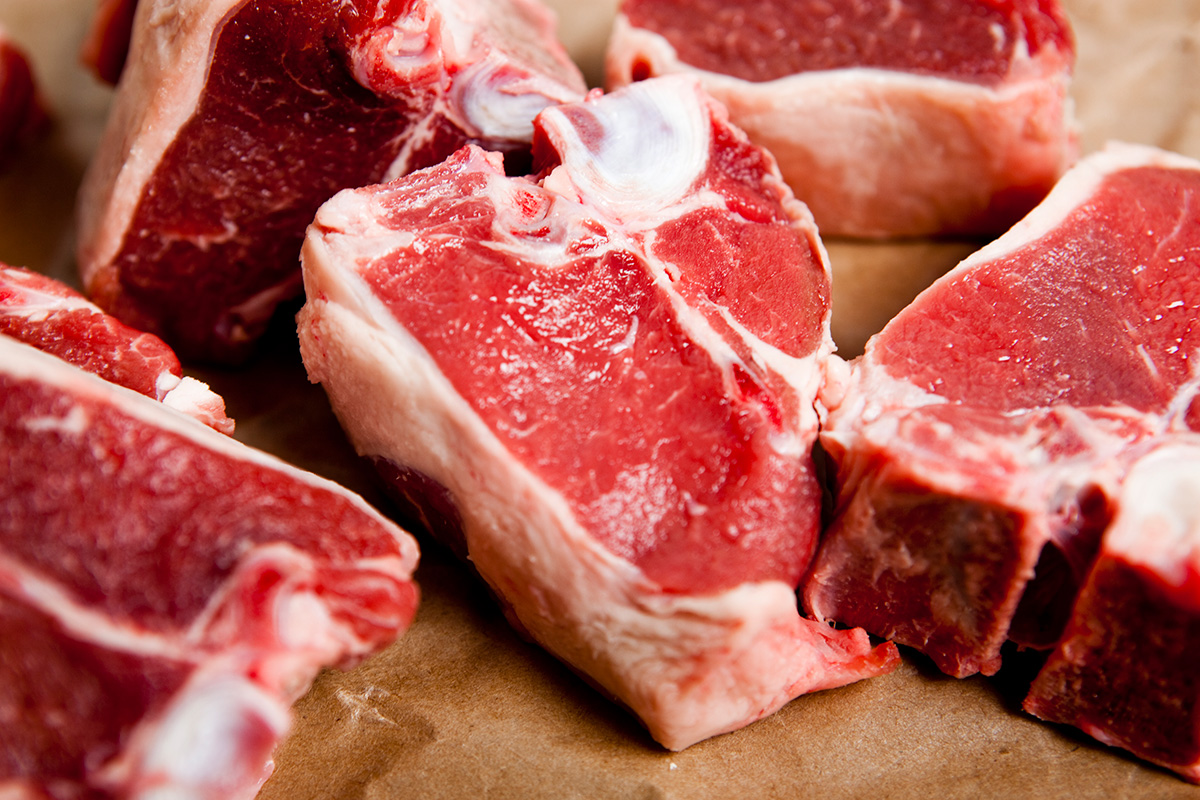
“Veal should be as white as lamb should be bright red, with fat white, tender, firm and fairly translucent. Too dark or too pale a color indicates a lower grade. If the meat is fatty and the fat is sticky, this is evidence of old age.”
5. How to cook a piglet
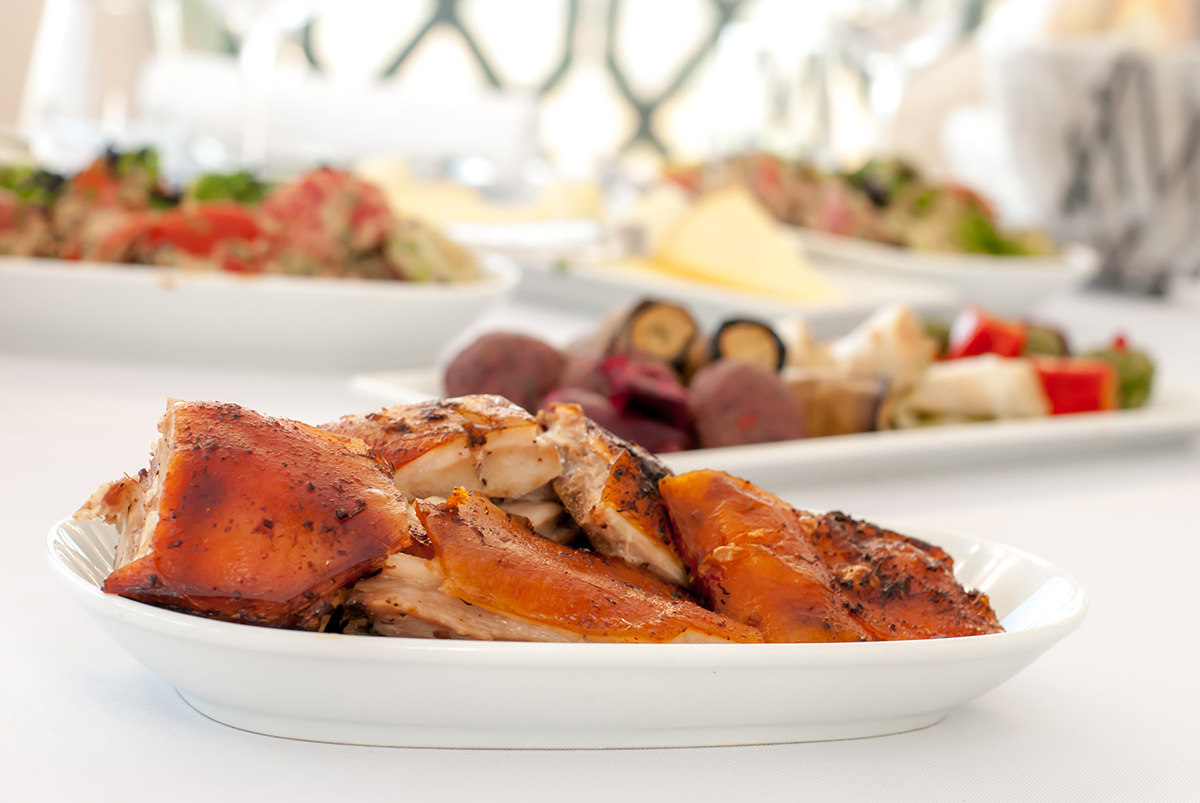
"Slaughter a fat piglet, place it in cold water, then immediately in boiling water for about two minutes, then pluck all the hair. To preserve the delicate flavor, do not add any roots, spices or vinegar and do not rub with salt. When cooking the piglet, do not boil it; cover the pan with a lid and place it over high heat. As soon as it begins to boil, immediately set the pan on the edge of the stove and simmer, keeping it from boiling, for 1.5-2 hours."
6. How to choose pork
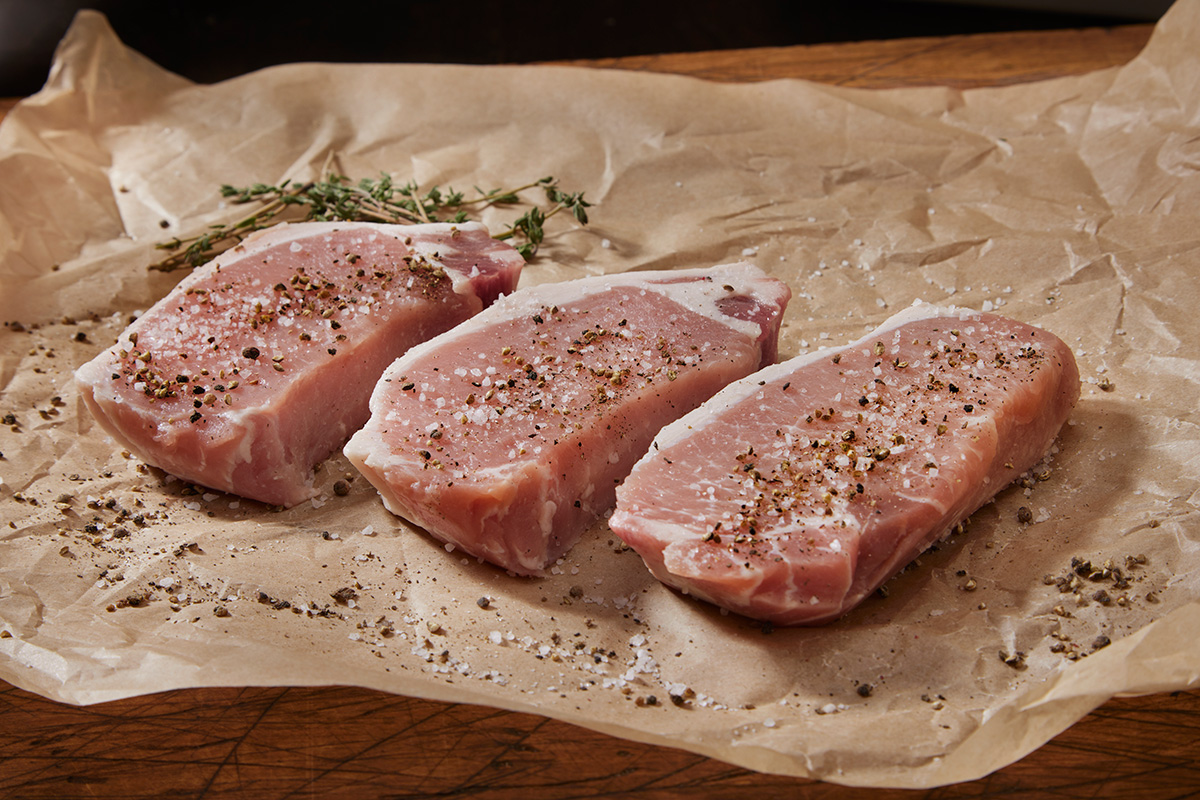
“Pork is digestible, but less nutritious than beef. It has more gluten and fat. Good pork should not be too fatty, light pink, tender and covered in white fat. The best meat is considered to be from a seven- to eight-month-old sow and the best lard is from a 15-month-old piglet.”
7. How to improve the flavor of ham
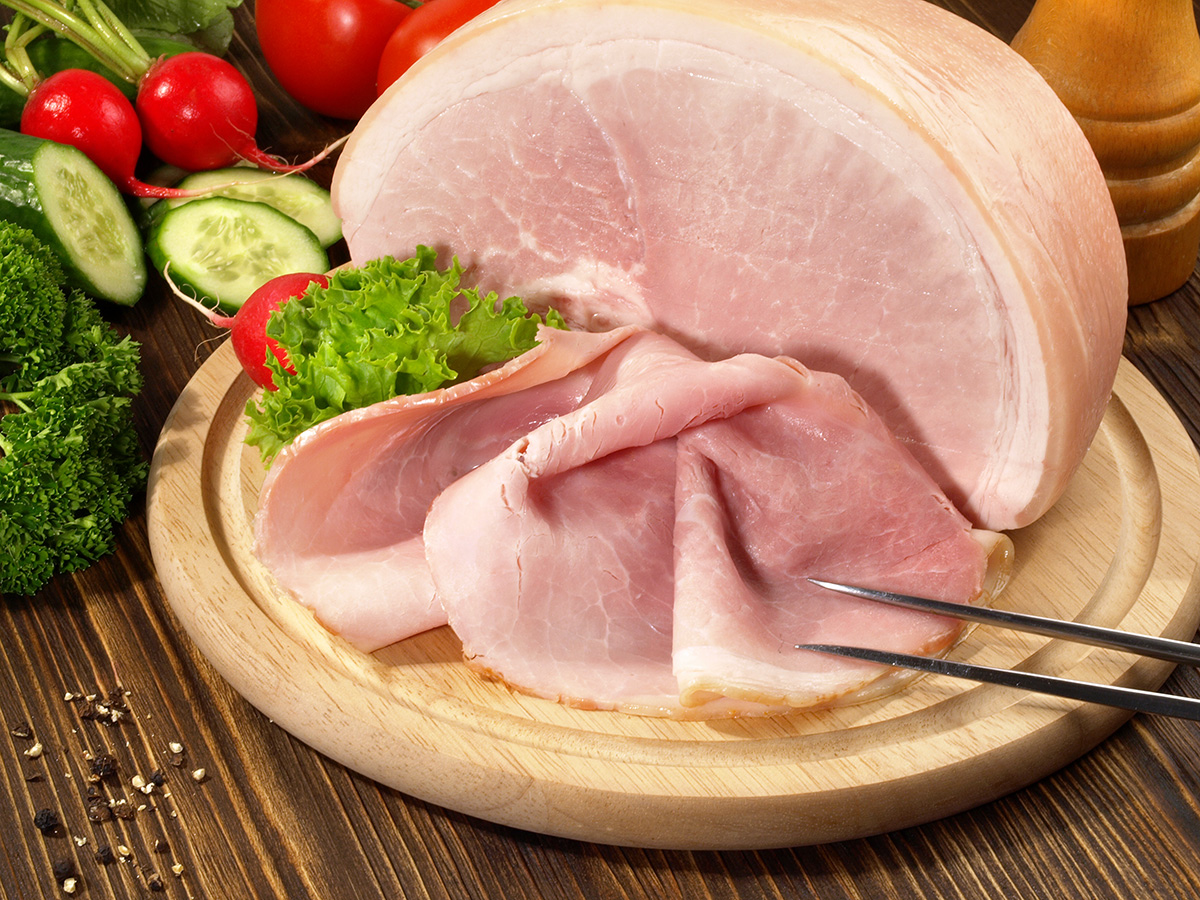
“If the ham is tough, wrap it in a towel or napkin the day before cooking and bury it in heavy black earth for about 12 hours. If it’s salty, soak it in cold water for 24 hours, changing the water frequently and when it's time to cook, boil it in different waters, adding a crust of black, grated bread to the water.”
8. How to make clear aspic
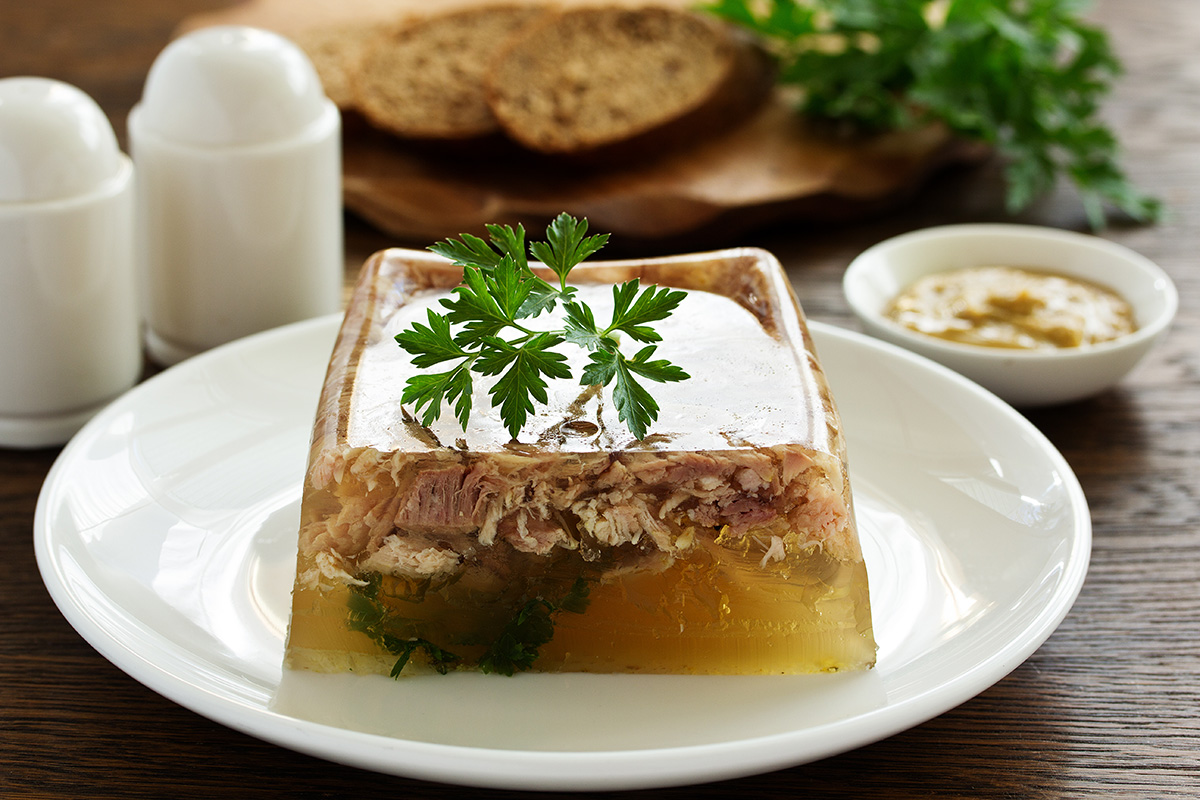
"Take raw ox flesh or chicken fillet or roast hazel grouse, finely grind it, mince it, add ½ cup cold water, stir, heat with 3-4 tablespoons of hot broth, stir and immediately pour into the boiling aspic, stir and then set the pan on the edge of the stove, covering it with a lid. After an hour and a half, when the aspic has curdled, skim off any excess fat, pour it all onto a napkin tied to the leg of an overturned stool and let it slowly drip into a bowl. Make sure the stool isn't exposed to a strong wind, which will make the aspic cloudy. When it's drained, bring it to a boil, cool slightly, pour into the bottom of the pan and let it cool."
9. How to choose a potato variety
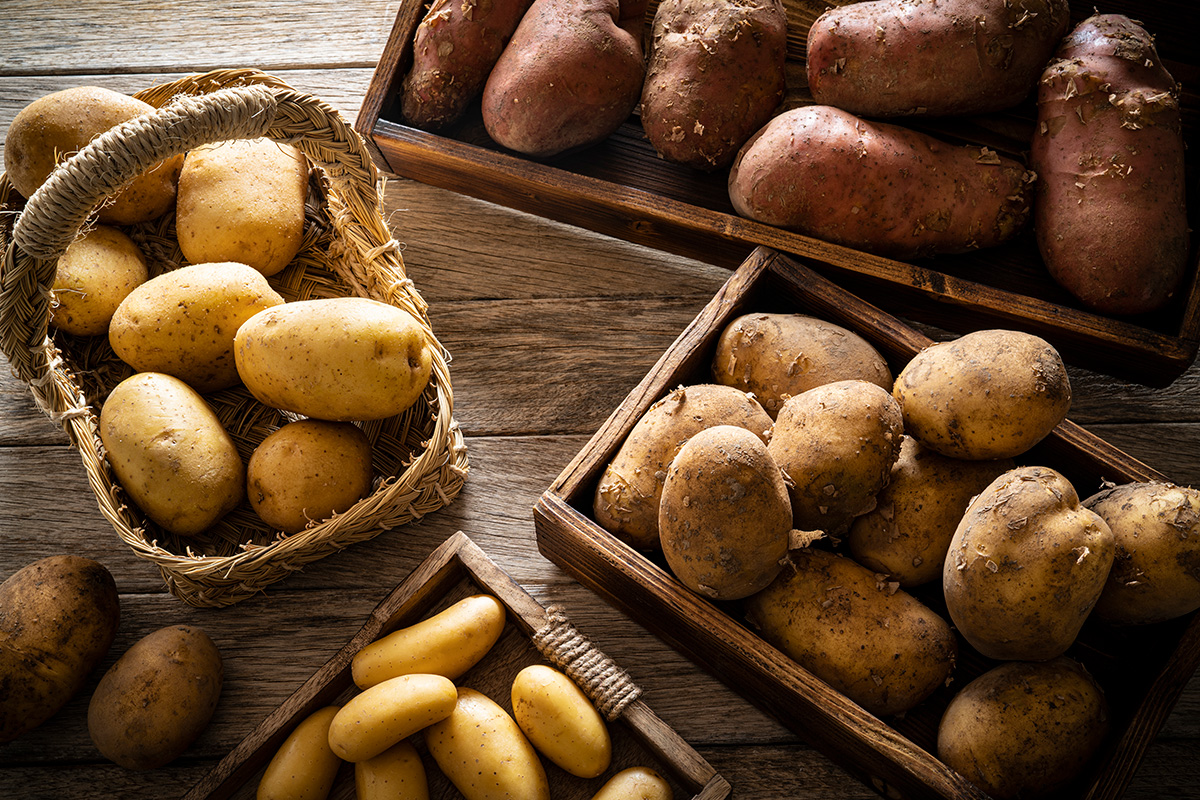
“The best variety is considered to be round or elongated, white. Round, bluish potatoes are coarser, though more floury. These two varieties cook differently. When boiling white potatoes, wash them in lukewarm water, drop them in boiling water and set them over high heat, while blue potatoes should be cooked slowly, but evenly.”
10. How to beat eggs

“It's best to beat the yolks with sugar in a warm place until white. Keep the whites in a cool place and beat them. Beat them just before eating, preferably with a tin whisk or a wooden fork. Start beating slowly and then gradually increase the speed toward the end.”