
What tasty & healthy food looked like in the USSR
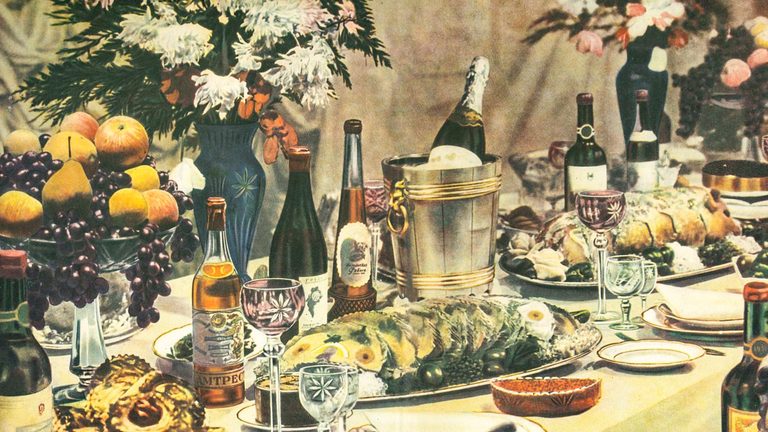
‘The Book of Tasty and Healthy Food’ was the top culinary bestseller in the Soviet era.
Every Soviet family had a treasured notebook filled with recipes they'd heard and seen. Every good housewife refined and adapted them to suit her own tastes, streamlining the cooking process while simultaneously infusing her own unique touch. However, there was one book that all Soviet women and men involved in cooking revered like transcripts of the last CPSU Congress: ‘The Book of Tasty and Healthy Food’, written by a team of authors.
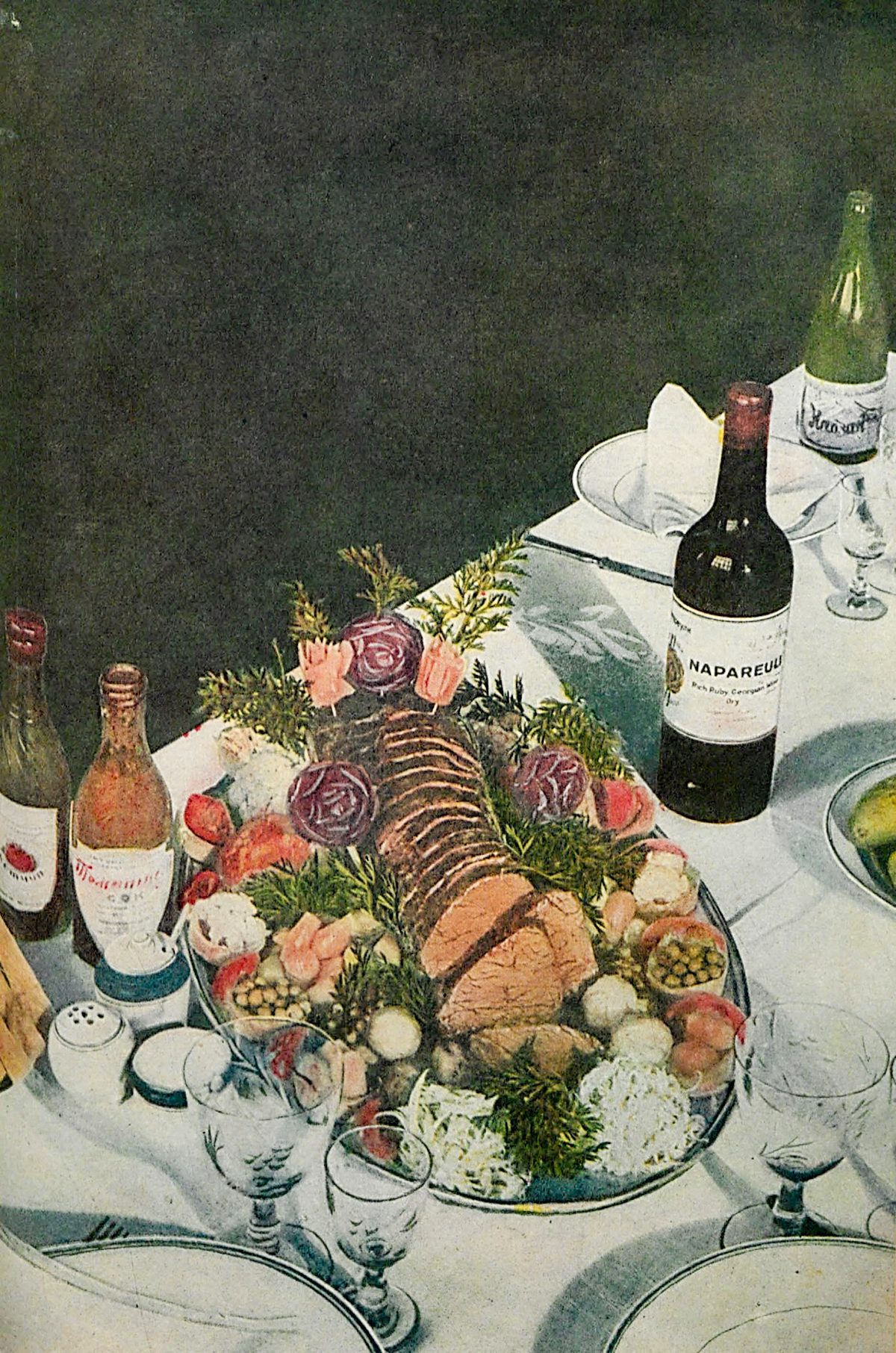
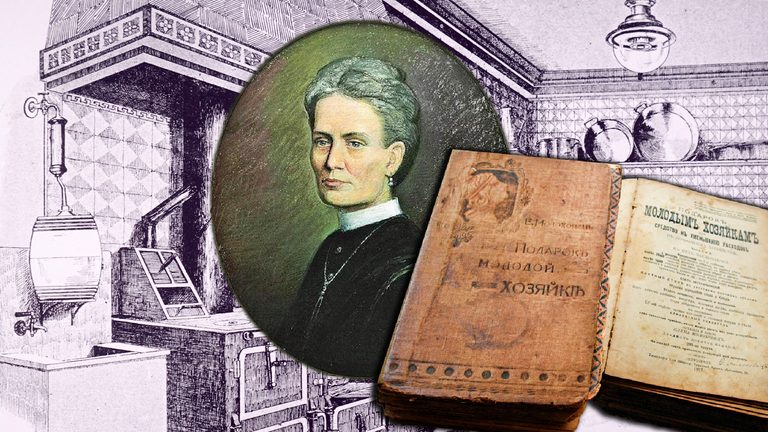
It was first published in 1939 and went through numerous editions. Its 1952 print run of 500,000 copies surpassed Elena Molokhovets' pre-revolutionary success record. The combined circulation of post-war editions reached an impressive eight million. The secret of its popularity lies in its relevance to the realities of life (although, Soviet everyday life often fell short of the variety of recipes in the book). It was a collection of proven recipes using readily available ingredients, written in clear, unadorned language. It was within its pages that several generations learned to prepare familiar soups, cutlets, vinaigrettes and compotes – all the classics of the home kitchen, adapted to Soviet conditions. Like Molokhovets in Tsarist Russia, ‘The Book of Tasty and Healthy Food’ offered practical solutions for working Soviet women combining industrial labor with household chores.
Modern readers may be surprised by its cult of convenience foods: canned goods and concentrates designed to make everyday life easier. However, the inclusion of seasonal menus and dietary sections explaining the principles of therapeutic nutrition still command respect.