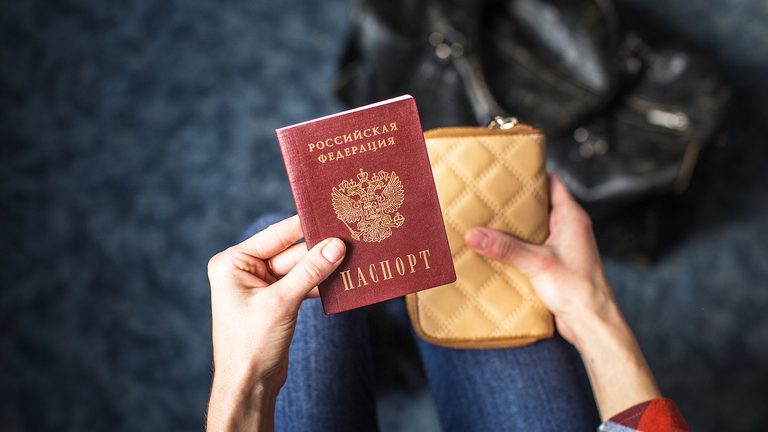


How to get a Temporary Residence Permit for Education Purposes in Russia in 2026?
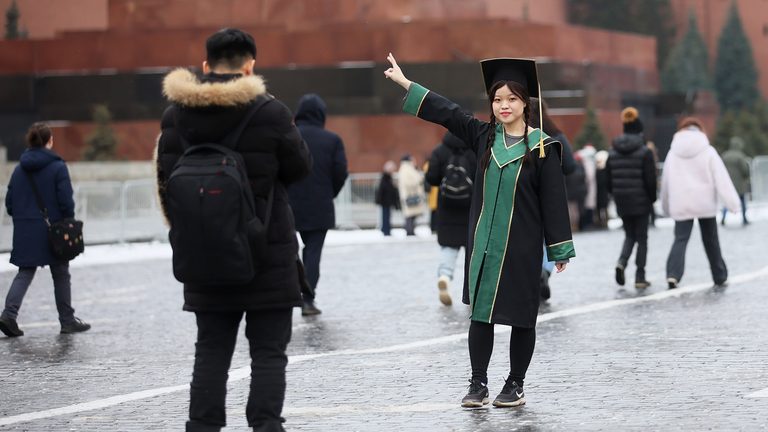
A ‘Gateway to Russia’ can open for an international student long before graduation. A temporary resident permit offers a whole host of benefits, from official employment to eligibility for compulsory medical insurance.
A Temporary Residence Permit (Razreshenie na vremennoe prozhivanie) is the first step towards Russian citizenship. We have already explained how to get an TRP on general grounds and for “traditional values”. Now, we’ll take a closer look at obtaining a Temporary Residence Permit for Education Purposes (Razreshenie na vremennoe prozhivanie po obrazovaniyu – TRPE).
What is TRPE?
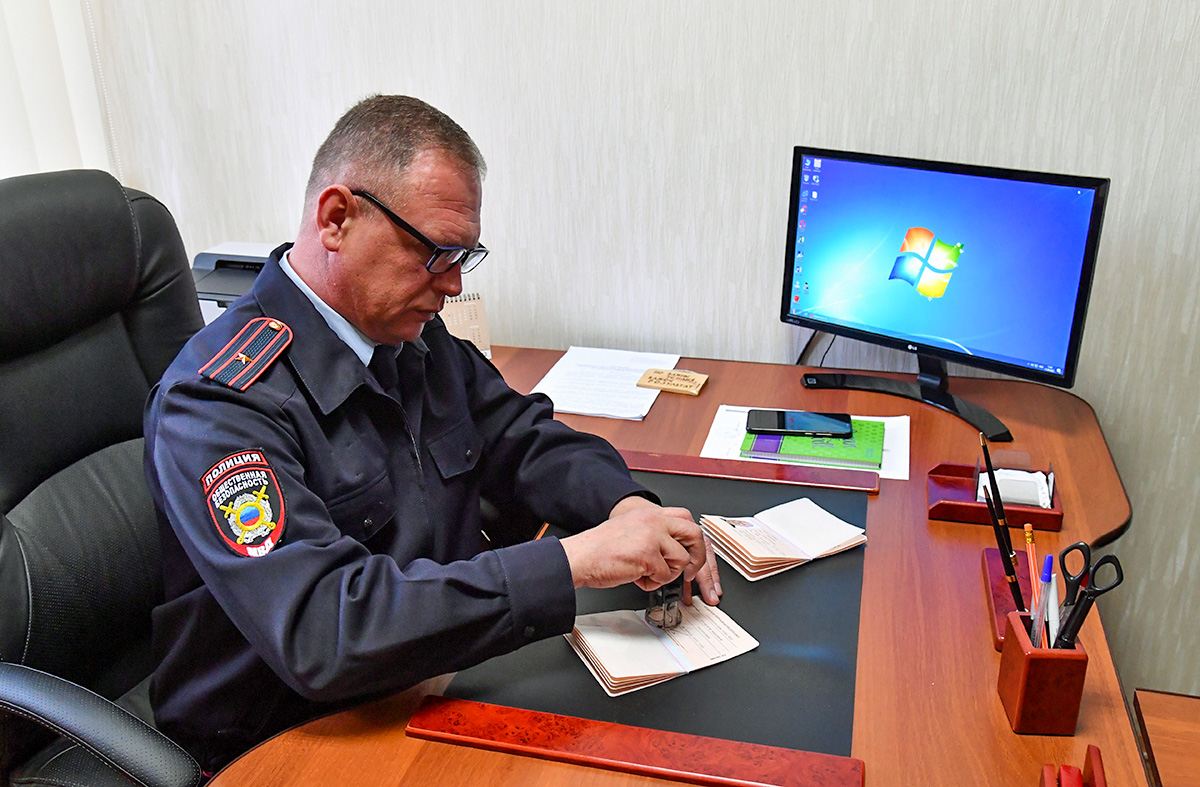
Like the TRP, this document is a stamp in your passport. TRPE is a Temporary Residence Permit for international students studying full-time at a state-accredited university. Any level of study is possible: specialist, bachelor's, master's or doctoral.
Please note that TRPE is not granted to students studying online or in preparatory courses.
This type of document does not replace a student visa: you are still required to get that, while the TRPE is optional. However, it’s worth getting one, because it offers additional benefits:
- The TRPE is valid for the entire duration of your studies and for another 180 days afterward.
- You will also receive a visa for the entire validity period of the TRPE.
- You will be entitled to medical care under the compulsory medical insurance system.
- TRPE also allows you to legally work in your free time. And the work experience gained in your specialty will later help you in obtaining citizenship.
- Holders of an TRPE can apply for a residence permit (PR) in a simplified manner within 3 years of graduation.
However, the TRPE, like the TRP, has limitations:
- The document is only valid in the region of issue.
- If you get a job, the employment contract will be limited to the validity period of the TRPE.
- You cannot leave Russia for more than six months within a year.
- While regular TRP holders can apply for a residence permit (PR) after eight months, TRPE holders can only do so after completing their studies.
- And, of course, you must not break the law, otherwise the TRPE will be revoked.
How to apply for a TRPE
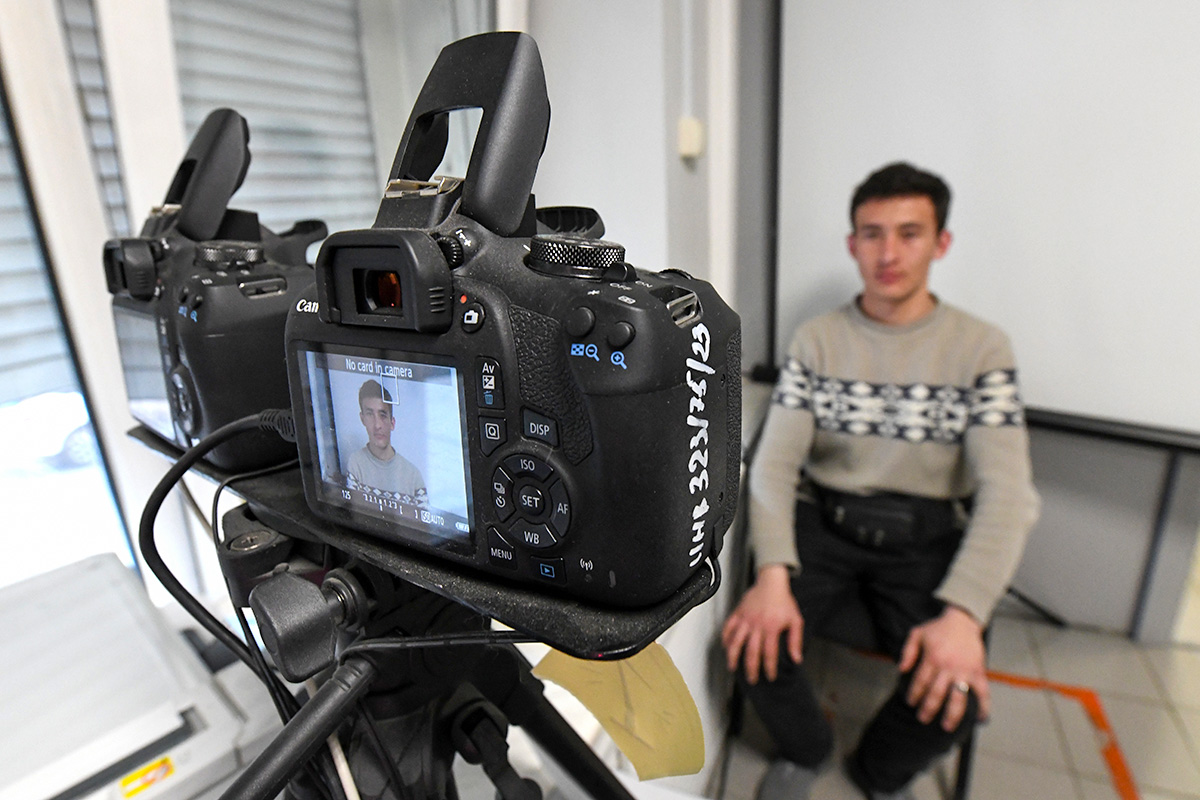
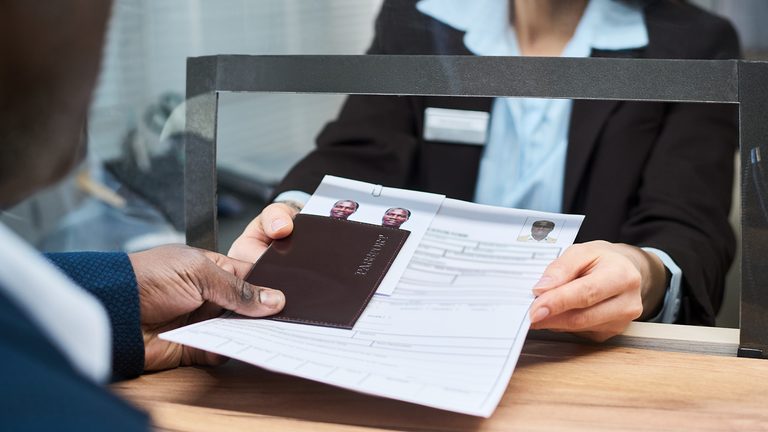
A TRPE is processed in Russia. Documents are accepted at territorial offices of the Ministry of Internal Affairs (addresses in different regions can be found on the official website) or at Migration Centers (e.g., in Moscow or St. Petersburg).
Documents you will need:
- Application in 2 copies
- Passport with a notarized translation of all pages, certified in Russia.
- 2 photos (3.5 x 4.5 cm)
- Certificate of no criminal record (only for students from visa countries). This can be obtained in advance in your country or in Russia at your country's embassy.
- Medical certificate confirming the absence of narcotic substances in the body, dangerous infectious diseases and HIV infection.
- Migration card
- Documents confirming enrollment in the educational institution (can be obtained from your university)
All documents in foreign languages must be translated and notarized in Russia.
You will need to undergo fingerprinting and pay a state fee. It’s the same as for a regular TRP – 15,000 rubles (approx. $191 – as of July 26, 2026).
You do not need to prove proficiency in the Russian language (as required for a regular TRP); the fact of enrollment itself is sufficient.
A TRPE is typically processed within 38 working days. The status of your application can be tracked online.
What's next?
Once you receive your TRPE, you’ll need to register with the migration service at your place of residence within seven working days. As a rule, international students live in a university dormitory, which also serves as their place of registration. This can be arranged through the dormitory administrator (or passport officer). If you are renting an apartment, you’ll need the assistance of the landlord.
An application for a residence permit (PR) can be submitted either immediately after or within three years of completing your studies. However, if you have, for example, completed a specialist degree and wish to continue your studies in postgraduate, you can apply for PR immediately after the specialist degree; you do not need to wait.