

How to pay taxes in Russia
Not only Russian citizens are required to pay taxes, but also foreigners who live and work here. Let's take a closer look at the tax legislation.
The main tax for working individuals in Russia is the Personal Income Tax (PIT or NDFL). It is withheld from most types of income: wages, rental income from apartments, winnings, etc. However, the tax rate depends on many factors.
Who is required to pay taxes in Russia?
First, you need to determine whether you will be considered a tax resident of Russia or not.
Under Russian law, a person is considered a tax resident if they live in Russia for at least 183 calendar days during a calendar year. Their citizenship is irrelevant – in other words, if you have a temporary residence permit, a permanent residence permit or simply a work visa, but you are permanently in Russia, you will be considered a tax resident. You will be required to pay personal income tax on income from sources both in Russia and abroad (FYI: Russia has double taxation avoidance agreements with a number of countries).
However, if you spend fewer than 183 days a year in Russia, you are considered a non-resident for tax purposes. In that case, you only need to pay tax if you have sources of income in Russia – for example, if you rent out an apartment in Russia or work under a civil law contract.
Progressive tax scale
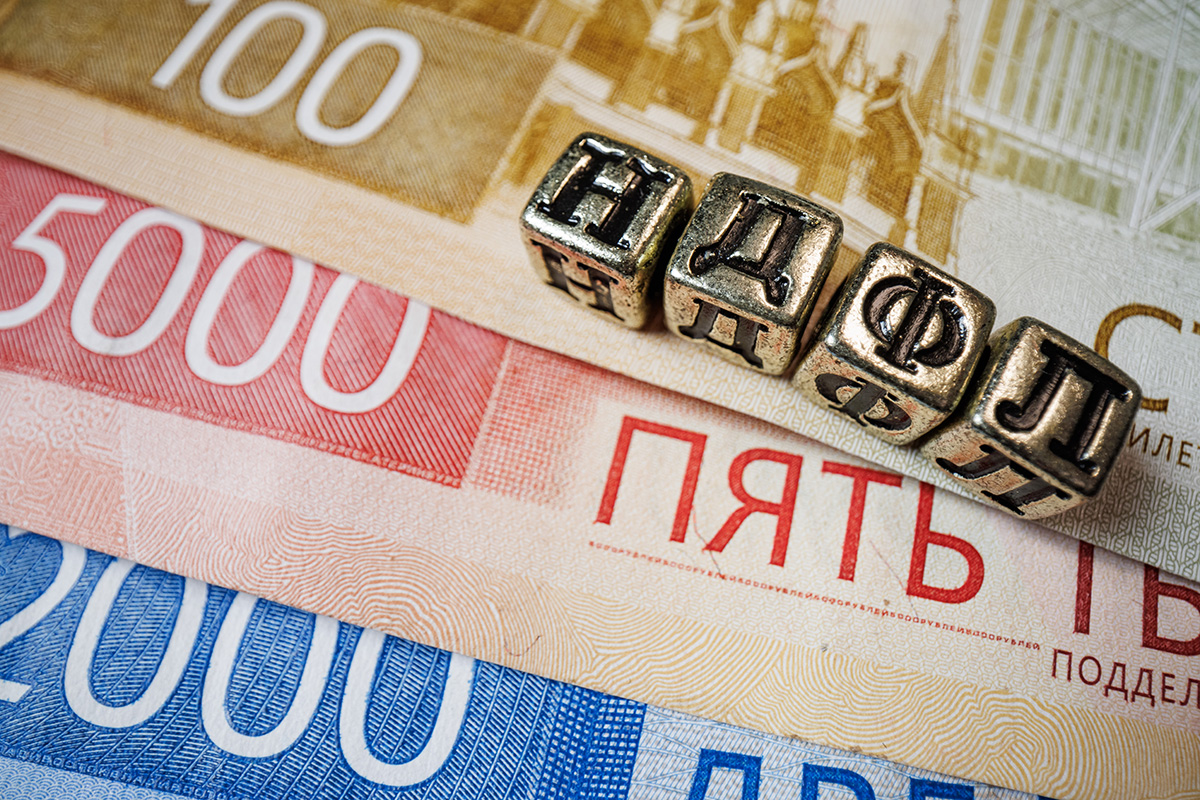
In Russia, the personal income tax rate for residents depends on the level of income. For employed professionals, it ranges from 13% to 22%.
- The base rate of 13% applies to individuals with an annual income of up to 2.4 million rubles (approx. $33,000).
- A rate of 15% applies to annual incomes of 2.4 million to 5 million rubles (~$69,000).
- A rate of 18% applies to annual incomes of 5 million to 20 million rubles (~$276,000).
- A rate of 20% applies to annual incomes of 20 million to 50 million rubles (~$690,000).
- A rate of 22% applies to annual income exceeding 50 million rubles.
The increased rate applies only to the amount exceeding the threshold levels.
The tax rate for non-residents is 30% on any and all income.
If a person is registered as self-employed (for example, baking custom cakes to order at home or doing small repair jobs), they do not pay personal income tax but, rather, a professional income tax of 4%–6%. Taxes for the self-employed are calculated automatically.
Individual entrepreneurs can opt for the simplified taxation system and pay either 6% on revenue or 15% on profit.
You can read more about small businesses for foreigners here.
Who files their own tax returns?
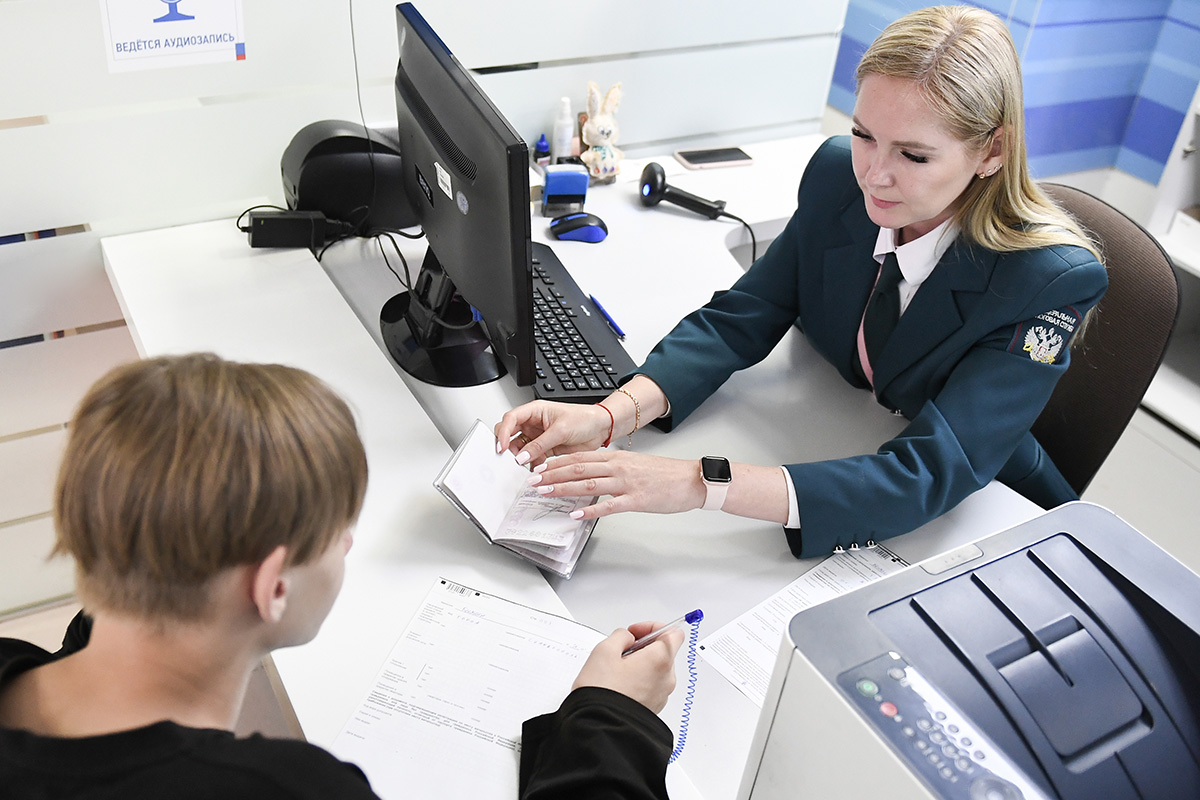
First and foremost, this applies to self-employed individuals. Typically, salaried employees receive their paychecks after taxes have already been deducted.
Additionally, you need to pay taxes on income from foreign sources (for example, if you rent out an apartment abroad or receive a salary from abroad), from the sale of property that you have owned for less than five years (or less than three years in the case of inheritance) and from income received from renting out property.
Property & transport taxes
In Russia, you also need to pay annual property taxes (on apartments, houses, garages, etc.) – ranging from 0.1% to 0.5% of the cadastral value of the property (if the value exceeds 300 million rubles [~$4.2 million], the rate is 2.5%). And vehicle taxes – these depend largely on the vehicle's engine power and the region.
Payment deadlines
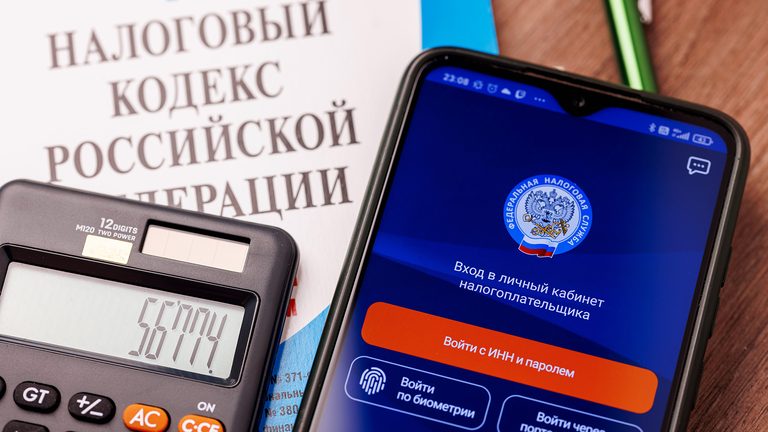
You can pay taxes online on the Federal Tax Service webstie.
- The deadline for self-reporting and payment of personal income tax is June 15 of the year following the tax year.
- The deadline for payment of property taxes (real estate, vehicles): by December 1 of the current year.
Tax deductions
That said, Russia offers a number of tax deductions – but only for tax residents. The amounts that can be refunded from previously paid taxes depend on individual circumstances and income. For example, you can claim tax deductions when purchasing real estate, paying for medical treatment, education or even buying a gym membership.